Stockholder Meeting For Hoa In Orange
Description

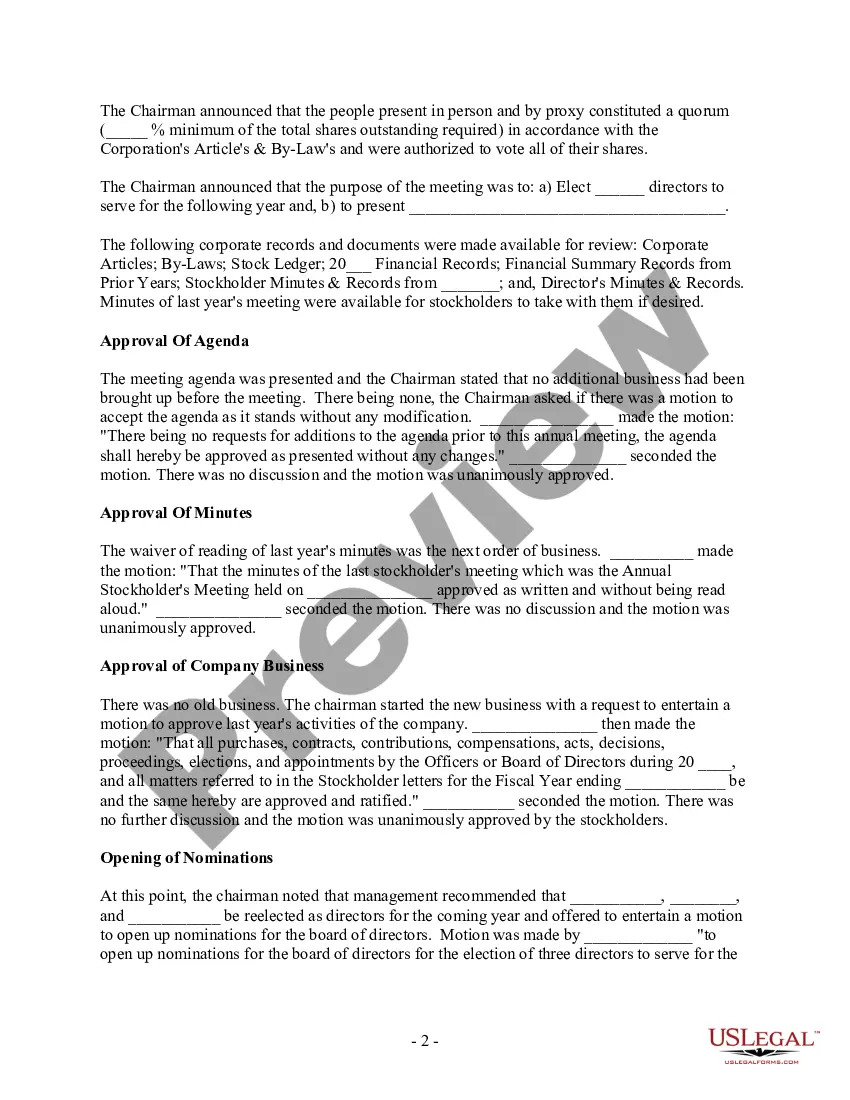
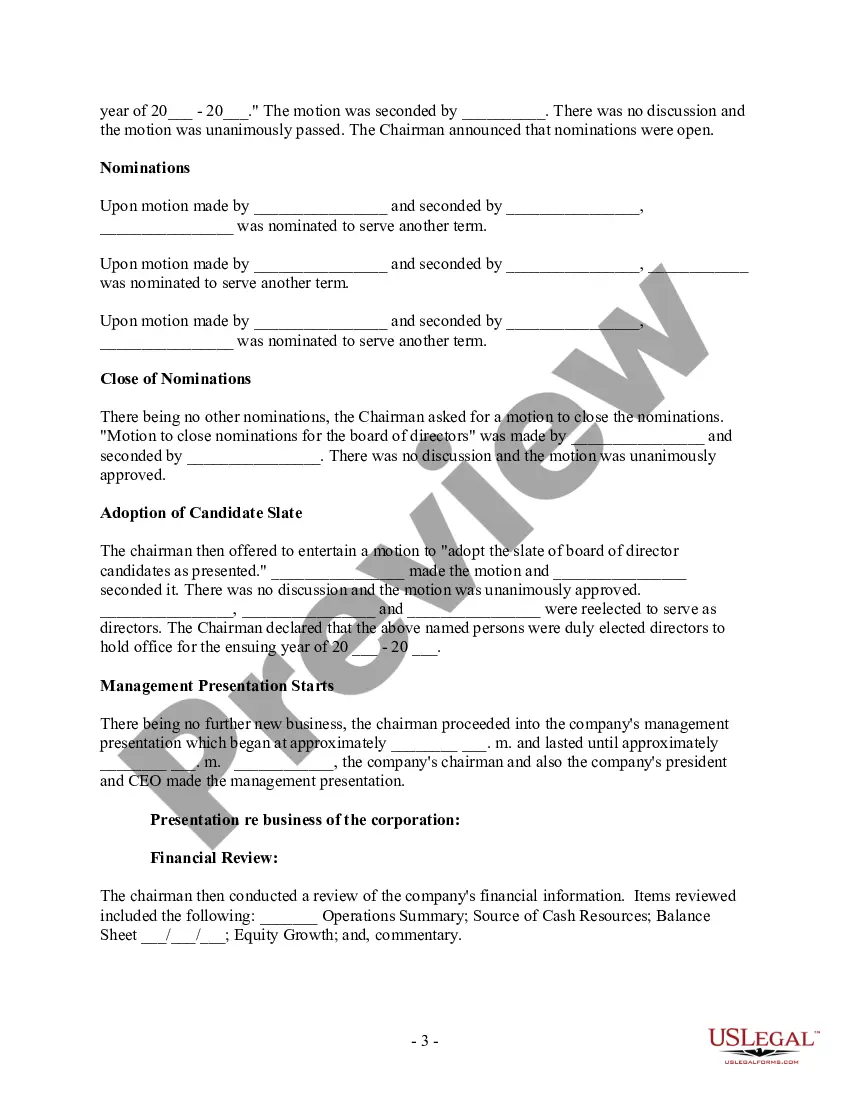
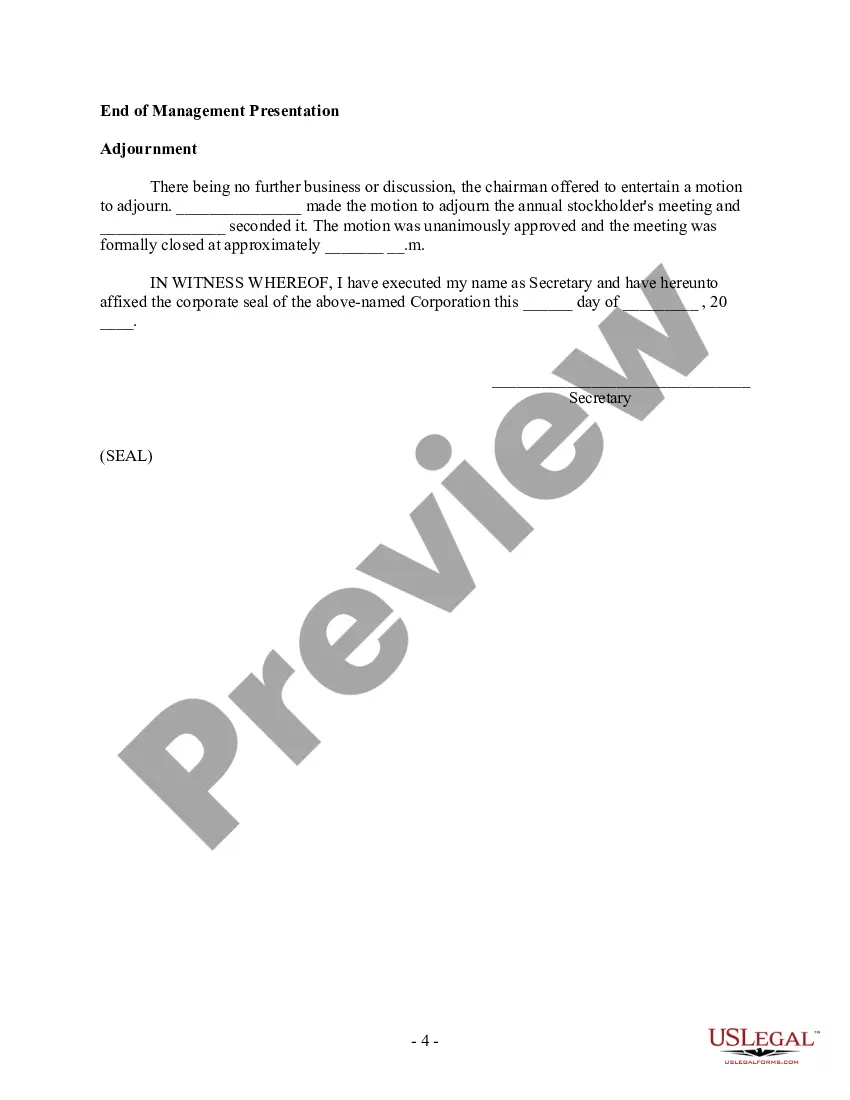

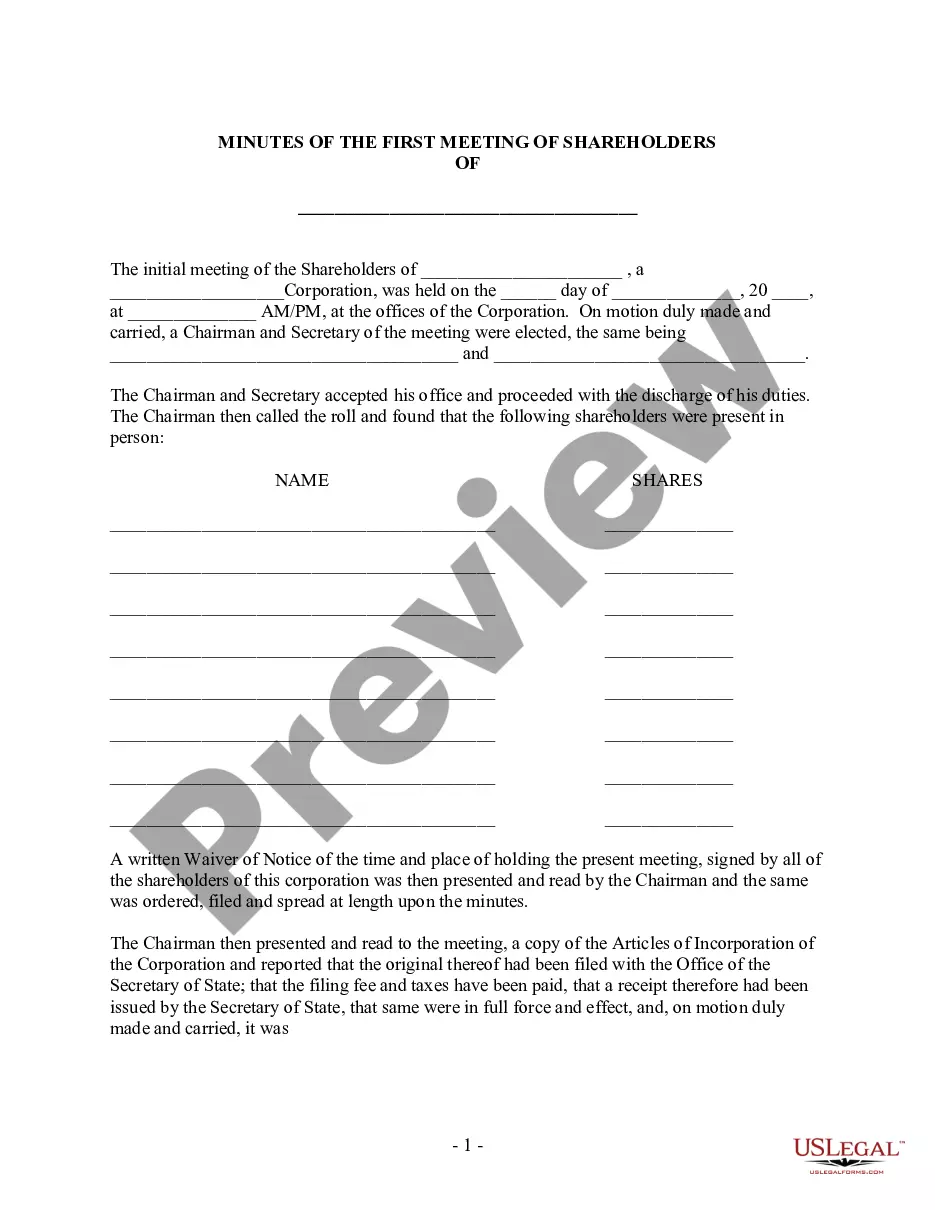

Get your form ready online
Our built-in tools help you complete, sign, share, and store your documents in one place.
Make edits, fill in missing information, and update formatting in US Legal Forms—just like you would in MS Word.
Download a copy, print it, send it by email, or mail it via USPS—whatever works best for your next step.
Sign and collect signatures with our SignNow integration. Send to multiple recipients, set reminders, and more. Go Premium to unlock E-Sign.
If this form requires notarization, complete it online through a secure video call—no need to meet a notary in person or wait for an appointment.
We protect your documents and personal data by following strict security and privacy standards.

Make edits, fill in missing information, and update formatting in US Legal Forms—just like you would in MS Word.

Download a copy, print it, send it by email, or mail it via USPS—whatever works best for your next step.

Sign and collect signatures with our SignNow integration. Send to multiple recipients, set reminders, and more. Go Premium to unlock E-Sign.

If this form requires notarization, complete it online through a secure video call—no need to meet a notary in person or wait for an appointment.

We protect your documents and personal data by following strict security and privacy standards.
Looking for another form?





Form popularity
FAQ
How to Run a Successful Community Association Meeting Announce the meeting in advance. Give your directors information regarding the topics to be discussed prior to the meeting. Be consistent. Create an agenda. Avoid surprises. Be prepared for controversy.
The board president has the authority and responsibility to set the agenda. Regardless of the outcome, it's best to let your homeowners know that you appreciate their suggestion and carefully consider it. Here's what to do with homeowner input: Add their suggestions to the current meeting's agenda.
Conducting an HOA Meeting Start the meeting on time. Begin with a roll call to ensure all Board members are present. Discuss the items on the agenda in the order they are listed. Encourage all members to participate in the discussion. Stay on topic and avoid discussing items that are not on the agenda.
Failure to Follow Open Meeting Laws: Open meeting laws mandate that meetings be accessible to the public or community members. Violating these laws, such as by conducting business in secret or excluding members from discussions that should be open, constitutes an illegal meeting.
Is recording HOA meetings legal or not? It depends on where your association is located. States like California, Florida, and Pennsylvania have two-party consent laws, which means that all parties involved must consent to the recording. If there is no consent, it is illegal.
Is recording HOA meetings legal or not? It depends on where your association is located. States like California, Florida, and Pennsylvania have two-party consent laws, which means that all parties involved must consent to the recording. If there is no consent, it is illegal.
It may be helpful to record board meetings, other leadership meetings, or even organizational membership meetings, such as in case of any disagreement over what happened or to help a secretary prepare minutes. Such recording should never become a substitute for written minutes, but rather only serve as an aid.
Section 4900 of the Act says that all HOA board meetings must be open to all association members, with a few exceptions for private sessions. In California, executive sessions are closed-door talks that only board members, and certain other people can attend.
Unless an association's governing documents provide otherwise, the rights to attend board meetings which are provided for in the Open Meeting Act are reserved for the association's members. (Civ. Code § 4925.) A member's right to attend board meetings extends to open meetings, not executive session meetings.
Many board members participate in informal meetings, unknowingly or otherwise. Social gatherings are particularly common events where informal meetings happen. Because informal or “working” meetings are not always permitted by law or by the governing documents, participating in them can be a slippery slope.
