Letter Acceptance Job Application With Resume Class 12 In Virginia
Description

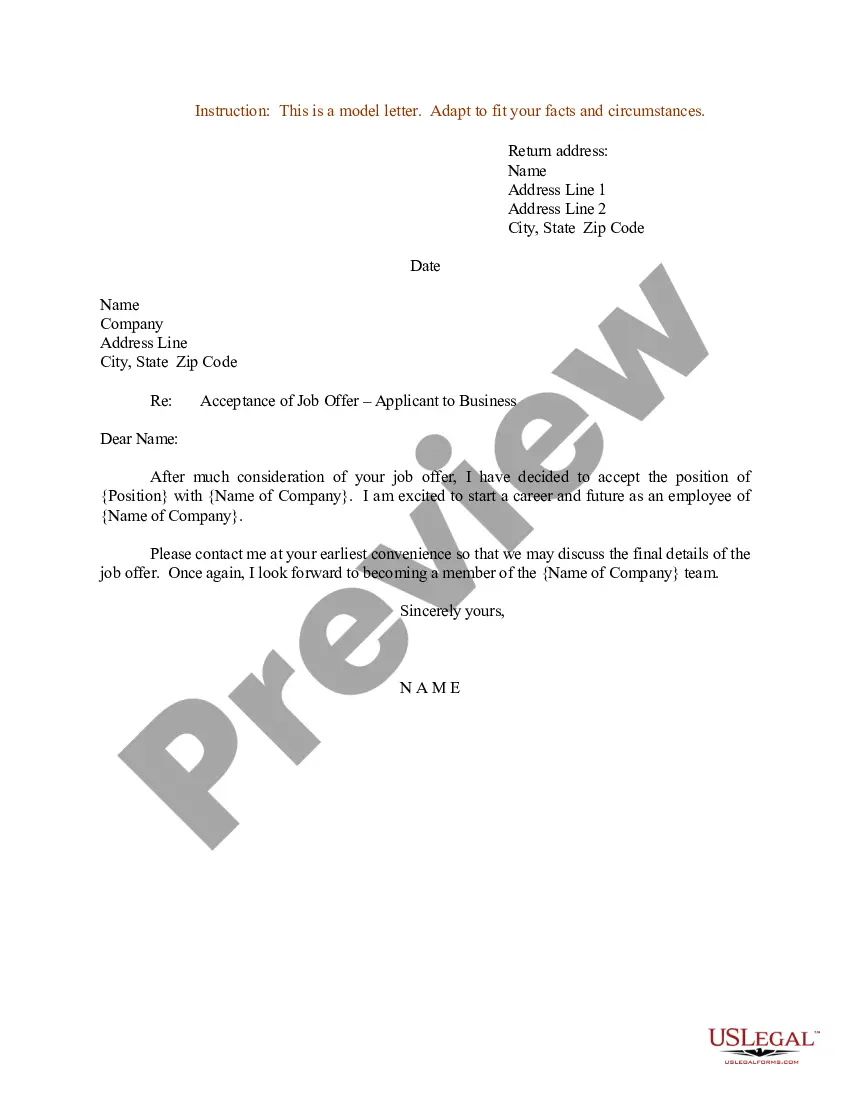
Get your form ready online
Our built-in tools help you complete, sign, share, and store your documents in one place.
Make edits, fill in missing information, and update formatting in US Legal Forms—just like you would in MS Word.
Download a copy, print it, send it by email, or mail it via USPS—whatever works best for your next step.
Sign and collect signatures with our SignNow integration. Send to multiple recipients, set reminders, and more. Go Premium to unlock E-Sign.
If this form requires notarization, complete it online through a secure video call—no need to meet a notary in person or wait for an appointment.
We protect your documents and personal data by following strict security and privacy standards.

Make edits, fill in missing information, and update formatting in US Legal Forms—just like you would in MS Word.

Download a copy, print it, send it by email, or mail it via USPS—whatever works best for your next step.

Sign and collect signatures with our SignNow integration. Send to multiple recipients, set reminders, and more. Go Premium to unlock E-Sign.

If this form requires notarization, complete it online through a secure video call—no need to meet a notary in person or wait for an appointment.

We protect your documents and personal data by following strict security and privacy standards.
Looking for another form?





Form popularity
FAQ
How to Submit Your Resume to Employers Start by posting your resume to career websites. Submit a resume to a company that hasn't solicited your information. Email your resume to potential employers. Mailing a paper resume. Submit your resume and wait for the call.
Here are the 7 key elements for a resume mail format: 1) A Clear Subject Line. 2) Greetings. 3) Self Introduction and Objectives. 4) Reasons for Applying and Your Accomplishments. 5) Proposal to Meet in Person. 6) Attached Resume. 7) Professional Signature with Contact Details. Job application email sample #1.
How to write a job application email Write a clear subject line. Include a salutation. Introduce yourself in the first sentence. Turn your cover letter into the body of your email. Close with details. Sign your email. Attach your materials. Proofread before you hit “send.”
How to write a letter of acceptance Address the letter to the recruiter. Express your gratitude for the offer. Confirm the terms of employment. Format your letter appropriately. Proofread your letter. Send your letter and follow up with the recruiter.
How to email a resume Follow instructions. Attach a file. Write a clear subject line. Consider adding a cover letter. Send from a professional email address. Conclude with a proper signature. Proofread and send a test email.
How to create a professional resume Choose the right format. Include your name and contact information. Tailor your resume for each position. Add a resume summary or objective. List your soft and hard skills. Detail your professional history. Include an education section. Consider adding optional sections.
The letter should have the sender's address, date, receiver's address, subject, salutation, body in 2-3 paragraphs, complimentary close and signature. The CV consists of personal details, qualifications, work experience, achievements, languages known, skills and references.
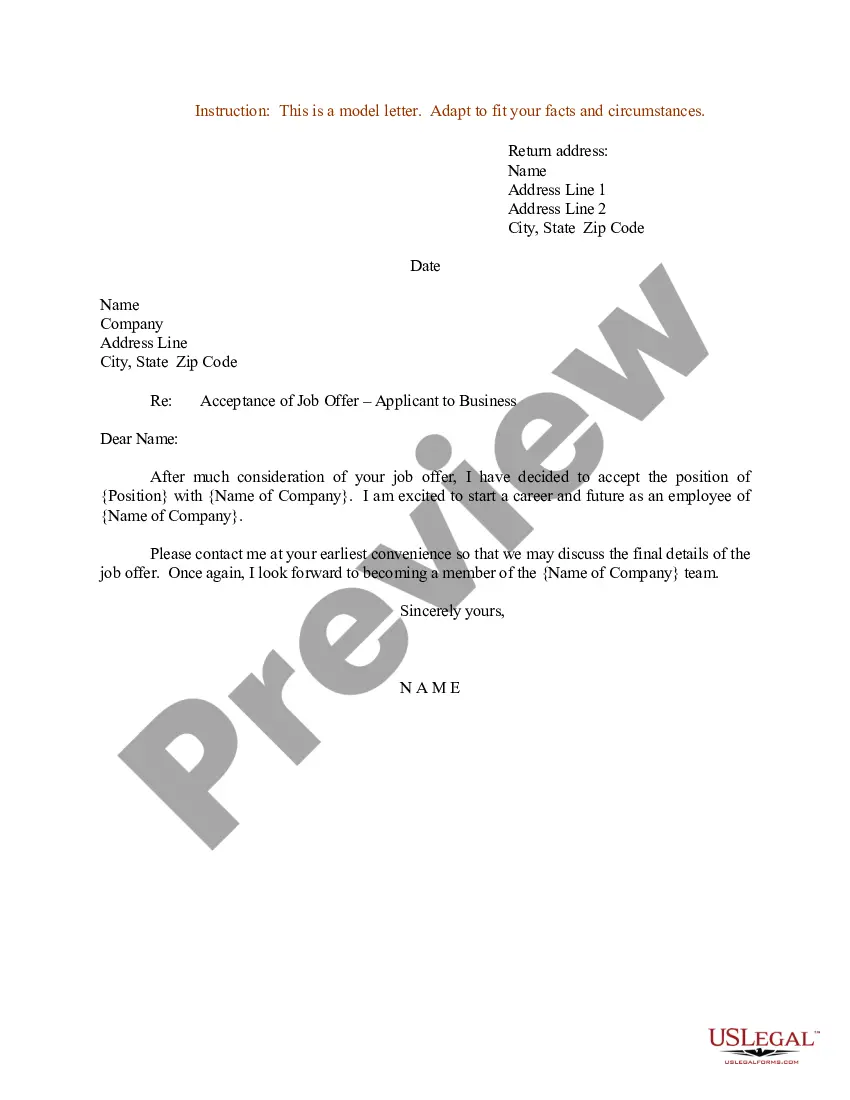
I would like to confirm my acceptance of the position, with a start date of Start Date, as discussed. I am excited about starting work and confirming the start date. I appreciate the terms outlined in the offer letter, including the salary, benefits, and other conditions of employment.
Dear (Employer's Name), Thank you for offering me the position of (Job Title) at (Company Name). I am delighted and grateful to accept this offer and I look forward to joining your team. I appreciate the opportunity you have given me to work with such a reputable and respected organization.
How To Write An Offer Letter Acceptance Email Review your job offer. Read your job offer carefully. Start drafting your email. Write a concise subject line. Address your email to the right person. Express gratitude. Make a formal statement of acceptance. Conclude and sign. Format your email.
