Sample Job Offer Letter For Canada Immigration In Travis
Description

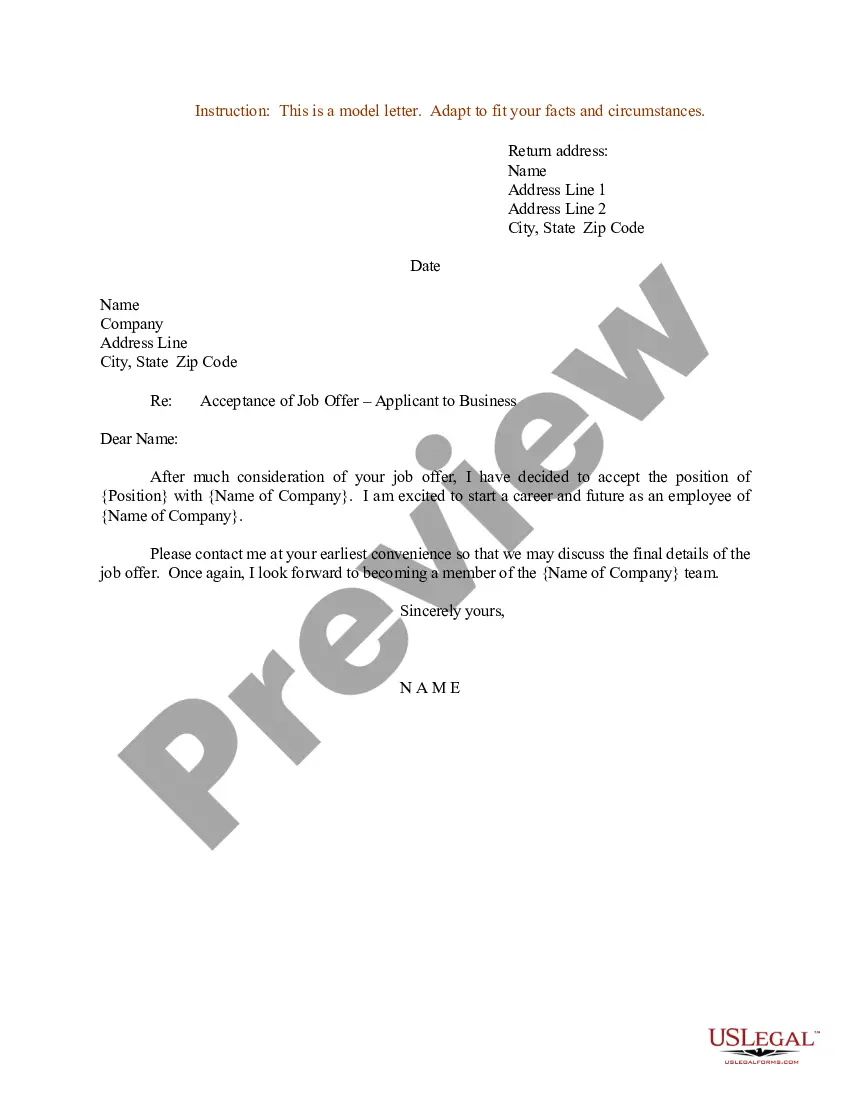
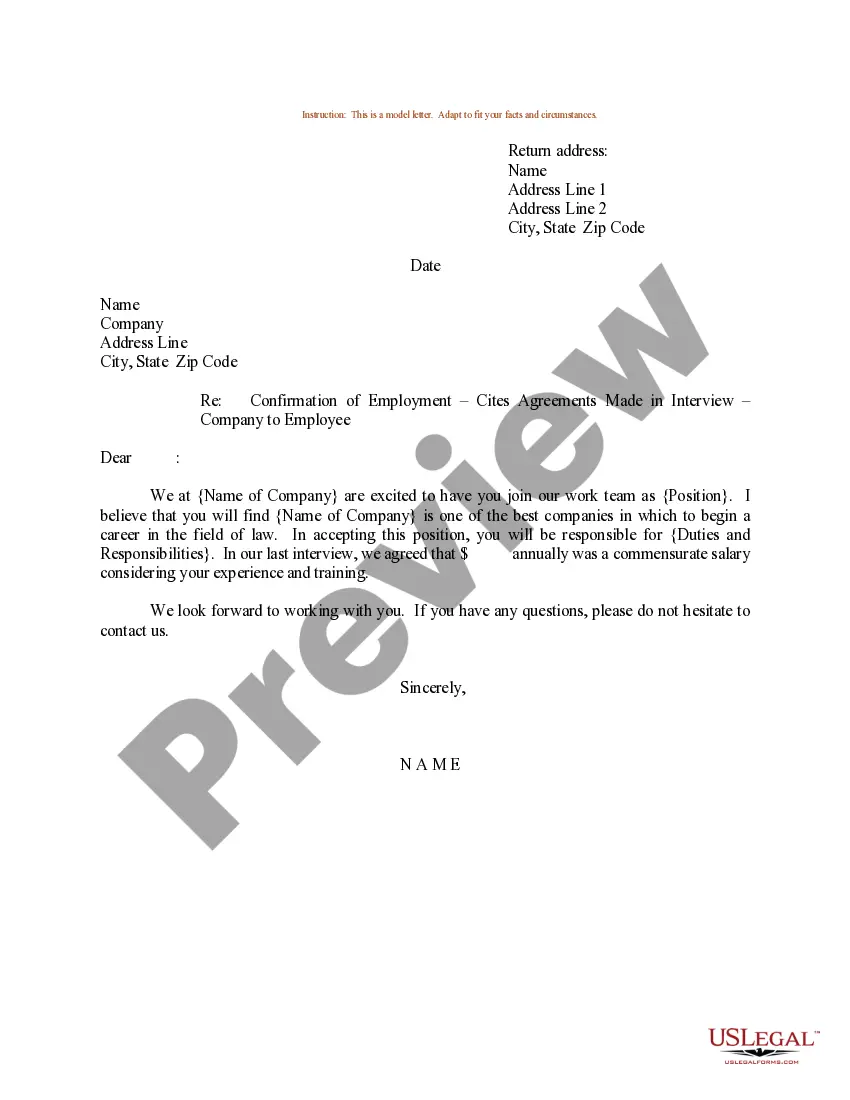
Get your form ready online
Our built-in tools help you complete, sign, share, and store your documents in one place.
Make edits, fill in missing information, and update formatting in US Legal Forms—just like you would in MS Word.
Download a copy, print it, send it by email, or mail it via USPS—whatever works best for your next step.
Sign and collect signatures with our SignNow integration. Send to multiple recipients, set reminders, and more. Go Premium to unlock E-Sign.
If this form requires notarization, complete it online through a secure video call—no need to meet a notary in person or wait for an appointment.
We protect your documents and personal data by following strict security and privacy standards.

Make edits, fill in missing information, and update formatting in US Legal Forms—just like you would in MS Word.

Download a copy, print it, send it by email, or mail it via USPS—whatever works best for your next step.

Sign and collect signatures with our SignNow integration. Send to multiple recipients, set reminders, and more. Go Premium to unlock E-Sign.

If this form requires notarization, complete it online through a secure video call—no need to meet a notary in person or wait for an appointment.

We protect your documents and personal data by following strict security and privacy standards.
Looking for another form?









Form popularity
FAQ
In the letter it should include the following components: Date of the letter written. Start date of employment. Employee's work status, whether full-time or part-time. Position in the company or title. Description of position/responsibilities. Wages earned (annual salary or hourly wage)
In the letter it should include the following components: Date of the letter written. Start date of employment. Employee's work status, whether full-time or part-time. Position in the company or title. Description of position/responsibilities. Wages earned (annual salary or hourly wage)
Introduce yourself and provide your own citizenship/immigration status. Establish your relationship with the applicant. Describe the applicant's personality traits with supporting examples. Write in a narrative format to support the purpose of the letter.
If you apply for a study permit online, you can submit a scanned copy of your LOA. For paper-based applications, you must submit the original LOA issued by your university or college. It can take up to 12 weeks for your study permit application to be processed, not including the time needed to submit your biometrics.
Any employment reference letters you submit as part of your immigration application must include the following: Your name. Employer's name. The start and end dates of your employment. Your job title. The job duties you held at the company.
Clearly state the job title and position being offered. Include the key details of the offer, such as salary, benefits and any additional compensation. Outline the start date and working hours, including full-time, part-time, contract or internship duration.
Assuming you're a Canadian citizen or a Canadian permanent resident, the process is simple. You find a company that's hiring, you submit your resume, attendant reviews when called, submit references when requested and then receive an offer if one is extended.
A good Letter of Explanation (LoE) for a study permit application should be clear and concise and provide relevant information to support the applicant's case. It should have an introduction, a main body, and a closing. Use a formal tone and maintain appropriate formatting throughout the letter.

