Admission Letter For Form One In Texas
Description

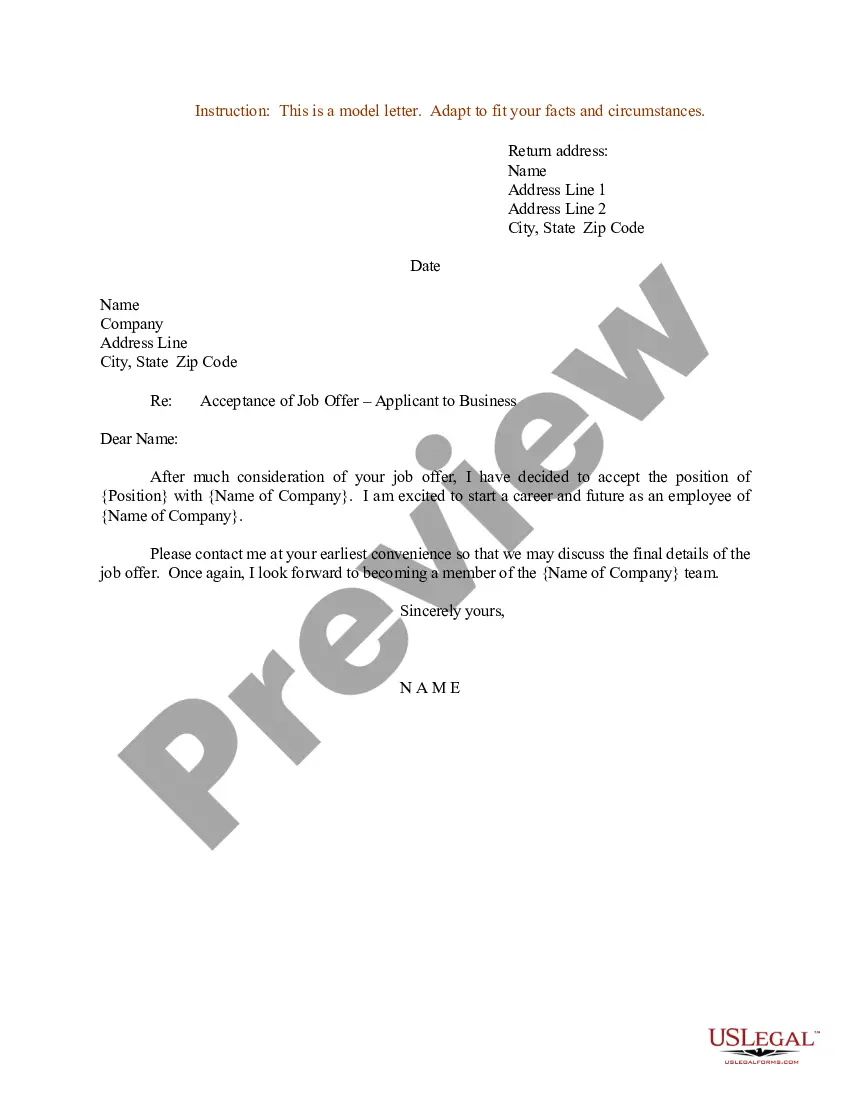
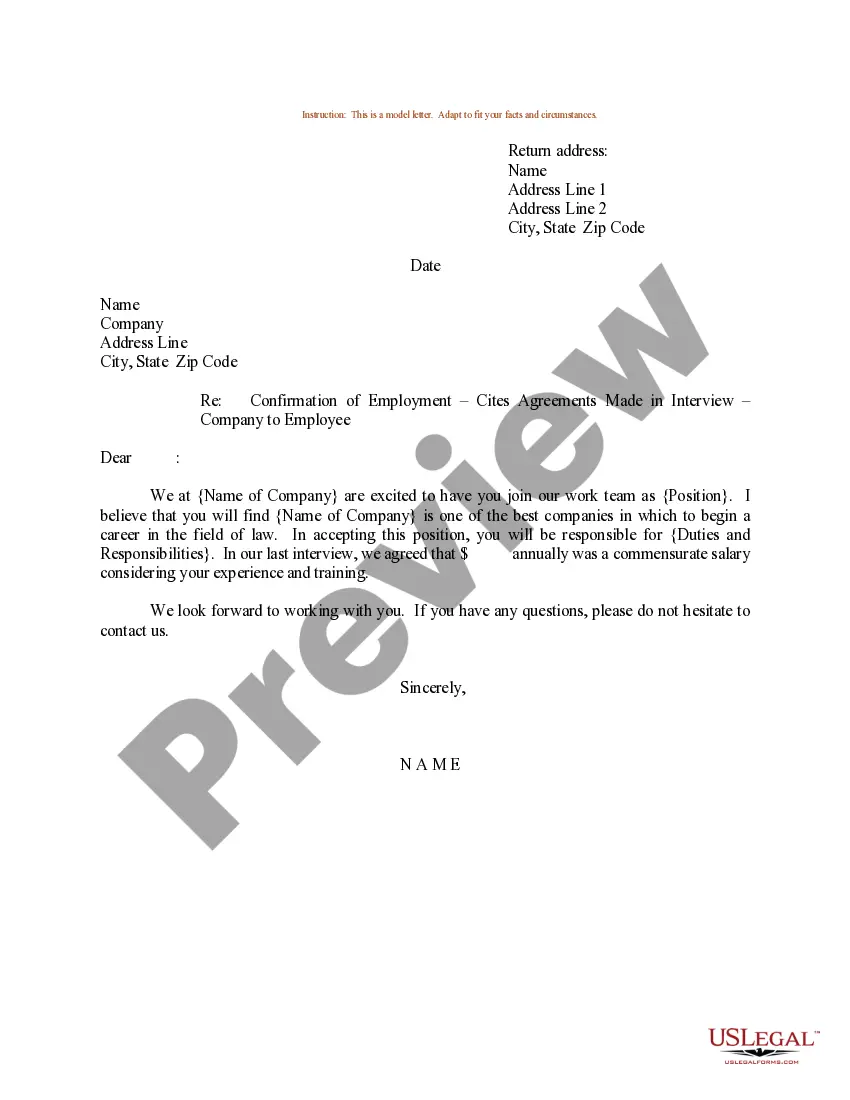
Get your form ready online
Our built-in tools help you complete, sign, share, and store your documents in one place.
Make edits, fill in missing information, and update formatting in US Legal Forms—just like you would in MS Word.
Download a copy, print it, send it by email, or mail it via USPS—whatever works best for your next step.
Sign and collect signatures with our SignNow integration. Send to multiple recipients, set reminders, and more. Go Premium to unlock E-Sign.
If this form requires notarization, complete it online through a secure video call—no need to meet a notary in person or wait for an appointment.
We protect your documents and personal data by following strict security and privacy standards.

Make edits, fill in missing information, and update formatting in US Legal Forms—just like you would in MS Word.

Download a copy, print it, send it by email, or mail it via USPS—whatever works best for your next step.

Sign and collect signatures with our SignNow integration. Send to multiple recipients, set reminders, and more. Go Premium to unlock E-Sign.

If this form requires notarization, complete it online through a secure video call—no need to meet a notary in person or wait for an appointment.

We protect your documents and personal data by following strict security and privacy standards.
Looking for another form?










Form popularity
FAQ
These letters provide information on enrollment procedures, specific school admittance details, and can include merit scholarships and more information about when to expect financial aid packages. They are much more than just a simple offer of admission.
Key takeaways: The admission letter highlights your interest for a program, potentially boosting your chances of admission. Include your details, date, greeting, purpose, reasons, conclusion, and sign-off. Write a concise and specific admission letter that highlights your fit, uniqueness, and enthusiasm for the college.
Acceptance letters are the admission letters that everyone wants to receive. These letters may include information about next steps, deadlines, scholarships and awards, special programs, and more. You may receive admission to more than one college.
An official letter in which the university offers you a place in one of their courses.
An admissions letter is a note that colleges and other programs send to notify students that they earned acceptance. The letter congratulates students on their admission and shares basic details about their admittance into the program.
Acceptance letters are the admission letters that everyone wants to receive. These letters may include information about next steps, deadlines, scholarships and awards, special programs, and more. You may receive admission to more than one college.
Students using Apply Texas: (State Schools) If a state school requires/ allows a letter of recommendation, this should be done by your teacher, and it will be mailed or sent electronically.
A cover letter is a document that introduces you to a prospective employer. Your cover letter (along with your resume) is an important part of your application. Your cover letter should not be a restatement of the entire resume.
If you received your college acceptance letter via email, you can respond directly to that email. If the letter was sent through direct mail, consider replying with a physical letter. The college admissions board often specifies their preferred method of communication in the acceptance letter.
An admissions letter is a note that colleges and other programs send to notify students that they earned acceptance. The letter congratulates students on their admission and shares basic details about their admittance into the program.

