Letter To Accept School Offer In Phoenix
Description
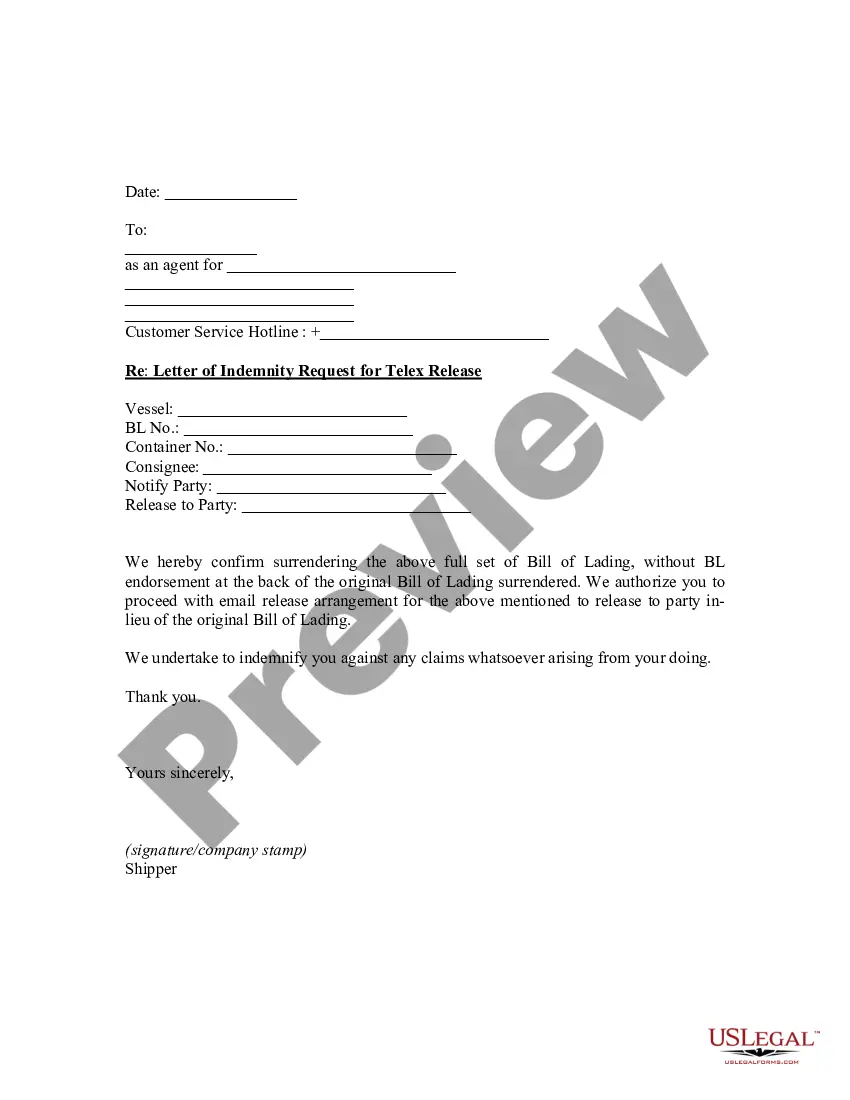
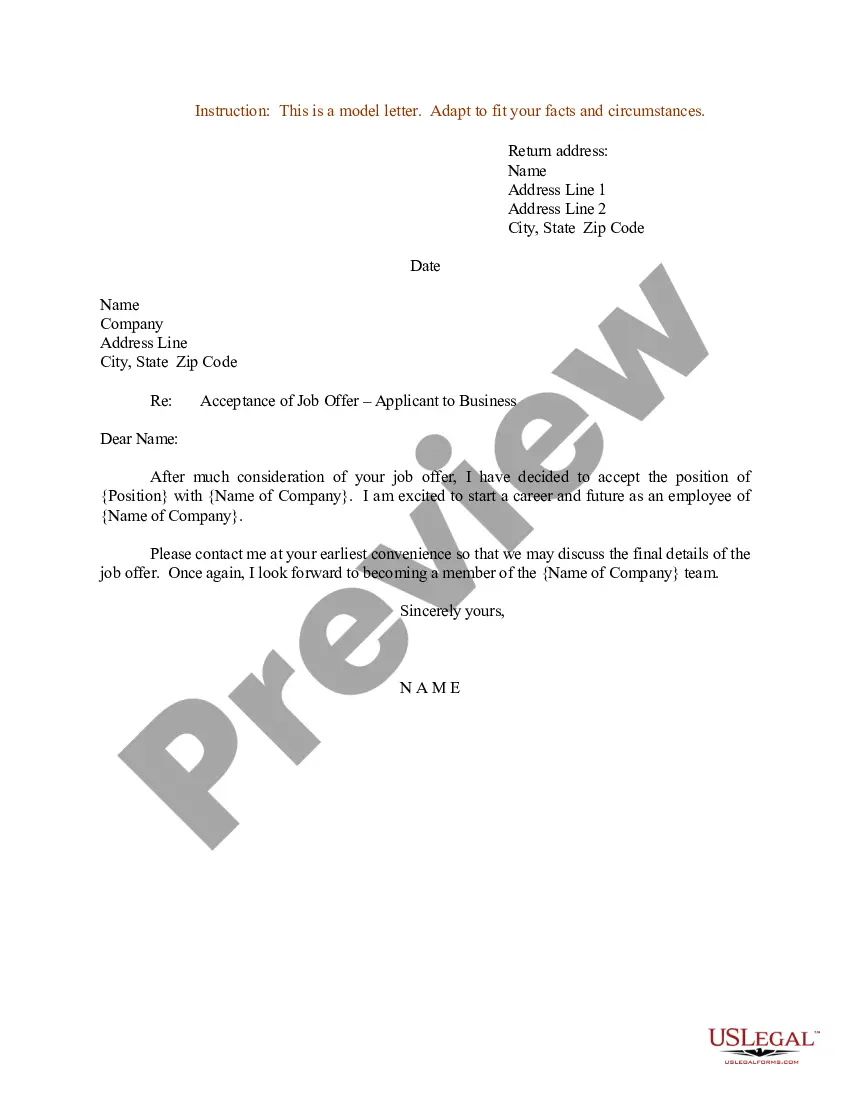
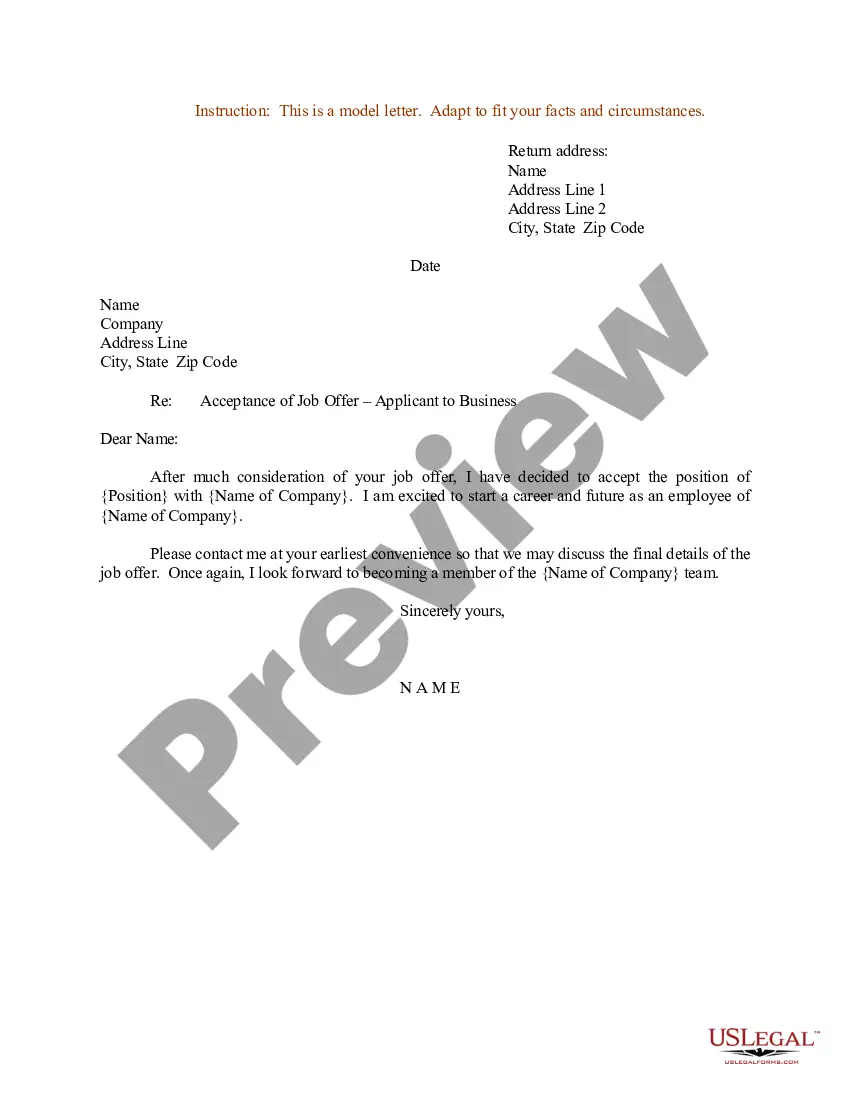
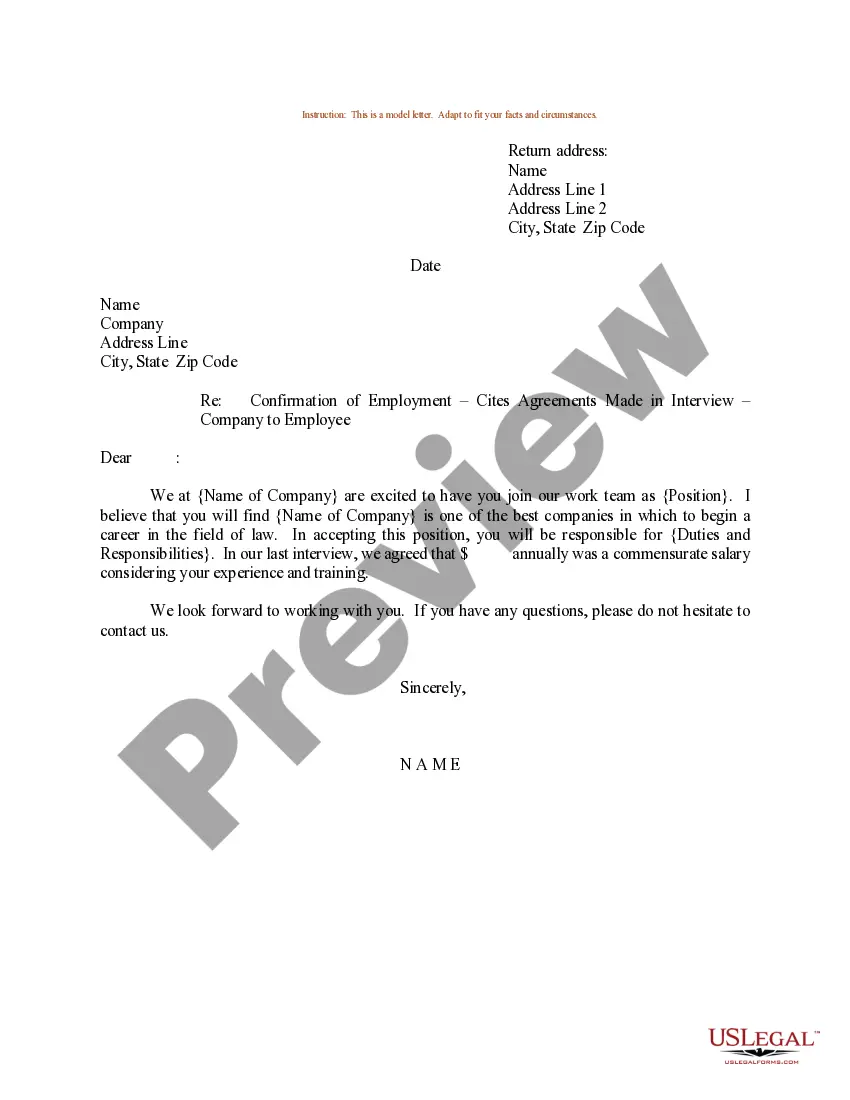
Get your form ready online
Our built-in tools help you complete, sign, share, and store your documents in one place.
Make edits, fill in missing information, and update formatting in US Legal Forms—just like you would in MS Word.
Download a copy, print it, send it by email, or mail it via USPS—whatever works best for your next step.
Sign and collect signatures with our SignNow integration. Send to multiple recipients, set reminders, and more. Go Premium to unlock E-Sign.
If this form requires notarization, complete it online through a secure video call—no need to meet a notary in person or wait for an appointment.
We protect your documents and personal data by following strict security and privacy standards.

Make edits, fill in missing information, and update formatting in US Legal Forms—just like you would in MS Word.

Download a copy, print it, send it by email, or mail it via USPS—whatever works best for your next step.

Sign and collect signatures with our SignNow integration. Send to multiple recipients, set reminders, and more. Go Premium to unlock E-Sign.

If this form requires notarization, complete it online through a secure video call—no need to meet a notary in person or wait for an appointment.

We protect your documents and personal data by following strict security and privacy standards.
Looking for another form?






Form popularity
FAQ
Even though you submit your Early Action, Early Decision, and Regular Decision college applications online, most colleges will still mail you an official college acceptance letter.
There are three ways you'll receive your letter of acceptance: by mail, email, or on your online portal. How schools choose to tell students about their university entry will vary. Check with your school's office of admissions to see when and how you'll get your letter of acceptance.
Respond to the college you've decided to attend Make sure to send in the following items, via the online student portal or through email, by the deadline: Your acceptance letter. A deposit. A separate acceptance letter for financial aid if required.
Some students are being accepted into Arizona colleges without even applying. It's not a mistake — it's part of a program aimed at getting more qualified students into higher education.
Students usually receive acceptance letters through traditional mail, email, or as an update on your college application portal set up by the college. When applying to schools, keep track of how the school handles this process.
How do I know if I've been accepted to college? Hang in there—you'll know soon enough! Colleges that accept you will usually notify you of your acceptance between mid-March and mid-April, either through an email or as an update on your college application portal.
Consider following these steps to effectively respond to a college acceptance letter: Add your contact information. Create a subject line. Include a professional opening. State your intent to enroll. Thank the recipient. Include a professional closing.
What is an admissions acceptance letter? An admissions letter is a note that colleges and other programs send to notify students that they earned acceptance. The letter congratulates students on their admission and shares basic details about their admittance into the program.
The admission letter highlights your interest for a program, potentially boosting your chances of admission. Include your details, date, greeting, purpose, reasons, conclusion, and sign-off. Write a concise and specific admission letter that highlights your fit, uniqueness, and enthusiasm for the college.

