Job Offer Acceptance Letter Reply With Salary Negotiation In Philadelphia
Description
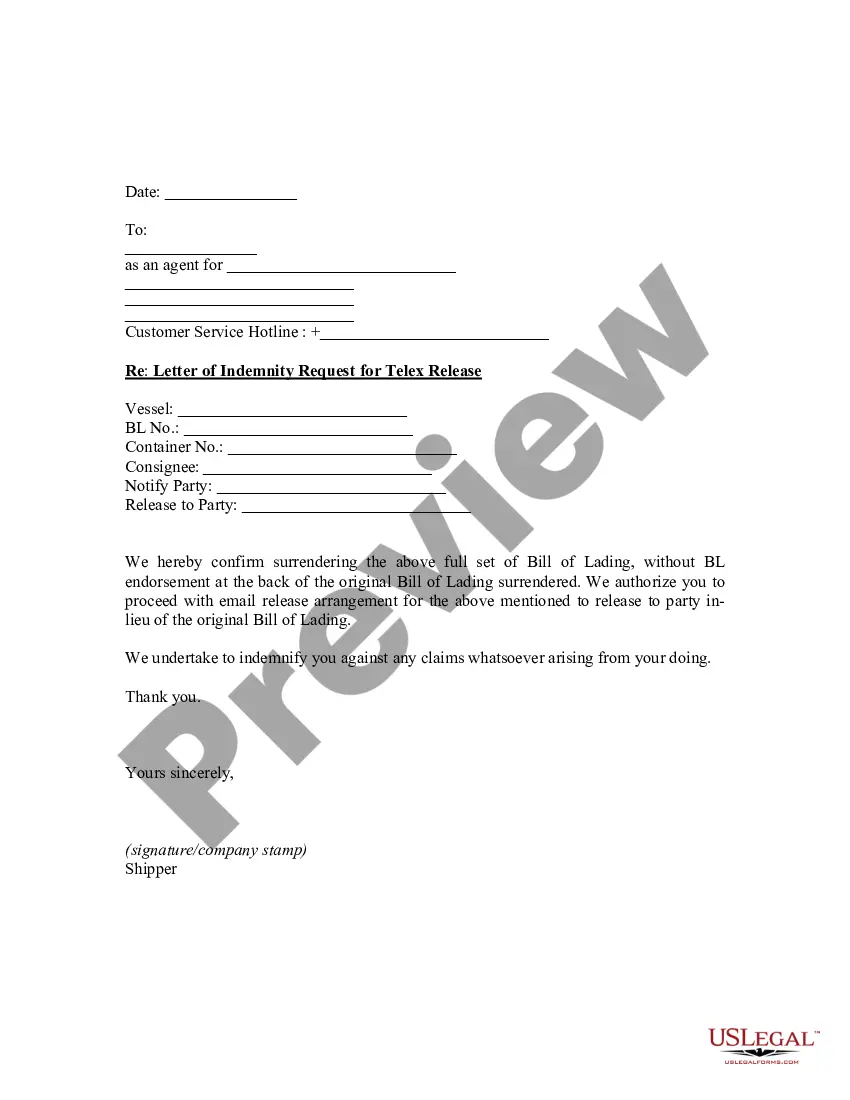
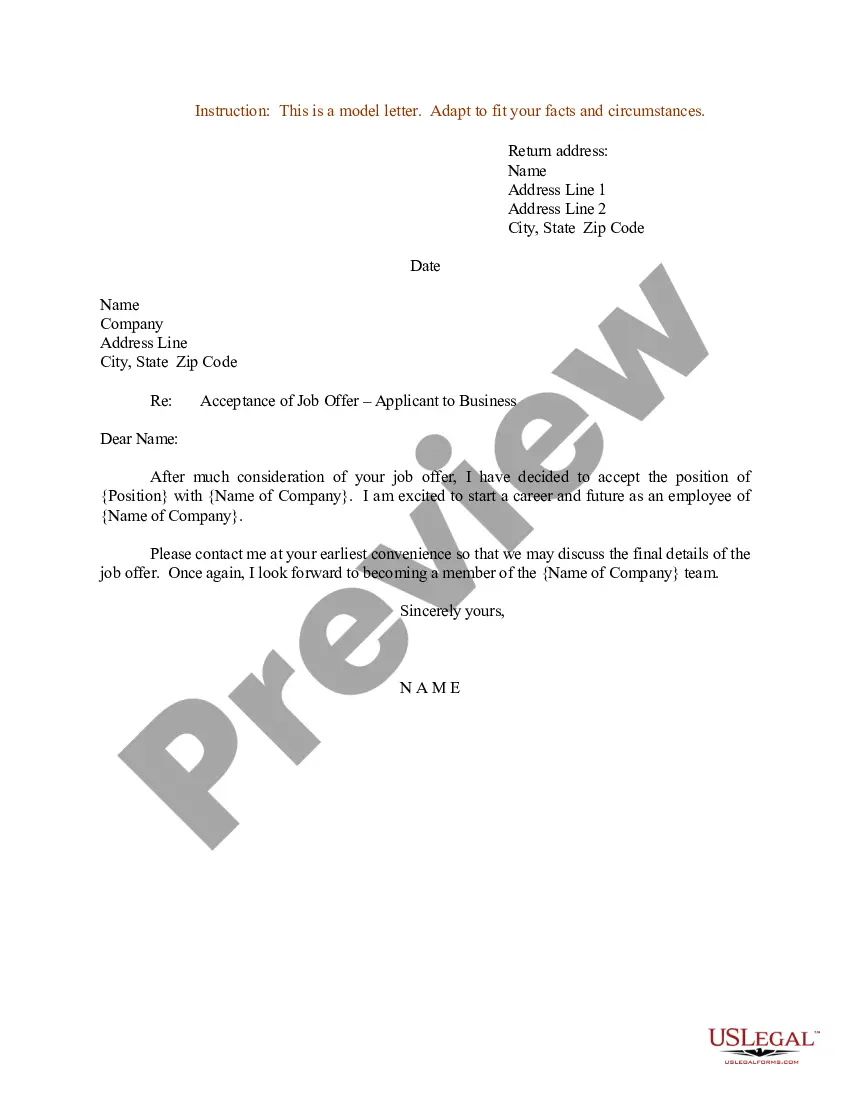
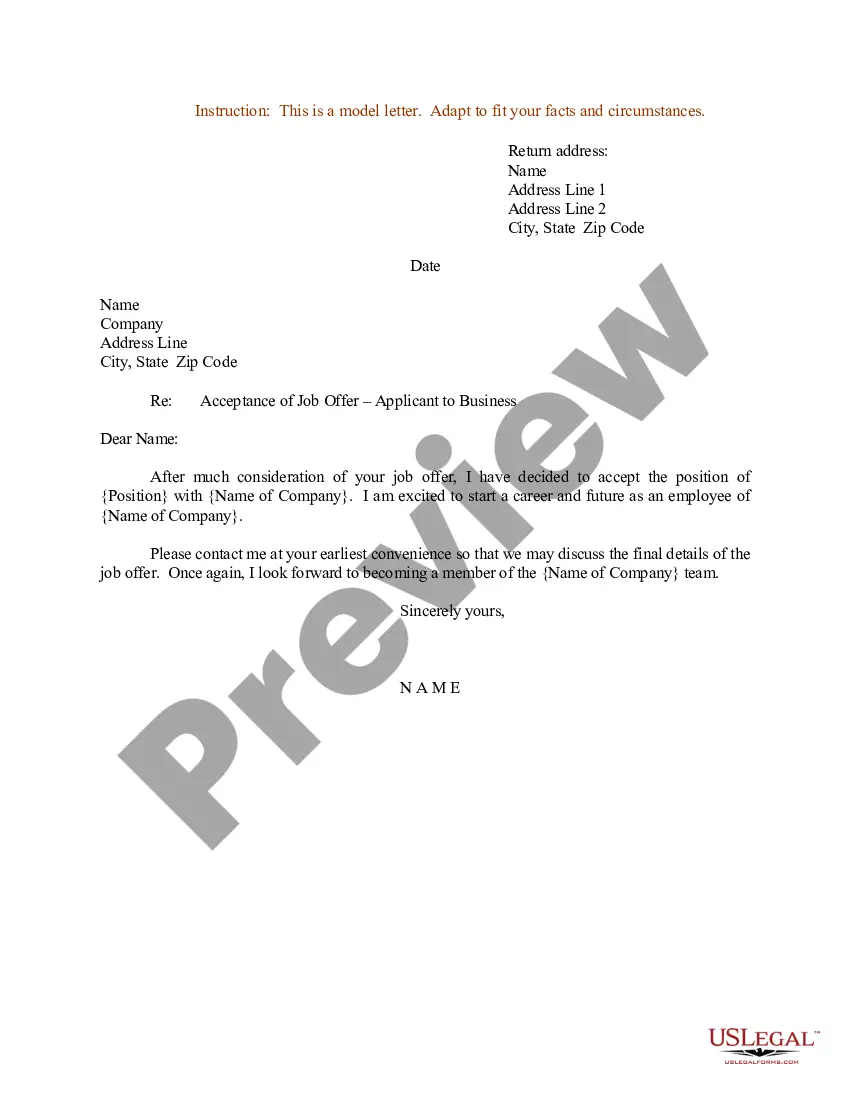
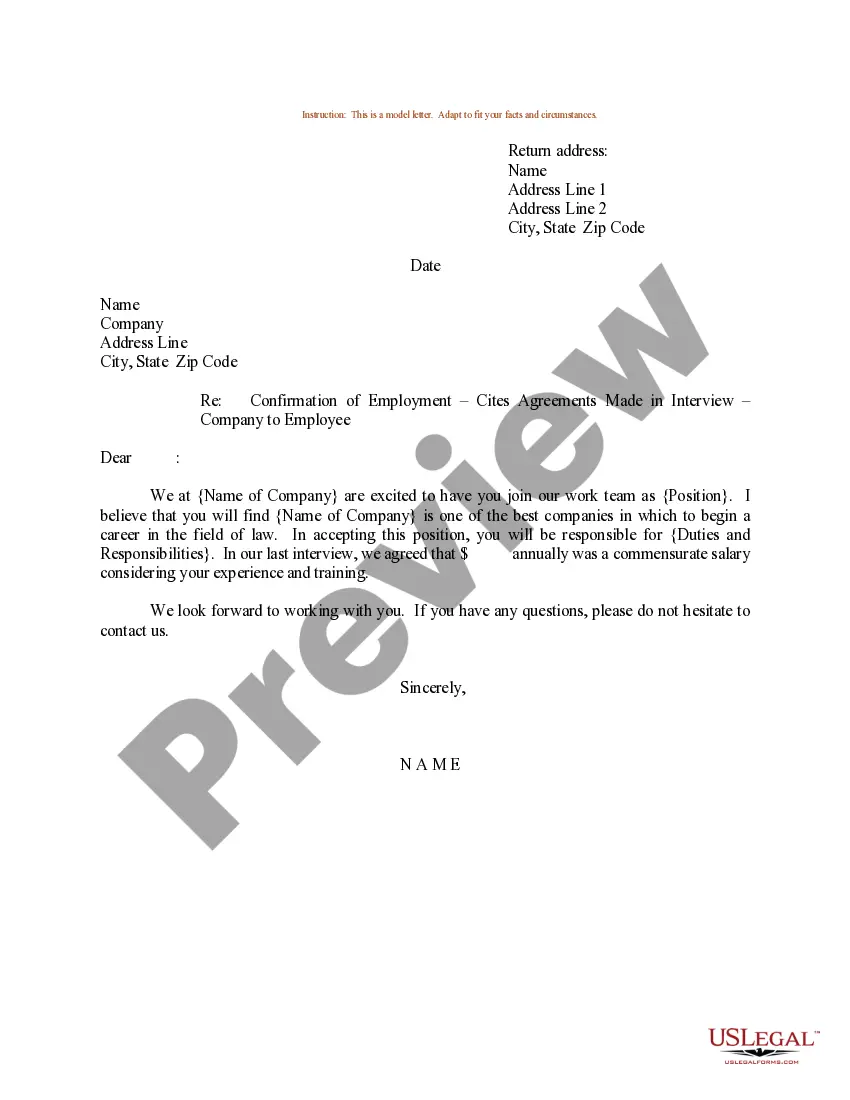
Get your form ready online
Our built-in tools help you complete, sign, share, and store your documents in one place.
Make edits, fill in missing information, and update formatting in US Legal Forms—just like you would in MS Word.
Download a copy, print it, send it by email, or mail it via USPS—whatever works best for your next step.
Sign and collect signatures with our SignNow integration. Send to multiple recipients, set reminders, and more. Go Premium to unlock E-Sign.
If this form requires notarization, complete it online through a secure video call—no need to meet a notary in person or wait for an appointment.
We protect your documents and personal data by following strict security and privacy standards.

Make edits, fill in missing information, and update formatting in US Legal Forms—just like you would in MS Word.

Download a copy, print it, send it by email, or mail it via USPS—whatever works best for your next step.

Sign and collect signatures with our SignNow integration. Send to multiple recipients, set reminders, and more. Go Premium to unlock E-Sign.

If this form requires notarization, complete it online through a secure video call—no need to meet a notary in person or wait for an appointment.

We protect your documents and personal data by following strict security and privacy standards.
Looking for another form?




Form popularity
FAQ
Express appreciation: Start by thanking the employer for considering your salary request and for the opportunity to interview. This maintains a positive tone. Acknowledge their decision: Indicate that you understand and respect their decision, even if you are disappointed. Ask if there is any flexibility: Politely in
If the offer is higher than what I have in mind (usually 40--60% higher than my previous salary), I would thank for the generous offer, say I am happy with it, and negotiate other terms (work hours, flexibility, leaves, etc.) If the offer is lower, I would say something like this: `` Thank you for your offer.
Provide a relevant example from your past that can persuade the hiring manager to increase your income. Outside of income, you can also negotiate benefits, time off or other valuable perks. Put together a few talking points before you contact the employer, and be as specific as possible.
Here is a list of steps on how to respond to a low salary offer: Ask for time. Understand your minimum acceptable salary. Conduct research. Make a plan. Practice negotiations. Show enthusiasm. Negotiate for early performance reviews. Focus on your skills and expertise.
``Thanks so much for the offer--I'm excited about getting started with you! I would like to discuss the offered salary, though. If you could increase the amount by $X. xx I'll accept it immediately and we can begin plans for my first day!''
5 Steps to Respond Effectively to a Low Salary Offer Acknowledge the Offer. Always start by thanking the employer for the offer and expressing your interest in the position. Express Your Salary Concerns. Present Your Case. Research and Present Data. Open the Negotiation.
How to make a salary counteroffer Ask for time to make your decision. Conduct research on industry compensation. Assess your qualifications and experience. Review and evaluate the initial offer. Determine your counteroffer value. Submit your counteroffer. Prepare for the employer's response. Negotiate the offer as needed.
Just say that you're excited for the offer and ask if there's anything they can do to bump up the salary. Don't give a specific number unless you absolutely have to. There's always wiggle room in the first offer because they expect you to negotiate. Don't listen to the people saying it's too late now.

