Letter Acceptance Template With Lines In Ohio
Description

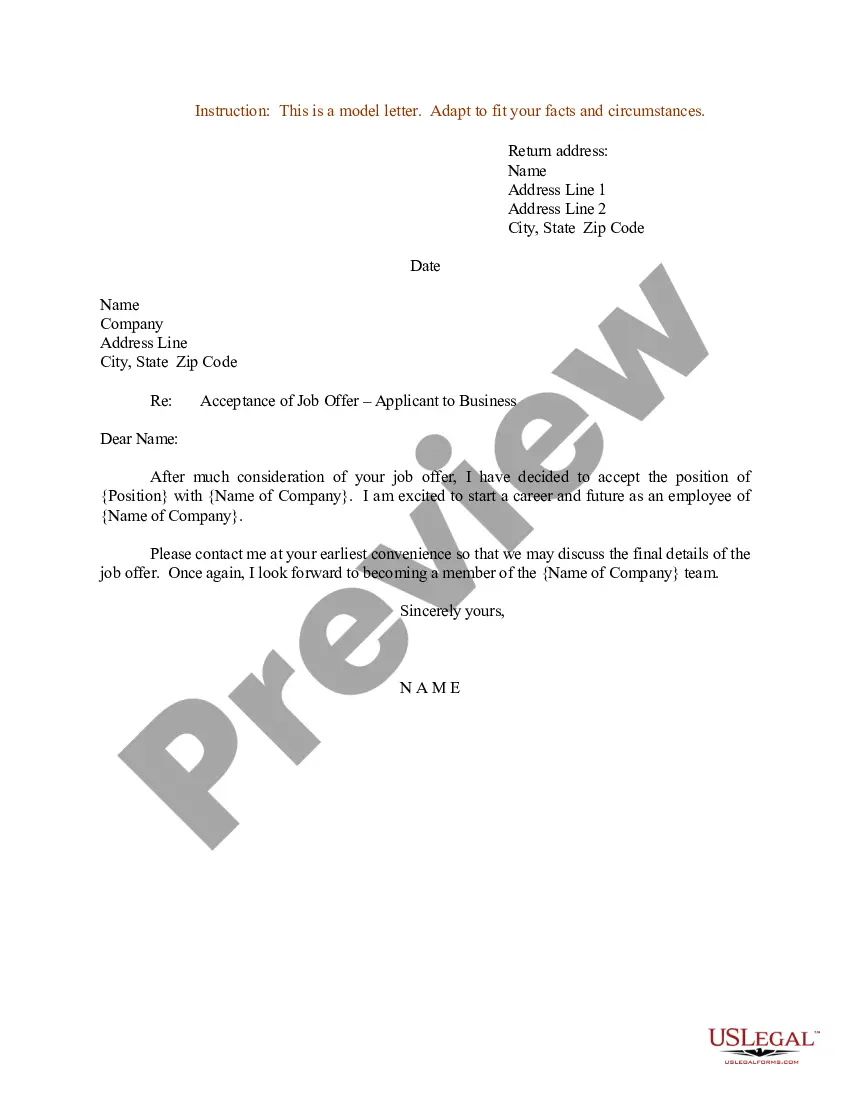
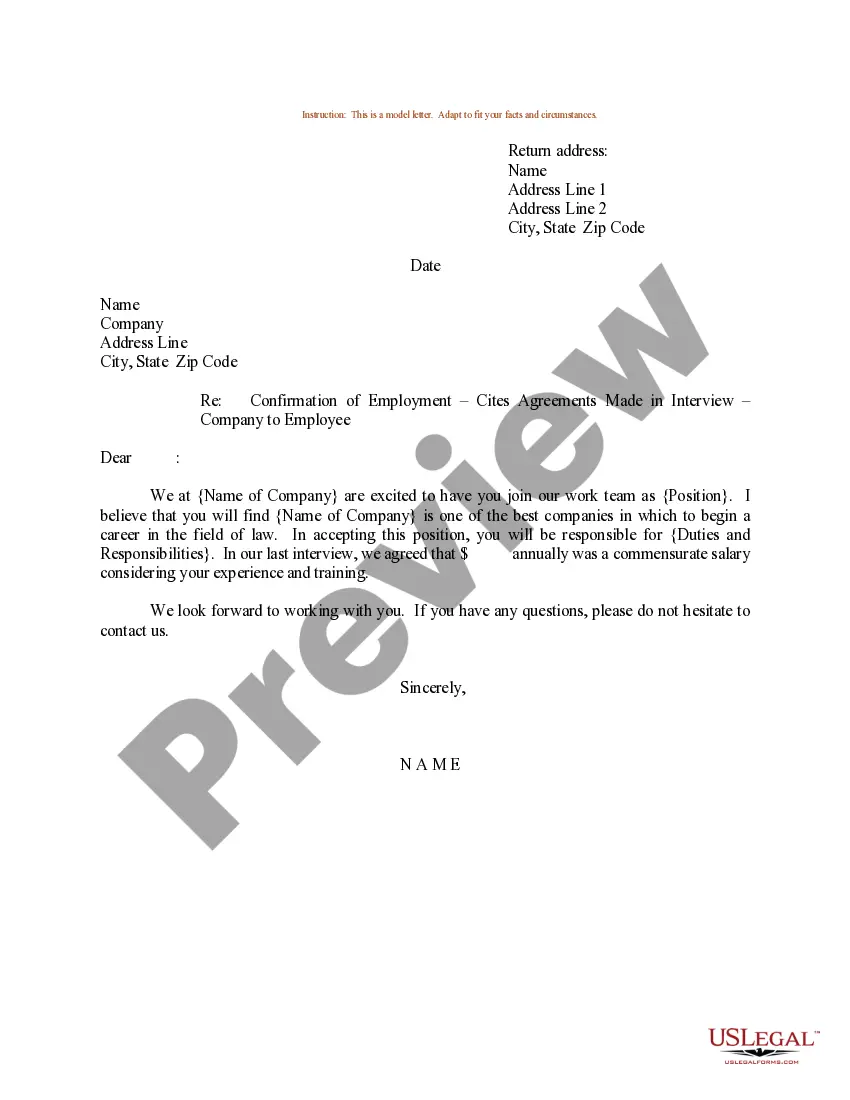
Get your form ready online
Our built-in tools help you complete, sign, share, and store your documents in one place.
Make edits, fill in missing information, and update formatting in US Legal Forms—just like you would in MS Word.
Download a copy, print it, send it by email, or mail it via USPS—whatever works best for your next step.
Sign and collect signatures with our SignNow integration. Send to multiple recipients, set reminders, and more. Go Premium to unlock E-Sign.
If this form requires notarization, complete it online through a secure video call—no need to meet a notary in person or wait for an appointment.
We protect your documents and personal data by following strict security and privacy standards.

Make edits, fill in missing information, and update formatting in US Legal Forms—just like you would in MS Word.

Download a copy, print it, send it by email, or mail it via USPS—whatever works best for your next step.

Sign and collect signatures with our SignNow integration. Send to multiple recipients, set reminders, and more. Go Premium to unlock E-Sign.

If this form requires notarization, complete it online through a secure video call—no need to meet a notary in person or wait for an appointment.

We protect your documents and personal data by following strict security and privacy standards.
Looking for another form?









Form popularity
FAQ
If it is an acknowledgment, then yes, you may notarize it, but you may not notarize an affidavit or other jurat certificate if that document has already been signed, as that requires an oath or affirmation prior to signing.
One of the most common mistakes that notaries make is not printing or signing their name exactly as it appears on their notary commission.
Failure to adminster the oath/affirmation when required is a serious violation of Ohio notary law, and can result in severe penalties! The words "Affidavit", "Sworn to and subscribed" or "Being duly sworn" in the notary certificate are your indication it is a jurat, and that the oath/affirmation is required.
Only when the required notarial act is an acknowledgment—and if all requirements of the notarial act can be met—then yes… a notary may notarize a document that is already signed.
If you're a non-attorney approved to provide a notary service in Ohio, your license will last five years. The state allows you to renew your notary license within three months before your expiration date. If you're wondering how to renew a notary license in Ohio, your first step is straightforward.
(C) A jurat certificate shall state that an oath or affirmation was administered to the signer with regard to the notarial act. (D)(1) A notary public shall not use an acknowledgment certificate with regard to a notarial act in which an oath or affirmation has been administered.
Ohio law only permits a notary public to perform a notarial act while physically located in Ohio. This requirement includes out-of-state notaries public as well as a notary public authorized to perform online notarizations.
Jurat certificates will contain the words, “subscribed and sworn to (or affirmed) before me.” If you have questions about the certificate wording, check your state's Notary handbook or contact the NNA Hotline for help.
These details describe the facts the Notary is certifying in the particular notarization. An example of acknowledgment wording in the body might read: “… On (today's date), (signer name) personally appeared before me and acknowledged executing the document.”
The notarial certificate requires the following: Wording of acknowledgment or jurat; The signature of the notary public; The typed/printed/stamped name of the notary public; The date of the notarial act; The venue where the notarization occurred (county/state); Notary commission's expiration date, if applicable; and.

