Acceptance Letter For Bid In Oakland
Description
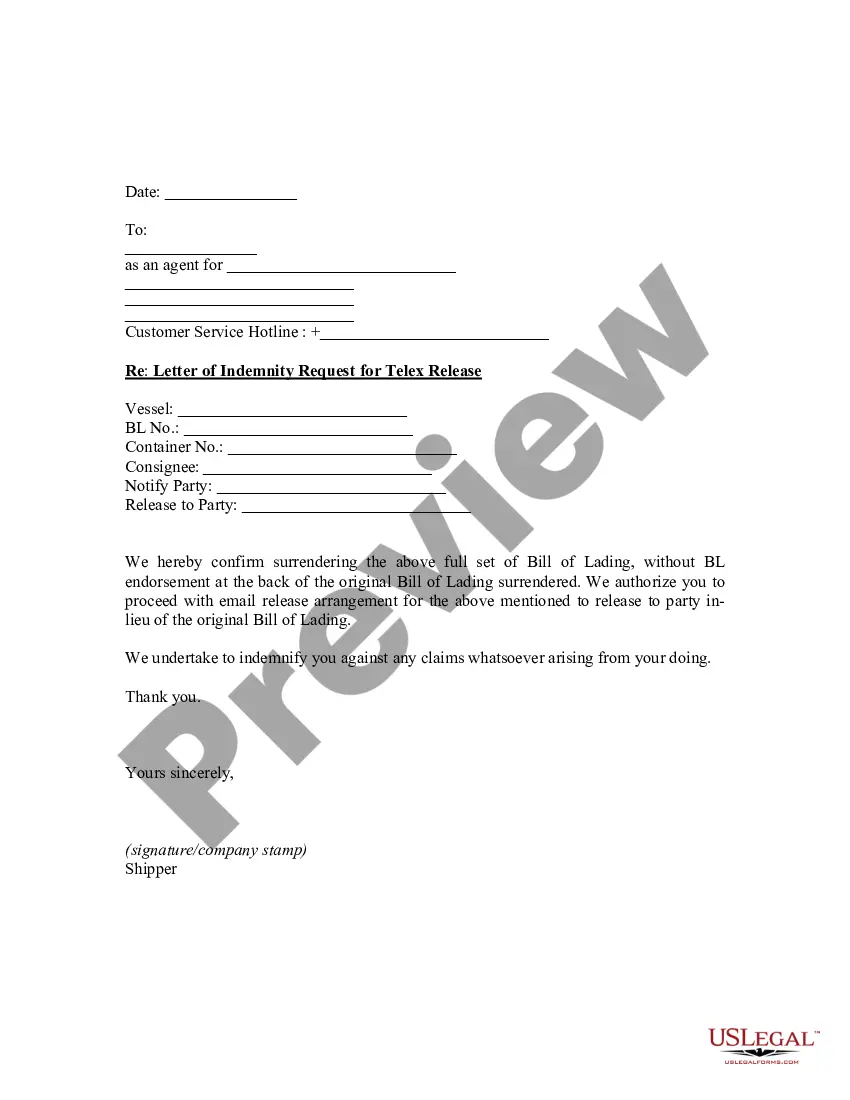
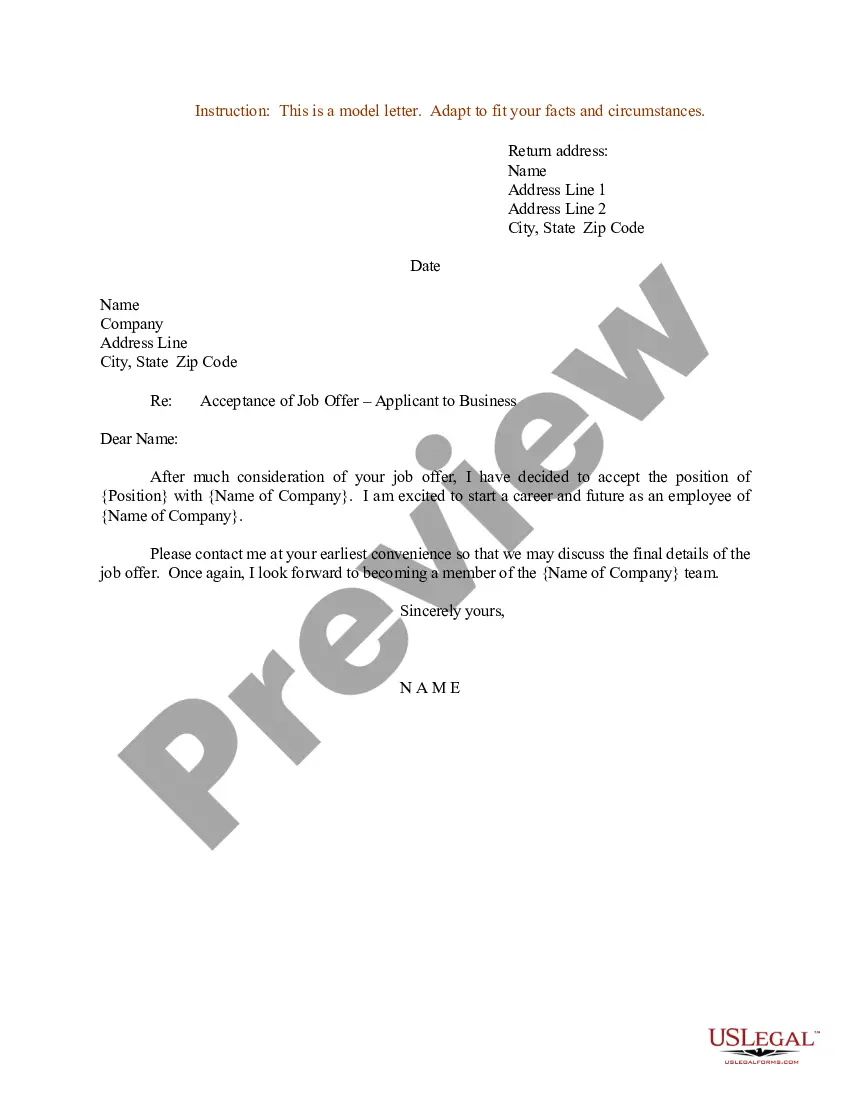
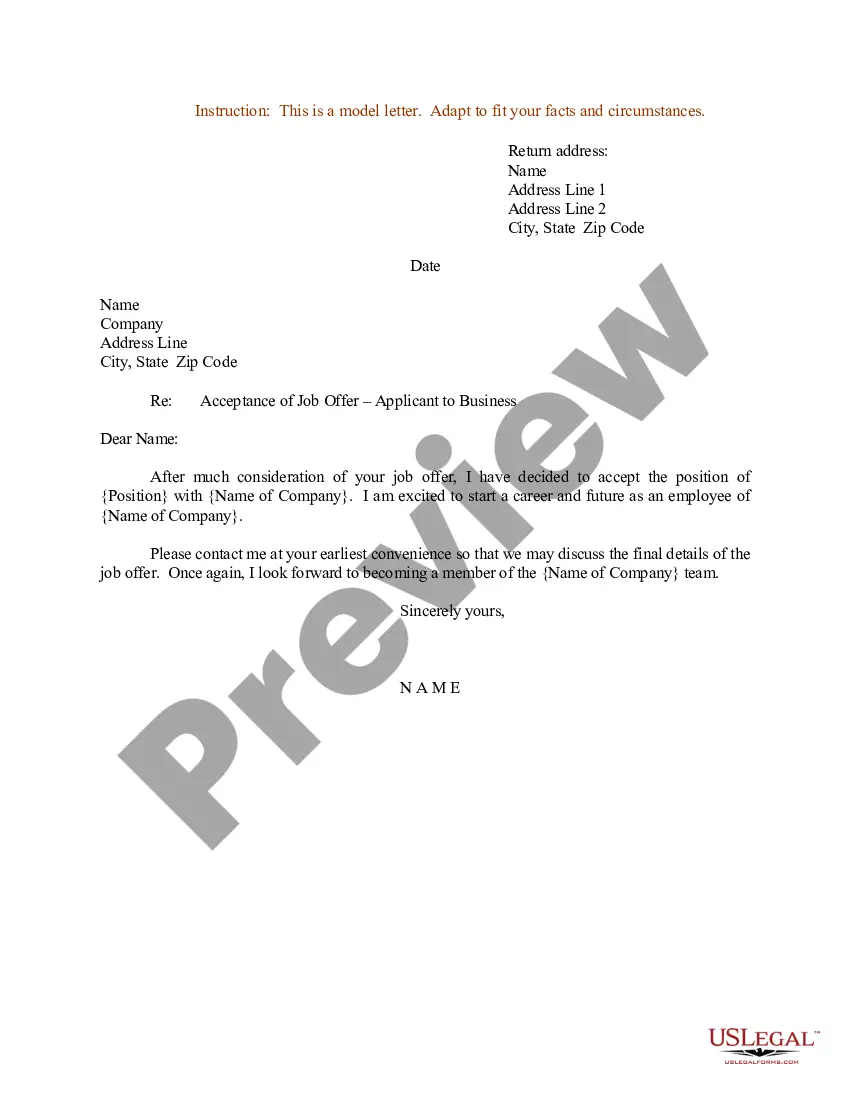
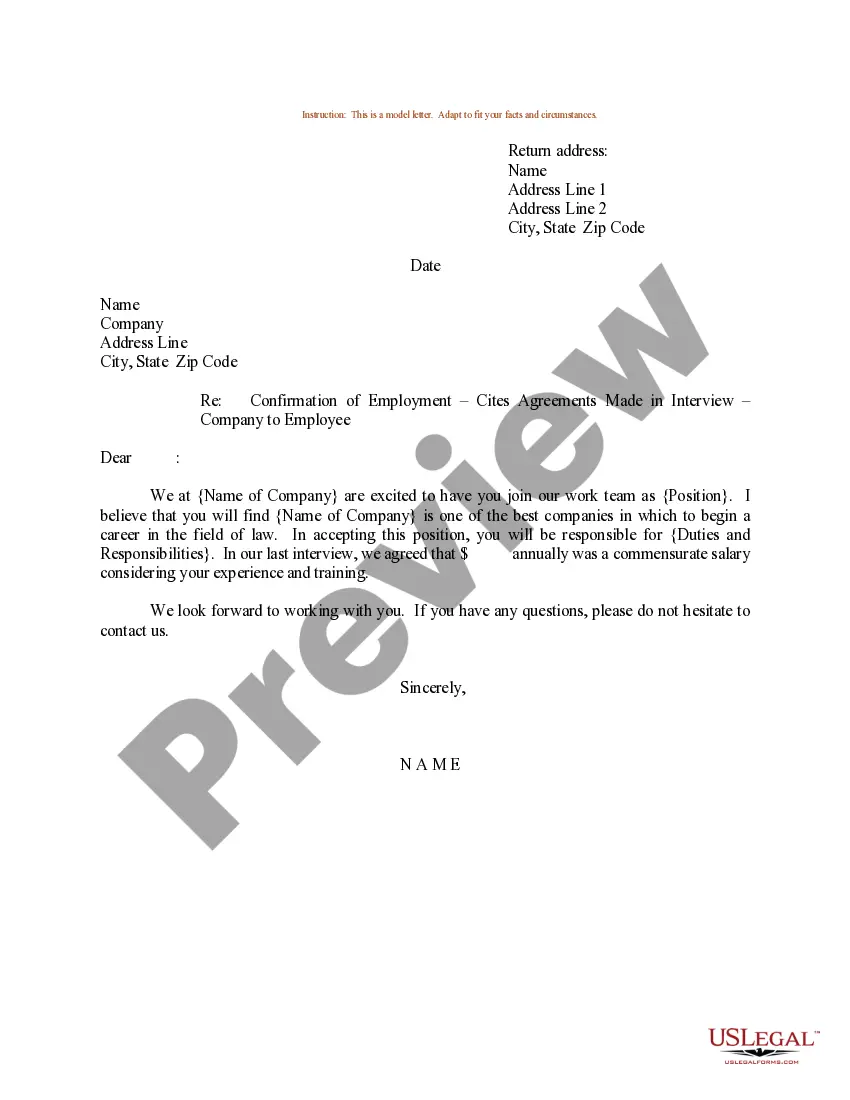
Get your form ready online
Our built-in tools help you complete, sign, share, and store your documents in one place.
Make edits, fill in missing information, and update formatting in US Legal Forms—just like you would in MS Word.
Download a copy, print it, send it by email, or mail it via USPS—whatever works best for your next step.
Sign and collect signatures with our SignNow integration. Send to multiple recipients, set reminders, and more. Go Premium to unlock E-Sign.
If this form requires notarization, complete it online through a secure video call—no need to meet a notary in person or wait for an appointment.
We protect your documents and personal data by following strict security and privacy standards.

Make edits, fill in missing information, and update formatting in US Legal Forms—just like you would in MS Word.

Download a copy, print it, send it by email, or mail it via USPS—whatever works best for your next step.

Sign and collect signatures with our SignNow integration. Send to multiple recipients, set reminders, and more. Go Premium to unlock E-Sign.

If this form requires notarization, complete it online through a secure video call—no need to meet a notary in person or wait for an appointment.

We protect your documents and personal data by following strict security and privacy standards.
Looking for another form?









Form popularity
FAQ
A letter of intent (LOI) is a document declaring the preliminary commitment of one party to do business with another. An LOI outlines the chief terms of a prospective deal and is commonly used in business transactions.
A letter of intent to bid is a formal way for prospective vendors to communicate their plan to submit a response or bid to a request for proposal (RFP).
A letter of intent (LOI) issued by an employer to a potential candidate, as the name suggests, indicates only the employer's intention to issue an offer of employment. It is a common misconception that an LOI is an offer, which, once accepted, becomes a binding contract.
The public works competitive bidding laws are intended to eliminate favoritism, fraud and corruption in the awarding of public contracts. @ Work that is exempt from competitive bidding includes emergency work, small contracts (each agency defines a different amount for Asmall@) and specialized personal services.
Letters of intent are not legally binding, and don't extend full legal protection to contractual parties. However, if not stated clearly, they can become legally binding, might not always be desirable—especially if the agreement is still pending approval by both parties.
A letter of intent (also known as an LOI) is often written to initiate a business transaction and help define expectations with customers, partners, and vendors before creating a binding agreement.

