Proposal Letter Sample For Project In Nassau
Description
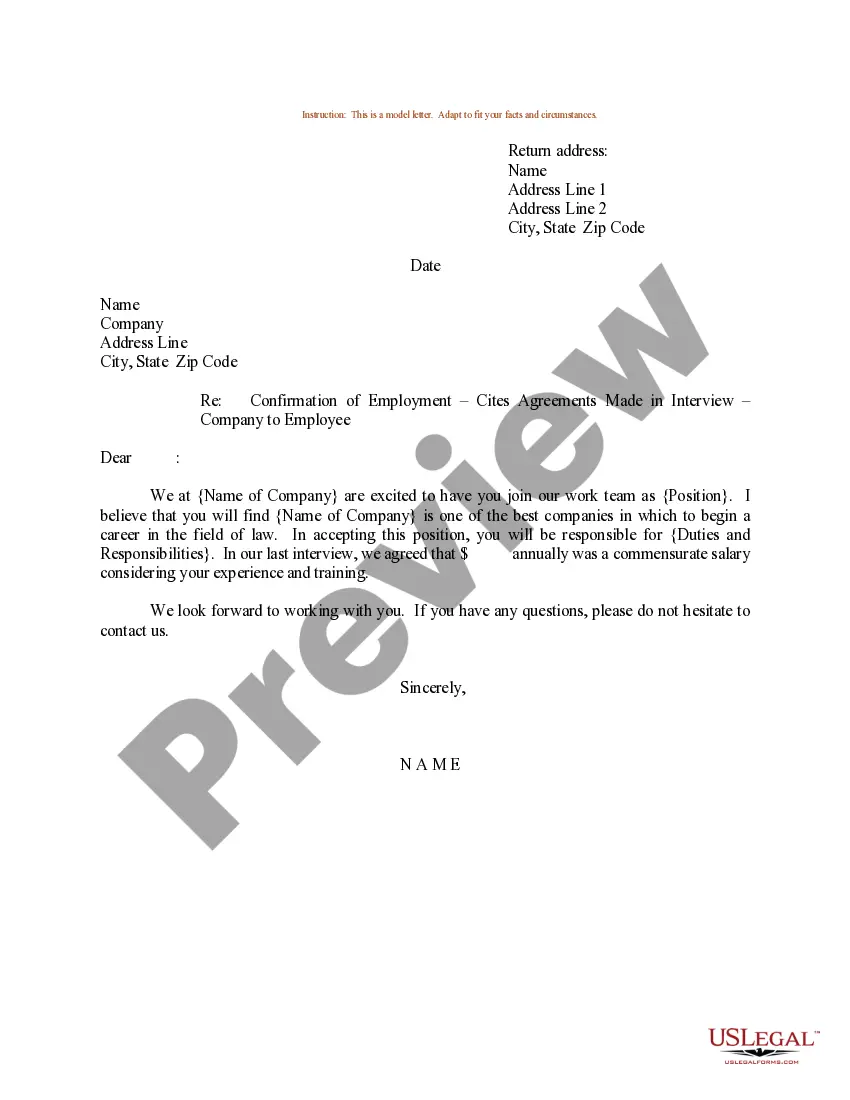
Get your form ready online
Our built-in tools help you complete, sign, share, and store your documents in one place.
Make edits, fill in missing information, and update formatting in US Legal Forms—just like you would in MS Word.
Download a copy, print it, send it by email, or mail it via USPS—whatever works best for your next step.
Sign and collect signatures with our SignNow integration. Send to multiple recipients, set reminders, and more. Go Premium to unlock E-Sign.
If this form requires notarization, complete it online through a secure video call—no need to meet a notary in person or wait for an appointment.
We protect your documents and personal data by following strict security and privacy standards.

Make edits, fill in missing information, and update formatting in US Legal Forms—just like you would in MS Word.

Download a copy, print it, send it by email, or mail it via USPS—whatever works best for your next step.

Sign and collect signatures with our SignNow integration. Send to multiple recipients, set reminders, and more. Go Premium to unlock E-Sign.

If this form requires notarization, complete it online through a secure video call—no need to meet a notary in person or wait for an appointment.

We protect your documents and personal data by following strict security and privacy standards.
Looking for another form?



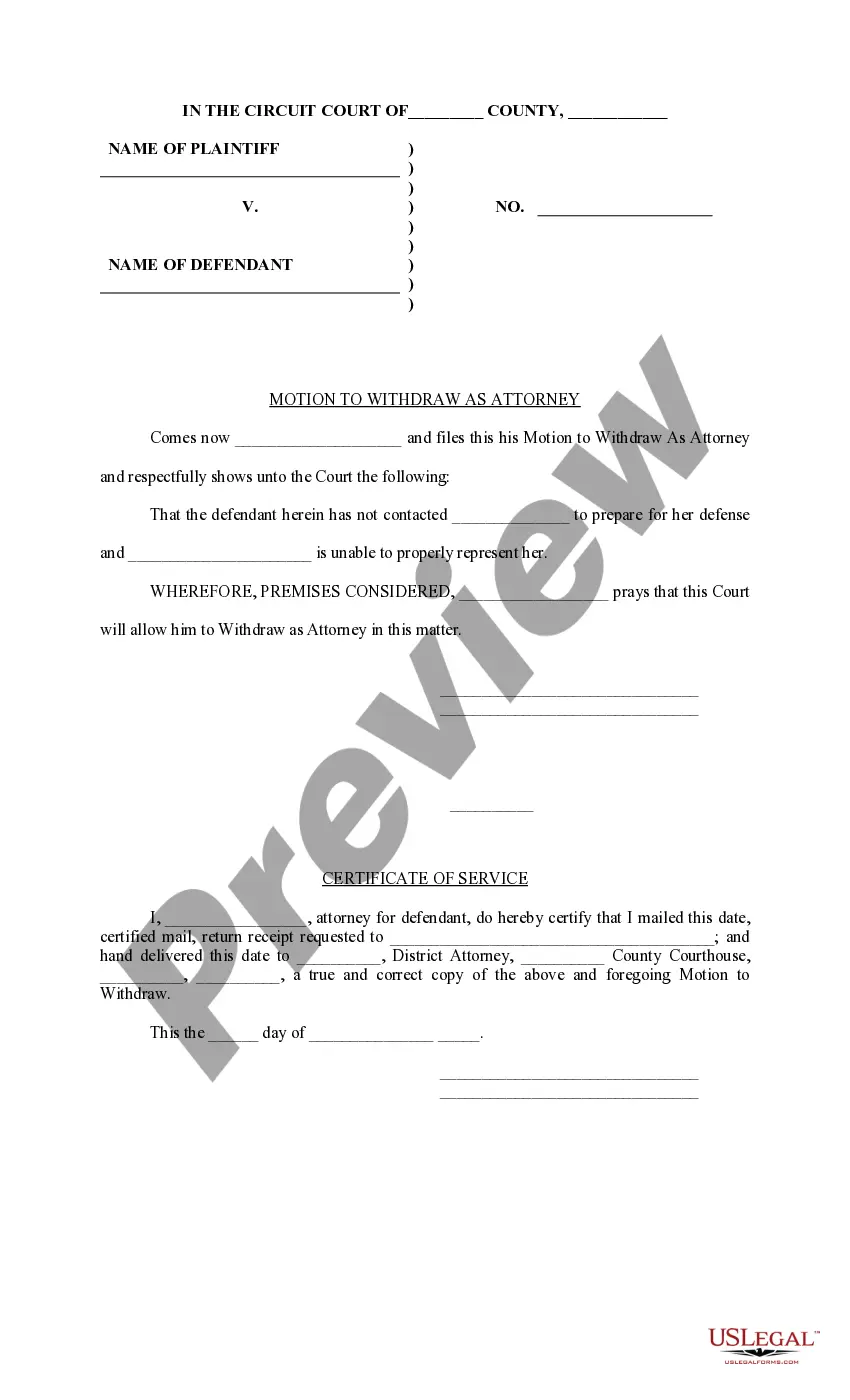




Form popularity
FAQ
8 tips to write a request for proposal Detail the project and what your organization needs. Write an executive summary. Include vendor qualifications and the project budget. Be transparent about the selection process. Provide timelines. Format for readability. Have the expertise. Detail the job but not how to do it.
What should be included in a request for proposal? Your scope. If you're requesting a product, you need to know what quantities you're asking for. Your budget. A short, snappy summary. Details on the project. Information about your company. Your requirements. Selection criteria. Be clear and concise.
How to write a project proposal Write an executive summary. The executive summary serves as the introduction to your project proposal. Explain the project background. Present a solution. Define project deliverables and goals. List what resources you need. State your conclusion. Know your audience. Be persuasive.
Ask your manager, team, or client to confirm that you have the full list of deliverables and project tasks, and that nothing is missing. Also make sure to find out what has been completed, what's in progress, and what is yet to come. Is the project managing you?
How to write an RFP Provide a business overview. Kick off your RFP by introducing your organization. Define your project needs and goals. List requirements and expectations. Provide a statement of work (SOW) ... Call out potential challenges. Set your evaluation criteria. Provide submission instructions.
Steps for writing a project proposal 1 Define your objectives. Clearly define the project's objectives. 2 Understand your audience. 3 Research and planning. 4 Outline the proposal. 5 Write the introduction. 6 Define the scope and methodology. 7 Budgeting. 8 Team and qualifications.
How to write an RFP in 7 steps. Introduce the company and project. Outline project background. Provide bid deadline and proposal timeline. Specify budget. Outline project scope. Express concerns or roadblocks. Explain evaluation criteria.
The key parts of a project proposal are mission, problem, solution, methodology, goals, project background, budget, conclusion, and authorization.
How to write the best project proposal? Step 1: Understand your triple constraint. Step 2: Write for your audience. Step 3: Use a cover letter & table of contents. Step 4: Use the 5 W's when explaining. Step 5: Keep it short. Step 6: Use a template. Step 7: Proof your work. Step 8: Reference your points.
Introduce yourself and provide background information. State your purpose for the proposal. Define your goals and objectives. Highlight what sets you apart. Briefly discuss budget and how funds will be used. Finish with a call to action and request a follow-up. Close the letter and provide contact details.