Sample Letter Acceptance Offer Withdrawn In Mecklenburg
Description
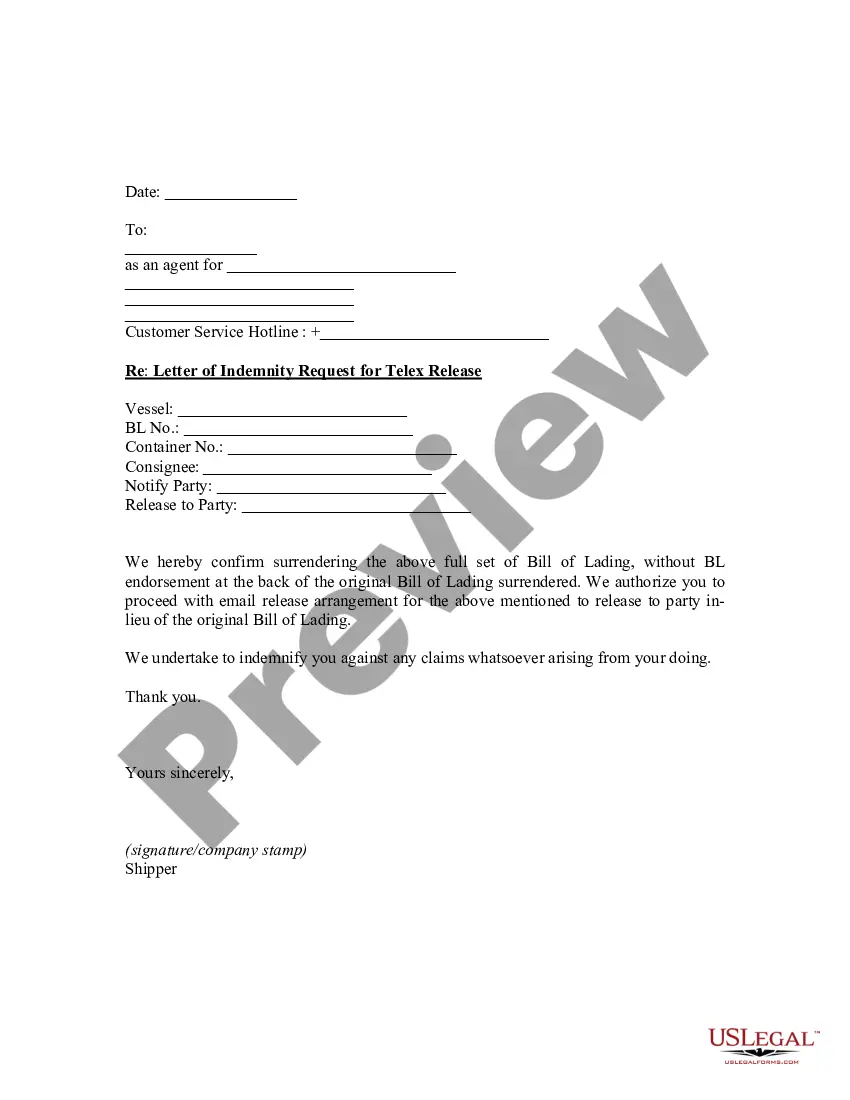
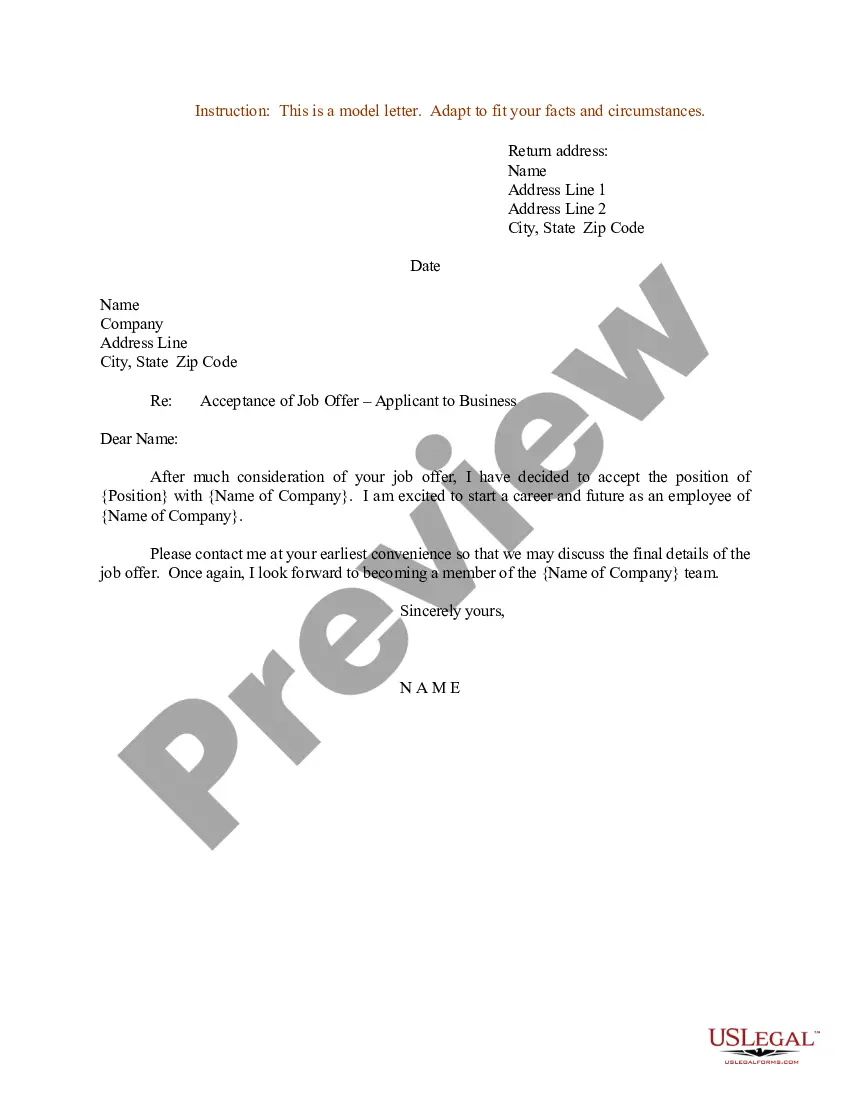
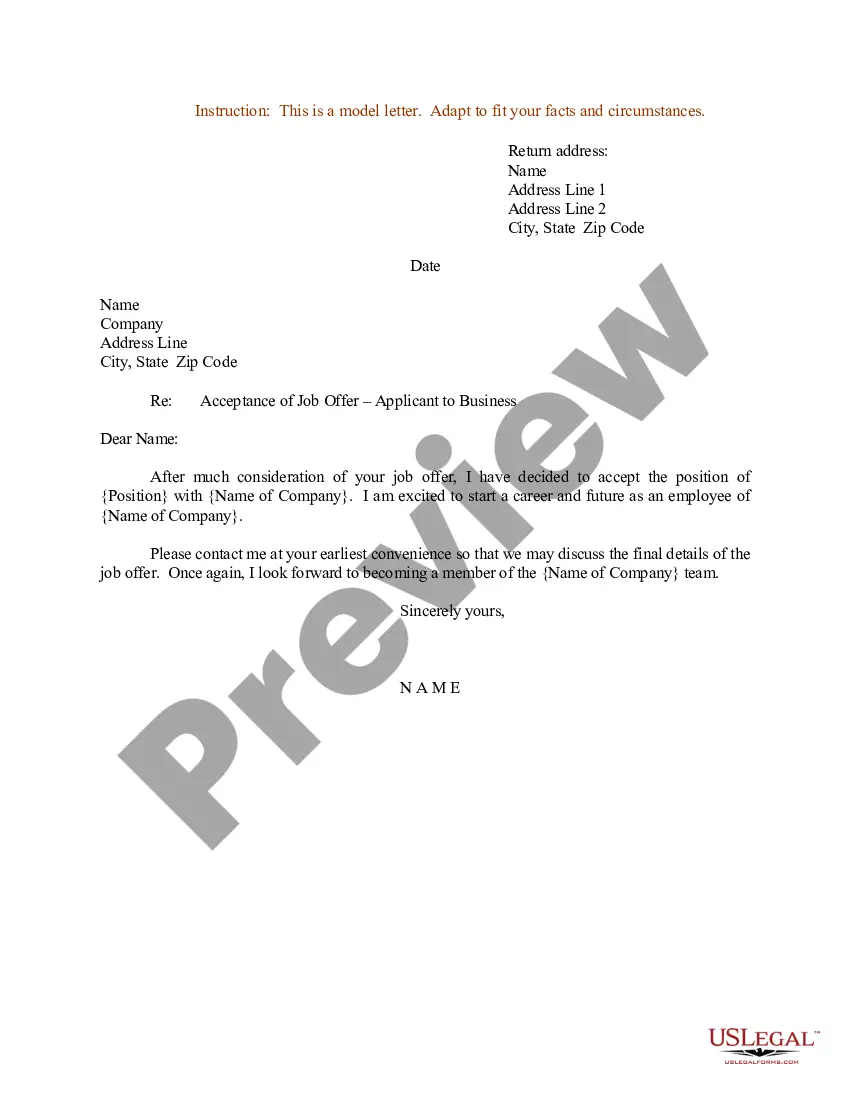
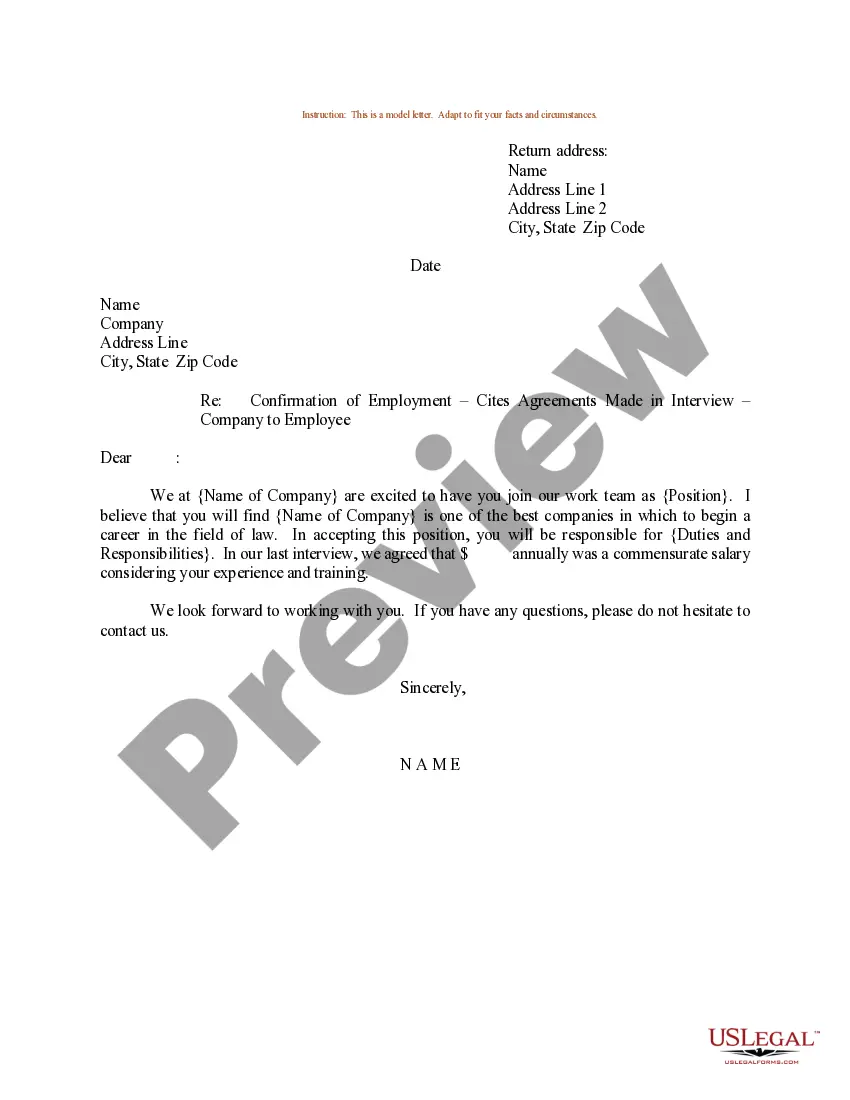
Get your form ready online
Our built-in tools help you complete, sign, share, and store your documents in one place.
Make edits, fill in missing information, and update formatting in US Legal Forms—just like you would in MS Word.
Download a copy, print it, send it by email, or mail it via USPS—whatever works best for your next step.
Sign and collect signatures with our SignNow integration. Send to multiple recipients, set reminders, and more. Go Premium to unlock E-Sign.
If this form requires notarization, complete it online through a secure video call—no need to meet a notary in person or wait for an appointment.
We protect your documents and personal data by following strict security and privacy standards.

Make edits, fill in missing information, and update formatting in US Legal Forms—just like you would in MS Word.

Download a copy, print it, send it by email, or mail it via USPS—whatever works best for your next step.

Sign and collect signatures with our SignNow integration. Send to multiple recipients, set reminders, and more. Go Premium to unlock E-Sign.

If this form requires notarization, complete it online through a secure video call—no need to meet a notary in person or wait for an appointment.

We protect your documents and personal data by following strict security and privacy standards.
Looking for another form?








Form popularity
FAQ
Be upfront, honest and specific There's a reason you're declining the job offer you've already accepted. If you're taking another job with a better salary, benefits, work-life balance or even a better commute, clearly communicate that reason to your would-be employer. Doing so will help them understand your decision.
In most cases, you can decline a job offer after you have accepted it. If you've signed an employment agreement, check the legal implications before you withdraw your acceptance. If you can, it's better to have a conversation in person or on the phone to explain why you have decided not to take the job.
How to politely decline a job offer after accepting Don't ghost - communicate. Be aware of their feelings. You don't need to share your reasons. Don't dwell on the negatives. Have a chat before you send the email. Avoid unnecessary negotiations. Keep in touch. If you're accepting a different offer:
If you can, it's better to have a conversation in person or on the phone to explain why you have decided not to take the job. Follow up with written confirmation of your withdrawal. Regardless of why you have changed your mind, express your gratitude and let the company know that you appreciate the offer.
When writing a withdrawal letter, aim to inform the employer immediately, be clear and honest about your reasons, thank the hiring manager for their time, include your contact details, and express interest in possible future opportunities if applicable.
Dear Contact Name, I want to thank you for your time and offer to join the Department Name team at Company Name. I regret to inform you that after further consideration, I will have to withdraw my acceptance for the role of Position Title with the company.
Yes, you can reject a job offer after accepting it, but it's important to handle the situation professionally to maintain a good relationship with the employer. Here are some steps to consider: Act Quickly: As soon as you realize you need to withdraw your acceptance, inform the employer.
We are writing to inform you that we are withdrawing the offer of employment made to you on job offer date for the position of job role at company name. We have carefully considered this and we do not take the decision lightly. Ultimately, we are rescinding the offer due to reason for offer withdrawal.
Key Takeaways If you can, it's better to have a conversation in person or on the phone to explain why you have decided not to take the job. Follow up with written confirmation of your withdrawal. Regardless of why you have changed your mind, express your gratitude and let the company know that you appreciate the offer.

