Letter With Approval In Houston
Description



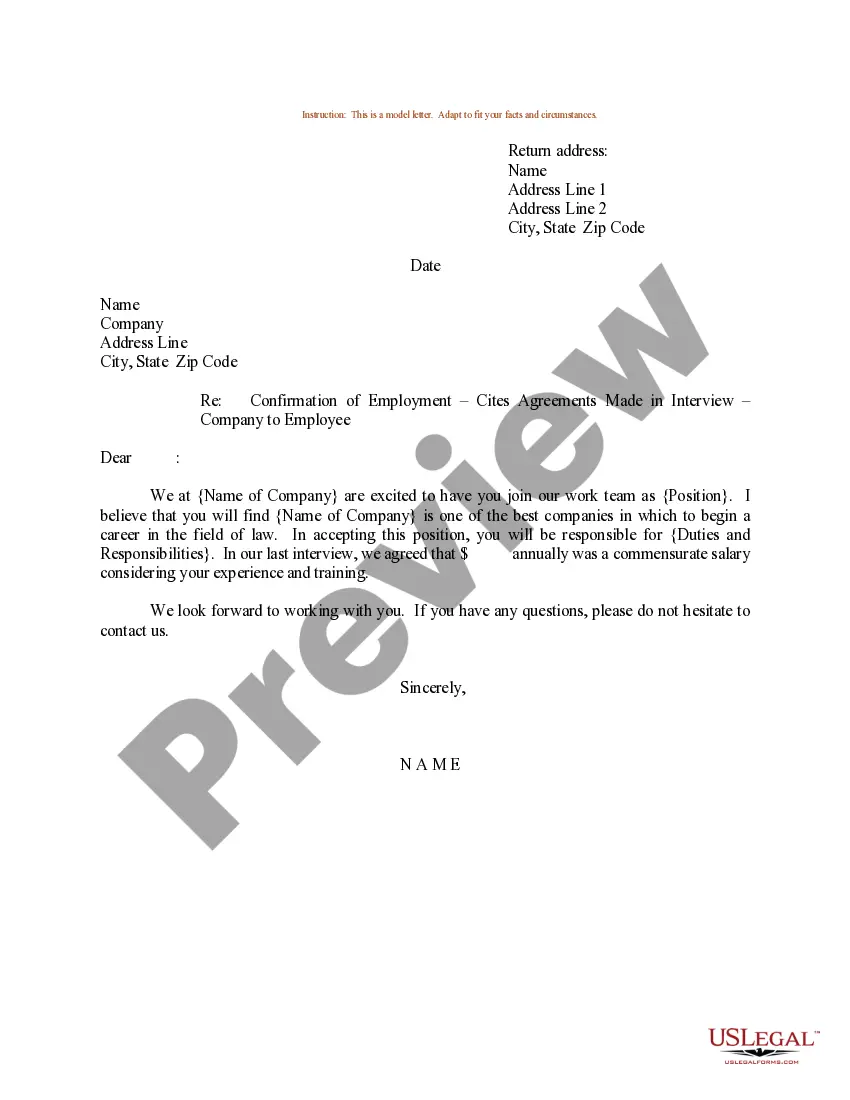
Get your form ready online
Our built-in tools help you complete, sign, share, and store your documents in one place.
Make edits, fill in missing information, and update formatting in US Legal Forms—just like you would in MS Word.
Download a copy, print it, send it by email, or mail it via USPS—whatever works best for your next step.
Sign and collect signatures with our SignNow integration. Send to multiple recipients, set reminders, and more. Go Premium to unlock E-Sign.
If this form requires notarization, complete it online through a secure video call—no need to meet a notary in person or wait for an appointment.
We protect your documents and personal data by following strict security and privacy standards.

Make edits, fill in missing information, and update formatting in US Legal Forms—just like you would in MS Word.

Download a copy, print it, send it by email, or mail it via USPS—whatever works best for your next step.

Sign and collect signatures with our SignNow integration. Send to multiple recipients, set reminders, and more. Go Premium to unlock E-Sign.

If this form requires notarization, complete it online through a secure video call—no need to meet a notary in person or wait for an appointment.

We protect your documents and personal data by following strict security and privacy standards.
Looking for another form?








Form popularity
FAQ
Extraterritorial Jurisdiction “ETJ” is all unincorporated territory extending 5 miles beyond the corporate boundaries of the city limits of Houston as established by Chapter 42 – Texas Local Government code.
A city's ETJ is essentially the area outside a city's corporate limits but within the ultimate planning area. Generally, it can be thought of as a ring around Van which enables the city to regulate subdivision of land, however, it does not allow for zoning regulation.
Forget everything you think you know about Houston. Renowned as the nation's largest city with no zoning laws, it has been a magnet for developers drawn to its lack of regulatory oversight. However, the reality of the city's unique urban planning landscape is more than meets the eye.
The Extra-Territorial Jurisdiction ( ETJ ) is a designated buffer area located just outside of the city limits. Each municipality is afforded an ETJ by the Texas Local Government Code as a method of defining potential growth and future service boundaries.
Your building and improvement plans can be reviewed and a building permit issued within 10 business days, pending prerequisite approval.
Houston's extraterritorial jurisdiction (ETJ) is essentially a five-mile band around the City's general-purpose boundaries, with the exception of instances when that band intersects another municipality or its ETJ. Within its ETJ, Houston has limited regulatory authority.
The City of Houston does not have zoning, but development is governed by ordinance codes that address how property can be subdivided. The City codes do not address land use.
832.394.9000 We are located right next to the Amtrak station.
Most buildings in Texas need a permit; exceptions include sheds <200 sqft, decks <30 inches, and fences <7 feet. Permit is required for plumbing, electrical work, residential additions, pools, and concrete pouring. Non-permit projects can include landscaping and temporary structures, but must comply with zoning laws.

