Letter With Acceptance In Florida
Description
Get your form ready online
Our built-in tools help you complete, sign, share, and store your documents in one place.
Make edits, fill in missing information, and update formatting in US Legal Forms—just like you would in MS Word.
Download a copy, print it, send it by email, or mail it via USPS—whatever works best for your next step.
Sign and collect signatures with our SignNow integration. Send to multiple recipients, set reminders, and more. Go Premium to unlock E-Sign.
If this form requires notarization, complete it online through a secure video call—no need to meet a notary in person or wait for an appointment.
We protect your documents and personal data by following strict security and privacy standards.

Make edits, fill in missing information, and update formatting in US Legal Forms—just like you would in MS Word.

Download a copy, print it, send it by email, or mail it via USPS—whatever works best for your next step.

Sign and collect signatures with our SignNow integration. Send to multiple recipients, set reminders, and more. Go Premium to unlock E-Sign.

If this form requires notarization, complete it online through a secure video call—no need to meet a notary in person or wait for an appointment.

We protect your documents and personal data by following strict security and privacy standards.
Looking for another form?







Form popularity
FAQ
Obtaining a Letter of Testamentary in Florida The first step in the process of obtaining the letters is for the executor to go to court and file the decedent's will and death certificate. Without the death certificate, the court will not issue the letter.
Now, Florida law specifies how service must be completed. Generally speaking, service must be accomplished in-person, as opposed to through the mail. This requires hand-delivery by an individual referred to as a process server. It's important for the person filing the lawsuit to follow the rules regarding service.
If the server consistently fails to reach you despite multiple attempts, they may resort to alternative legal methods or petition the court for permission to use alternative means of service. Most process servers typically make multiple attempts to serve legal documents, often ranging from three to five attempts.
You cannot serve these papers on the other party yourself or by mail or hand delivery. Personal service must be made by the sheriff's department in the county where the other party lives or works or by a private process server certified in the county where the other party lives or works.
Electronic: Prepare and file your case using TurboCourt, the Clerk's guided DIY Court Filings tool. Prepare your own forms and file electronically through the Florida Court's E-Filing Portal.
If a direct service attempt fails, Florida allows for “substitute service.” This can be executed by leaving the papers with a resident of the individual's home who is at least 15 years of age. It can also be done by serving an agent authorized to accept service.
Things to Do After Receiving a College Acceptance Letter. Wait for more options. If you applied to more than one school, wait until you hear back from the others. Weigh the pros and cons of all your options before committing to the first school that accepts you.
There are three ways you'll receive your letter of acceptance: by mail, email, or on your online portal. How schools choose to tell students about their university entry will vary.
There's no standard for how long it takes colleges to send out acceptance letters, but generally, if you applied under regular decision, you can expect letters to begin arriving between mid-March and mid-April.
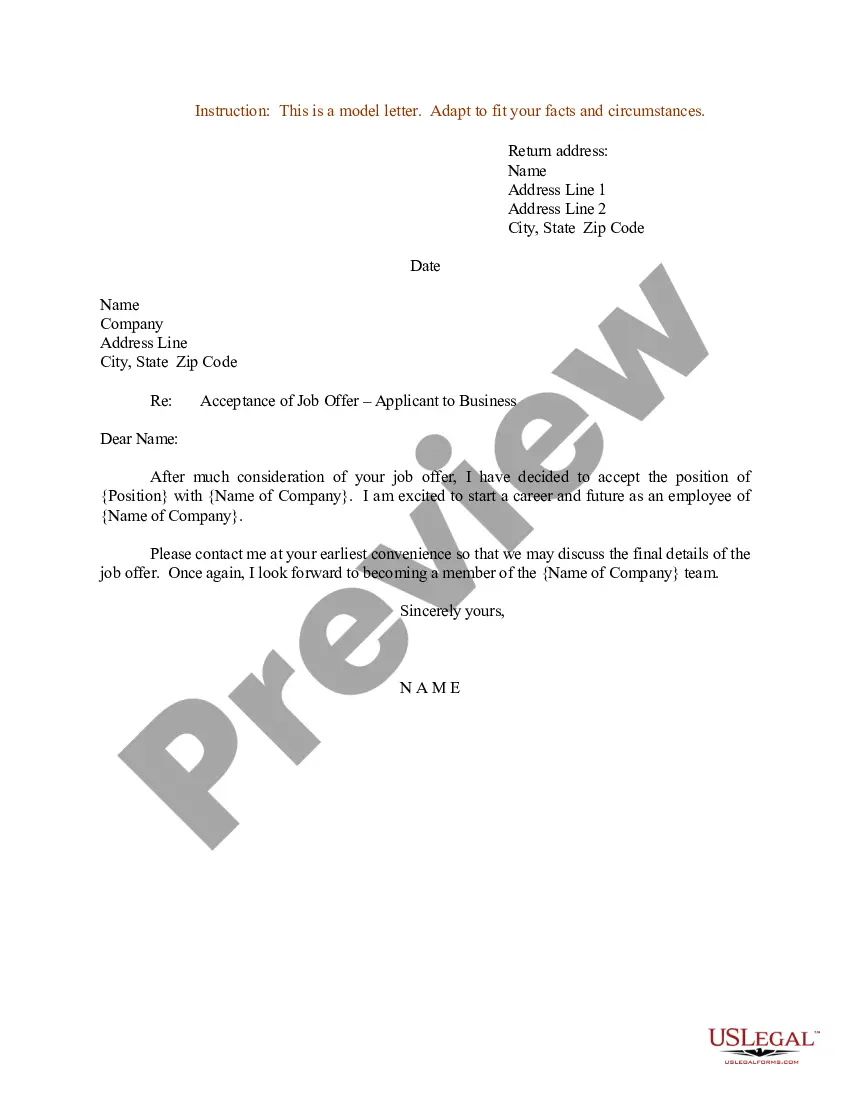
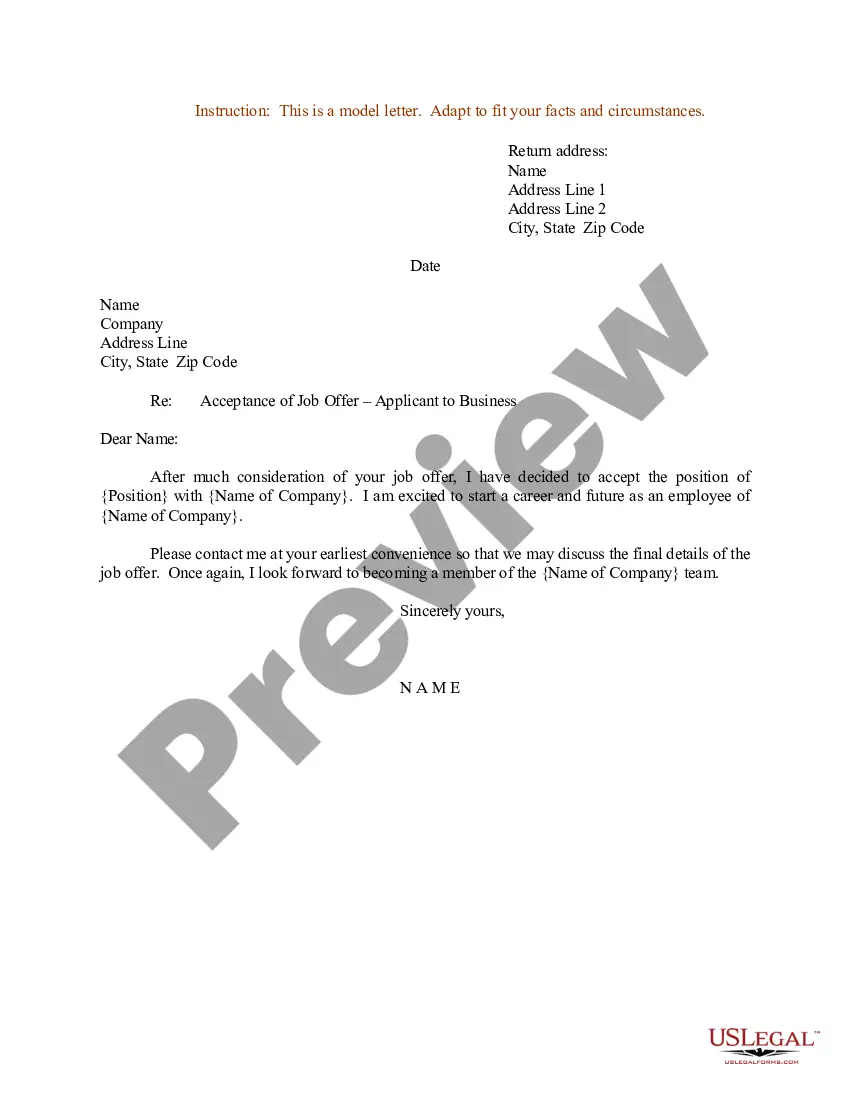
A typical letter of acceptance may include: A confirmation of your admission. Your course's start date and physical location. Admission or service fees payable. Scholarship or bursary information. Residence advice.

