Letter Acceptance Format In Florida
Description
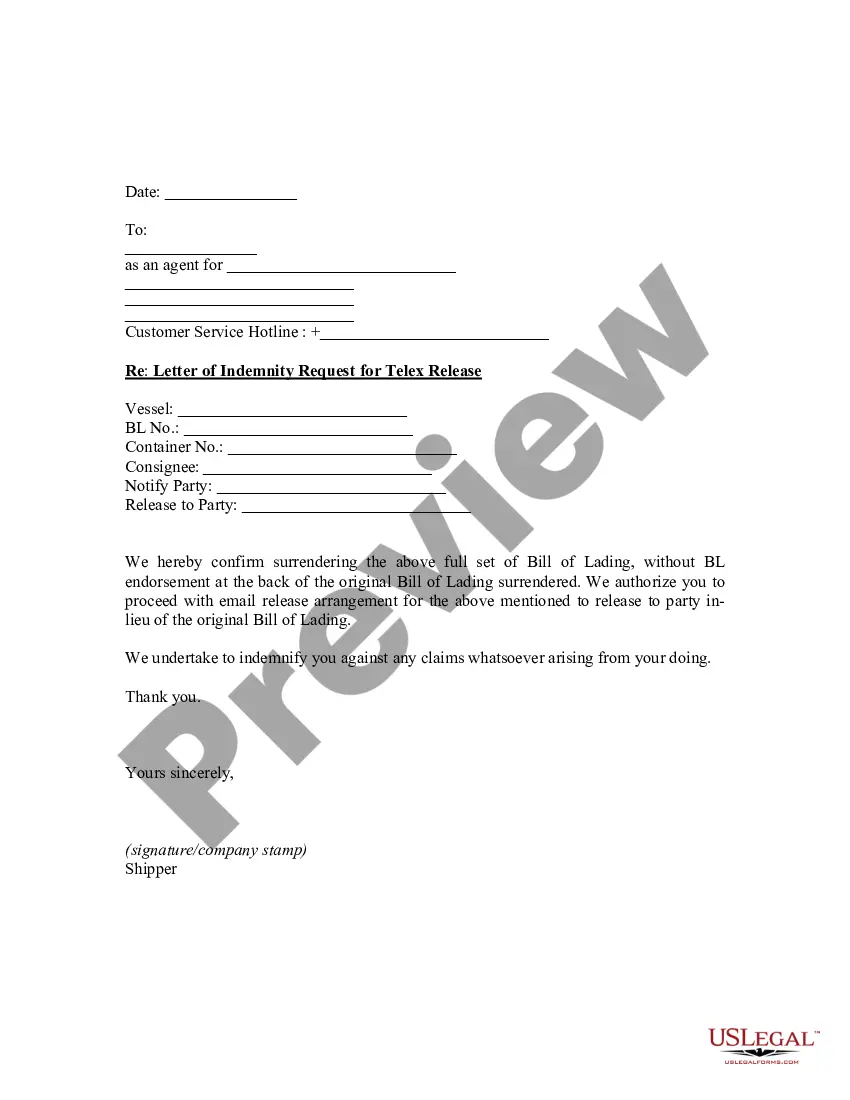
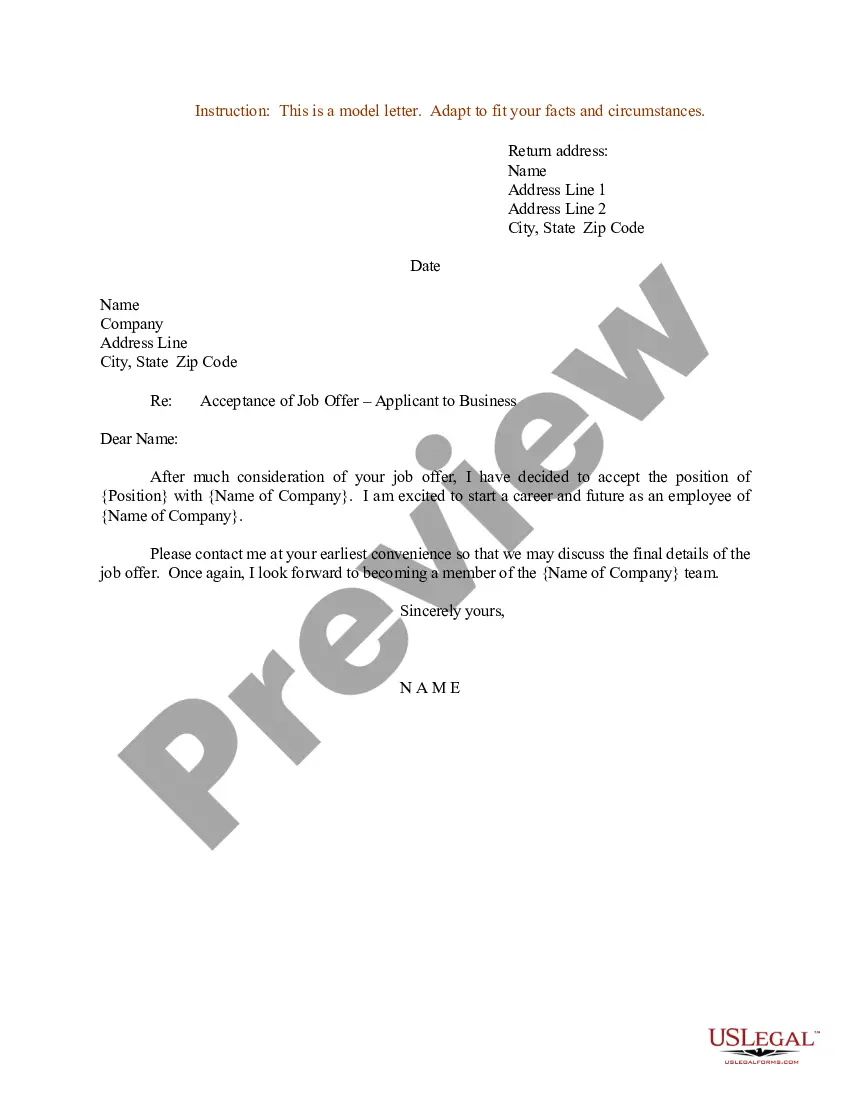
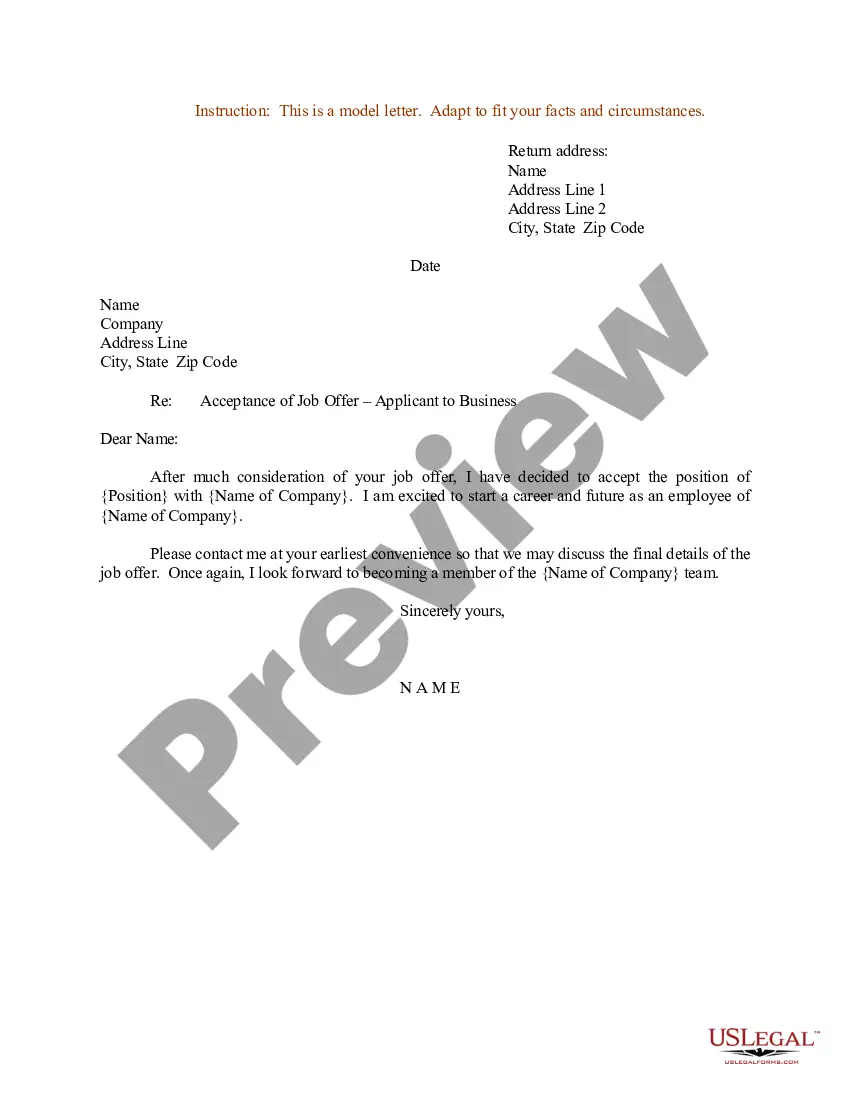
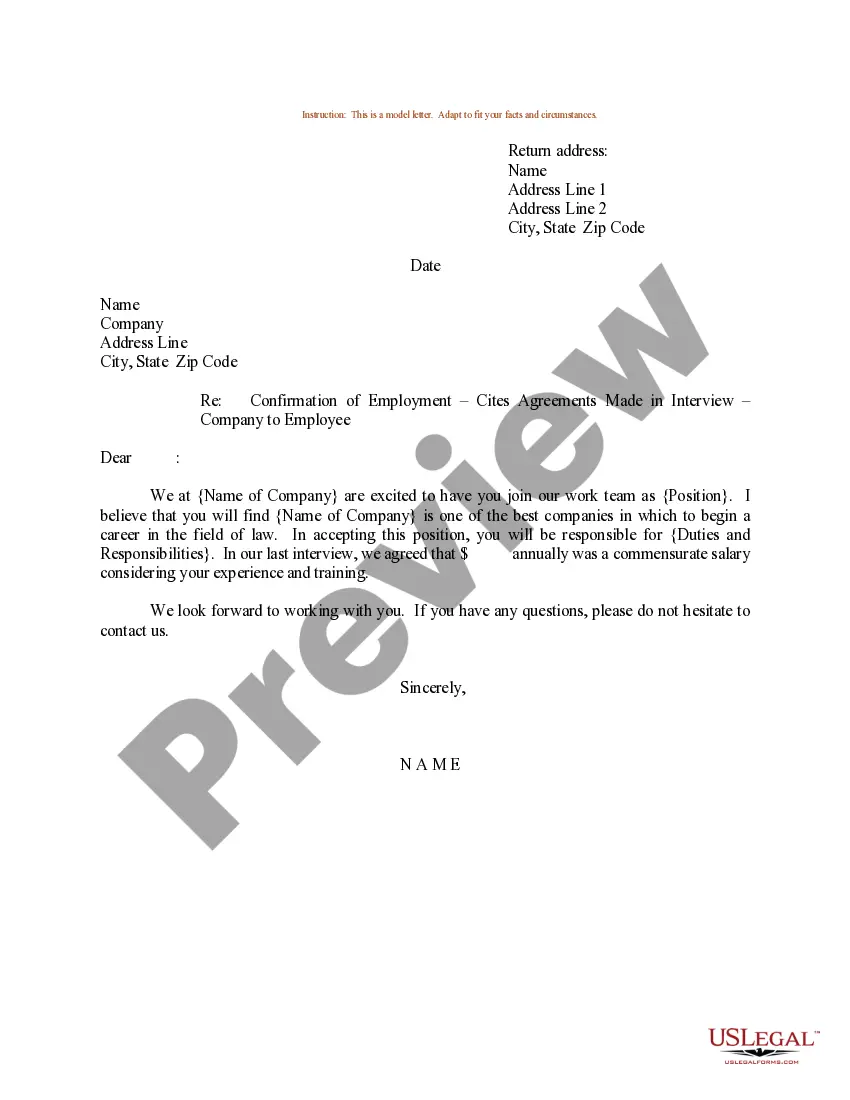
Get your form ready online
Our built-in tools help you complete, sign, share, and store your documents in one place.
Make edits, fill in missing information, and update formatting in US Legal Forms—just like you would in MS Word.
Download a copy, print it, send it by email, or mail it via USPS—whatever works best for your next step.
Sign and collect signatures with our SignNow integration. Send to multiple recipients, set reminders, and more. Go Premium to unlock E-Sign.
If this form requires notarization, complete it online through a secure video call—no need to meet a notary in person or wait for an appointment.
We protect your documents and personal data by following strict security and privacy standards.

Make edits, fill in missing information, and update formatting in US Legal Forms—just like you would in MS Word.

Download a copy, print it, send it by email, or mail it via USPS—whatever works best for your next step.

Sign and collect signatures with our SignNow integration. Send to multiple recipients, set reminders, and more. Go Premium to unlock E-Sign.

If this form requires notarization, complete it online through a secure video call—no need to meet a notary in person or wait for an appointment.

We protect your documents and personal data by following strict security and privacy standards.
Looking for another form?






Form popularity
FAQ
UF releases decisions on the last Friday in February for our priority round applicants and on the last Friday in March for our space-available applicants. You can view your decision after logging in to your Gator Portal by clicking the button below.
How long does it take for an acceptance letter to be sent out? There's no standard for how long it takes colleges to send out acceptance letters, but generally, if you applied under regular decision, you can expect letters to begin arriving between mid-March and mid-April.
It's not unusual for a college's application process to take four to six weeks. Colleges that have an application portal allow students to go online to check the status of their applications at any time. Also, many colleges post both acceptances and nonacceptances on the application portal at the same time.
How to write a letter of acceptance Address the letter to the recruiter. Express your gratitude for the offer. Confirm the terms of employment. Format your letter appropriately. Proofread your letter. Send your letter and follow up with the recruiter.
Most schools notify students electronically and with hard copies, so you can expect both mailed and emailed college acceptance letters. Some students will instead get an email notification to view their college acceptance letters through a school's online portal.
You might say something like, "I am writing to kindly request an official acceptance letter for the internship program. Receiving this letter would help me confirm my spot, and it would be helpful to have a formal record of my acceptance for my personal files."
There are three ways you'll receive your letter of acceptance: by mail, email, or on your online portal. How schools choose to tell students about their university entry will vary.
A typical letter of acceptance may include: A confirmation of your admission. Your course's start date and physical location. Admission or service fees payable. Scholarship or bursary information. Residence advice.
Some important details about an offer letter are: It is NOT a legally binding contract.
Many companies set contingencies before employment begins, like a completed background check or drug screening. Some important details about an offer letter are: It is NOT a legally binding contract.

