Approval Letter Sample For Request In Cuyahoga
Description
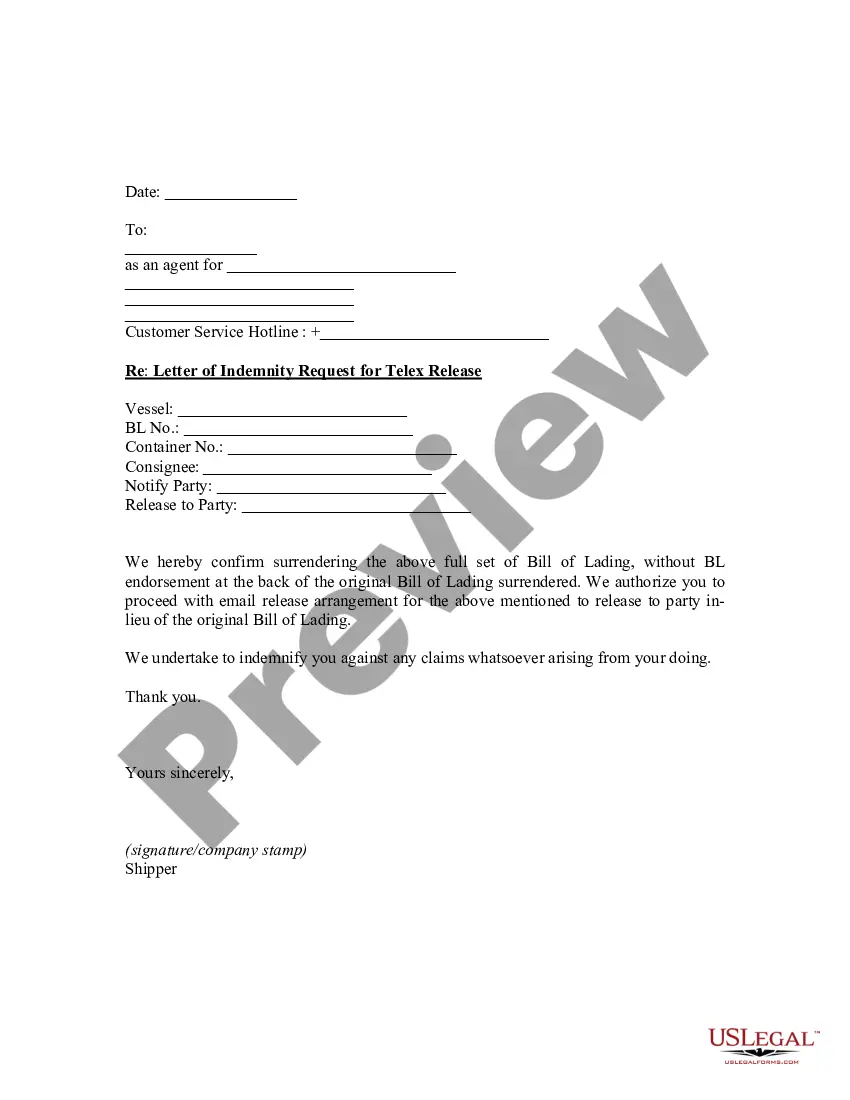
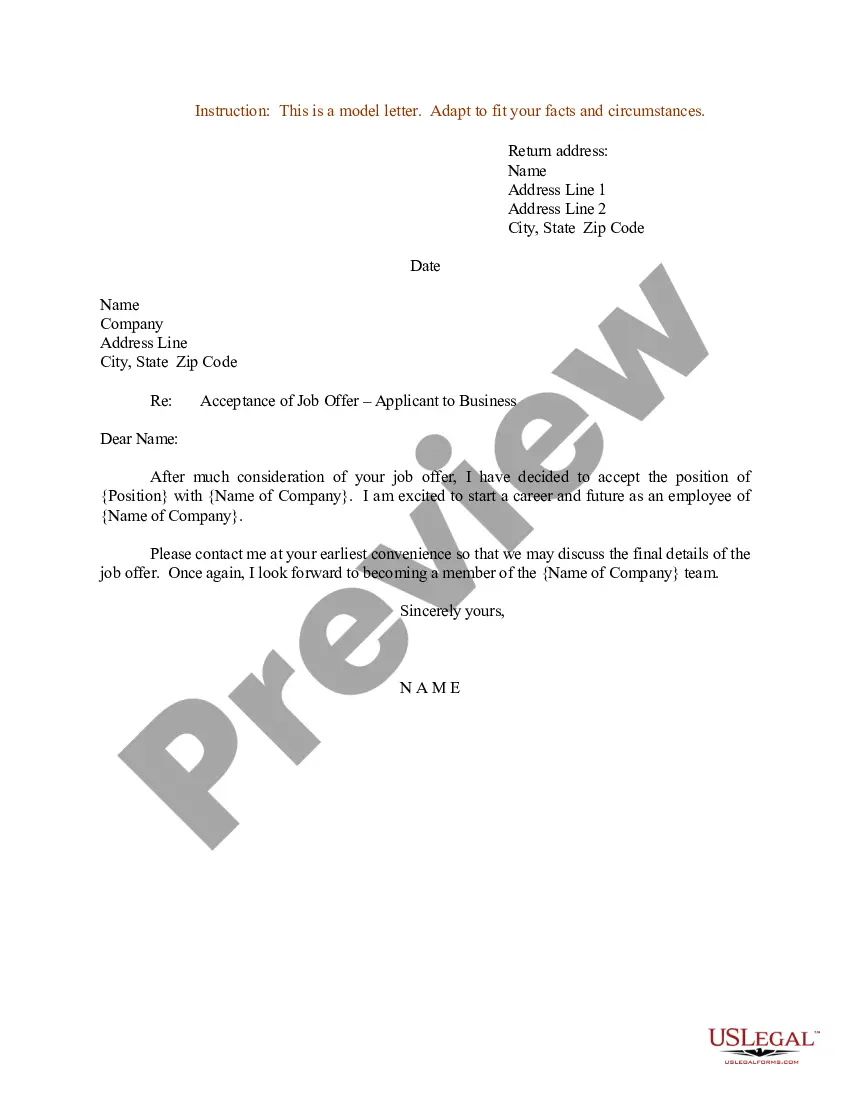
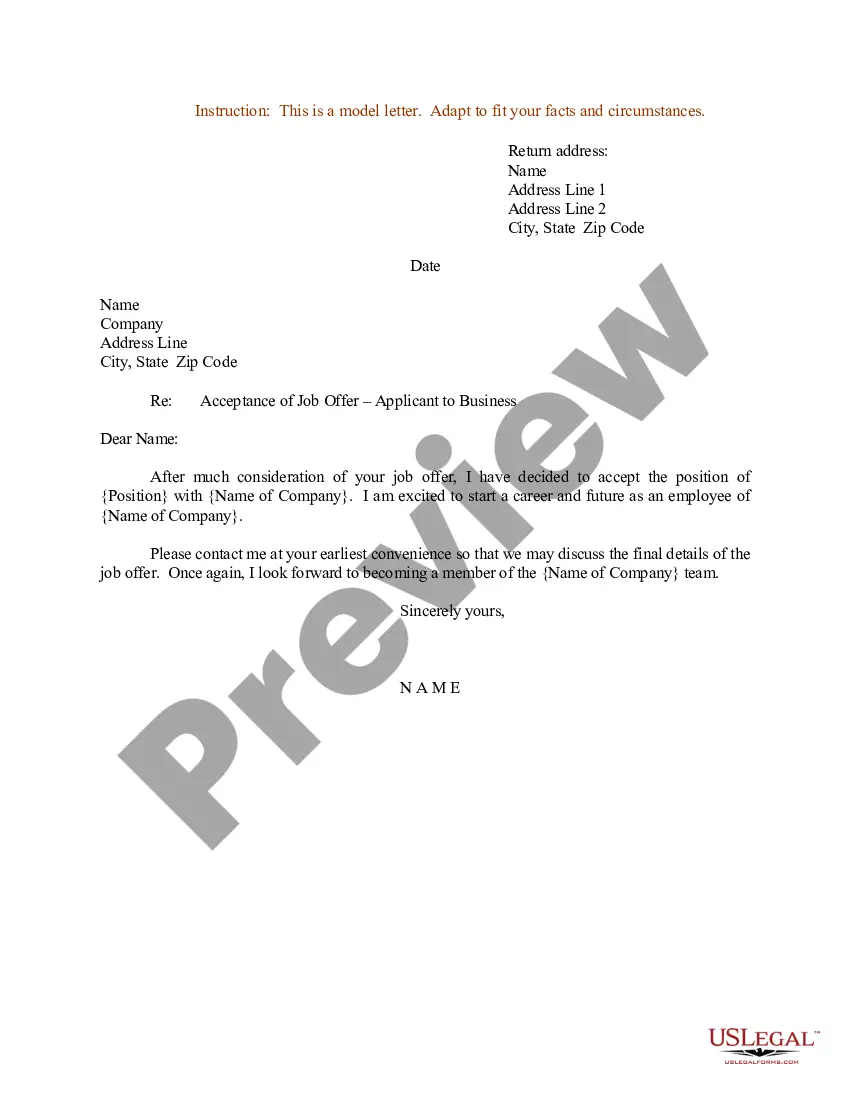
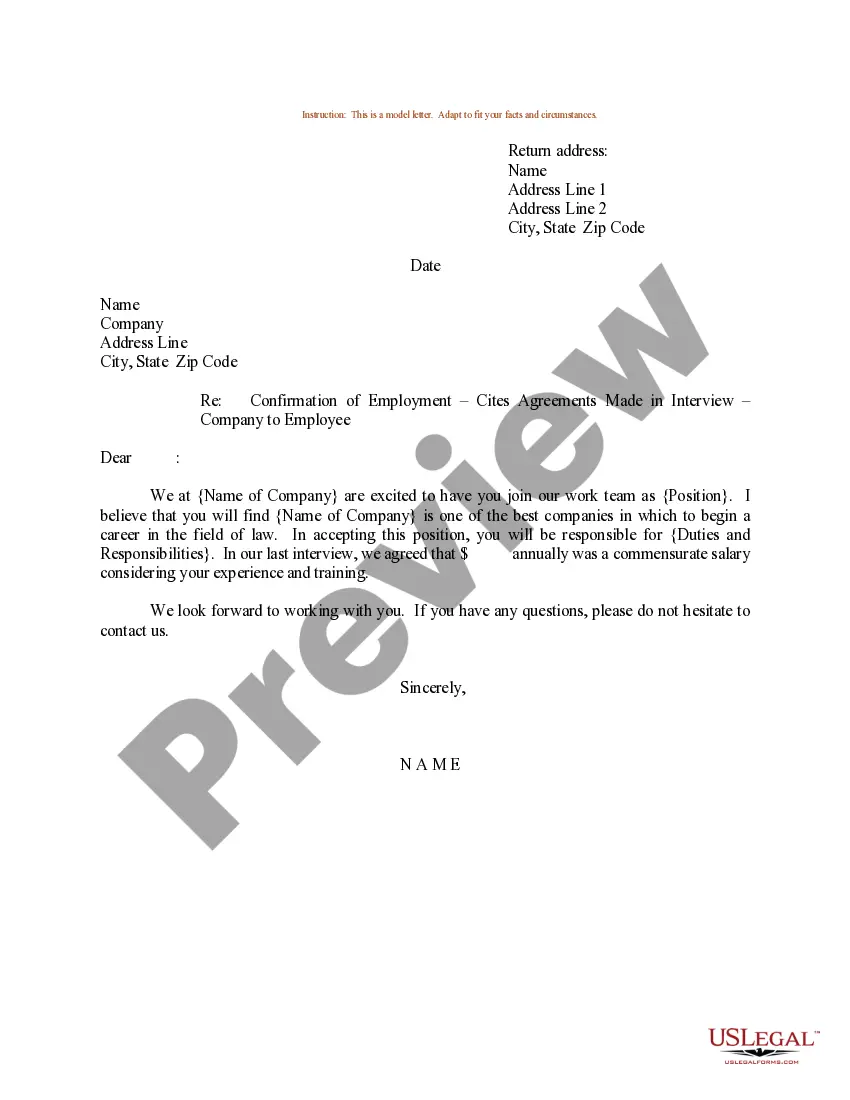
Get your form ready online
Our built-in tools help you complete, sign, share, and store your documents in one place.
Make edits, fill in missing information, and update formatting in US Legal Forms—just like you would in MS Word.
Download a copy, print it, send it by email, or mail it via USPS—whatever works best for your next step.
Sign and collect signatures with our SignNow integration. Send to multiple recipients, set reminders, and more. Go Premium to unlock E-Sign.
If this form requires notarization, complete it online through a secure video call—no need to meet a notary in person or wait for an appointment.
We protect your documents and personal data by following strict security and privacy standards.

Make edits, fill in missing information, and update formatting in US Legal Forms—just like you would in MS Word.

Download a copy, print it, send it by email, or mail it via USPS—whatever works best for your next step.

Sign and collect signatures with our SignNow integration. Send to multiple recipients, set reminders, and more. Go Premium to unlock E-Sign.

If this form requires notarization, complete it online through a secure video call—no need to meet a notary in person or wait for an appointment.

We protect your documents and personal data by following strict security and privacy standards.
Looking for another form?








Form popularity
FAQ
Deeds and additional ownership documentation (circa 1810 to present) is available online or in person at the Recorder's Office, located on the 4th floor of the Cuyahoga County Administration Building.
You may use the Recorded Document Search or call the Recorders Public Information Department at 216-443-7300 for further details. This site is provided to allow the citizens of Cuyahoga County, and the world, access to information housed at our office.
Here's how it works Send quit claim deed cuyahoga county ohio via email, link, or fax. You can also download it, export it or print it out. Draw your signature, type it, upload its image, or use your mobile device as a signature pad. Send quit claim deed cuyahoga county ohio via email, link, or fax.
Often, between 21 and 60 days following closing, the title company will deliver your final Owner's Title Policy, an original copy of the deed that was recorded and any other relevant information.
If you want to obtain a copy of the deed to your home, contact your local county recorder.
So what happens at an arraignment? During the arraignment, also referred to as the first appearance, the defendant is informed of the charges they are facing and their constitutional rights. The defendant typically enters a plea of guilty, not guilty, or no contest during this proceeding.
The arraignment judge checks that the defendant knows the charges they face. The court assigns the defendant an attorney if they don't have one. Defendants enter a plea to the charges.
While an arraignment is an opportunity for a defendant to hear the charges against them and enter a plea, an indictment is a legal document formally charging a defendant with a crime and is usually only used in felony cases.
Not Guilty Plea This is the most common initial plea, and your criminal defense attorney will likely enter a not-guilty plea at your arraignment to begin the process.

