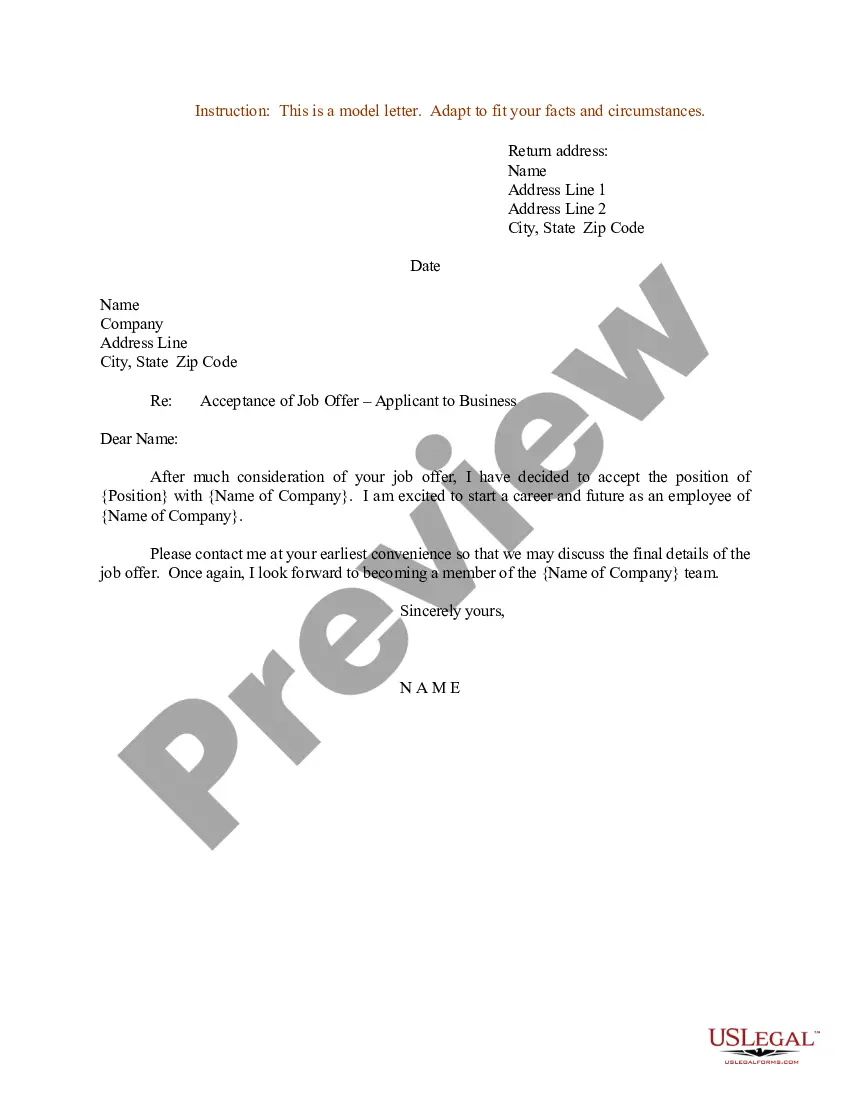
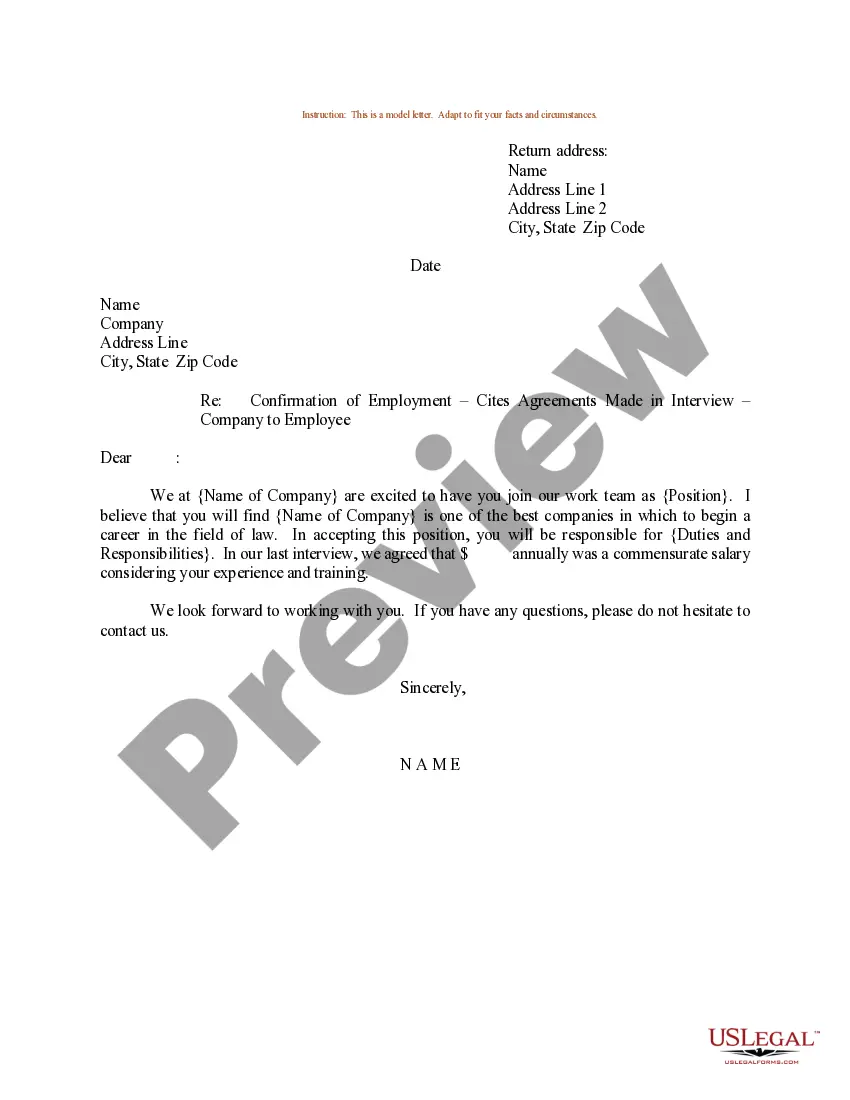
Letter Acceptance Application Form Template In Bronx
Description

Get your form ready online
Our built-in tools help you complete, sign, share, and store your documents in one place.
Make edits, fill in missing information, and update formatting in US Legal Forms—just like you would in MS Word.
Download a copy, print it, send it by email, or mail it via USPS—whatever works best for your next step.
Sign and collect signatures with our SignNow integration. Send to multiple recipients, set reminders, and more. Go Premium to unlock E-Sign.
If this form requires notarization, complete it online through a secure video call—no need to meet a notary in person or wait for an appointment.
We protect your documents and personal data by following strict security and privacy standards.

Make edits, fill in missing information, and update formatting in US Legal Forms—just like you would in MS Word.

Download a copy, print it, send it by email, or mail it via USPS—whatever works best for your next step.

Sign and collect signatures with our SignNow integration. Send to multiple recipients, set reminders, and more. Go Premium to unlock E-Sign.

If this form requires notarization, complete it online through a secure video call—no need to meet a notary in person or wait for an appointment.

We protect your documents and personal data by following strict security and privacy standards.
Looking for another form?





Form popularity
FAQ
An eligible consensual case that was commenced and continued in hard copy form may be converted to a NYSCEF case by filing a Stipulation and Consent to E–Filing (found on the website) with the court. Any such conversion should be done promptly after commencement.
When filing the unredacted document on NYSCEF, choose the “Request to Seal” option when selecting the “Document Type.” The provisional sealing expires, absent court order, after five days.
An eligible consensual case that was commenced and continued in hard copy form may be converted to a NYSCEF case by filing a Stipulation and Consent to E–Filing (found on the website) with the court. Any such conversion should be done promptly after commencement.
A form that is filed in New York state court and served on all parties confirming that the parties have completed necessary discovery proceedings and the case is trial ready (CPLR 3402(a)). It is the paper that gets the case on the court's trial calendar.
A: A self-represented litigant may voluntarily participate in e-filing by electronically recording his or her consent at the NYSCEF site, registering as an authorized e-filer with NYSCEF, entering the case and contact information about the matter, and e-filing a copy of the notice of appeal, the judgment or order ...
How to write an admissions acceptance letter Prepare the header. Begin the letter with an official header that includes the student's full name and address. Confirm the candidate's admission. Share congratulations. Explain how to accept. Include optional details. Encourage them to accept.
Thank you very much for offering me the position of Accountant with XYZ Corporation. I appreciate your discussing the details of the position with me and giving me time to consider your offer. You have a fine organization and there are many aspects of the position that are very appealing to me.
From a legal perspective, an acceptance letter typically indicates your agreement to a binding contract. This letter has legal weight and can lead to regulatory implications if you aren't exactly sure what you're signing.
A Letter of Acceptance (LOA) is a formal document that indicates the agreement between parties on the terms and conditions of a contract. Its issuance is a significant step in contract management as it symbolizes a binding contract and confirms both parties' commitment to abide by the agreed contract terms.
A college acceptance letter is a document that a college or university issues when you have applied and successfully secured admission to study a particular tertiary programme - whether that be a Bachelor's or Master's degree.

