Acceptance Letter To Employee In Bronx
Description
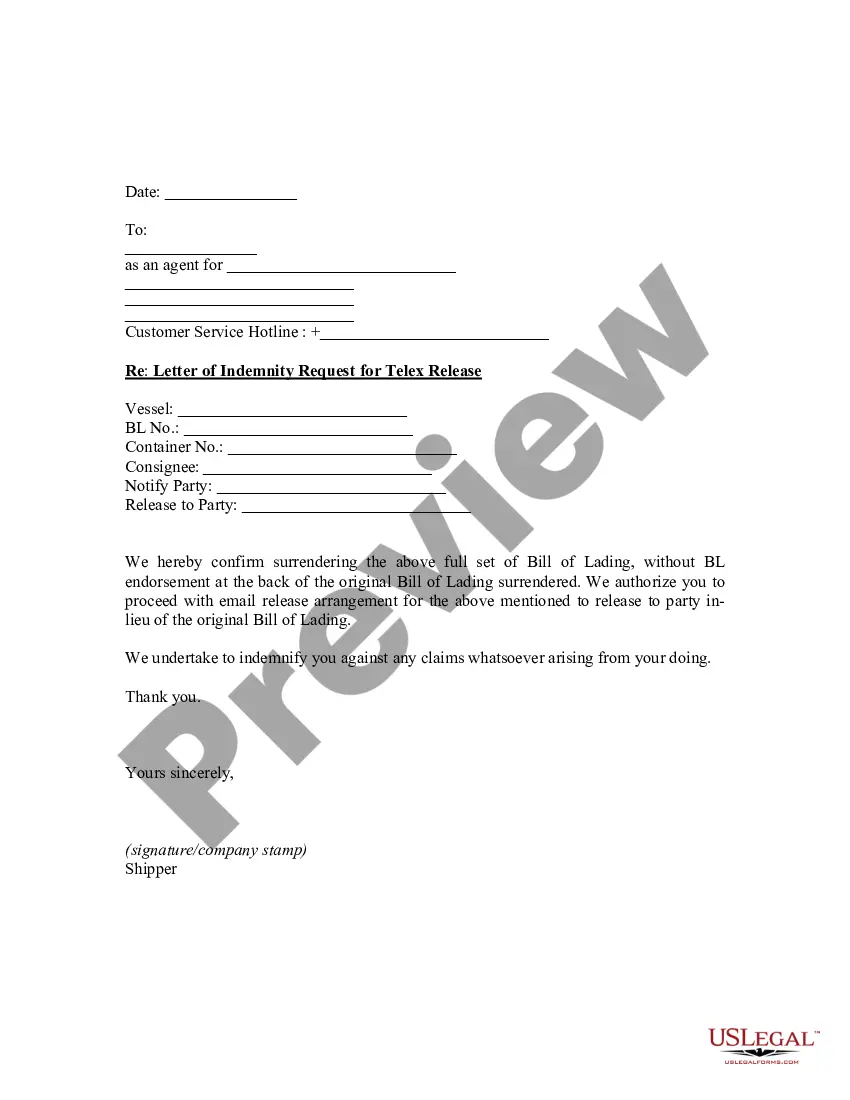
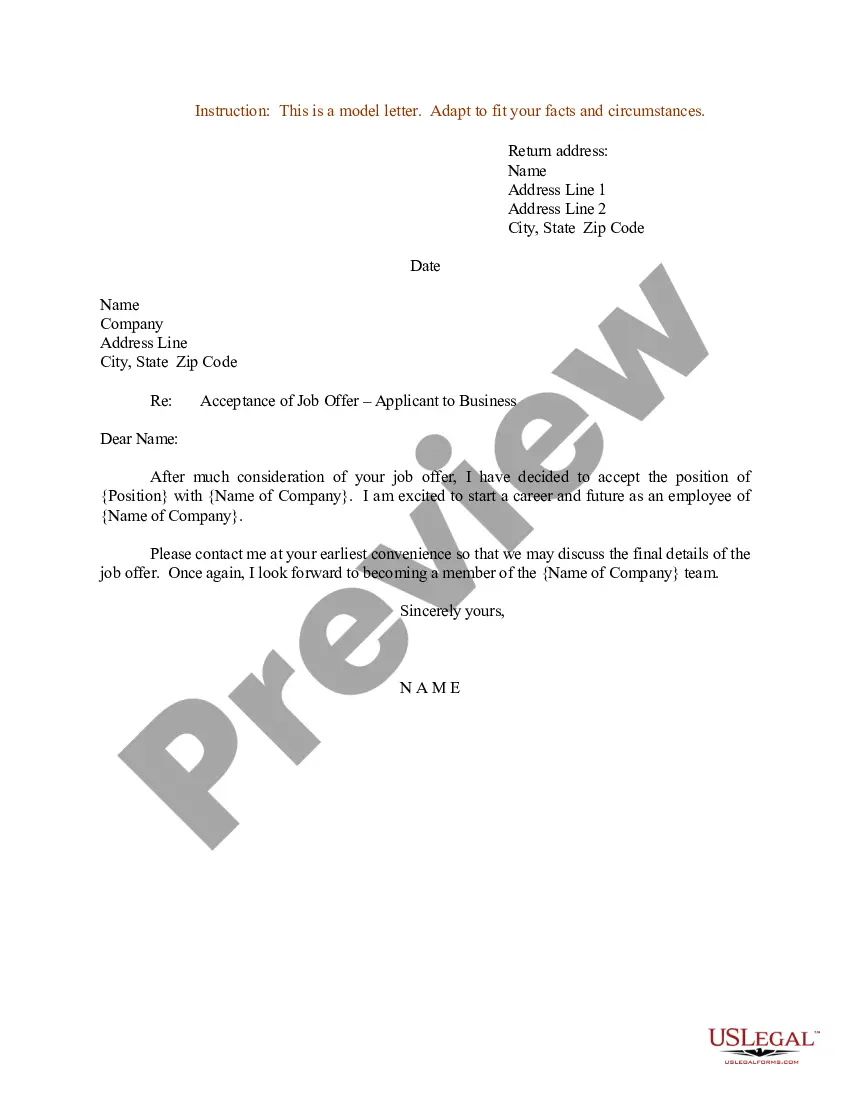
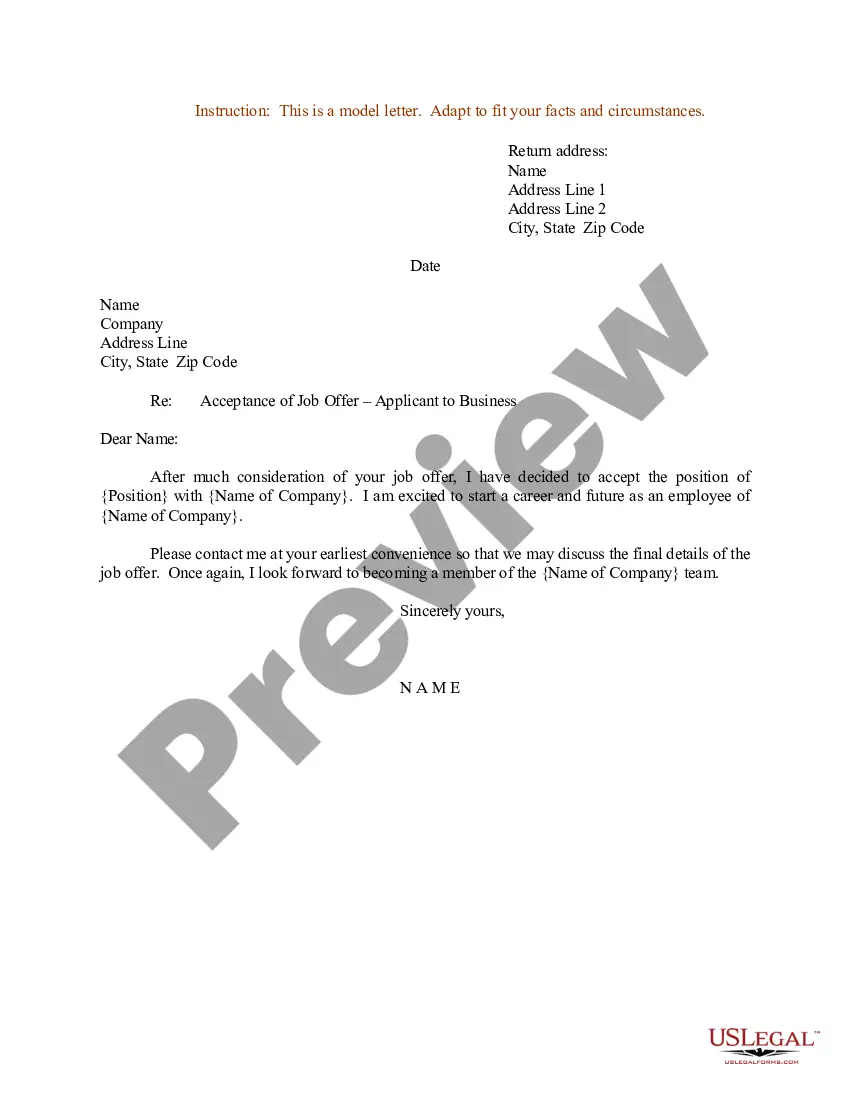
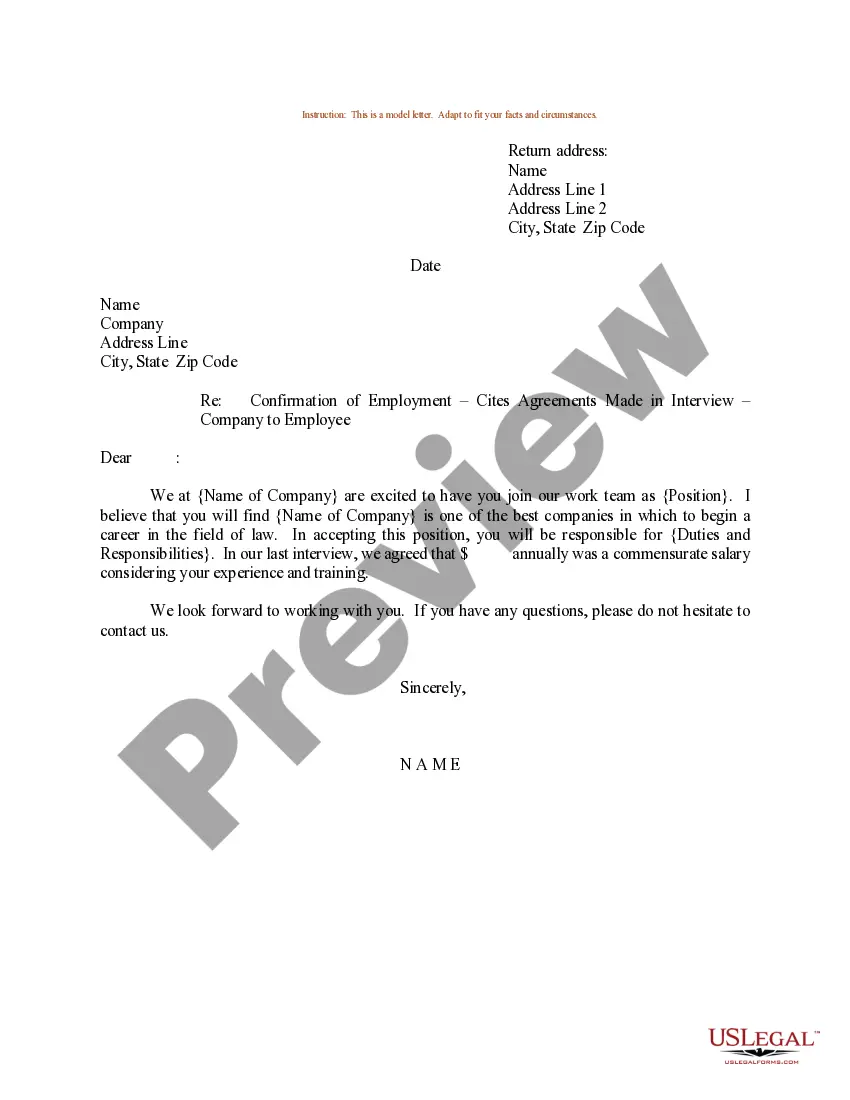
Get your form ready online
Our built-in tools help you complete, sign, share, and store your documents in one place.
Make edits, fill in missing information, and update formatting in US Legal Forms—just like you would in MS Word.
Download a copy, print it, send it by email, or mail it via USPS—whatever works best for your next step.
Sign and collect signatures with our SignNow integration. Send to multiple recipients, set reminders, and more. Go Premium to unlock E-Sign.
If this form requires notarization, complete it online through a secure video call—no need to meet a notary in person or wait for an appointment.
We protect your documents and personal data by following strict security and privacy standards.

Make edits, fill in missing information, and update formatting in US Legal Forms—just like you would in MS Word.

Download a copy, print it, send it by email, or mail it via USPS—whatever works best for your next step.

Sign and collect signatures with our SignNow integration. Send to multiple recipients, set reminders, and more. Go Premium to unlock E-Sign.

If this form requires notarization, complete it online through a secure video call—no need to meet a notary in person or wait for an appointment.

We protect your documents and personal data by following strict security and privacy standards.
Looking for another form?








Form popularity
FAQ
It's in the name – an acceptance letter is a type of professional letter used to formally respond to offers or requests. Most commonly, they're used to accept job offers, but they could also be used to accept an award, event invitation, or even a school placement. They're more than a formal way to say “yes”, though.
I am pleased to accept your job offer as (position title) at (Company XYZ). I look forward to working under (Supervisor) and hope to meet the goals outlined with the position. The duties of this role are well aligned with my qualifications and skills.
A college acceptance letter is a document that a college or university issues when you have applied and successfully secured admission to study a particular tertiary programme - whether that be a Bachelor's or Master's degree.
A job offer acceptance letter is one you write to confirm your acceptance of a job offer. After you successfully clear the selection process for a job, your new employer would send you an offer letter outlining the terms and conditions of your employment, including your job title, salary and joining date.
The letter must include the following important details: Expression of gratitude for the job offer. Clear written acceptance of the job offer. Confirmation of the terms of employment, such as salary, job title and any benefits. Clarification of your start date. Signature.
They're more than a formal way to say “yes”, though. One of the reasons why an acceptance letter is important is that it allows you to lay down any terms or conditions of the acceptance. For example, you can reinstate any work requirements, pending holidays, or terms of employment that you're agreeing to.
Dear Mr/Ms {Recipient's Name}, I would like to thank you for the job offer of {Title} that has been offered to me. It makes me more than happy to be able to work for {Company's name}. Please consider this email as my formal acceptance letter.
A Letter of Acceptance (LOA) is a pivotal document in the realm of contract management and procurement. It represents a formal acknowledgment issued by one party, often the employer or buyer, indicating the acceptance of a contract proposal or tender submitted by another party, the contractor or seller.
Dear Employer's Name, I am writing to express my sincere gratitude for the opportunity to join Company Name as a Position Title. I would like to confirm my acceptance of the position, with a start date of Start Date, as discussed. I am excited about starting work and confirming the start date.
The Elements of Criminal Contempt in the First Degree Refusing to be sworn as a witness or answering questions before a grand jury; Violating an order of protection by displaying a weapon to place another person in fear of physical injury; Violating an order of protection by stalking or harassing another person;

