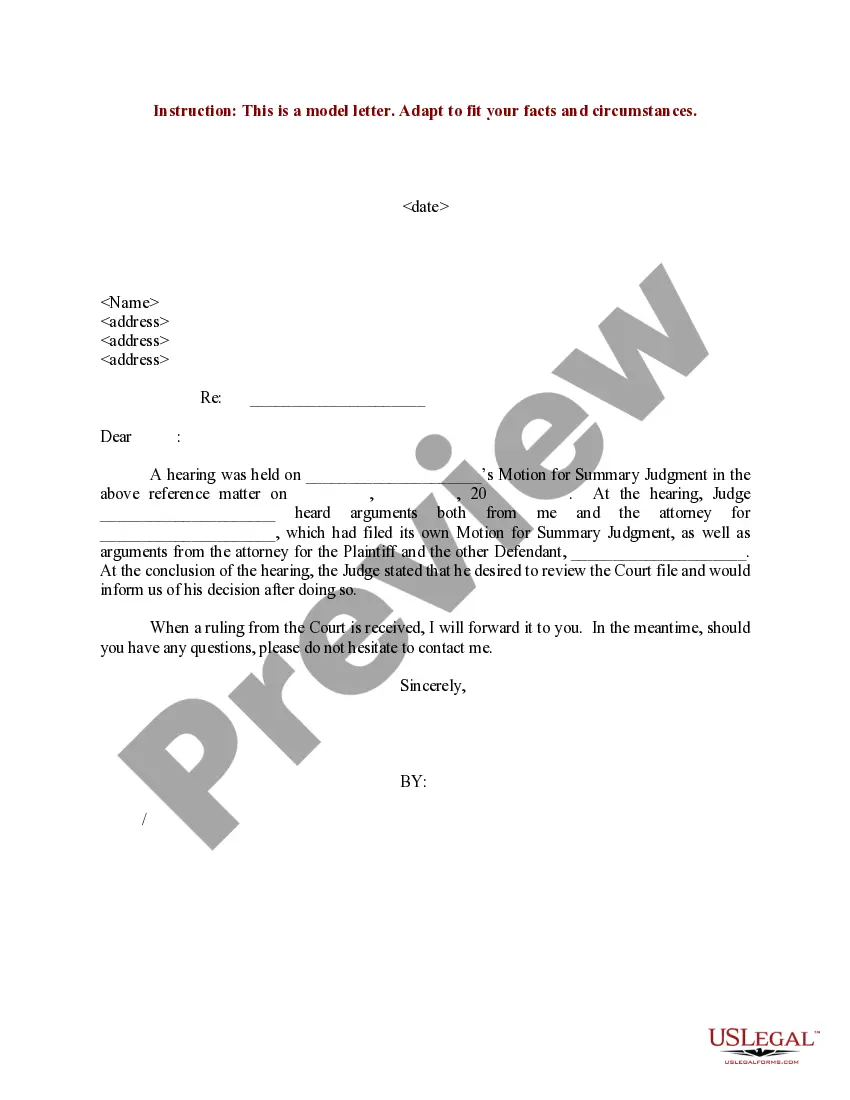
Motion Hearing In Court In Virginia
Description
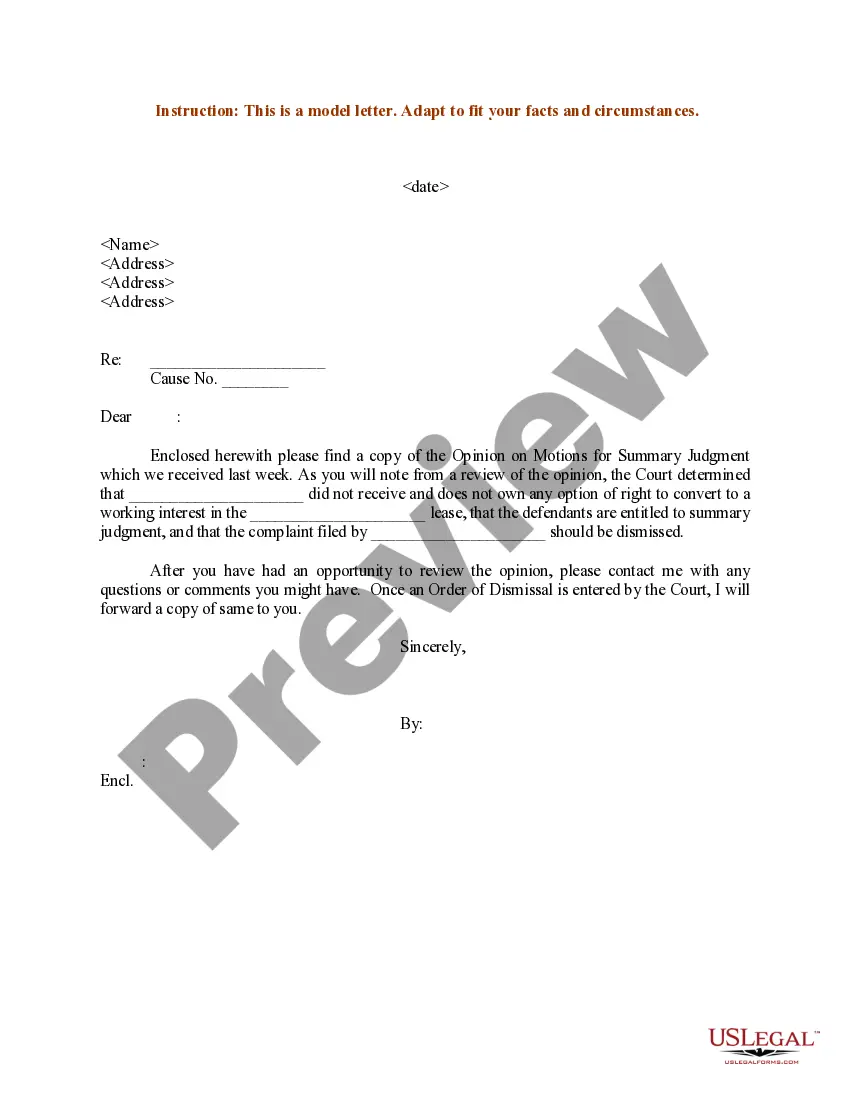
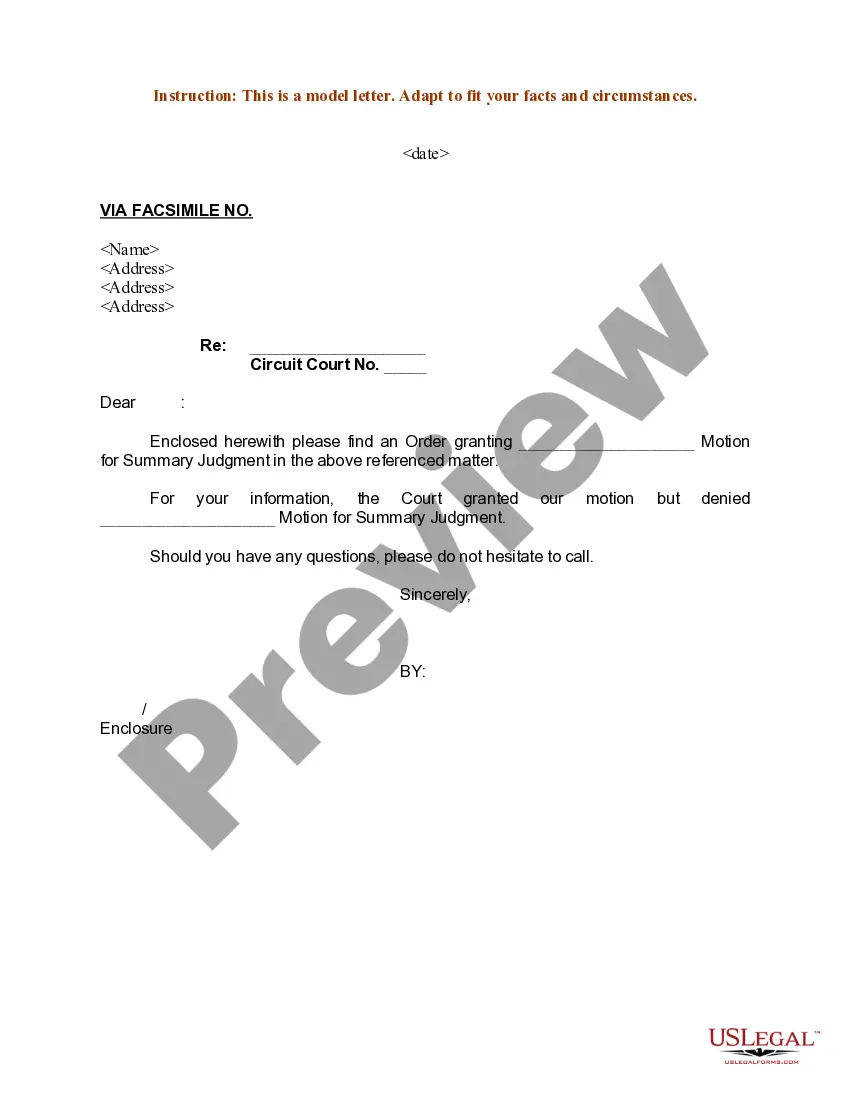
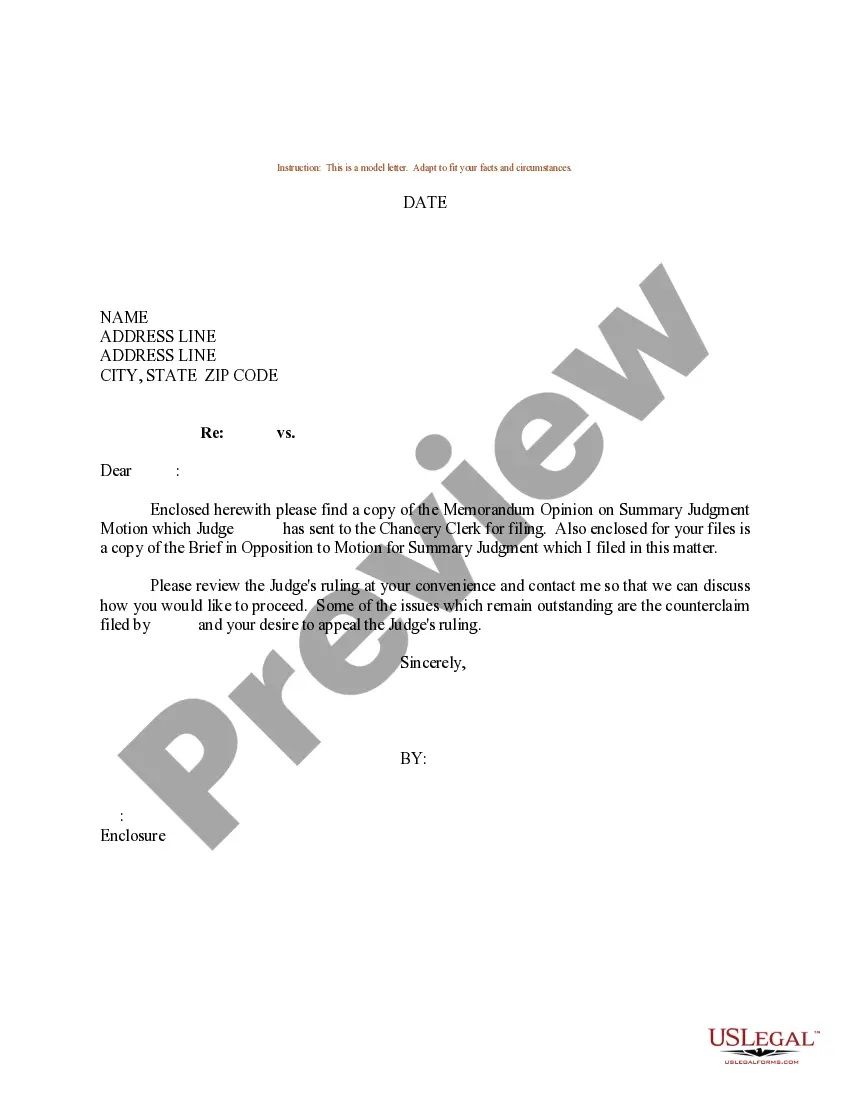
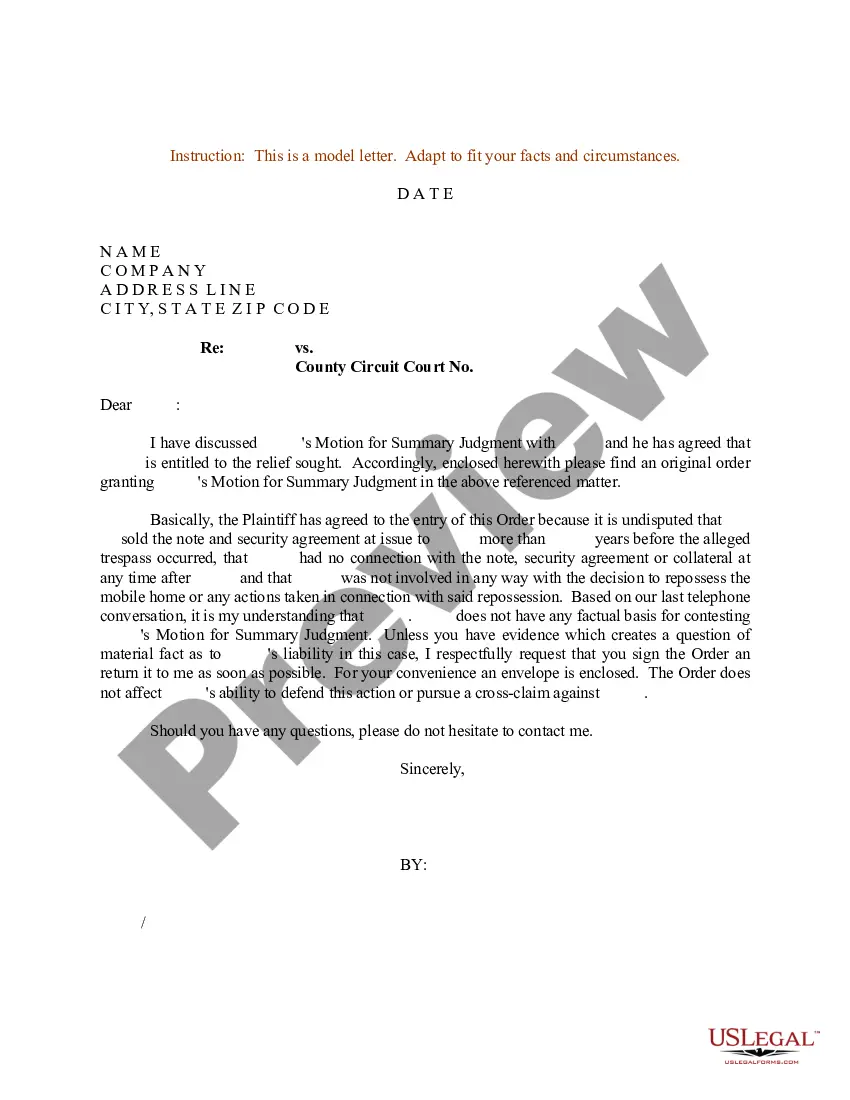
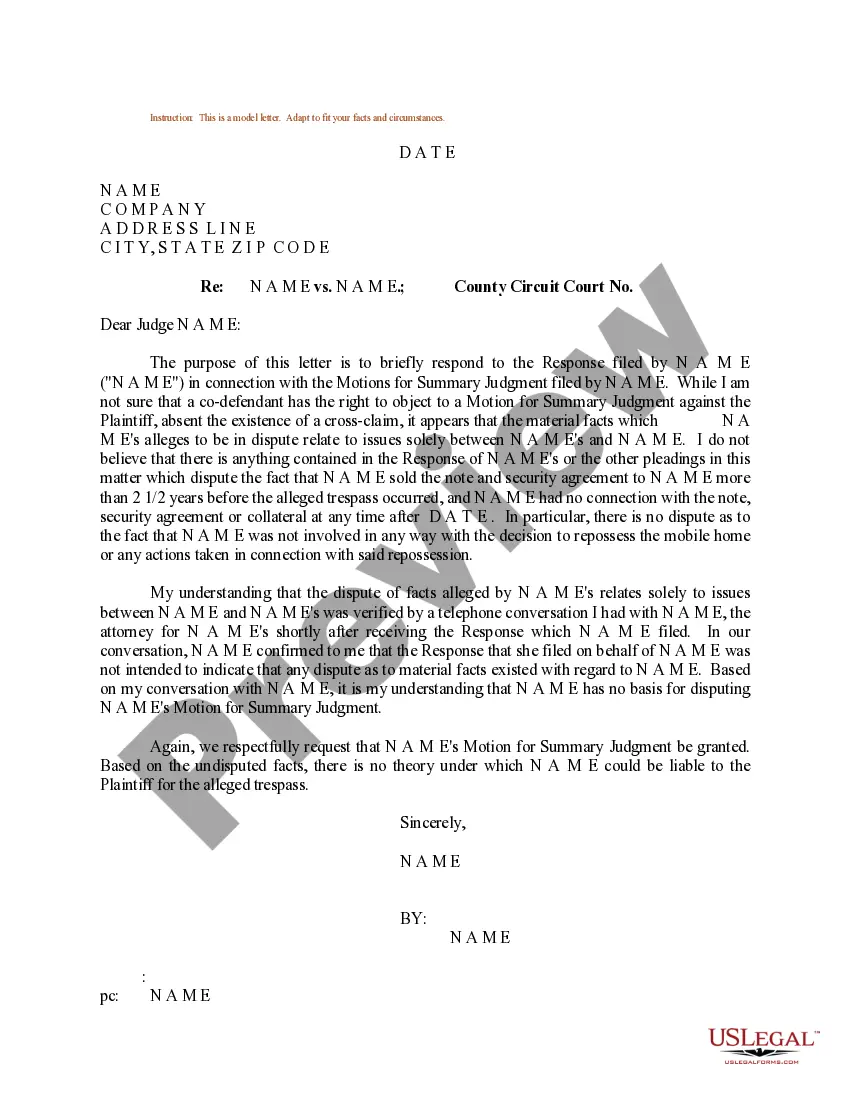
Get your form ready online
Our built-in tools help you complete, sign, share, and store your documents in one place.
Make edits, fill in missing information, and update formatting in US Legal Forms—just like you would in MS Word.
Download a copy, print it, send it by email, or mail it via USPS—whatever works best for your next step.
Sign and collect signatures with our SignNow integration. Send to multiple recipients, set reminders, and more. Go Premium to unlock E-Sign.
If this form requires notarization, complete it online through a secure video call—no need to meet a notary in person or wait for an appointment.
We protect your documents and personal data by following strict security and privacy standards.

Make edits, fill in missing information, and update formatting in US Legal Forms—just like you would in MS Word.

Download a copy, print it, send it by email, or mail it via USPS—whatever works best for your next step.

Sign and collect signatures with our SignNow integration. Send to multiple recipients, set reminders, and more. Go Premium to unlock E-Sign.

If this form requires notarization, complete it online through a secure video call—no need to meet a notary in person or wait for an appointment.

We protect your documents and personal data by following strict security and privacy standards.
Looking for another form?









Form popularity
FAQ
A motion is a paper you can file in your case. It asks the court to decide something in your case. For example, if you need more time to answer a complaint against you, you can file a motion to extend the time to answer. If you do not have a case, you cannot file a motion.
Understand Judicial Attention Spans: Be Certain Your Brief and Arguments Tell the Story. Employ Innocence by Association. Avoid “Red Flag” Clues for the Judicial Reader. Avoid Ad Hominem Attacks and Language. Argue to Win. Never Squander Credibility.
- Sign your name. Be Respectful: Use polite language and show respect for the judge and the court. Stay Honest: Share your true feelings, but avoid exaggeration or negative comments about others. Keep It Clear and Concise: Try to keep the letter to one page and focus on your main points.
All motions, except motions for the qualification of attorneys at law to practice in this Court, shall be in writing and filed with the clerk of this Court. All motions shall contain a statement by the movant that the other parties to the appeal have been informed of the intended filing of the motion.
If you want to file a motion, the process is generally something like this: You write your motion. You file your motion with the court clerk. The court clerk inserts the date and time your motion will be heard by the judge. You “serve” (mail) your motion to the other side.
If you want to file a motion, the process is generally something like this: You write your motion. You file your motion with the court clerk. The court clerk inserts the date and time your motion will be heard by the judge. You “serve” (mail) your motion to the other side.
Seven days' notice is required to the opposing party and the court. Motions may be typed by either party, may be filed on the General Notice and Motion Form or may be filed on one of the appropriate forms provided by the Supreme Court of Virginia (located here).
Motions may be filed for the same purposes recognized by the courts of record in the Commonwealth. Unless otherwise ordered by the commission, any response to a motion must be filed within 14 days of the filing of the motion, and any reply by the moving party must be filed within 10 days of the filing of the response.
The more concise and simple you can make the introduction, the more the reader—the judge or their clerk—will be responsive to the more detailed arguments coming in the body of the motion. The heart of the motion will be facts, supporting evidence, and the legal basis for your argument.