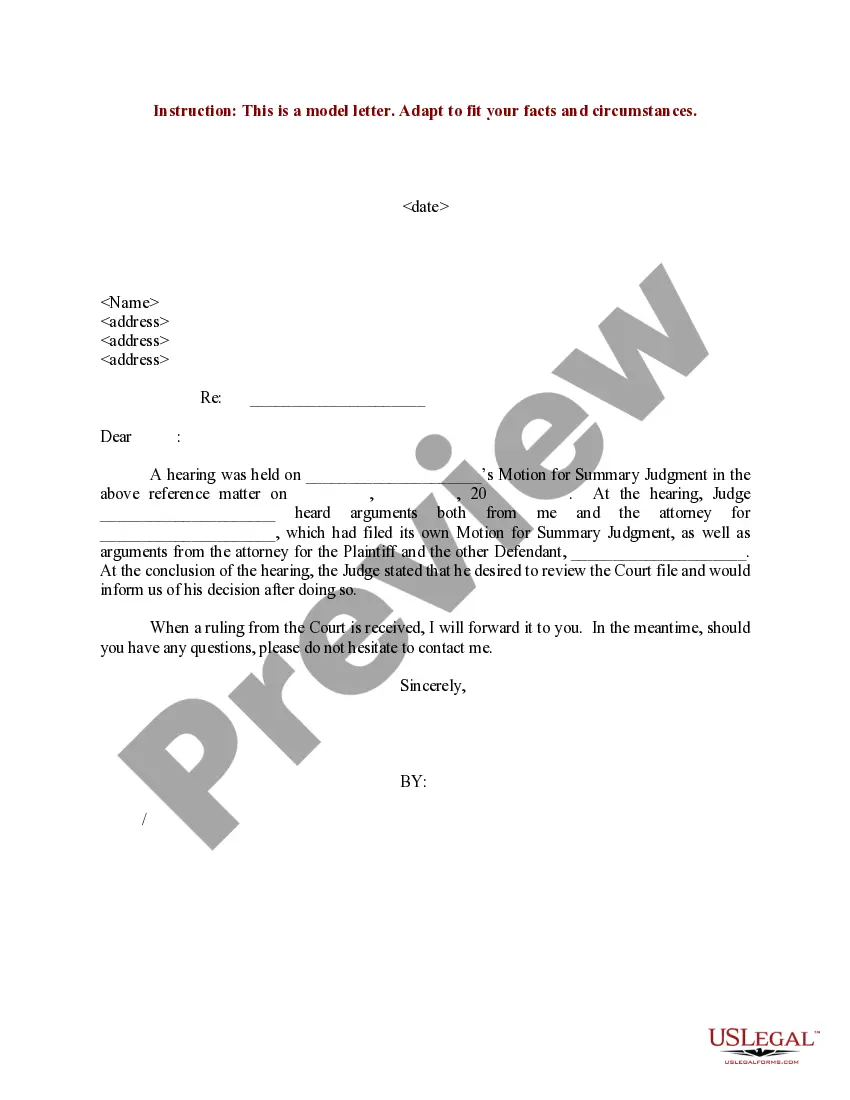
Motion Hearing In Court In San Jose
Description
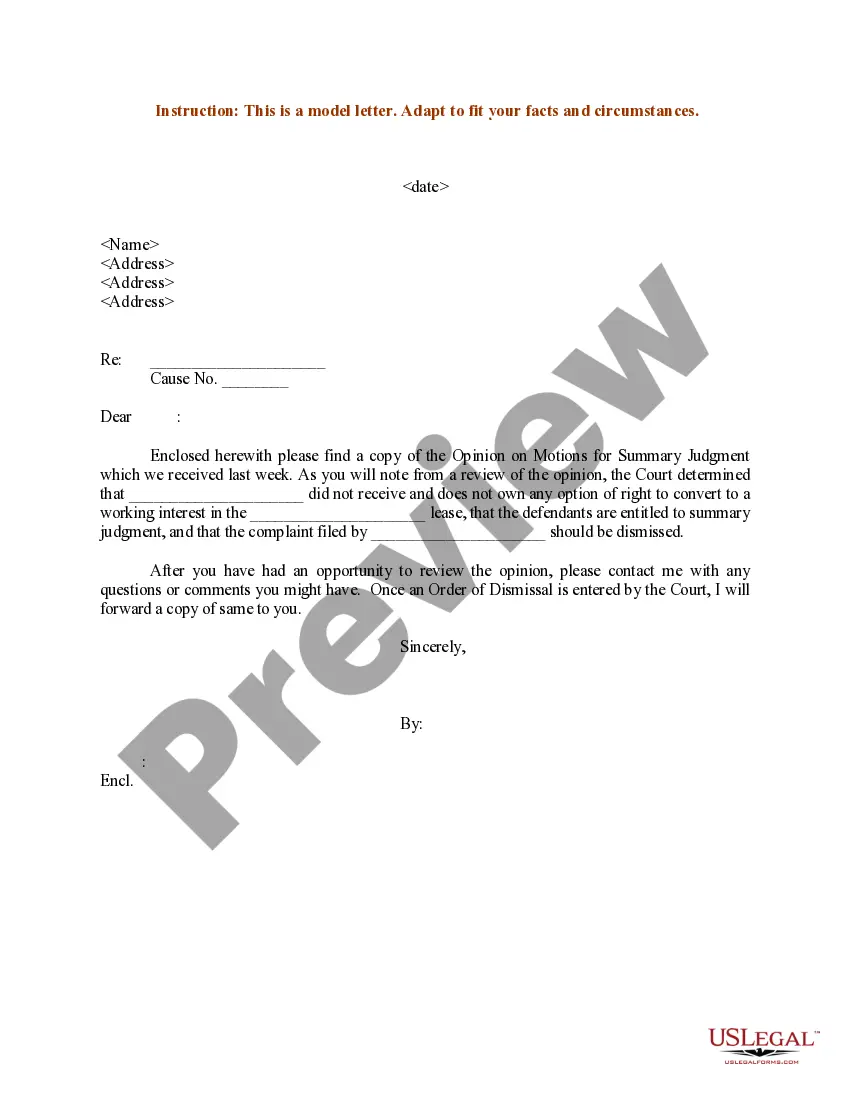
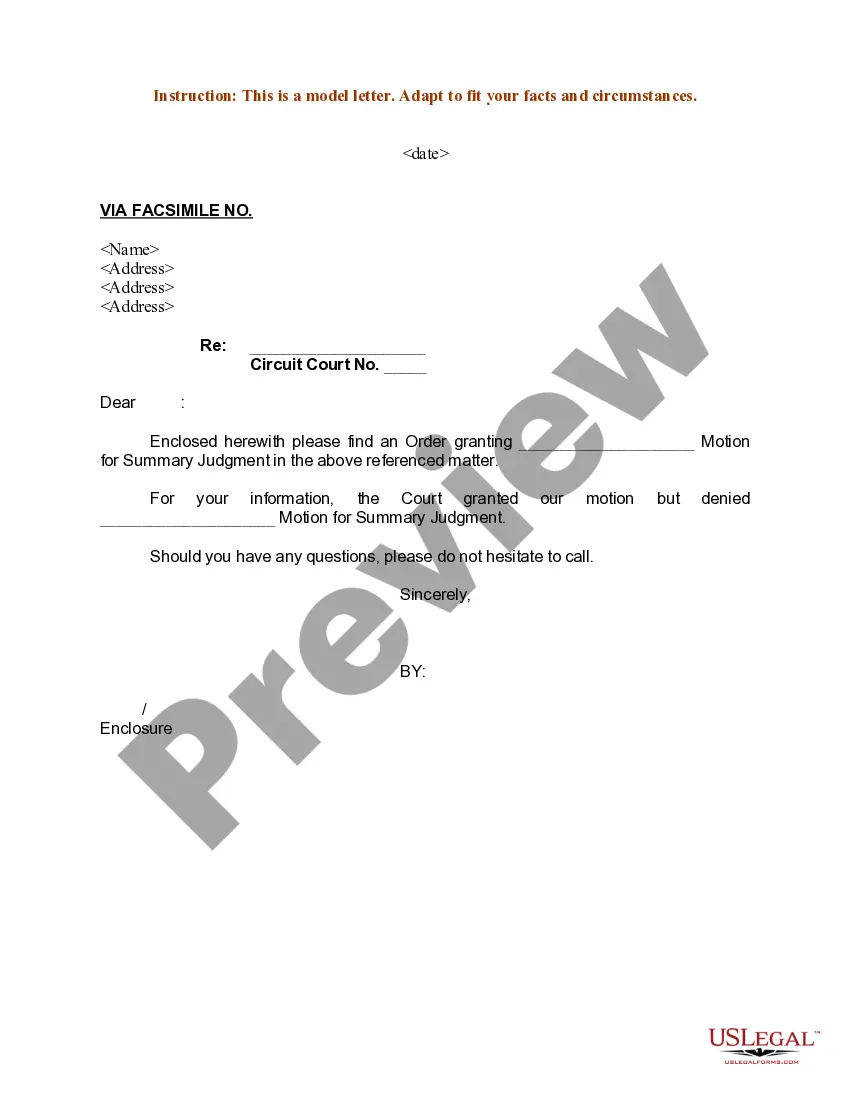
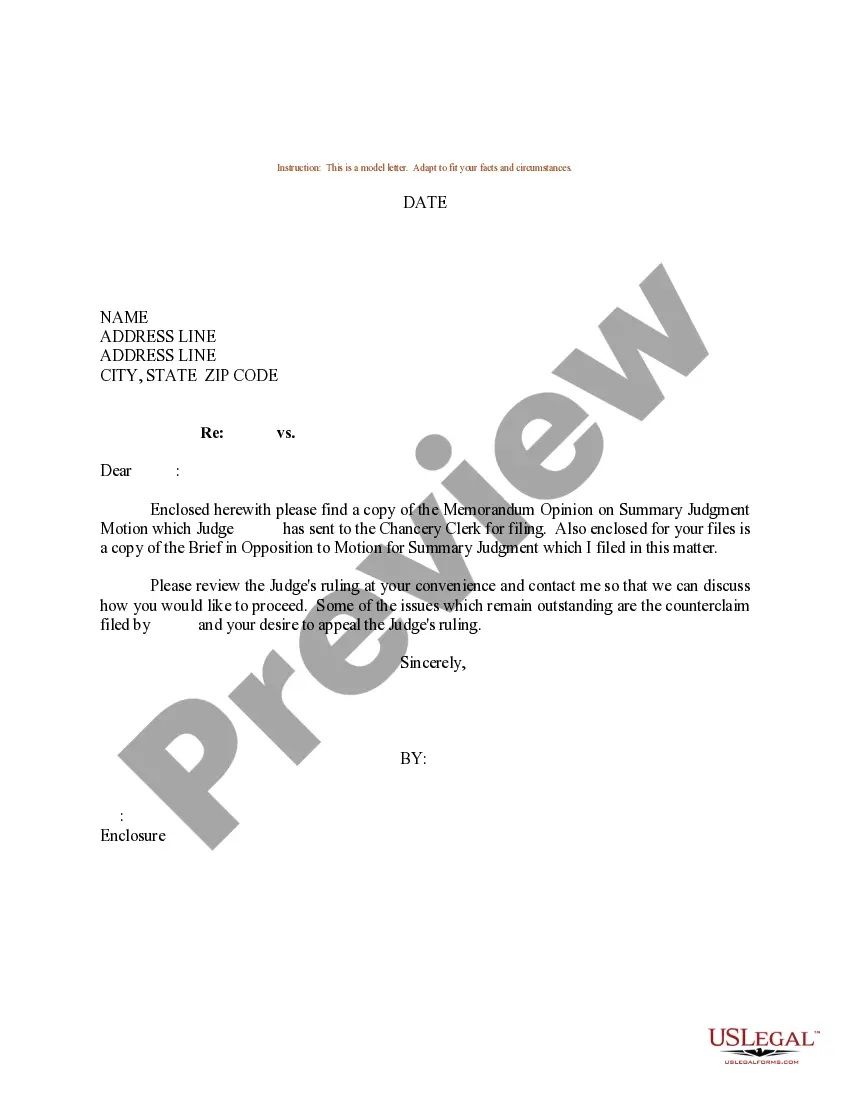
Get your form ready online
Our built-in tools help you complete, sign, share, and store your documents in one place.
Make edits, fill in missing information, and update formatting in US Legal Forms—just like you would in MS Word.
Download a copy, print it, send it by email, or mail it via USPS—whatever works best for your next step.
Sign and collect signatures with our SignNow integration. Send to multiple recipients, set reminders, and more. Go Premium to unlock E-Sign.
If this form requires notarization, complete it online through a secure video call—no need to meet a notary in person or wait for an appointment.
We protect your documents and personal data by following strict security and privacy standards.

Make edits, fill in missing information, and update formatting in US Legal Forms—just like you would in MS Word.

Download a copy, print it, send it by email, or mail it via USPS—whatever works best for your next step.

Sign and collect signatures with our SignNow integration. Send to multiple recipients, set reminders, and more. Go Premium to unlock E-Sign.

If this form requires notarization, complete it online through a secure video call—no need to meet a notary in person or wait for an appointment.

We protect your documents and personal data by following strict security and privacy standards.
Looking for another form?



Form popularity
FAQ
After that, it's whenever the judge gets to it, but generally there are case managers who run the timelines and forward motions to assigned judge's chambers when they can be ruled upon, and typically they are ruled on within 10-30 days, or a hearing is scheduled if one is requested and the judge feels it is necessary ...
(b) Unless otherwise ordered or specifically provided by law, all moving and supporting papers shall be served and filed at least 16 court days before the hearing.
You will have to formally prepare the Motion or oppose a Motion on pleading paper in ance with the law and California Rules of Court. There are no fillable forms. Motions are complicated. You may wish to seek the advice of a lawyer to be sure the documents are properly prepared.
If you want to file a motion, the process is generally something like this: You write your motion. You file your motion with the court clerk. The court clerk inserts the date and time your motion will be heard by the judge. You “serve” (mail) your motion to the other side.
Ask for a court order You have 45 days from the service of the most recent responses to ask the court to make an order requiring an answer. If the response was served by mail, 5 extra days are added. If the last day falls on a weekend or court holiday, the last day to file rolls to the next court date.
Motions: 16 court days before hearing (+5 calendar days for mailing). If the mailing deadline (16+5 days) has passed, but there are still more than 16 court days before the hearing, you can have it served by personal delivery. If you miss the service deadline entirely, you will need to re-schedule your motion.
In effect, the 90-day rule is not a strict 90 days but a practical deadline at the end of the month in which the 90th day falls. Third, judges have the ability to vacate submission and resubmit cases-thereby restarting the 90-day period. 5 That means judges have the power to grant themselves an extension.
Court Code 43470, as part of a broader set of regulations, governs specific aspects of civil litigation, particularly regarding the filing and processing of documents within Santa Clara County Superior Court. While the precise details of the code are complex, understanding its underlying principles is vital.
The court will schedule your hearing. During this hearing, the judge makes sure both your Los Angeles criminal defense lawyer and the prosecution are ready to proceed. The judge also hears any legal arguments related to the motion your lawyer has to make.