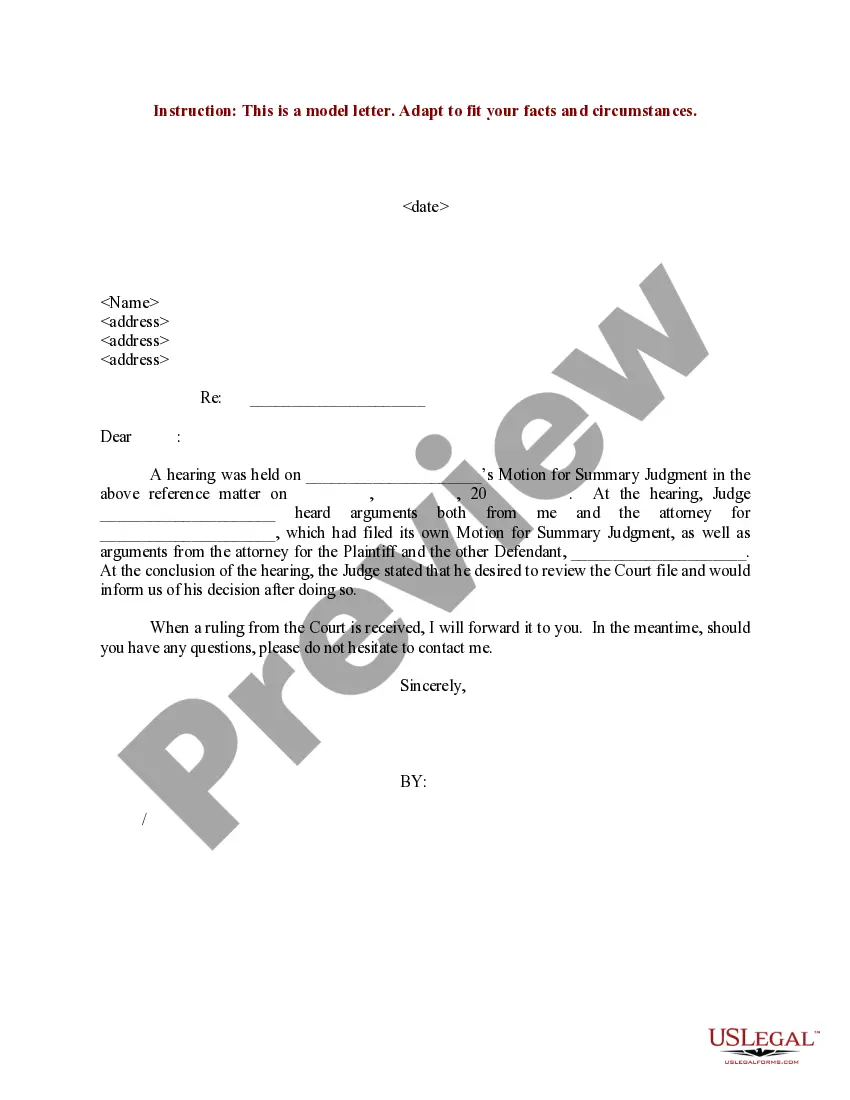
Letter Concerning Hearing For Employee In Ohio
Description
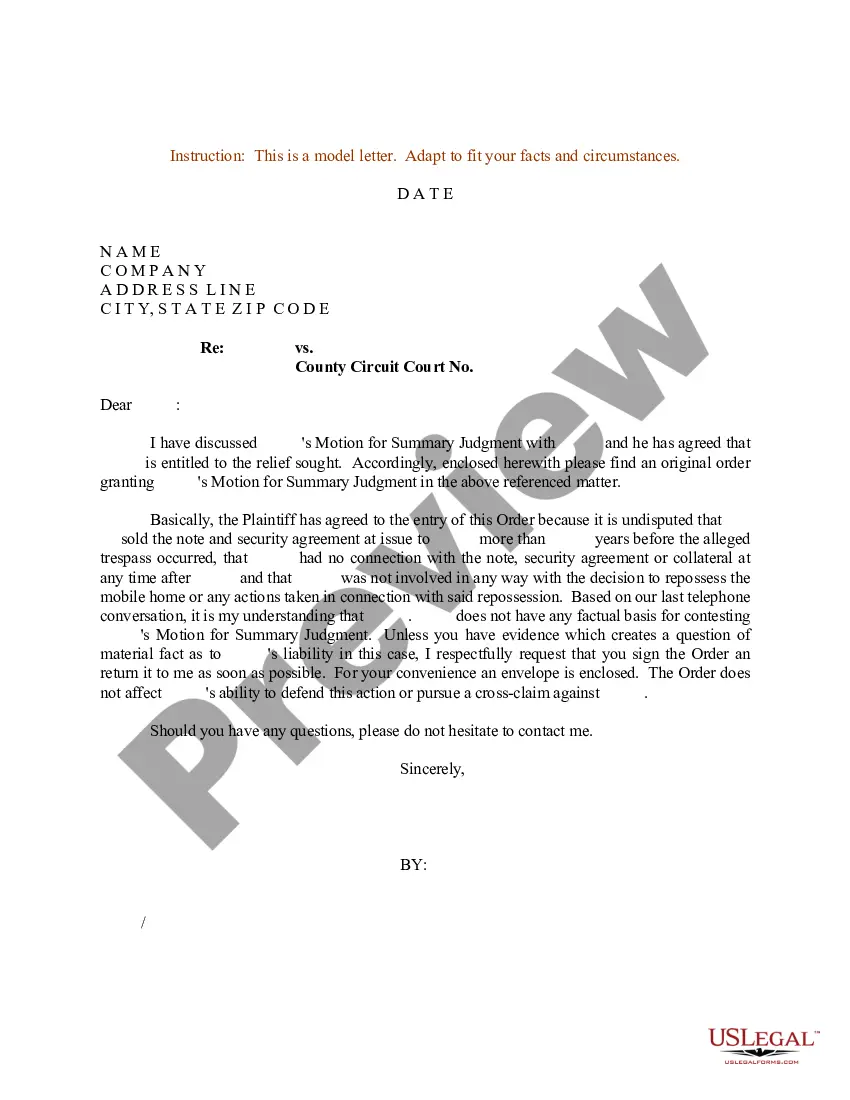
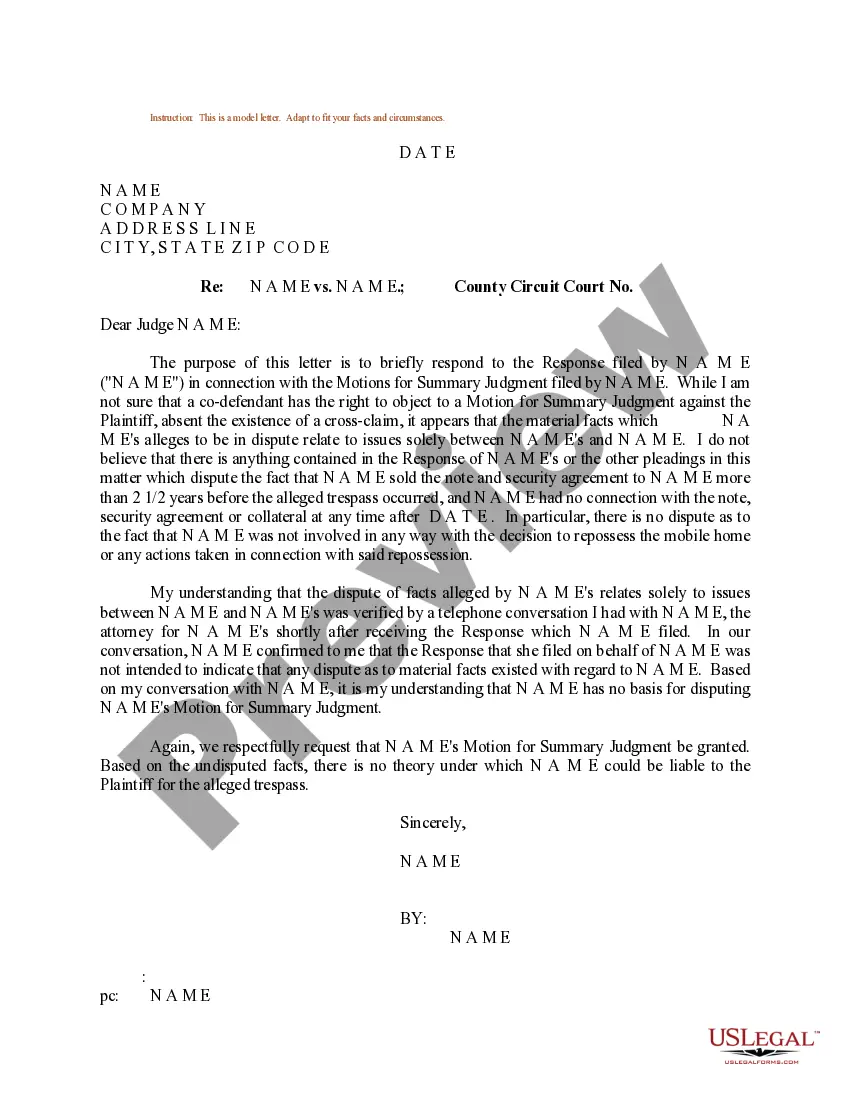
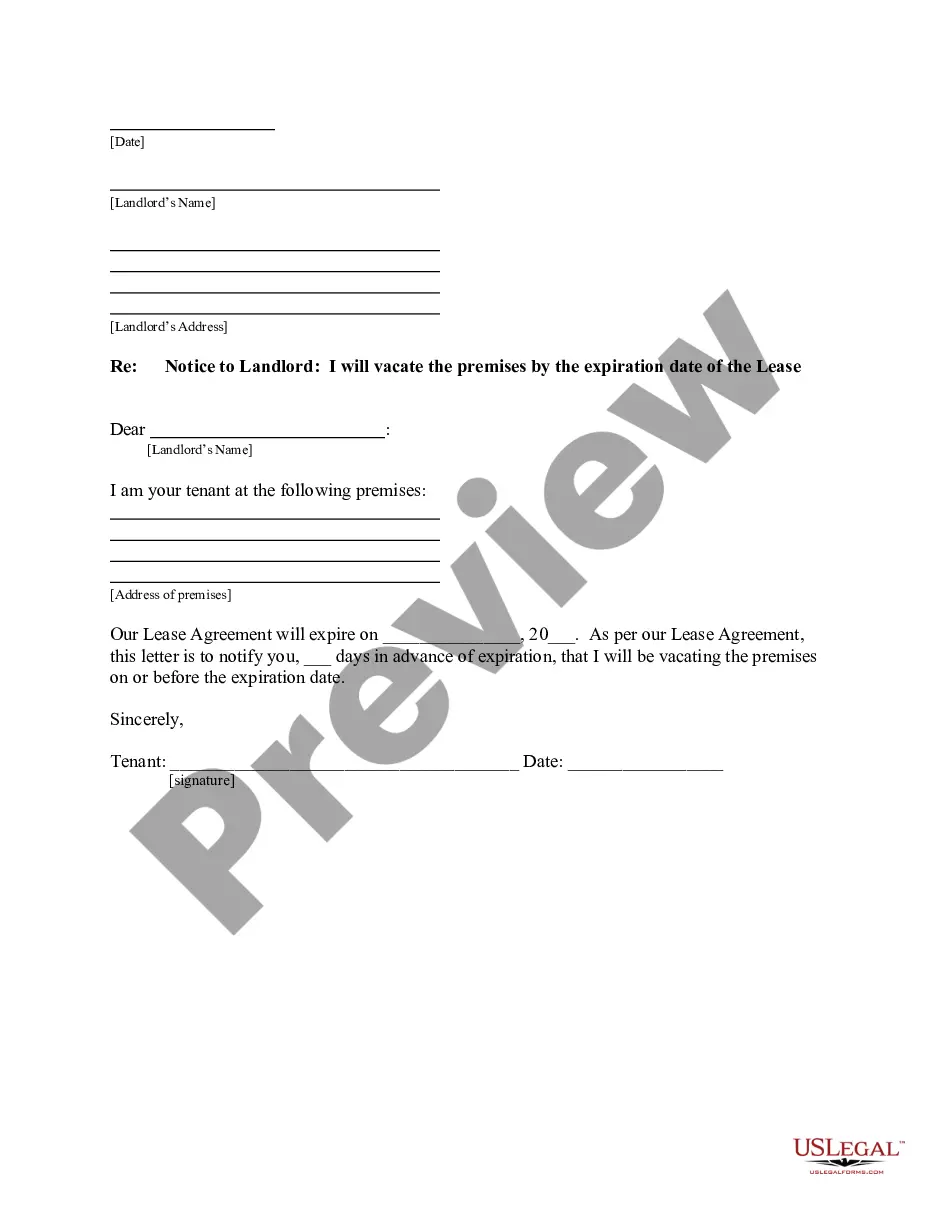
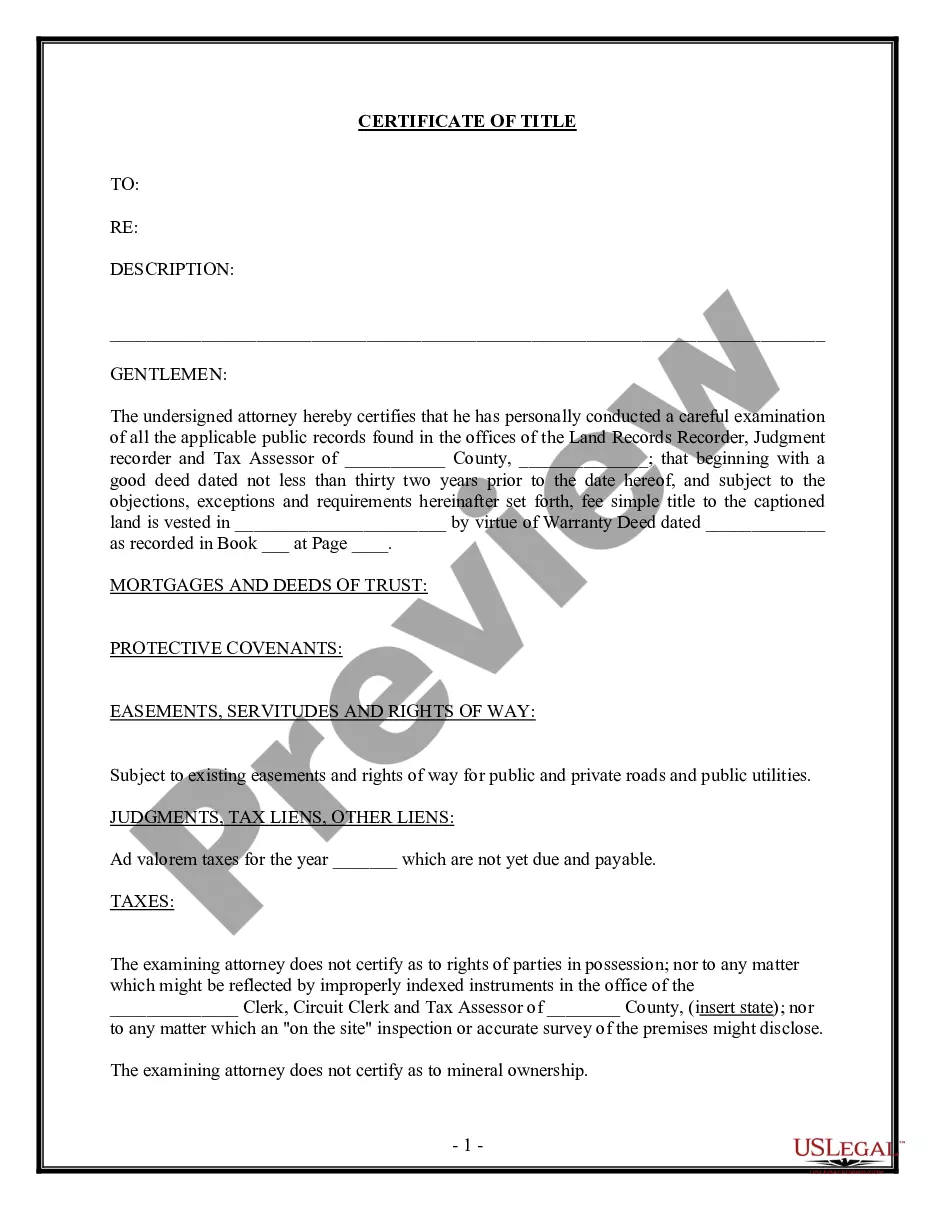
Get your form ready online
Our built-in tools help you complete, sign, share, and store your documents in one place.
Make edits, fill in missing information, and update formatting in US Legal Forms—just like you would in MS Word.
Download a copy, print it, send it by email, or mail it via USPS—whatever works best for your next step.
Sign and collect signatures with our SignNow integration. Send to multiple recipients, set reminders, and more. Go Premium to unlock E-Sign.
If this form requires notarization, complete it online through a secure video call—no need to meet a notary in person or wait for an appointment.
We protect your documents and personal data by following strict security and privacy standards.

Make edits, fill in missing information, and update formatting in US Legal Forms—just like you would in MS Word.

Download a copy, print it, send it by email, or mail it via USPS—whatever works best for your next step.

Sign and collect signatures with our SignNow integration. Send to multiple recipients, set reminders, and more. Go Premium to unlock E-Sign.

If this form requires notarization, complete it online through a secure video call—no need to meet a notary in person or wait for an appointment.

We protect your documents and personal data by following strict security and privacy standards.
Looking for another form?








Form popularity
FAQ
Preparing for the Hearing Process Preparing an Opening Statement. There must be order and clarity. Preparing your questions for the Employee witness (Cross-Examination) ... Preparing your questions for your own witness (Evidence-in-Chief) ... Preparing your closing argument.
An opening statement should include : A brief summary of the case. Reference to any facts that are not in dispute. The issues that are in dispute. What has to be decided by the Chairman. How you intend to demonstrate your case through your evidence. What result you are seeking.
Stay focused: Stay focused on the facts and don't get emotional. Stick to the point and don't bring up irrelevant issues. Disagreement: If you disagree with the allegations, explain why, and provide evidence to support your position. Ask questions and seek clarification: Ask questions if you're unsure about anything.
If you consider your behaviour or conduct was justified, clearly explain why you did what you did. If you do not consider that you committed the misconduct in question, again, clearly explain the reasons why you believe you did not commit the act as alleged.
Here are some disciplinary hearing question examples you can use: Do you know why this meeting is being held? Do you understand the accusation against you? Do you know the consequences for this type of misconduct/ misbehaviour? Do you understand the steps involved with the disciplinary procedure?
Decide on representation and which witnesses and other evidence you'd like to use to defend yourself; Prepare questions for both the employer's witnesses and your witnesses; Put forward clear-cut evidence that acquits you from the allegations; and. Prepare your closing statement.
Notice of disciplinary hearing letter: possible warning Today's date Dear name of employee ... give details. I enclose the following evidence: list of enclosed evidence. The possible consequences arising from this hearing might be: give possible consequences. Name of manager
A letter giving notice of a disciplinary hearing where dismissal or other serious action is being considered.
The invitation to the disciplinary should provide sufficient notice of the meeting (usually 3 – 5 days) in order to allow the employee a chance to consider the allegations against them, prepare their response and arrange for a companion to accompany them at the meeting.