Motion Hearing In Court In New York
Description


Form popularity
FAQ
In order to make a motion in the Court of Claims, you must prepare a set of "motion papers," serve a copy of the motion papers on the opposing party or the opposing party's attorney, and submit the original and two copies of the motion papers to the Clerk of the Court, with an Affidavit of Service (a sworn statement ...
Understand Judicial Attention Spans: Be Certain Your Brief and Arguments Tell the Story. Employ Innocence by Association. Avoid “Red Flag” Clues for the Judicial Reader. Avoid Ad Hominem Attacks and Language. Argue to Win. Never Squander Credibility.
If you want to file a motion, the process is generally something like this: You write your motion. You file your motion with the court clerk. The court clerk inserts the date and time your motion will be heard by the judge. You “serve” (mail) your motion to the other side.
The outcome of the motion hearing The judge's decision is issued in the form of an order, which grants or denies the motion. This order becomes an official part of the court record and dictates the next steps in the litigation process.
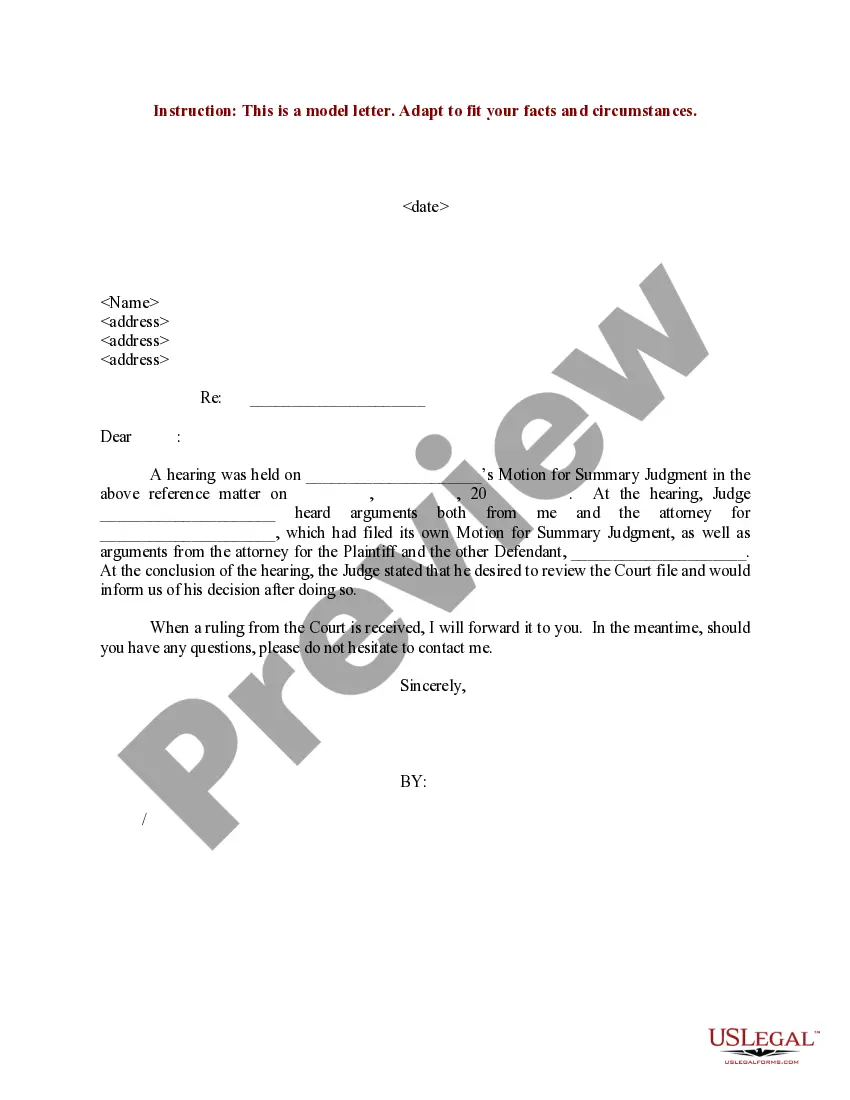
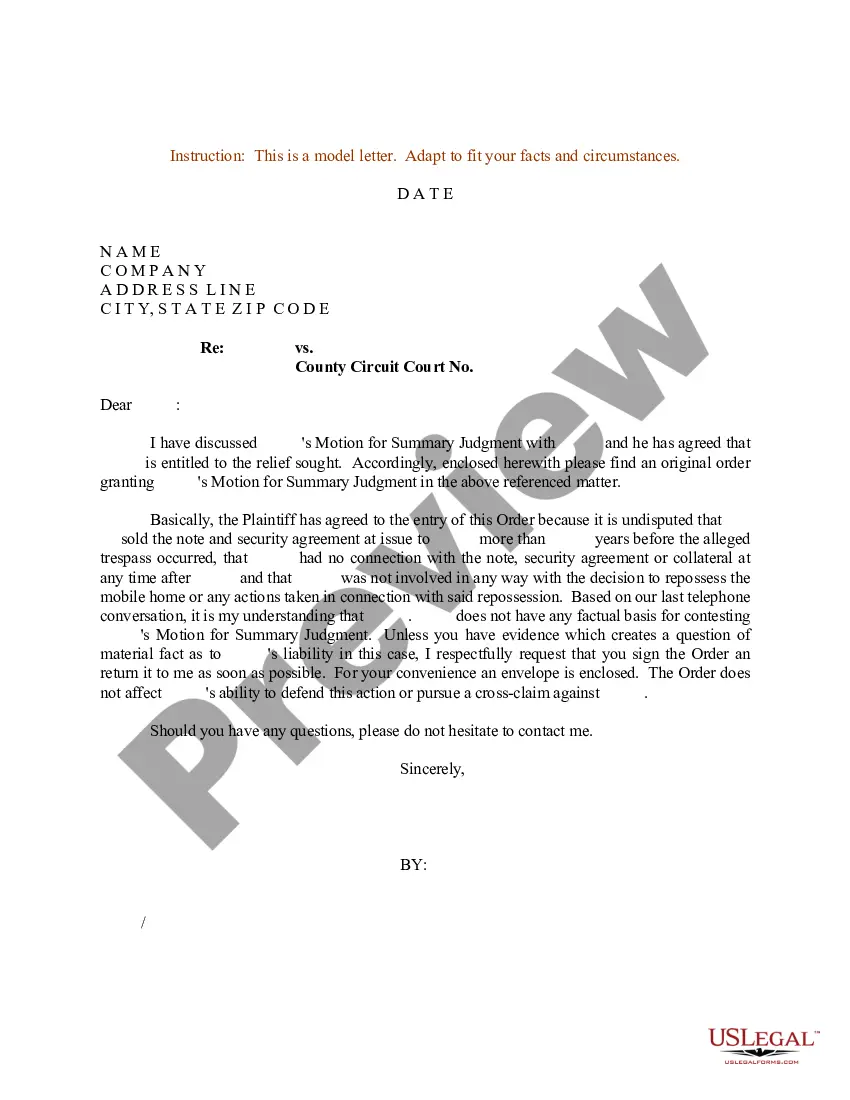
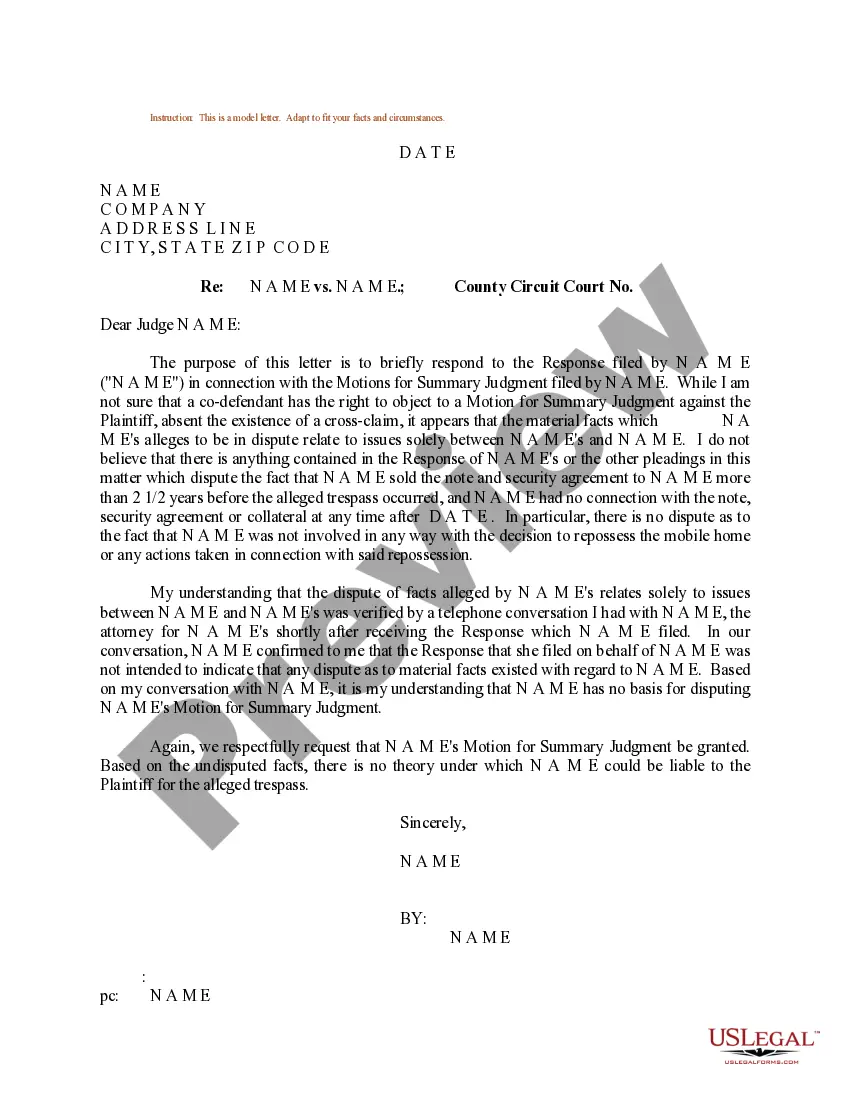
A motion hearing is a proceeding in a legal context where one party requests the court to take a specific action or make a decision on a particular issue. It is an opportunity for the parties involved to present arguments and evidence to support their positions before the court.
Motion Hearings: These hearings occur when one party in the case wants the judge to make a decision on a specific aspect of the case before the trial. They can vary in length, often taking anywhere from a few minutes to several hours, depending on the complexity of the motion being discussed.
The decision of the court shall be rendered within sixty days after the cause or matter is finally submitted or within sixty days after a motion under rule 4403, whichever is later, unless the parties agree to extend the time.
A motion is an application to the court made by the prosecutor or defense attorney, requesting that the court make a decision on a certain issue before the trial begins. The motion can affect the trial, courtroom, defendants, evidence, or testimony.
The court will schedule your hearing. During this hearing, the judge makes sure both your Los Angeles criminal defense lawyer and the prosecution are ready to proceed. The judge also hears any legal arguments related to the motion your lawyer has to make.
The court will schedule your hearing. During this hearing, the judge makes sure both your Los Angeles criminal defense lawyer and the prosecution are ready to proceed. The judge also hears any legal arguments related to the motion your lawyer has to make.