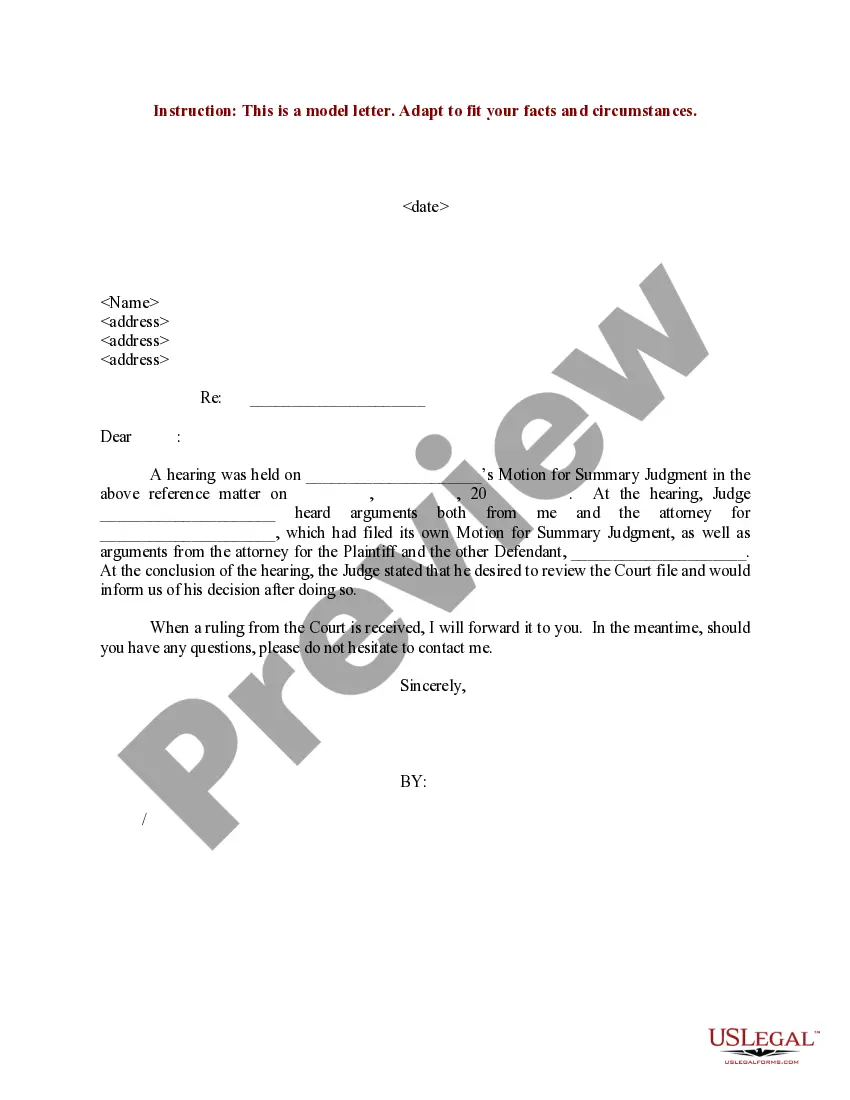
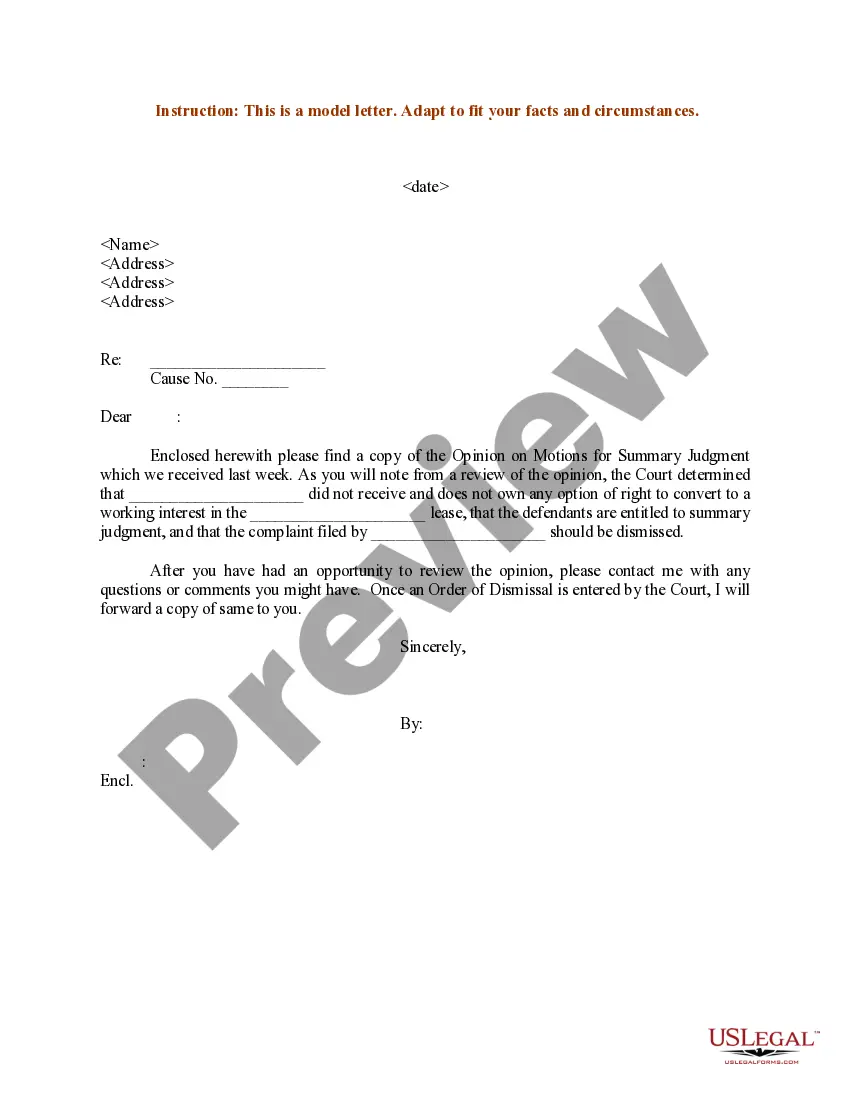
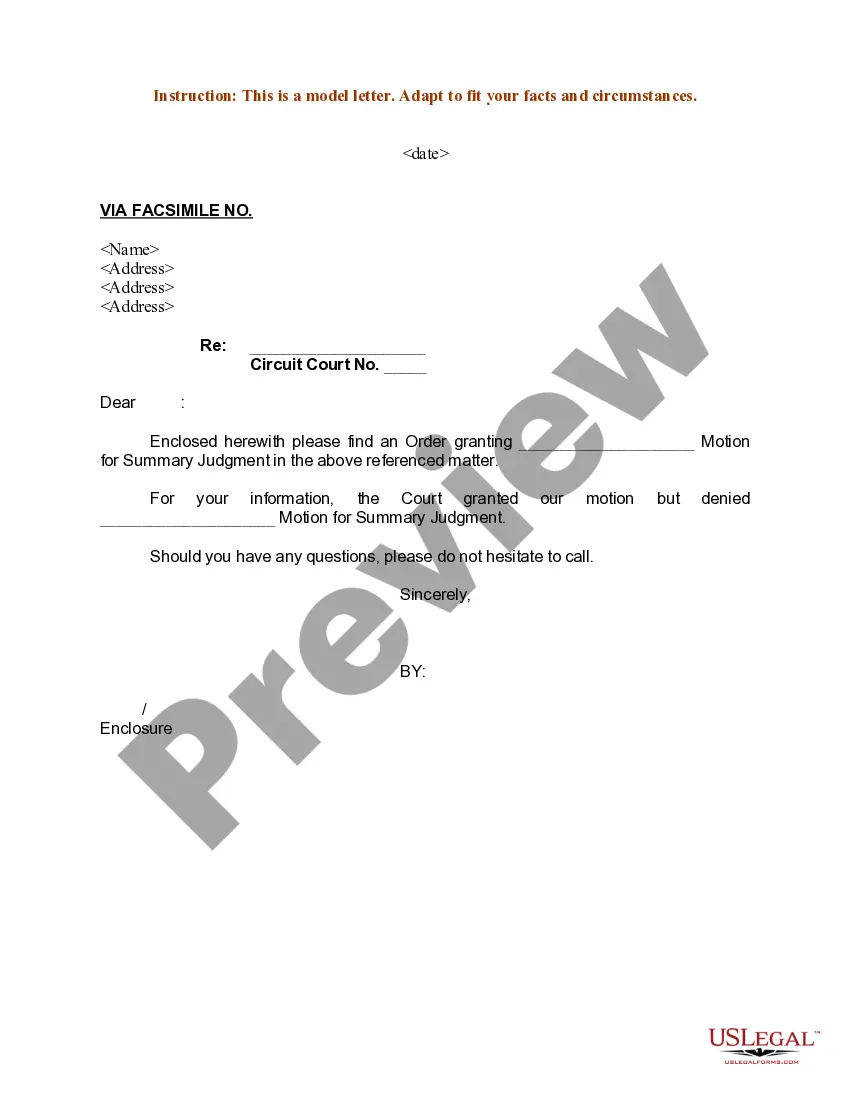
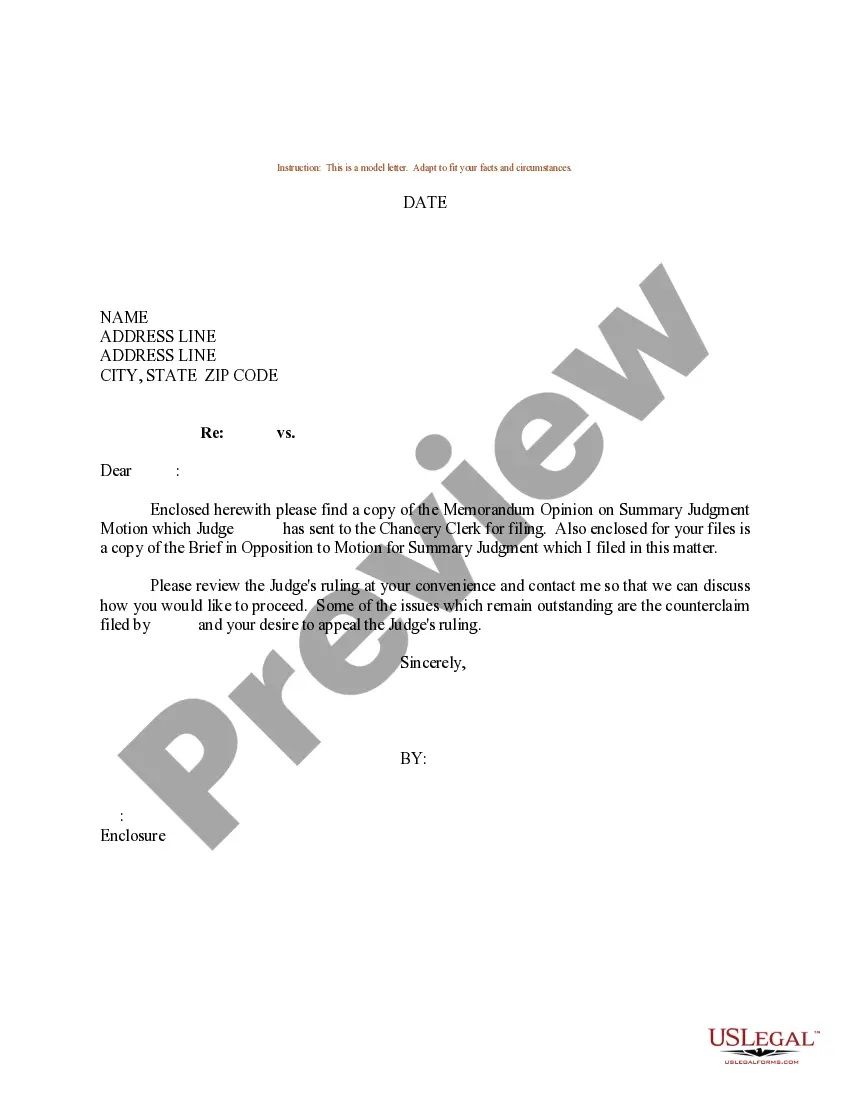
Letter Concerning Hearing For Court In Middlesex
Description
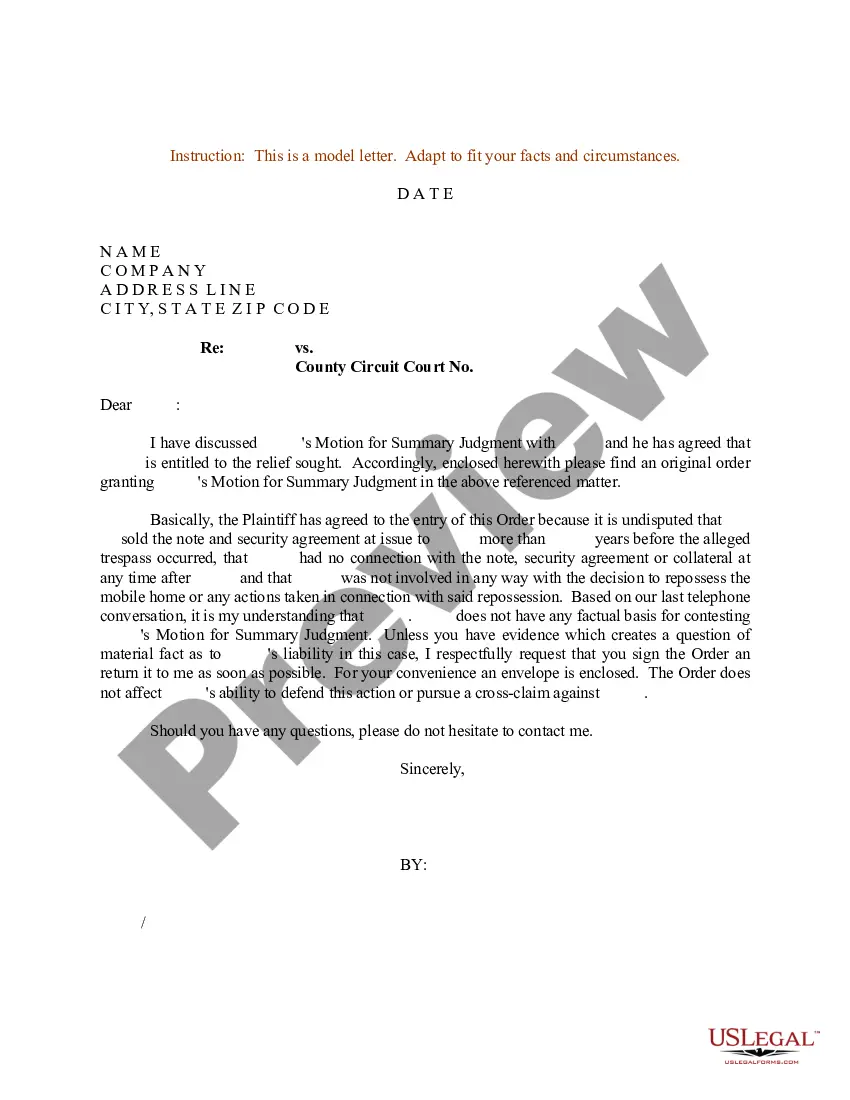
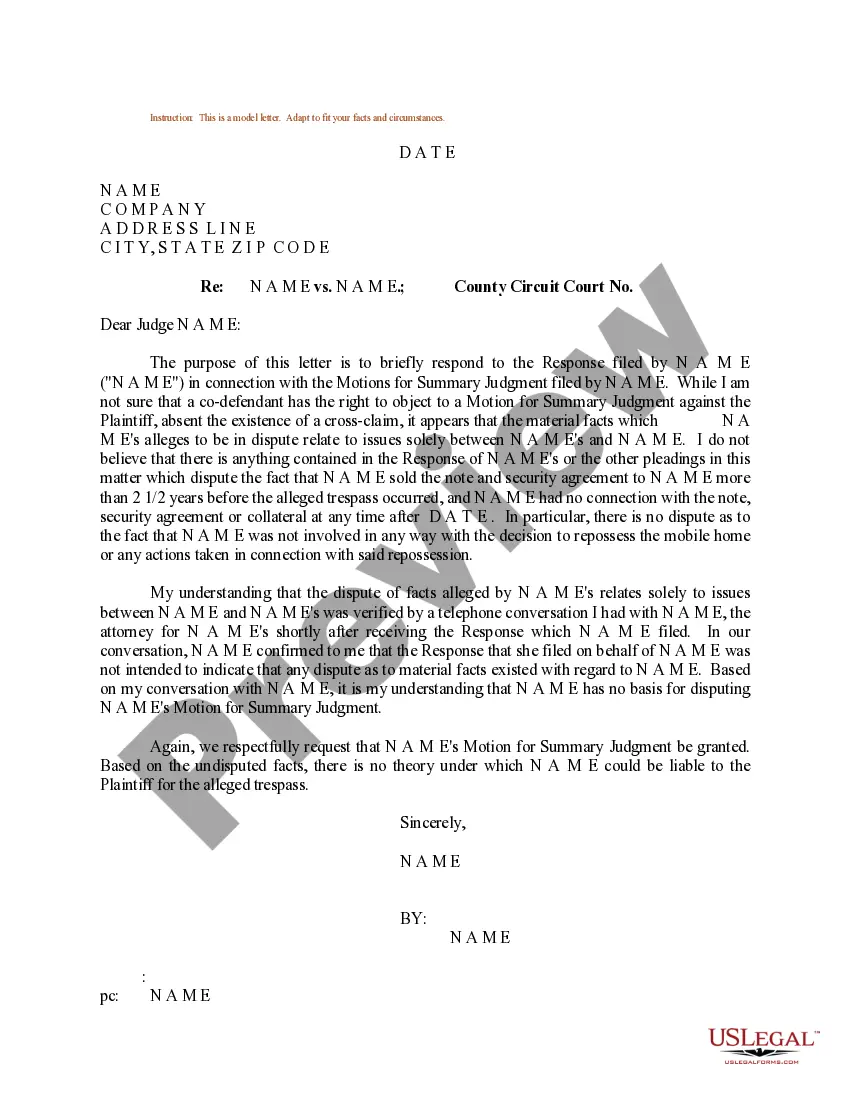
Get your form ready online
Our built-in tools help you complete, sign, share, and store your documents in one place.
Make edits, fill in missing information, and update formatting in US Legal Forms—just like you would in MS Word.
Download a copy, print it, send it by email, or mail it via USPS—whatever works best for your next step.
Sign and collect signatures with our SignNow integration. Send to multiple recipients, set reminders, and more. Go Premium to unlock E-Sign.
If this form requires notarization, complete it online through a secure video call—no need to meet a notary in person or wait for an appointment.
We protect your documents and personal data by following strict security and privacy standards.

Make edits, fill in missing information, and update formatting in US Legal Forms—just like you would in MS Word.

Download a copy, print it, send it by email, or mail it via USPS—whatever works best for your next step.

Sign and collect signatures with our SignNow integration. Send to multiple recipients, set reminders, and more. Go Premium to unlock E-Sign.

If this form requires notarization, complete it online through a secure video call—no need to meet a notary in person or wait for an appointment.

We protect your documents and personal data by following strict security and privacy standards.
Looking for another form?

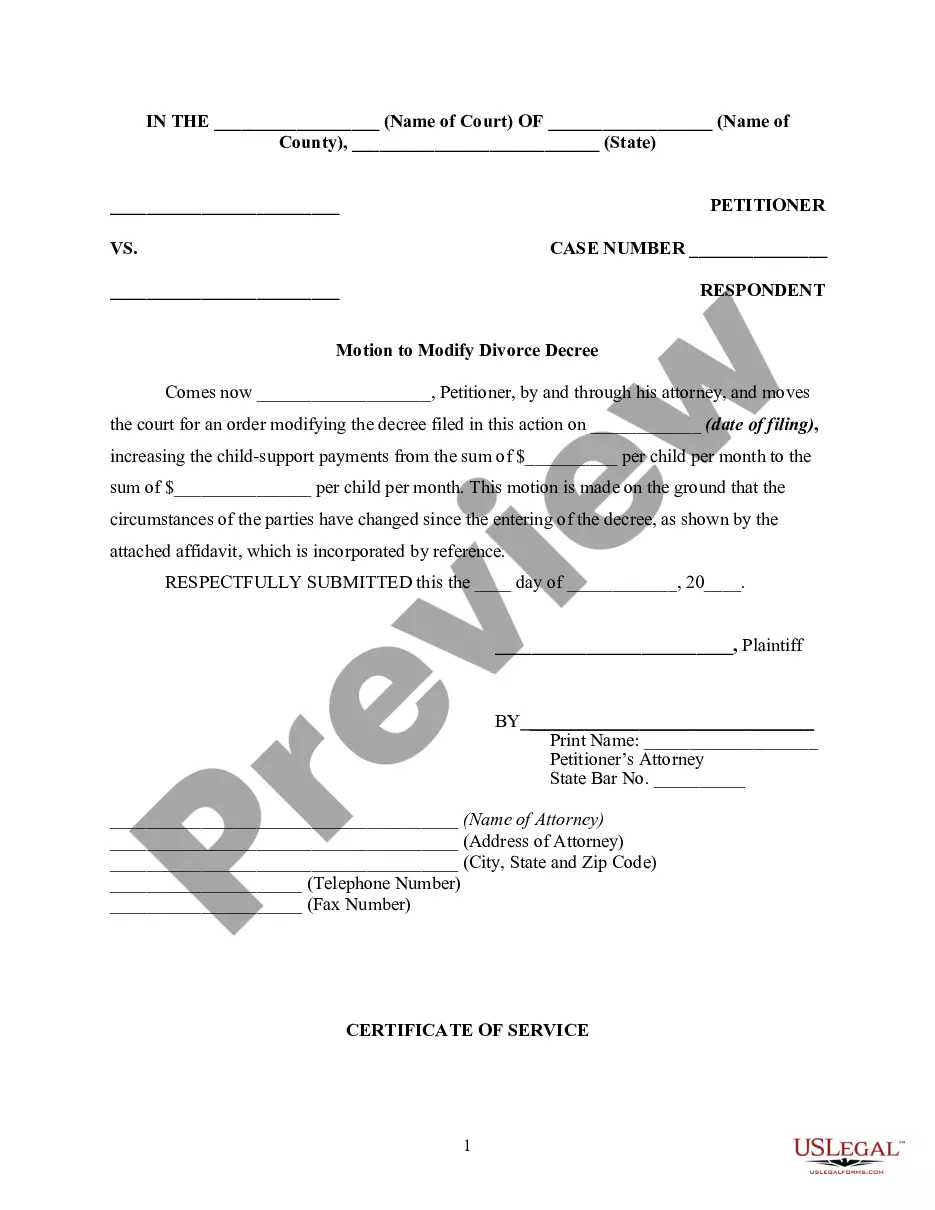








Form popularity
FAQ
You can search for a case in the following three ways: By Case Number – The case number for the case needs to be entered in the following format, CA-YYYY-000000 e.g.CA-2022-012345. By Title – The title can be entered using the names of either party.
The Find Case Law service provides public access to recent judgments from the England and Wales High Court, the Court of Appeal, the Supreme Court and tribunal decisions from the Upper Tribunals. The service will be expanded to include more courts and tribunals and a greater range of judgments will be added.
Public Court Lists Online is a service which will allow you to view the court lists for civil, criminal and family business for any court venue for up to 14 days ahead. Court Lists are refreshed daily at pm.
You start by addressing the letter to the Honorable Judge so and so, and begin with Your honor. You end with respectfully yours, and then sign your name (write your name in block letters underneath your signature.
What do I write in a letter before claim? Clear identification of the parties involved in the dispute. A concise explanation of the facts and detail of the claim. Reference to any relevant legal or contractual documents. A detailed account of the claimant's position and the relief sought.
Time limits and seeking legal advice Most judicial review cases6 must be brought before the court promptly, and in any event within three months of the decision or action being challenged. The key word is 'promptly' - in certain cases three months may not be “prompt” enough.
Action Protocol Letter is a legal letter written to the Home Office before court proceedings to try and resolve any matters first. The PreAction Protocol Letter contains the key matters that would be raised in legal proceedings. It sets out all the legal grounds and shows how the action was unlawful.
What is the pre-action protocol success rate in immigration cases? The success rate of pre-action protocols in immigration cases is difficult to measure as it is on a case-by-case basis and really depends on the complexity and reasoning behind why one's immigration application was refused.
Your letter can be typed or neatly handwritten. You should date and sign your letter. You don't need to write formal words to the Court, just make sure everything in your letter is genuine. It is usually a good idea to keep your letter to a page in length, and no more than two pages.
The key elements for a well-prepared Pre-Action Protocol Letter are as follows: Set out a concise summary of the facts: You should set out a chronological background of the facts relating to your claim, explaining what happened, how it happened, who is responsible and what you have suffered as a result.