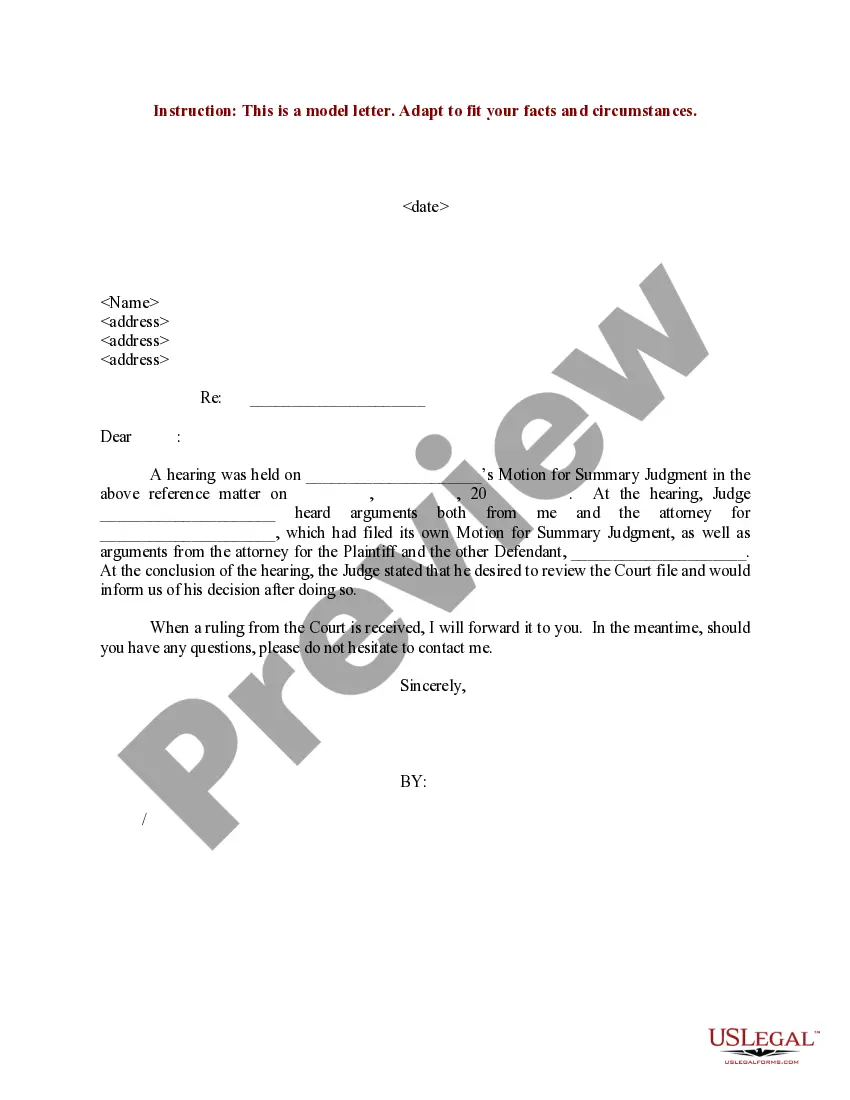
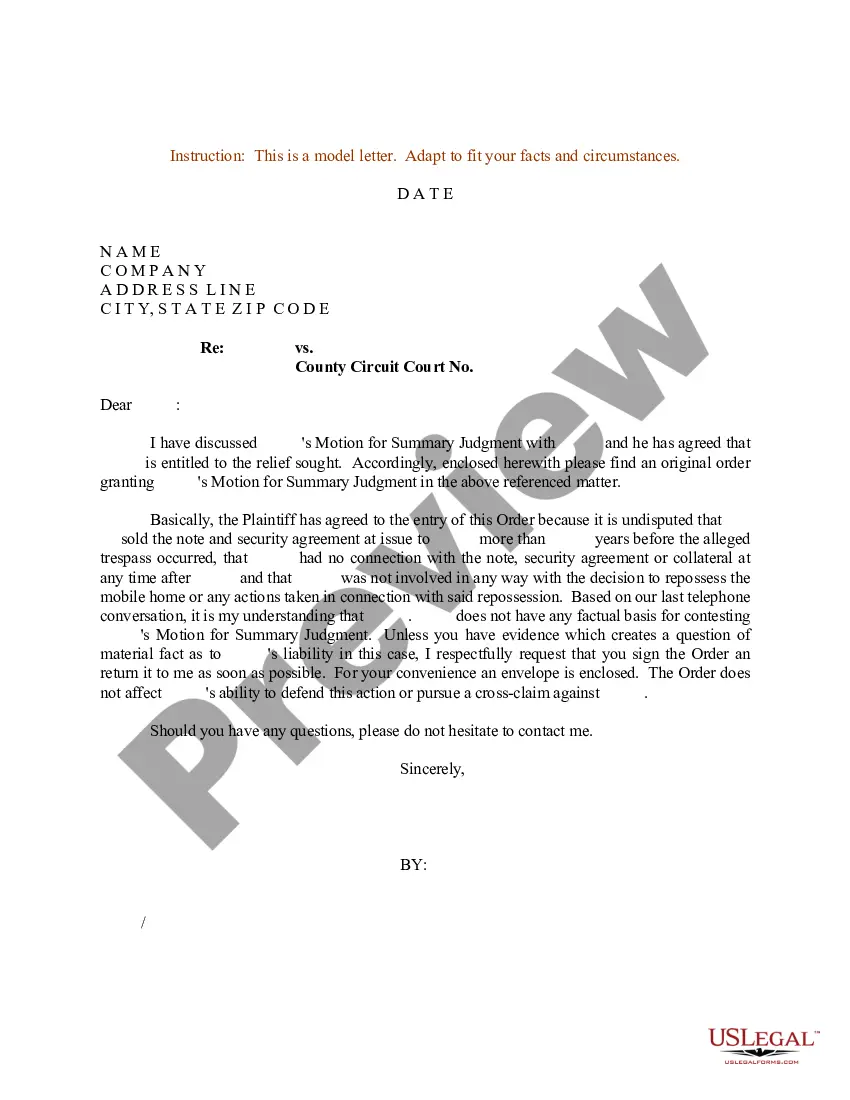
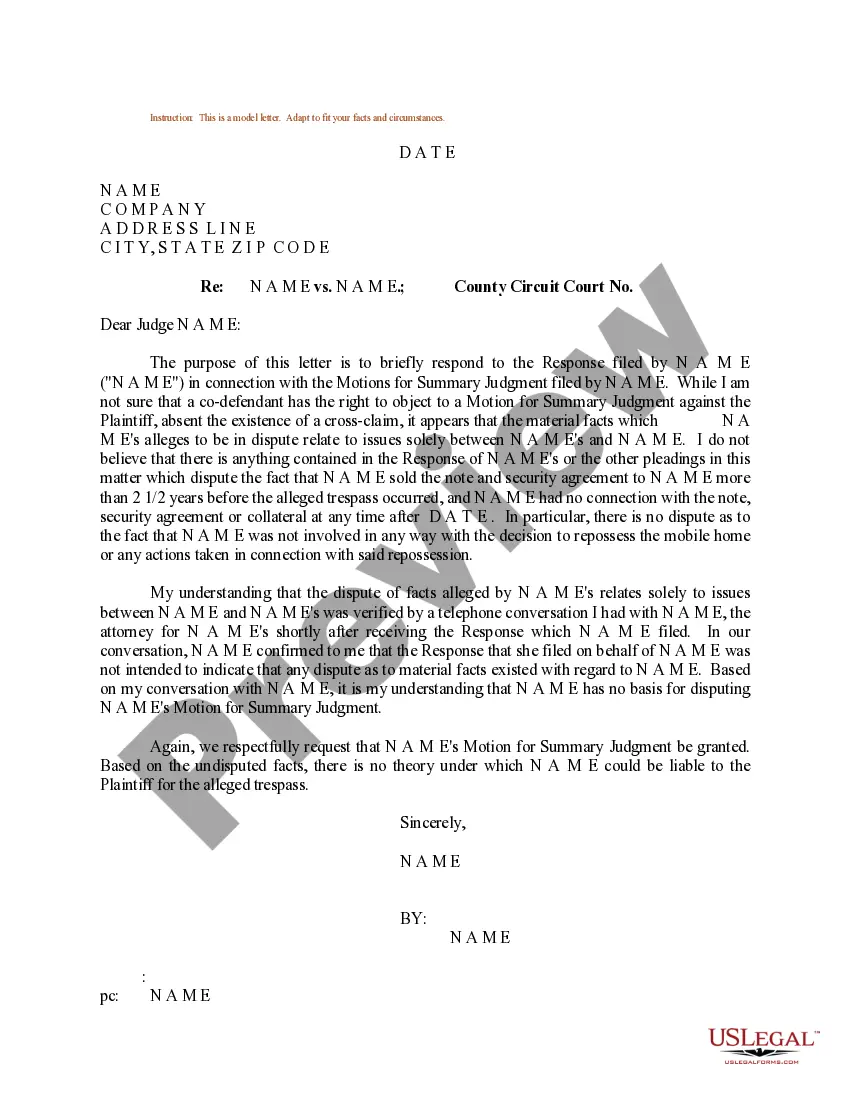
Letter Concerning Hearing Without Consent In Illinois
Description
Get your form ready online
Our built-in tools help you complete, sign, share, and store your documents in one place.
Make edits, fill in missing information, and update formatting in US Legal Forms—just like you would in MS Word.
Download a copy, print it, send it by email, or mail it via USPS—whatever works best for your next step.
Sign and collect signatures with our SignNow integration. Send to multiple recipients, set reminders, and more. Go Premium to unlock E-Sign.
If this form requires notarization, complete it online through a secure video call—no need to meet a notary in person or wait for an appointment.
We protect your documents and personal data by following strict security and privacy standards.

Make edits, fill in missing information, and update formatting in US Legal Forms—just like you would in MS Word.

Download a copy, print it, send it by email, or mail it via USPS—whatever works best for your next step.

Sign and collect signatures with our SignNow integration. Send to multiple recipients, set reminders, and more. Go Premium to unlock E-Sign.

If this form requires notarization, complete it online through a secure video call—no need to meet a notary in person or wait for an appointment.

We protect your documents and personal data by following strict security and privacy standards.
Looking for another form?









Form popularity
FAQ
Formal hearings are heard at four facilities throughout Illinois: Chicago, Joliet, Springfield and Mount Vernon. Among these facilities is the Secretary of State's formal hearing facilities located 54 N. Ottawa Street in Joliet and 17 N. State Street in Chicago.
A formal hearing is required for a driver whose privileges have been suspended or revoked for an offense(s) involving a fatality or multiple DUI dispositions. A formal hearing request must be made in writing through U.S. mail. Faxes or email requests are not accepted.
Recording without consent in Illinois can lead to serious legal repercussions: Criminal Penalties: Unauthorized recording is classified as a felony offense, which can result in imprisonment.
The Secretary of State will review this and make a final decision, to which the driver will be notified of by mail. If driving privileges are denied, the driver may request another hearing 30 days after the first hearing or they may request to have a formal hearing.
While the Secretary of State technically has up to 90 days to render a decision after the hearing, the decision usually takes 8-12 weeks to arrive. If denied driving relief, the driver may appeal the decision to the circuit court within 35 days.
Informal proceedings are less complicated and generally take less time to complete. The results, however, can always be challenged in a formal proceeding. Thus, you do not have the finality gained by a court order obtained through formal proceedings. Formal proceedings require a court hearing.
Formal hearing means a hearing before a hearings officer where laws, rules, and evidence are presented, consid- ered, and a decision is rendered.
Motion Hearings: These hearings occur when one party in the case wants the judge to make a decision on a specific aspect of the case before the trial. They can vary in length, often taking anywhere from a few minutes to several hours, depending on the complexity of the motion being discussed.
A motion is an application to the court made by the prosecutor or defense attorney, requesting that the court make a decision on a certain issue before the trial begins. The motion can affect the trial, courtroom, defendants, evidence, or testimony. Only judges decide the outcome of motions.
This rule suggests circumstances which might warrant assignment of judges to restricted duties or to duties other than judicial duties and provides a procedure by which a chief circuit judge may temporarily assign judges to restricted duties or to duties other than judicial duties.