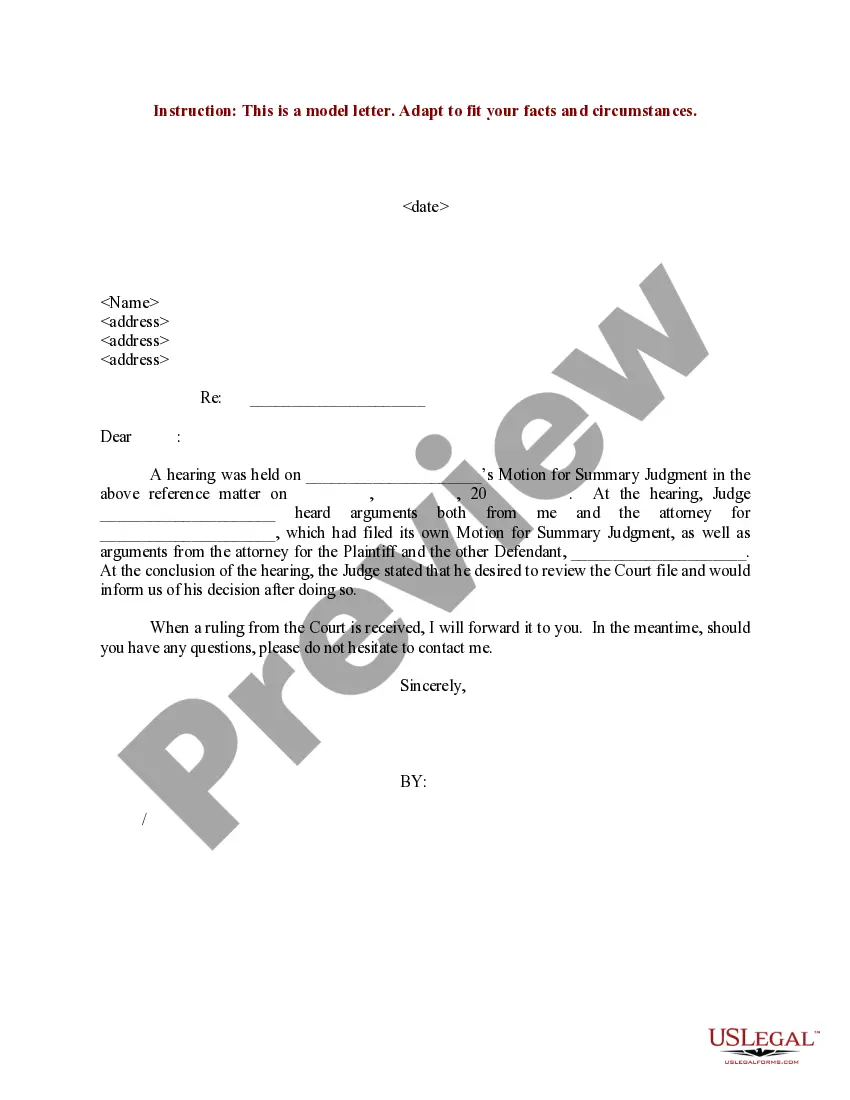
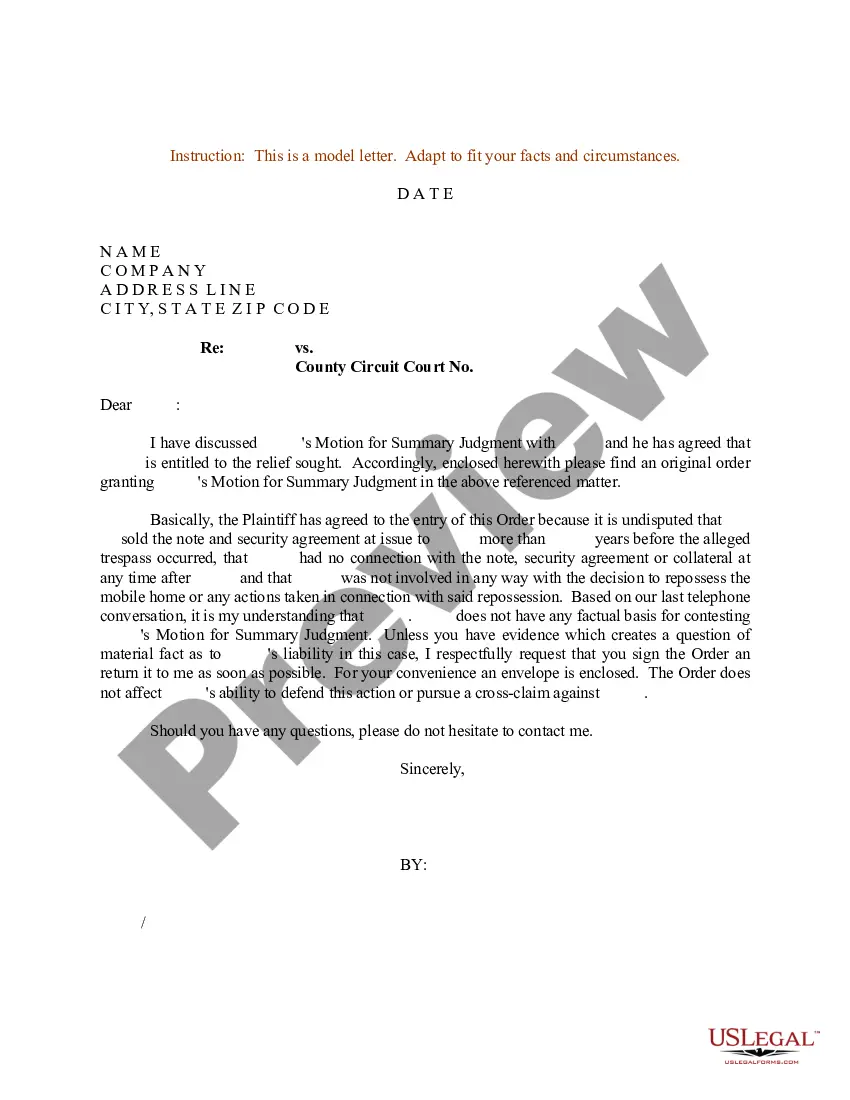
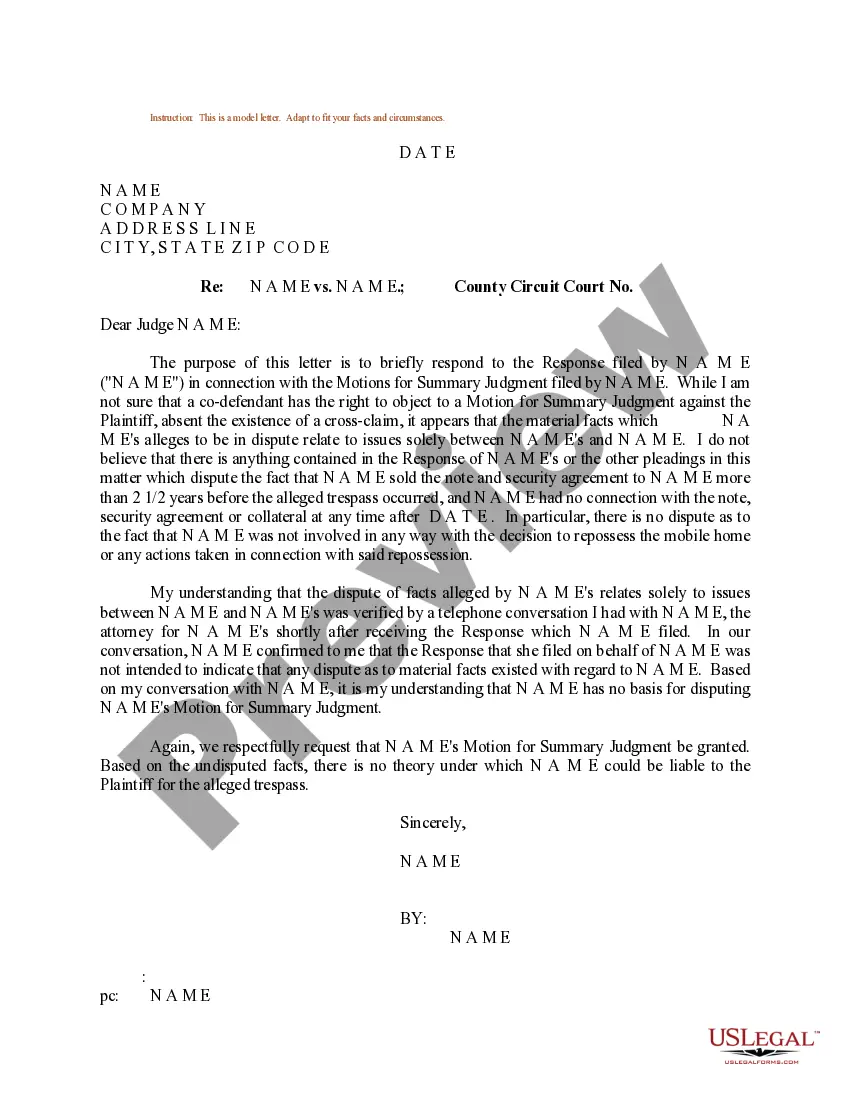
Letter Concerning Hearing For Employee In Illinois
Description
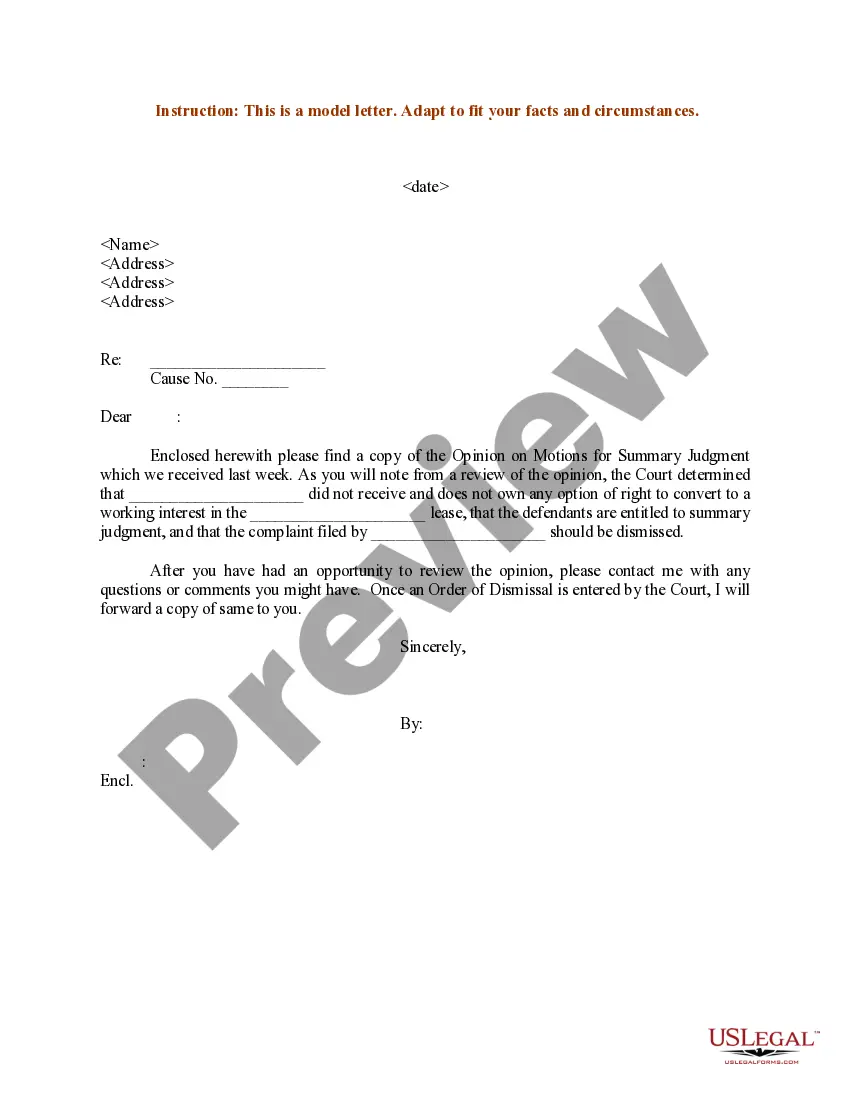
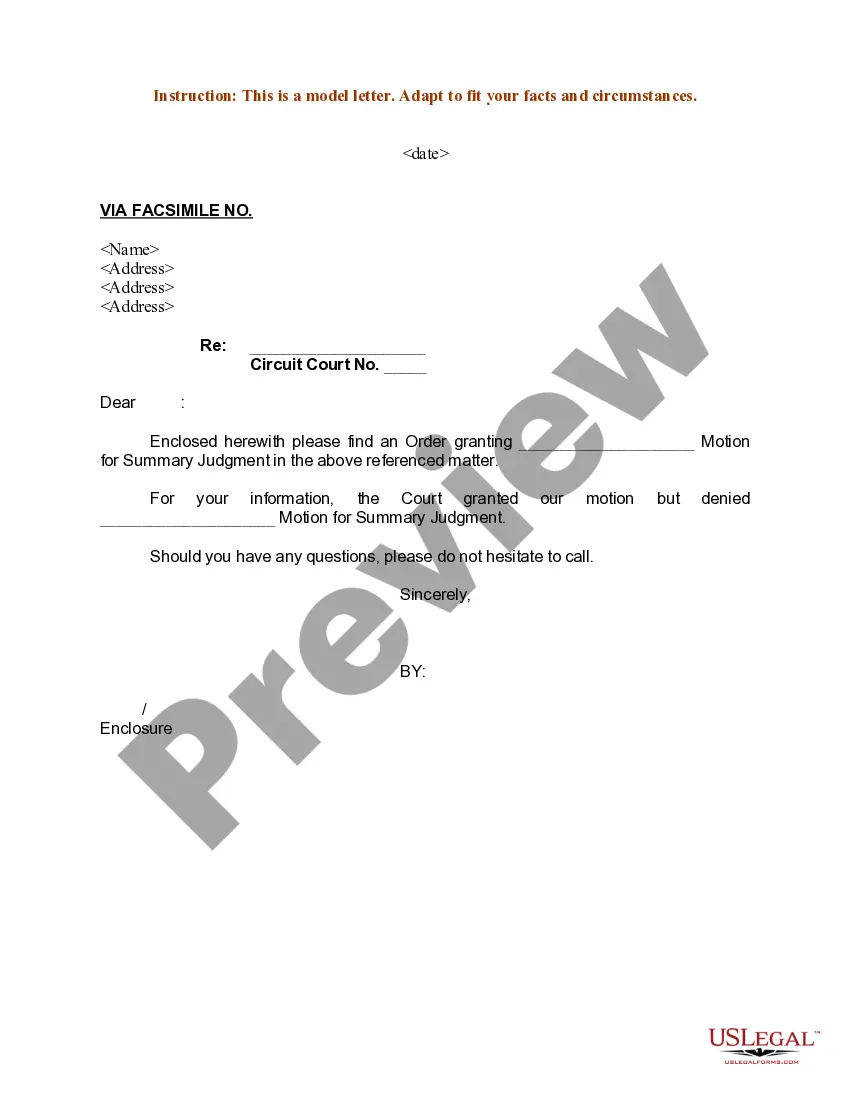
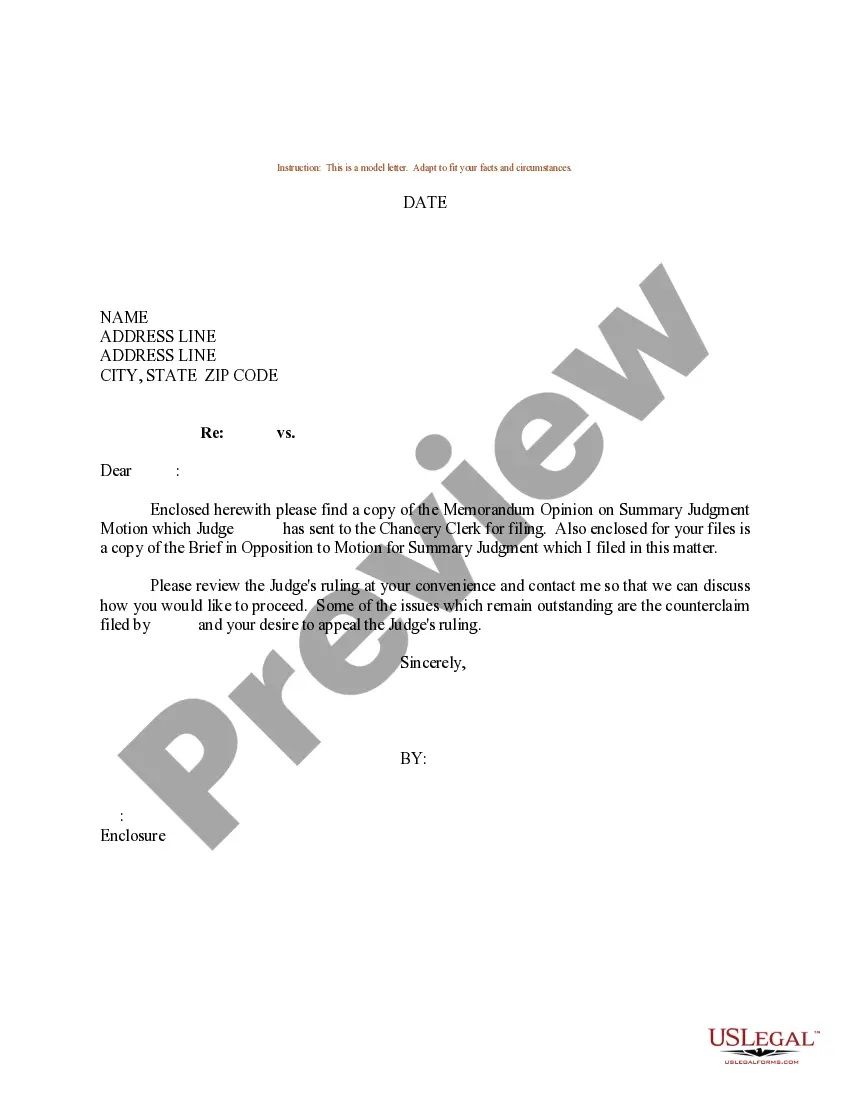
Get your form ready online
Our built-in tools help you complete, sign, share, and store your documents in one place.
Make edits, fill in missing information, and update formatting in US Legal Forms—just like you would in MS Word.
Download a copy, print it, send it by email, or mail it via USPS—whatever works best for your next step.
Sign and collect signatures with our SignNow integration. Send to multiple recipients, set reminders, and more. Go Premium to unlock E-Sign.
If this form requires notarization, complete it online through a secure video call—no need to meet a notary in person or wait for an appointment.
We protect your documents and personal data by following strict security and privacy standards.

Make edits, fill in missing information, and update formatting in US Legal Forms—just like you would in MS Word.

Download a copy, print it, send it by email, or mail it via USPS—whatever works best for your next step.

Sign and collect signatures with our SignNow integration. Send to multiple recipients, set reminders, and more. Go Premium to unlock E-Sign.

If this form requires notarization, complete it online through a secure video call—no need to meet a notary in person or wait for an appointment.

We protect your documents and personal data by following strict security and privacy standards.
Looking for another form?





Form popularity
FAQ
The two major kinds of probable cause hearings are: grand juries and preliminary hearings.
Some courts and scholars have suggested probable cause could, in some circumstances, allow for a fact to be established as true to a standard of less than 51%, but as of August 2019, the United States Supreme Court has never ruled that the quantification of probable cause is anything less than 51%.
In a preliminary hearing, a judge needs only to determine whether there is probable cause by a preponderance of the State's evidence or testimony. In layman's terms, this means that a judge believes that there is a 50.01% chance that the defendant was involved in the commission of a crime.
(a) Any law enforcement officer may make an arrest without warrant if the officer has probable cause to believe that the person has committed or is committing any crime, including but not limited to violation of an order of protection, under Section 12-3.4 or 12-30 of the Criminal Code of 1961 or the Criminal Code of ...
During this hearing, the judge evaluates whether the prosecution has established probable cause. The defense has the opportunity to challenge the evidence and argue that it is not strong enough to support the charges. If the judge finds a lack of probable cause, the charges may be reduced or dismissed.
A petition for a formal proof of will hearing must be filed within 42 days of the date that the will was admitted to probate. If an interested party fails to file a petition for formal proof of will within this deadline, he or she may still have the right to file a will contest, which we will explain below.
Formal hearings are available at the following facilities: Springfield – Howlett Bldg., Rm. 212, Springfield, IL 62756. Chicago – 17 N. State St., Ste. 1200,Chicago, IL 60602. Joliet – 54 N. Ottawa St., 4th Fl., Joliet, IL 60432. Mt. Vernon – 218 S. 12th St., Mt. Vernon, IL 62864.
A formal hearing is held before a District Court Judge. At the formal hearing, the defendant may be represented by an attorney, and the prosecutor will represent the plaintiff's case.