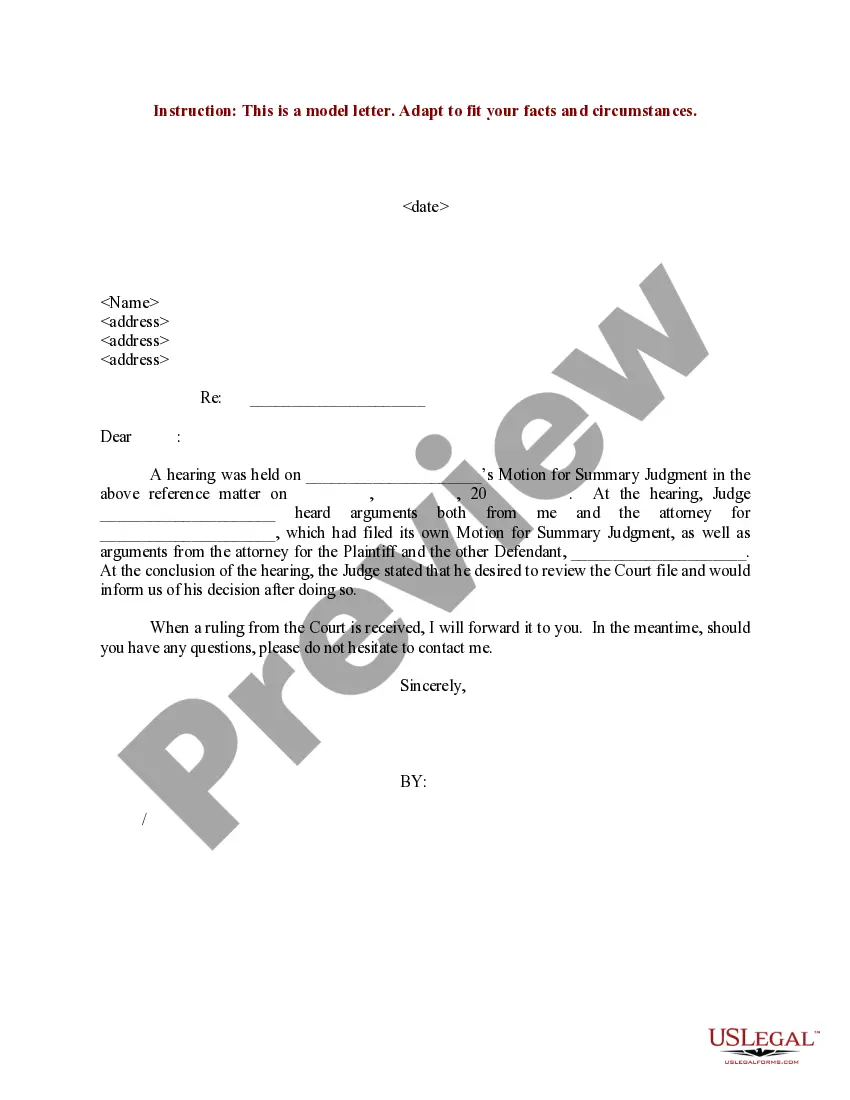
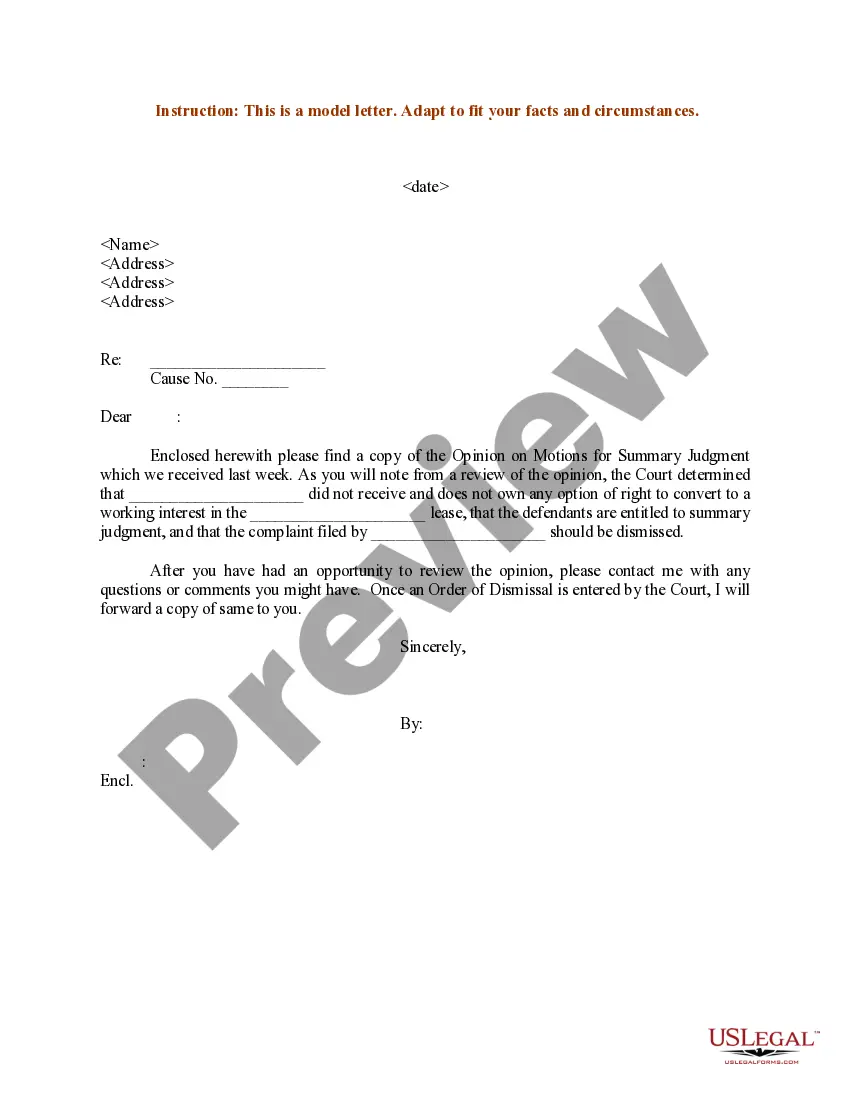
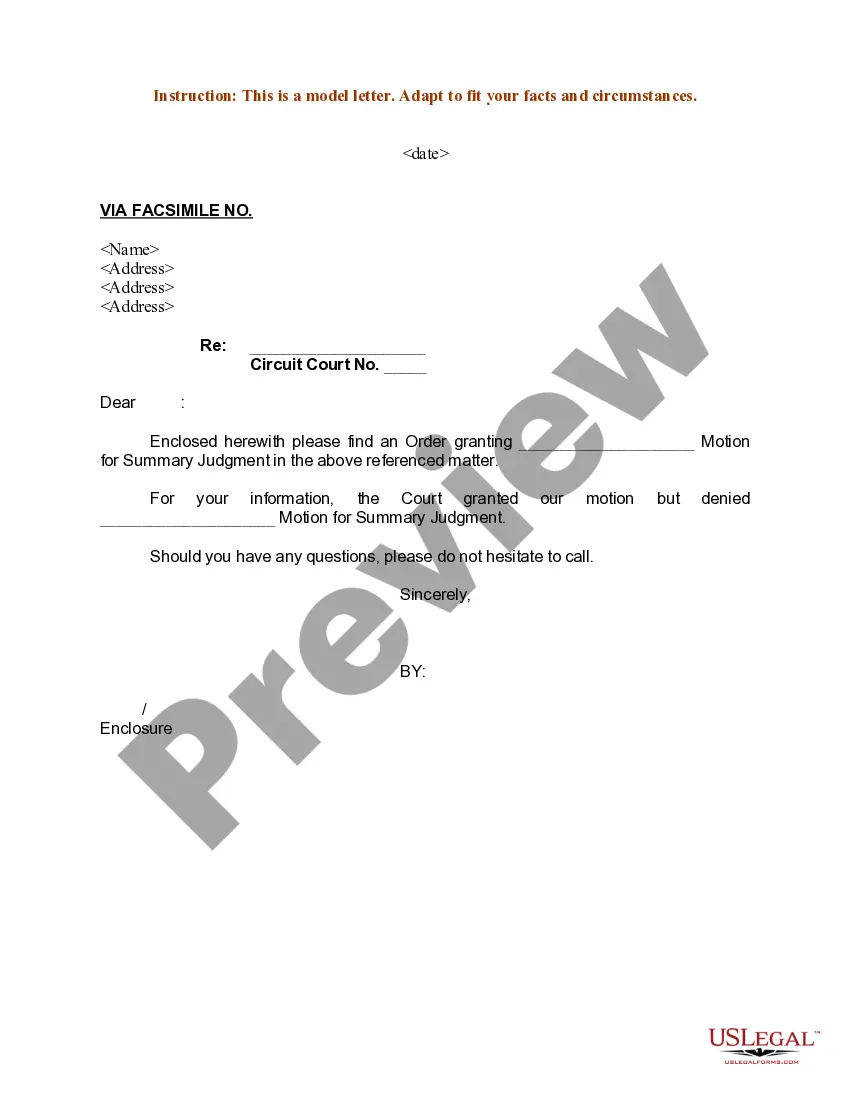
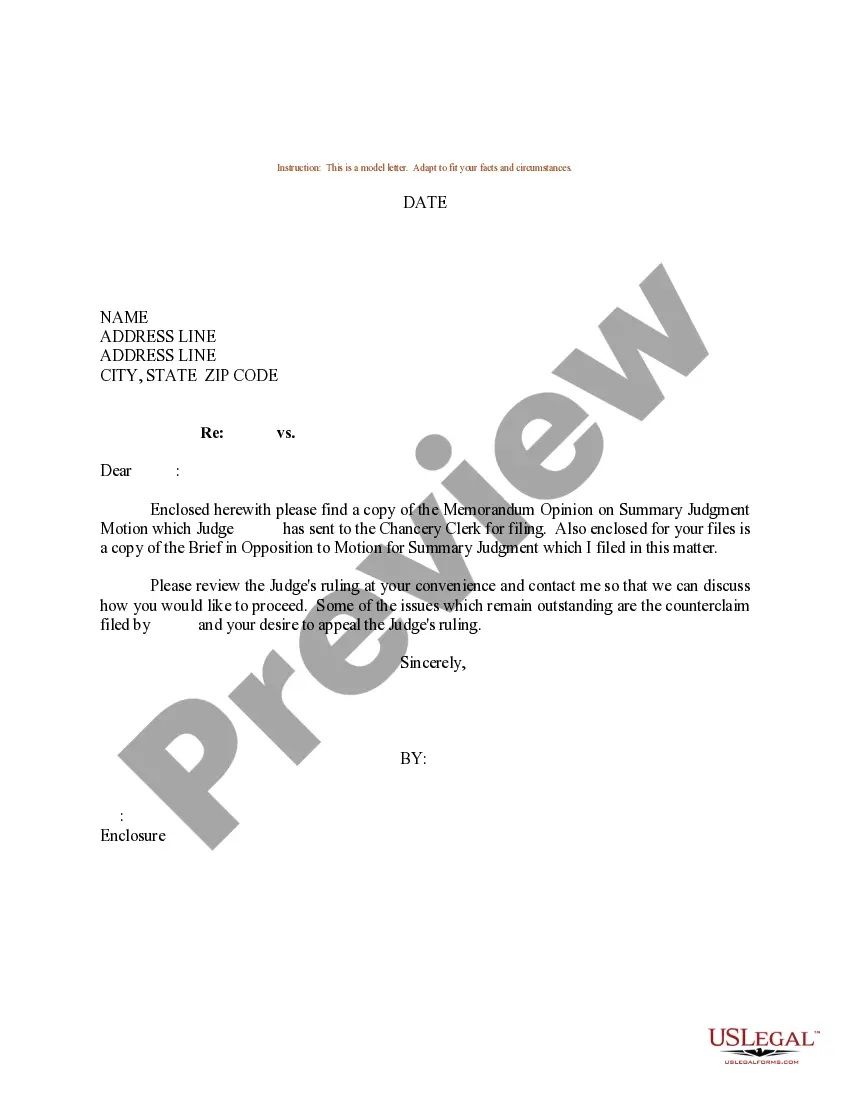
Letter Concerning Hearing Without Consent In Georgia
Description
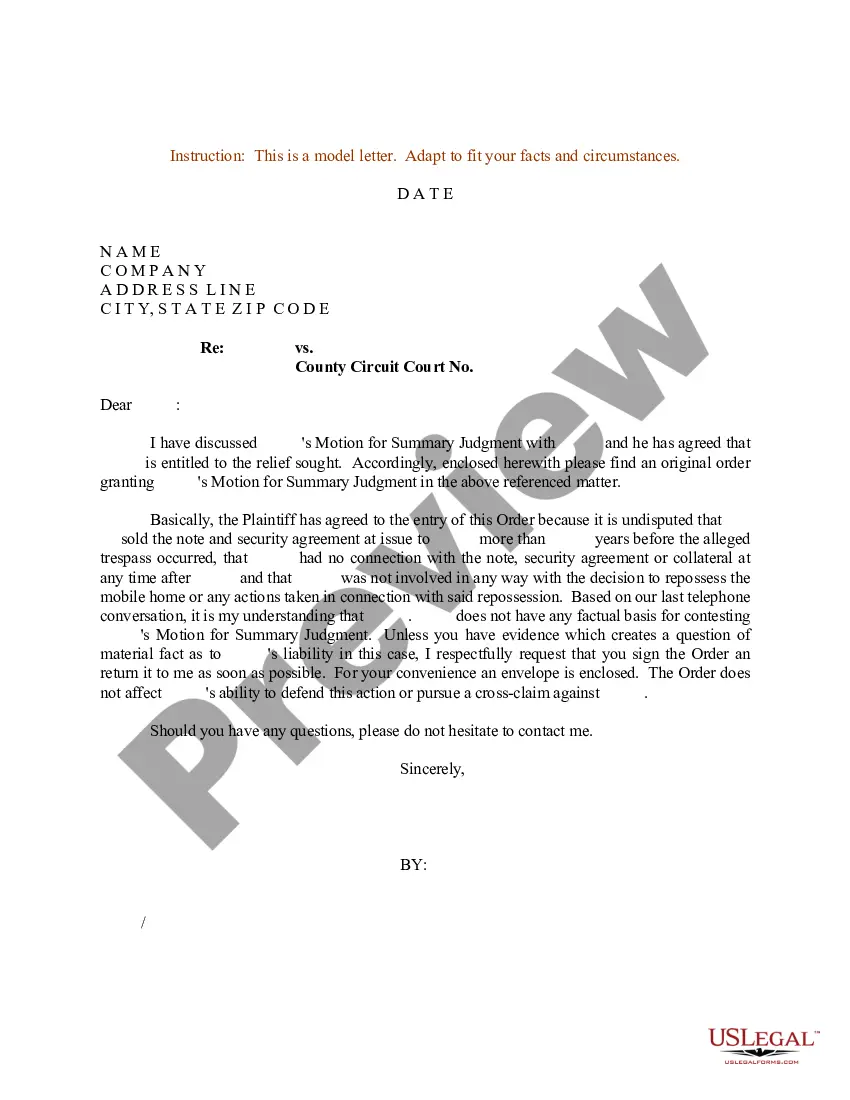
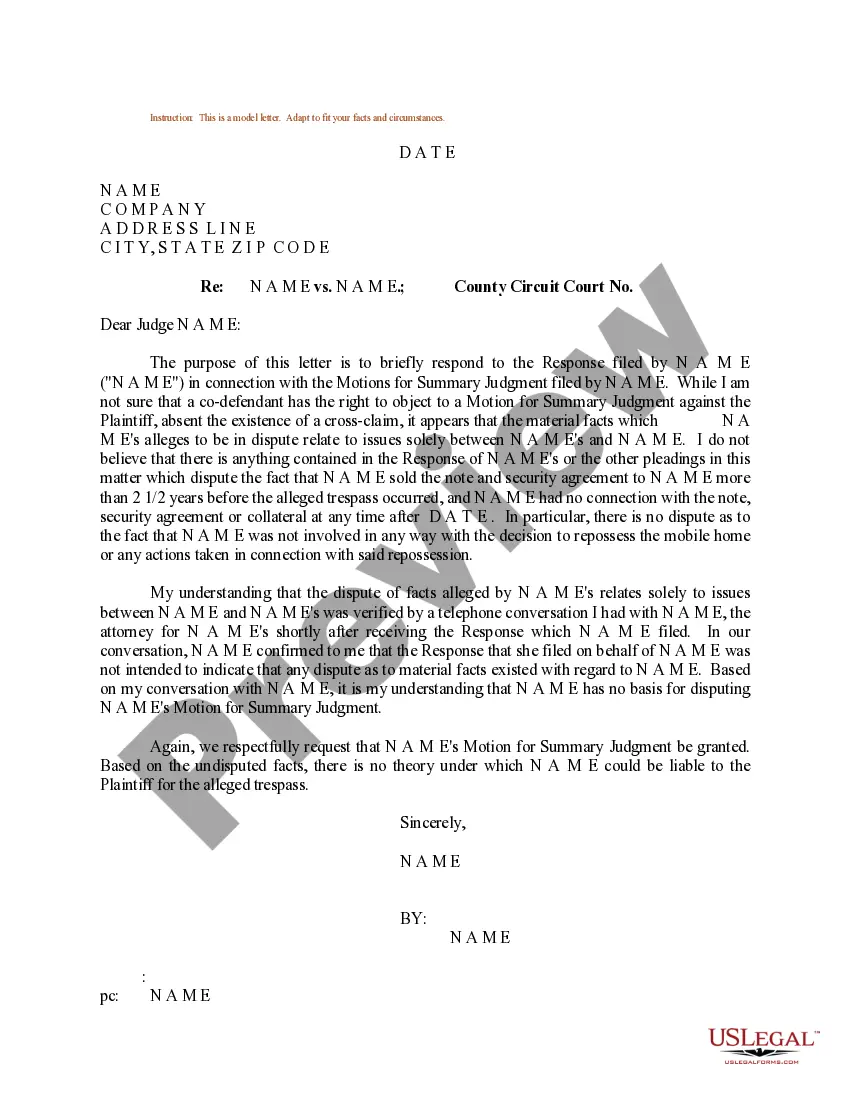
Get your form ready online
Our built-in tools help you complete, sign, share, and store your documents in one place.
Make edits, fill in missing information, and update formatting in US Legal Forms—just like you would in MS Word.
Download a copy, print it, send it by email, or mail it via USPS—whatever works best for your next step.
Sign and collect signatures with our SignNow integration. Send to multiple recipients, set reminders, and more. Go Premium to unlock E-Sign.
If this form requires notarization, complete it online through a secure video call—no need to meet a notary in person or wait for an appointment.
We protect your documents and personal data by following strict security and privacy standards.

Make edits, fill in missing information, and update formatting in US Legal Forms—just like you would in MS Word.

Download a copy, print it, send it by email, or mail it via USPS—whatever works best for your next step.

Sign and collect signatures with our SignNow integration. Send to multiple recipients, set reminders, and more. Go Premium to unlock E-Sign.

If this form requires notarization, complete it online through a secure video call—no need to meet a notary in person or wait for an appointment.

We protect your documents and personal data by following strict security and privacy standards.
Looking for another form?





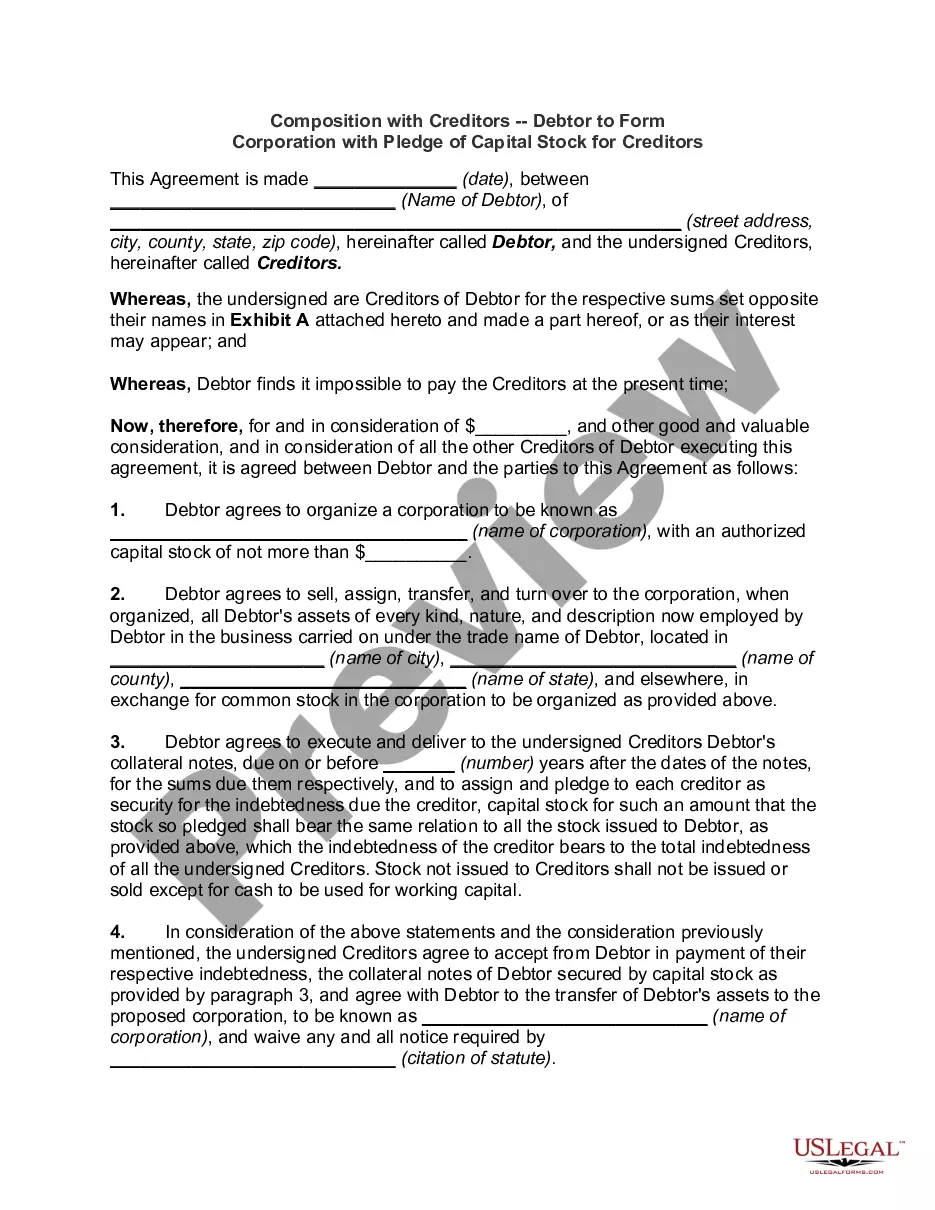




Form popularity
FAQ
Georgia makes it a crime to secretly record a phone call or in-person conversation ``originat (ing) in any private place'' unless one party to the conversation consents. But if one of the parties to the phone communication is aware and recording, such a recording would not violate state law.
Georgia—like a majority of the states—has a “single-party consent” law when it comes to recording conversations. What this means is that one person on a call can record the conversation without the agreement of the other.
California has a stricter law regarding recording conversations. Unlike many states, you need the consent of all parties involved for a legal recording, even if you participate in the conversation.
California law allows individuals to record conversations without consent if they reasonably believe that it is necessary to protect their personal safety or the safety of others.
The one-party consent rule means that in most states, one person can record a conversation without telling the other person. This is usually done over the phone or in person. However, it's important to note that not all states follow this rule.
Georgia's wiretapping law is a "one-party consent" law for purposes of making audio recordings of conversations. Georgia makes it a crime to secretly record a phone call or in-person conversation "originating in any private place" unless one party to the conversation consents.