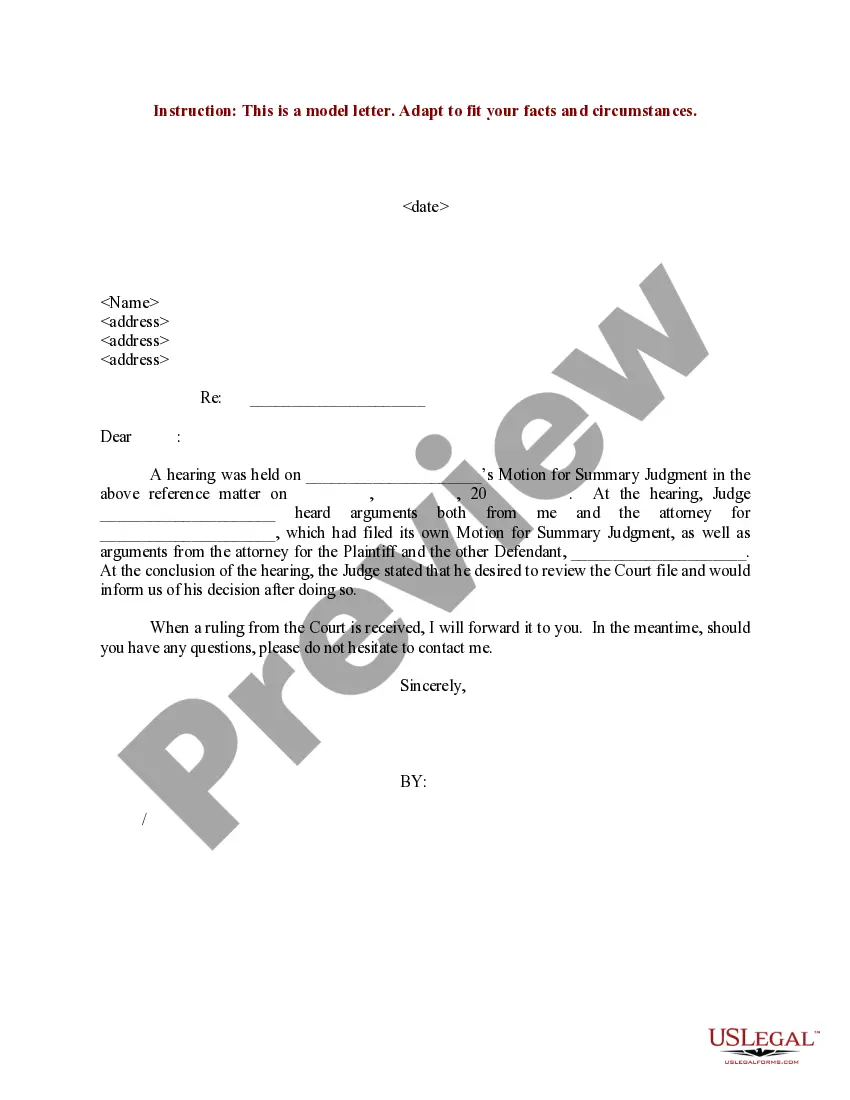
Letter Concerning Hearing For Employee In Georgia
Description
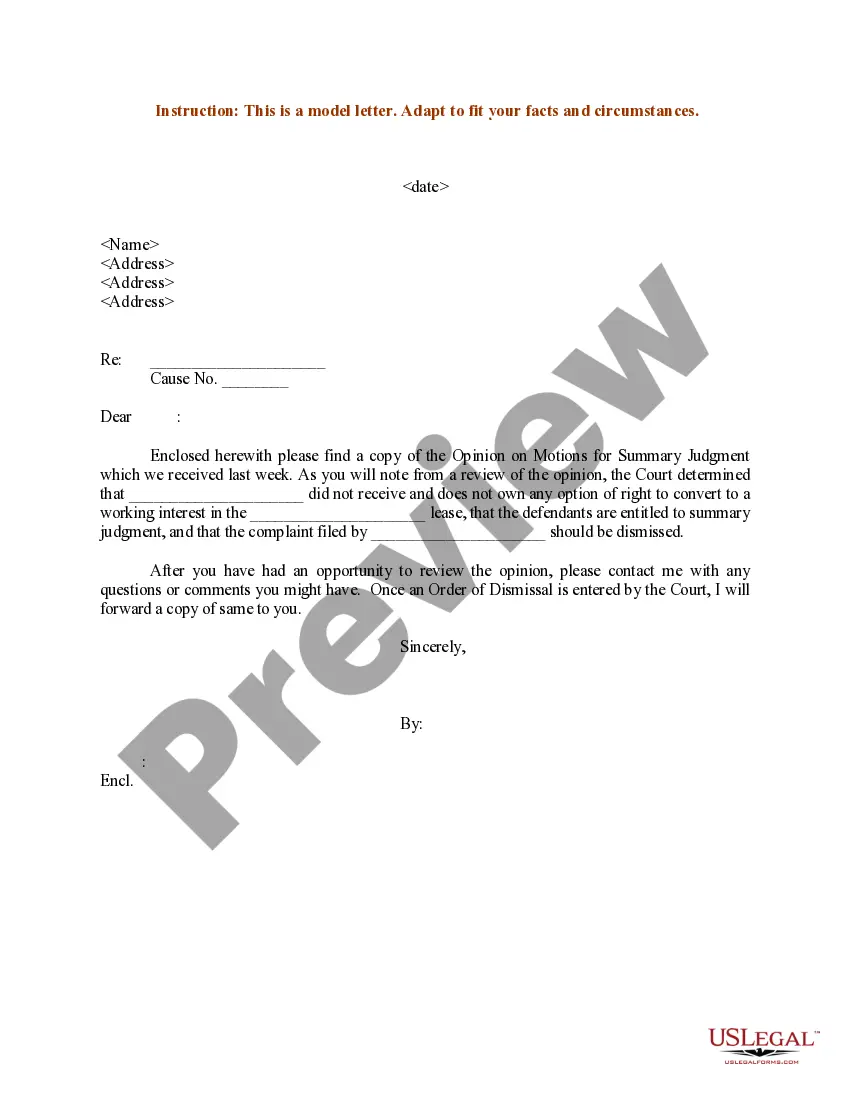
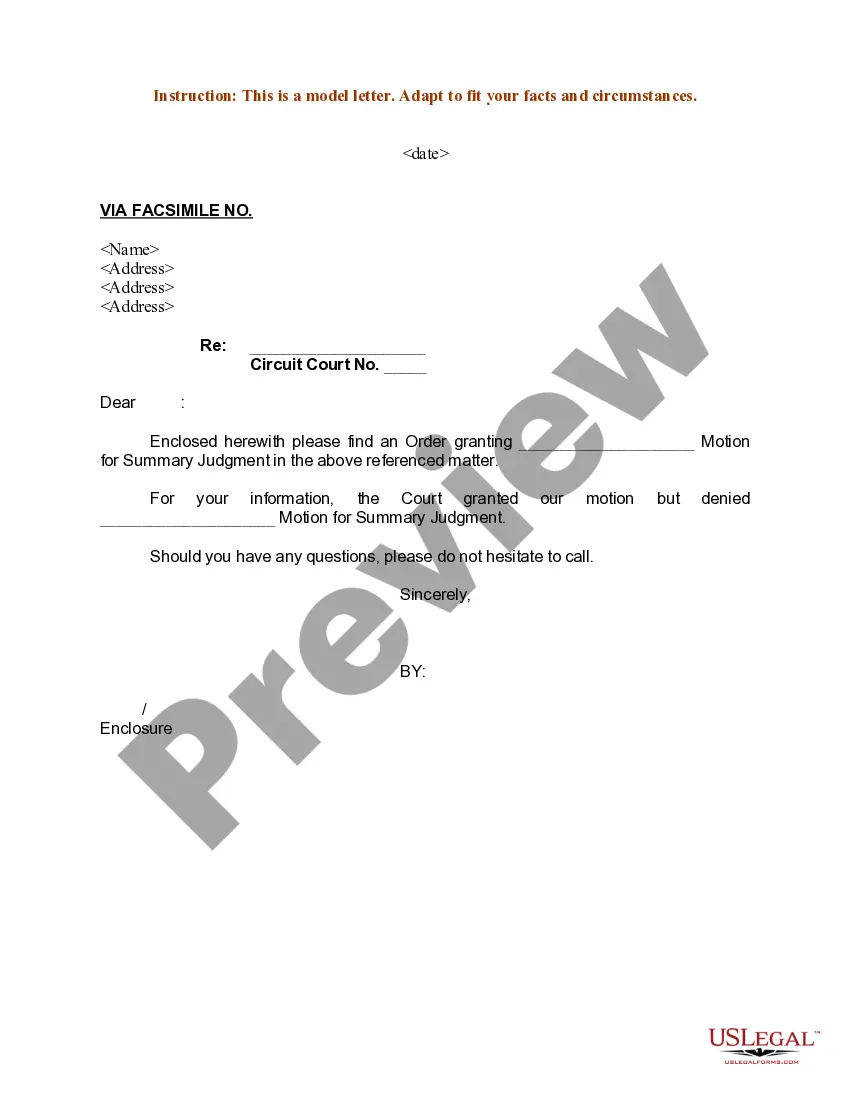
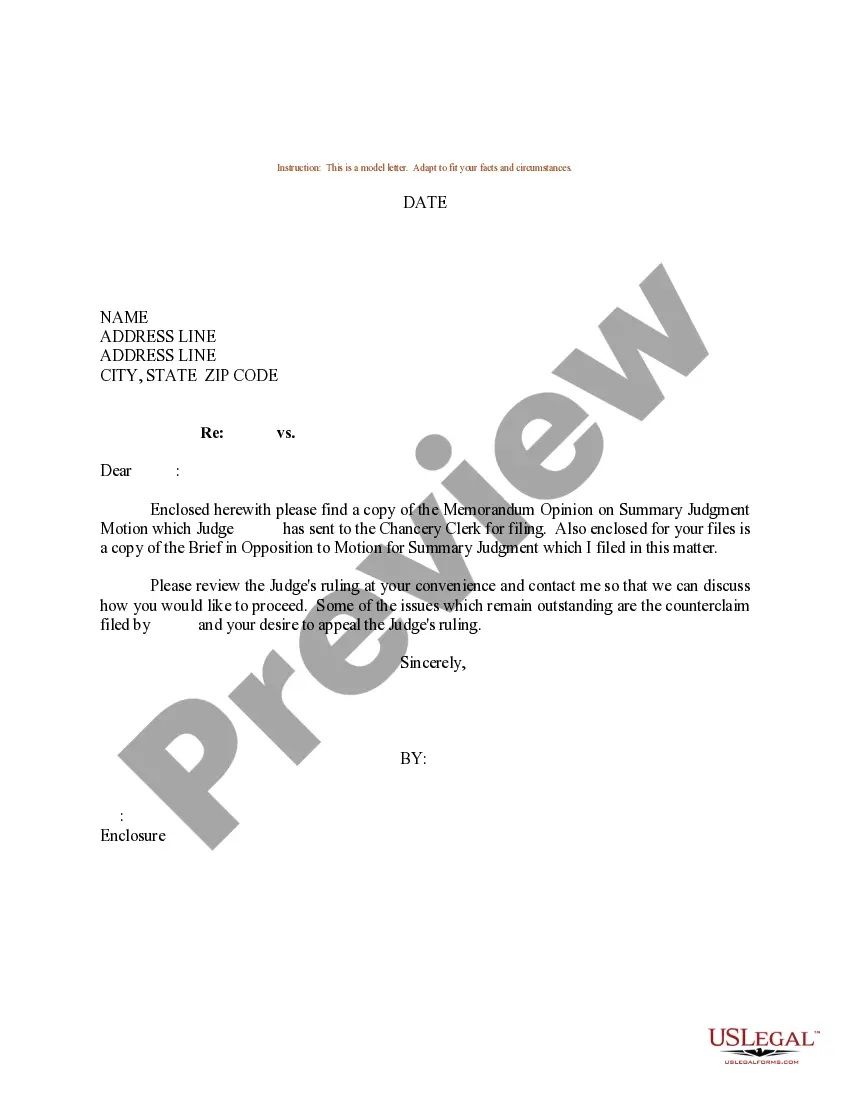
Get your form ready online
Our built-in tools help you complete, sign, share, and store your documents in one place.
Make edits, fill in missing information, and update formatting in US Legal Forms—just like you would in MS Word.
Download a copy, print it, send it by email, or mail it via USPS—whatever works best for your next step.
Sign and collect signatures with our SignNow integration. Send to multiple recipients, set reminders, and more. Go Premium to unlock E-Sign.
If this form requires notarization, complete it online through a secure video call—no need to meet a notary in person or wait for an appointment.
We protect your documents and personal data by following strict security and privacy standards.

Make edits, fill in missing information, and update formatting in US Legal Forms—just like you would in MS Word.

Download a copy, print it, send it by email, or mail it via USPS—whatever works best for your next step.

Sign and collect signatures with our SignNow integration. Send to multiple recipients, set reminders, and more. Go Premium to unlock E-Sign.

If this form requires notarization, complete it online through a secure video call—no need to meet a notary in person or wait for an appointment.

We protect your documents and personal data by following strict security and privacy standards.
Looking for another form?










Form popularity
FAQ
New Hire Paperwork Form 1 - Form I-9 Employment Eligibility Verification. Form 2 - Form W-4. Form 3 - Form G-4. Form 4 - Confidential Personal Information. Form 5 - Direct Deposit Authorization. Form 6 - Statement Concerning Your Employment in a Job Not Covered by Social Security.
Judges and hearing officers typically need a law degree and work experience as a lawyer. However, specific requirements may vary. Most judges and magistrates must be appointed or elected to their positions, a process that often requires political support.
Hearing officers must be either state certified general real property appraiser or state certified residential real property appraiser and be approved by the GA Real Estate Commission and the GA Real Estate Appraisers Board.
A quick definition of hearing officer: A hearing officer is someone who listens to people's arguments and makes decisions about legal issues. They are like a judge, but they work for the government in a specific role. They might help with child support cases or other administrative law issues.
Although there may be a few positions available for those with a bachelors degree, a law degree is typically required for most jobs as a local, state, or federal judge or hearing officer. All states have some type of orientation and training requirements for newly elected or appointed judges.
Both Georgia statute 19-11-9.2 and the Federal Personal Responsibility and Work Opportunity Reconciliation Act of 1996 require all Georgia employers to report all newly hired employees, including rehires, to the "State New Hire Reporting System". No employers are exempt.
Their role involves conducting hearings, which may involve witness testimonies, examination of evidence, and arguments from all parties involved. The hearing officer is responsible for maintaining order, administering oaths, and making rulings on procedural matters.
You can reach the Georgia DOL at 404-656-3045 in Metro Atlanta or 877-709-8185 from elsewhere in the state.
One of the key tips on how to win your unemployment appeal hearing is to remain professional and respectful. Make sure to show respect to your former employer, the hearing officer or administrative law judge, witnesses and any other personnel. Use formal language and active listening.
Individuals and employers have the right to appeal any Georgia Department of Labor decision that has appeal rights. The appeal must be submitted in writing within 15 days of the date on the claim determination or decision. You may submit your appeal online, by email, fax, or hand delivery.