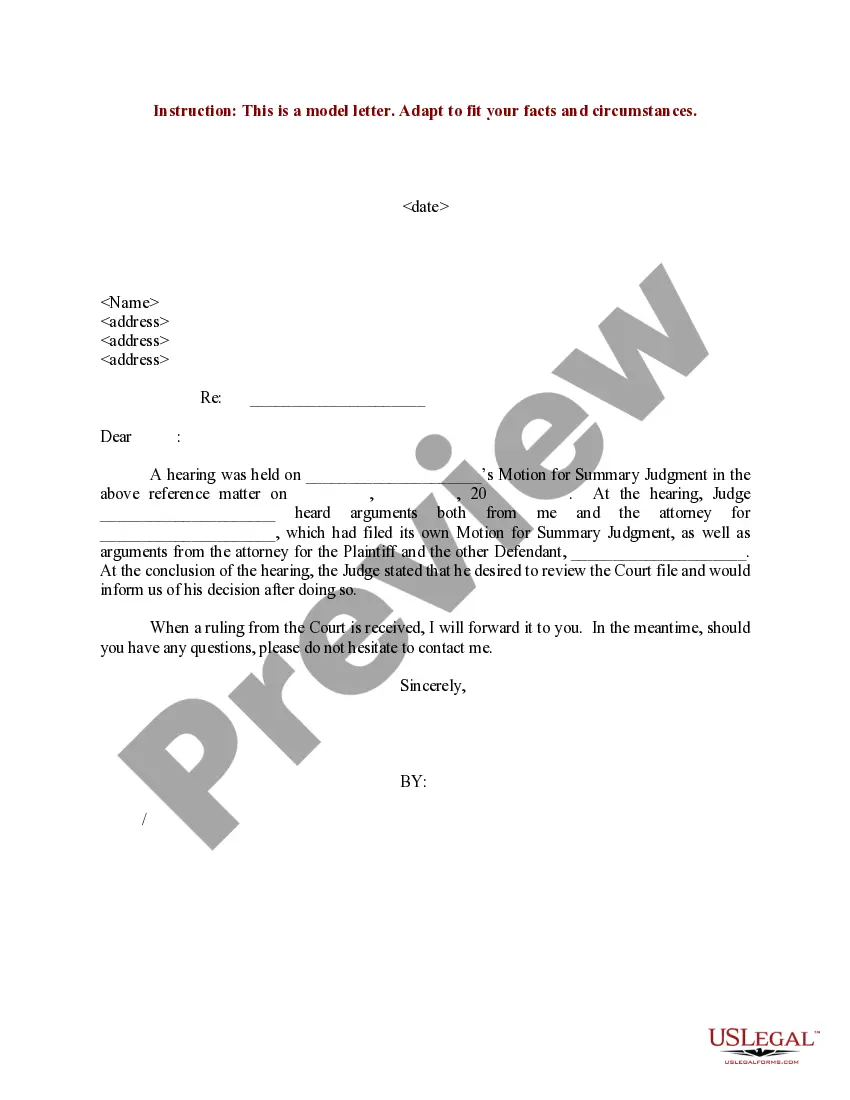
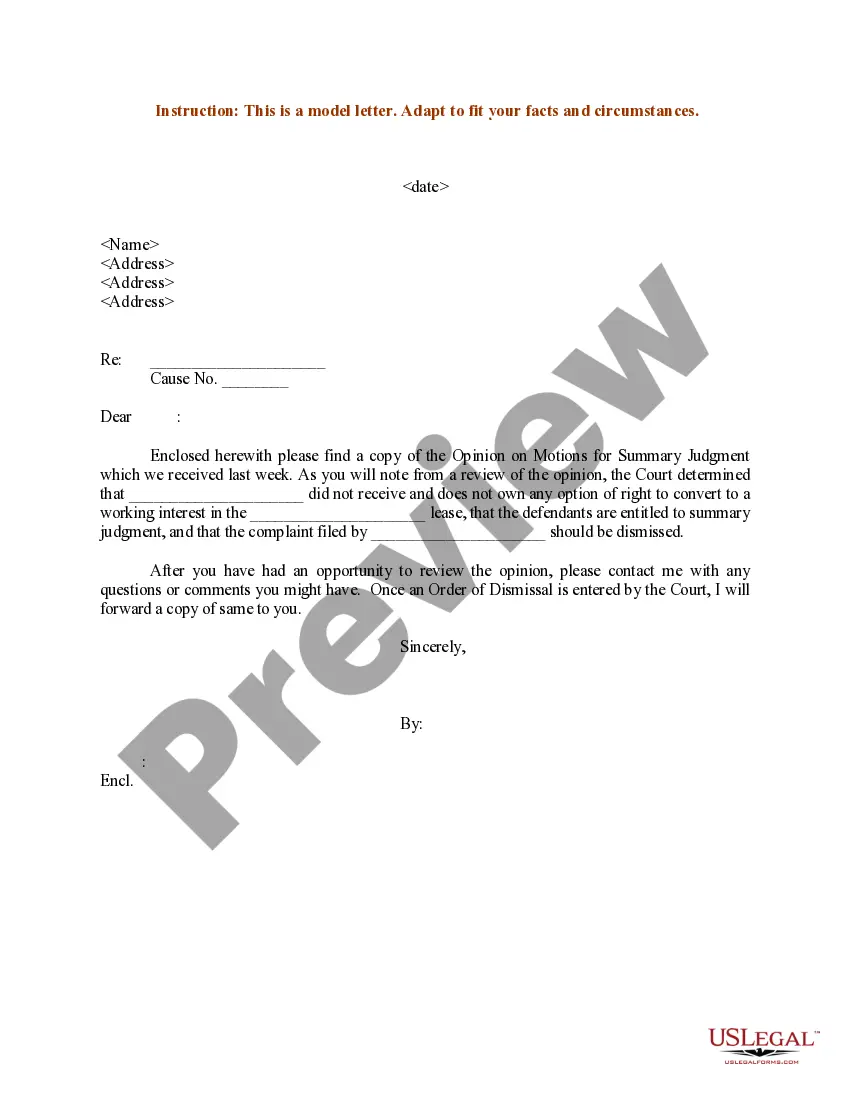
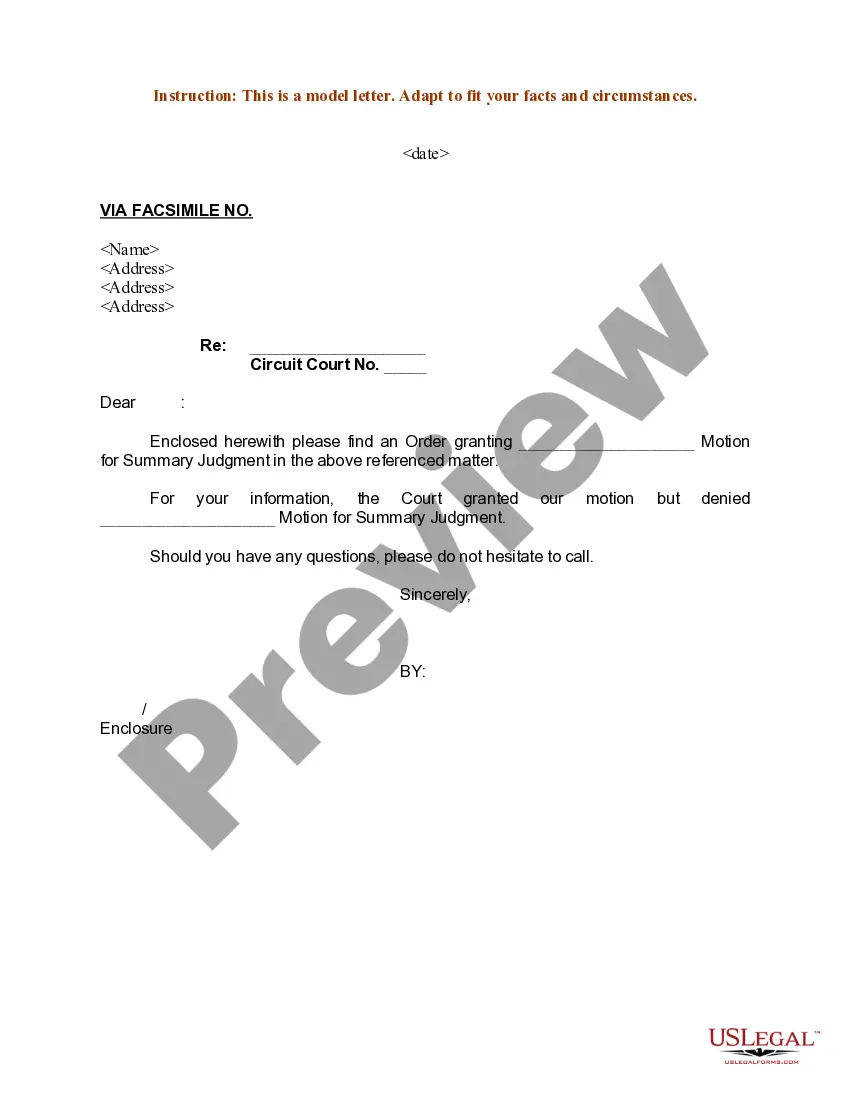
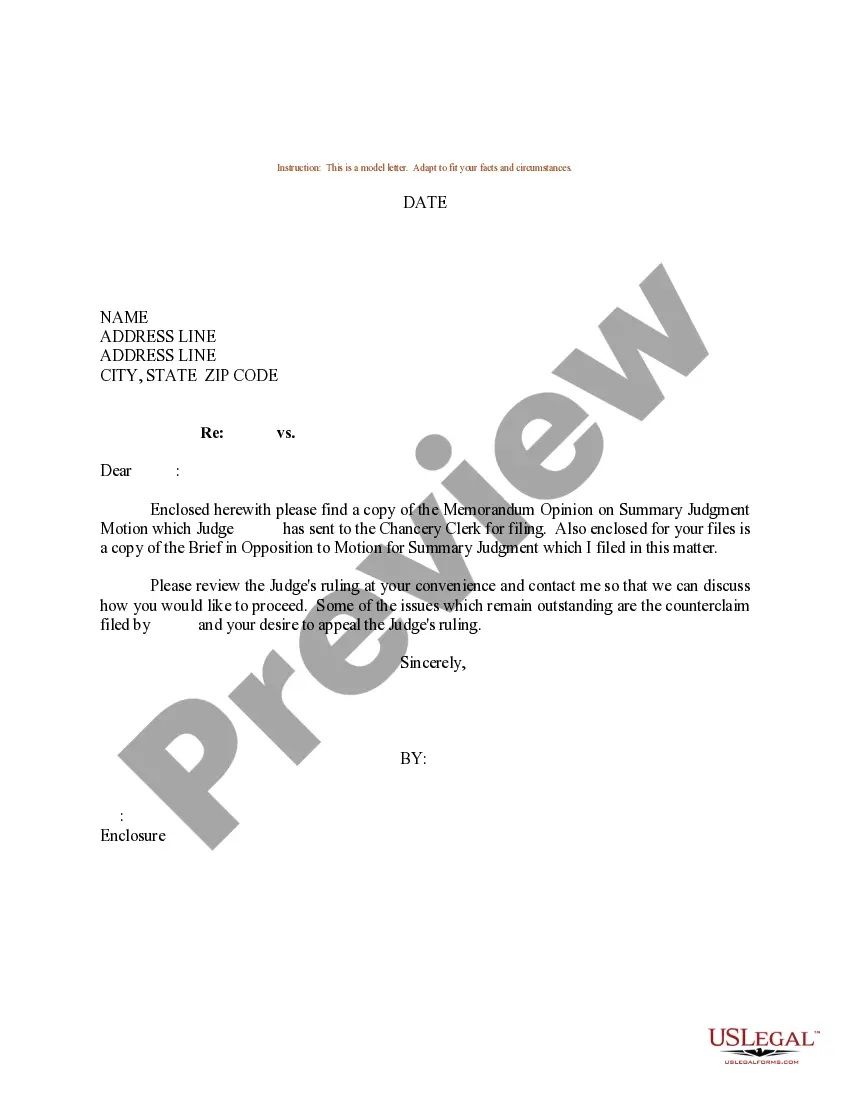
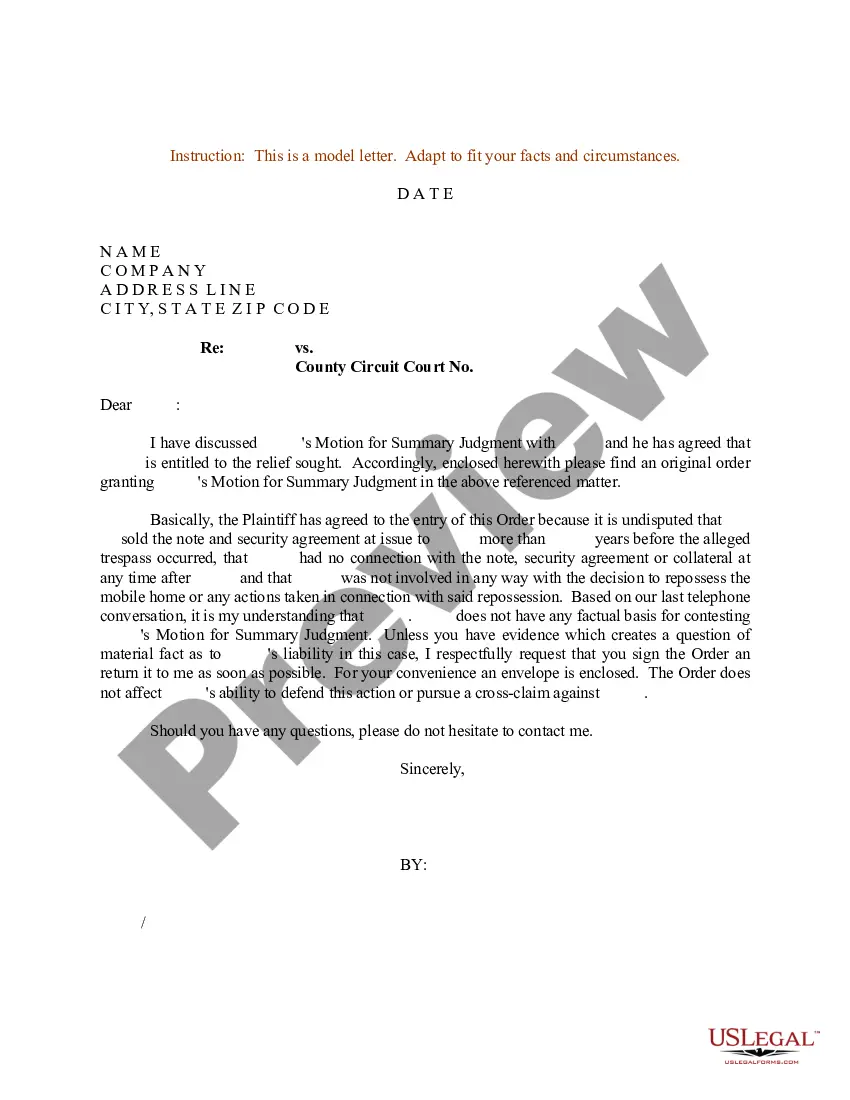
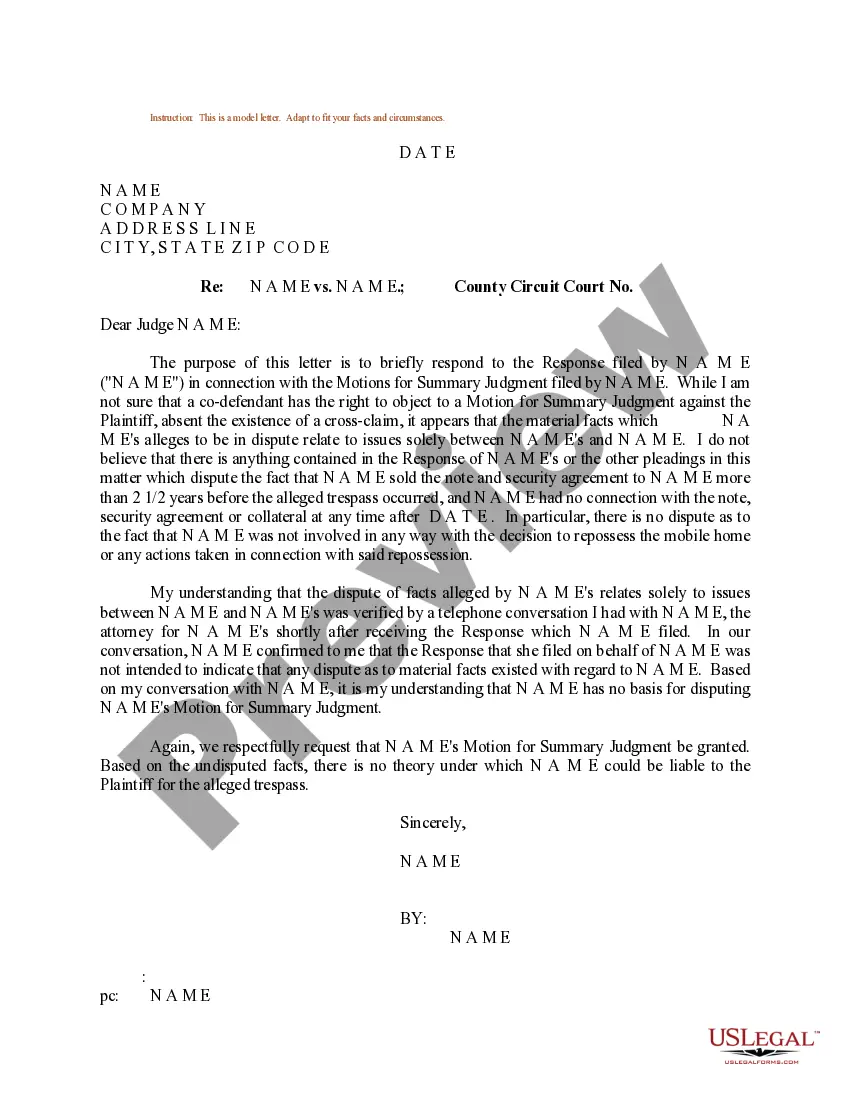
Letter Concerning Hearing For Court In Fulton
Description
Get your form ready online
Our built-in tools help you complete, sign, share, and store your documents in one place.
Make edits, fill in missing information, and update formatting in US Legal Forms—just like you would in MS Word.
Download a copy, print it, send it by email, or mail it via USPS—whatever works best for your next step.
Sign and collect signatures with our SignNow integration. Send to multiple recipients, set reminders, and more. Go Premium to unlock E-Sign.
If this form requires notarization, complete it online through a secure video call—no need to meet a notary in person or wait for an appointment.
We protect your documents and personal data by following strict security and privacy standards.

Make edits, fill in missing information, and update formatting in US Legal Forms—just like you would in MS Word.

Download a copy, print it, send it by email, or mail it via USPS—whatever works best for your next step.

Sign and collect signatures with our SignNow integration. Send to multiple recipients, set reminders, and more. Go Premium to unlock E-Sign.

If this form requires notarization, complete it online through a secure video call—no need to meet a notary in person or wait for an appointment.

We protect your documents and personal data by following strict security and privacy standards.
Looking for another form?


Form popularity
FAQ
The disposition on a criminal record is the current status or final outcome of an arrest or prosecution. Common dispositions are: Convicted: means you have plead or been found guilty by a court of law. Acquitted: means you have been found not guilty by a court of law in a criminal trial.
A certified disposition can only be issued by the court where the case took place. Courts have different procedures and requirements for how to get a certified disposition. Some courts may require that you make your request in person, while others may honor requests made by mail, phone, or online.
The Georgia Court records are accessible online on the E-Access to Court records page on the official website of the Judicial Council of Georgia, Administrative Office of the Courts. Select the County of Interest.
Writing Your Letter Search for a form letter. Some courts print off forms that you can use to request a hearing. Open a word processing document. Insert a salutation. Add a heading. Begin the letter with your request. Explain why you need the hearing. Provide a contact number. Sign the letter.
To obtain your court date information, call (404) 612-5344 or (404) 612-5345.
Every person charged with a felony offense, and many charged with misdemeanors, are brought before a Magistrate within 48 hours of their arrest for a First Appearance Hearing. The purpose of the hearing is to advise a Defendant of their rights and what crimes they are charged with.
Type the Name and Address of the Judge or Court Staff On the next line below the name, include the name of the court in which the judge presides, such as "San Francisco Superior Court" or "United States Court of Appeals, Ninth Circuit." Directly under the name, include the judge's address, city, state and ZIP code.
Tips for an Effective Character Letter To a Judge in California Understand the Purpose of a Character Letter. Use Specific Anecdotes Over General Praise. Address the Impact on the Defendant's Support Network. Maintain Respect For the Court. Respect the Judge's Time. Align Your Expectations with Reality.
When you become involved in a lawsuit, you may want the court to agree to something outside the standard litigation process. For example, you or your opponent may want the court to drop the case (motion to dismiss) or decide the winner without undergoing a full trial (motion for summary judgment).
A motion is a paper you can file in your case. It asks the court to decide something in your case. For example, if you need more time to answer a complaint against you, you can file a motion to extend the time to answer. If you do not have a case, you cannot file a motion.