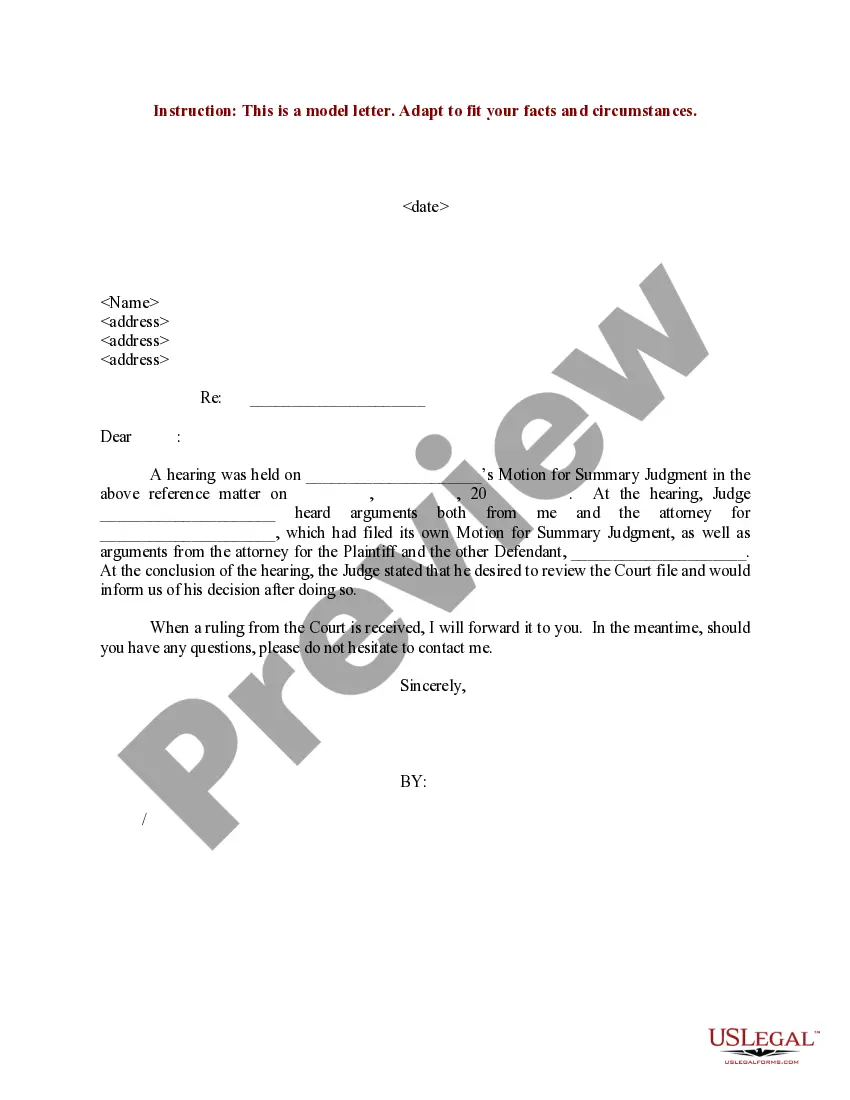
Motion Hearing In Court In Florida
Description
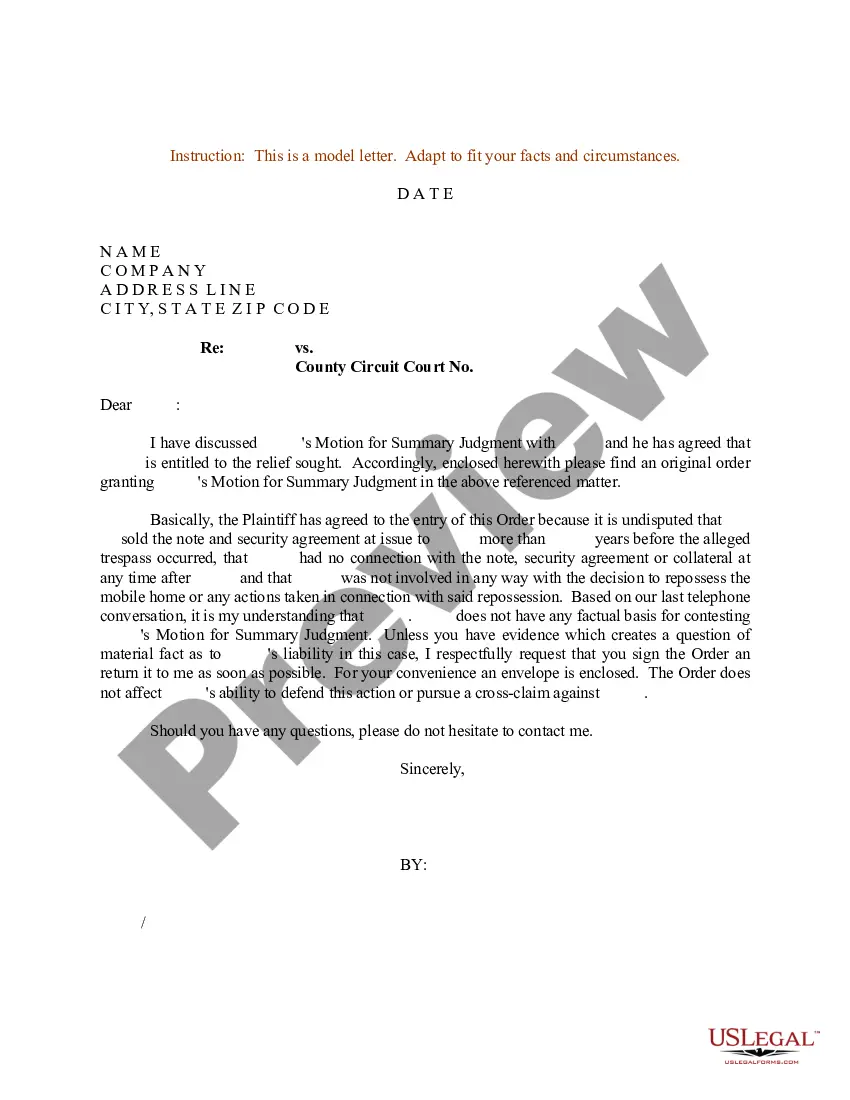
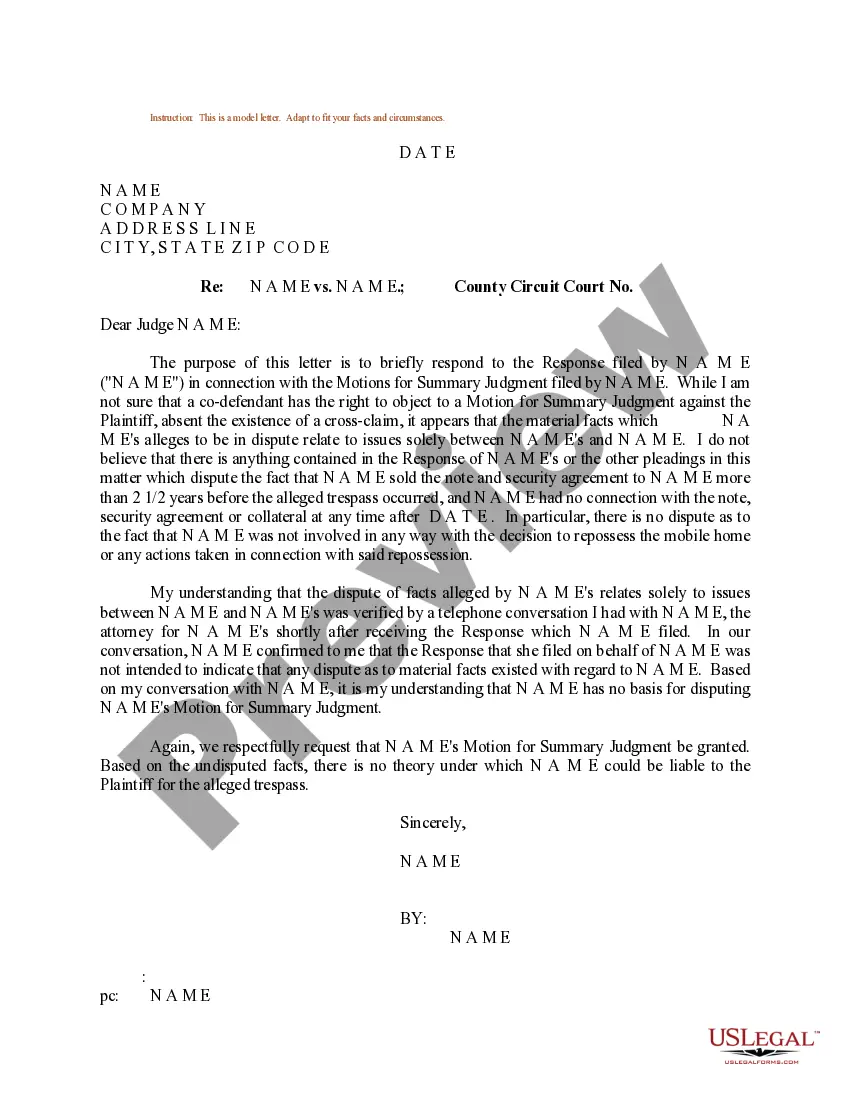
Get your form ready online
Our built-in tools help you complete, sign, share, and store your documents in one place.
Make edits, fill in missing information, and update formatting in US Legal Forms—just like you would in MS Word.
Download a copy, print it, send it by email, or mail it via USPS—whatever works best for your next step.
Sign and collect signatures with our SignNow integration. Send to multiple recipients, set reminders, and more. Go Premium to unlock E-Sign.
If this form requires notarization, complete it online through a secure video call—no need to meet a notary in person or wait for an appointment.
We protect your documents and personal data by following strict security and privacy standards.

Make edits, fill in missing information, and update formatting in US Legal Forms—just like you would in MS Word.

Download a copy, print it, send it by email, or mail it via USPS—whatever works best for your next step.

Sign and collect signatures with our SignNow integration. Send to multiple recipients, set reminders, and more. Go Premium to unlock E-Sign.

If this form requires notarization, complete it online through a secure video call—no need to meet a notary in person or wait for an appointment.

We protect your documents and personal data by following strict security and privacy standards.
Looking for another form?
Form popularity
FAQ
Running, cycling, jumping, swimming, eating, drinking, playing, writing, typing, moving cars, and throwing a ball are all examples of motion. Sleeping, sitting, standing, lying, a fixed clock, a bottle on a table, and a stopped car are all examples of rest.
If a member moves to fix the time to adjourn when no question is pending and the board has set a date for another meeting the same day or the next day, it is considered a main motion. In the latter example, the motion may be debated and amended and it can have a subsidiary motion attached to it.
The court will schedule your hearing. During this hearing, the judge makes sure both your Los Angeles criminal defense lawyer and the prosecution are ready to proceed. The judge also hears any legal arguments related to the motion your lawyer has to make.
Understand Judicial Attention Spans: Be Certain Your Brief and Arguments Tell the Story. Employ Innocence by Association. Avoid “Red Flag” Clues for the Judicial Reader. Avoid Ad Hominem Attacks and Language. Argue to Win. Never Squander Credibility.
Drafting the Motion Check if the court has blank motion forms. Create your caption. Title your motion. Draft the introductory paragraph to the body of the motion. Request relief. Lay out the applicable facts. Make your legal argument. Insert a signature block.
MOTIONS TO SUPPRESS & MOTIONS TO DISMISS. An effective tool that criminal defense attorneys often use in criminal proceedings are motions to suppress and motions to dismiss. A successful motion could mean the difference between a dropped or dismissed charges and jail or prison sentences.
A motion is an application to the court made by the prosecutor or defense attorney, requesting that the court make a decision on a certain issue before the trial begins. The motion can affect the trial, courtroom, defendants, evidence, or testimony. Only judges decide the outcome of motions.
Write your legal argument by stating the rule and explaining how your facts apply to it. Then, add your signature, a Certificate of Service, and a Notice of Hearing. File your motion with the clerk of court overseeing your case. Then, give copies to each defendant.
General format - each motion generally consists of a case caption, a title that briefly identifies the relief sought, a series of numbered paragraphs that explains -- in a logical way -- why you are entitled to that relief, a prayer for relief, a signature block, a certification that a copy of the motion was sent to ...
If you want to file a motion, the process is generally something like this: You write your motion. You file your motion with the court clerk. The court clerk inserts the date and time your motion will be heard by the judge. You “serve” (mail) your motion to the other side.