Motion Hearing In Court In Dallas
Description
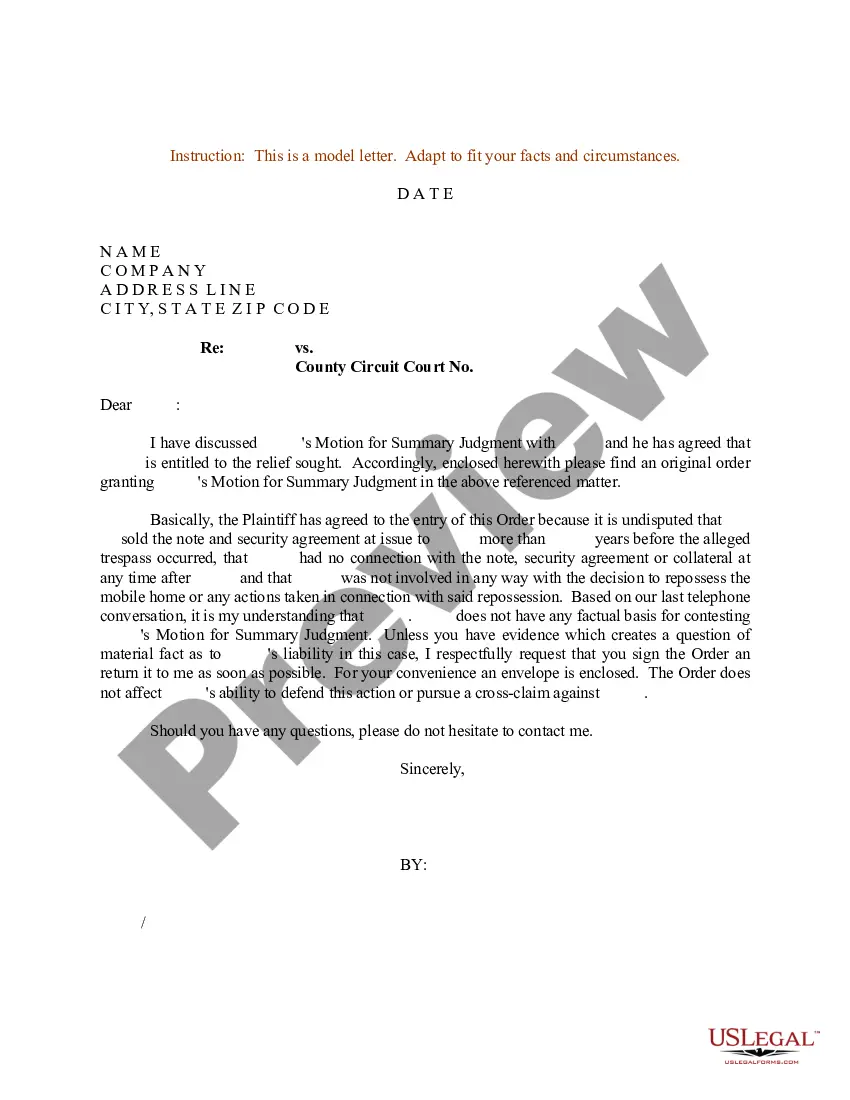
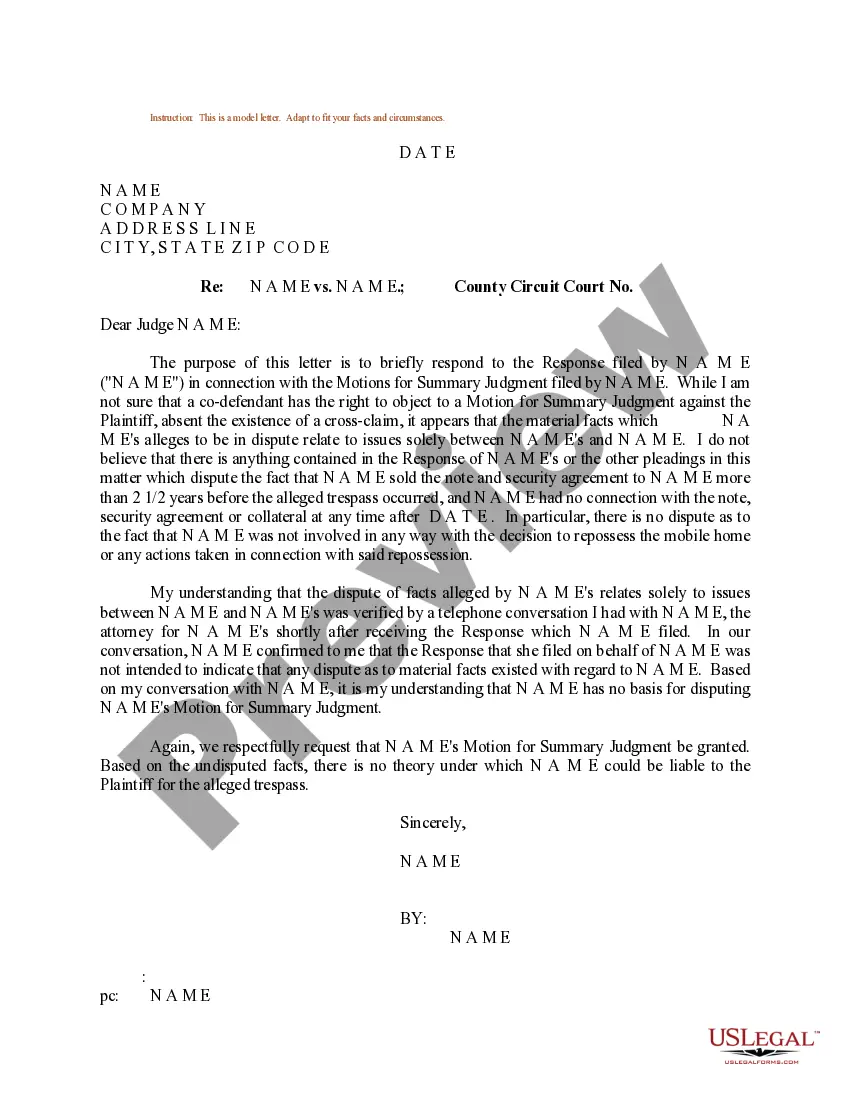
Get your form ready online
Our built-in tools help you complete, sign, share, and store your documents in one place.
Make edits, fill in missing information, and update formatting in US Legal Forms—just like you would in MS Word.
Download a copy, print it, send it by email, or mail it via USPS—whatever works best for your next step.
Sign and collect signatures with our SignNow integration. Send to multiple recipients, set reminders, and more. Go Premium to unlock E-Sign.
If this form requires notarization, complete it online through a secure video call—no need to meet a notary in person or wait for an appointment.
We protect your documents and personal data by following strict security and privacy standards.

Make edits, fill in missing information, and update formatting in US Legal Forms—just like you would in MS Word.

Download a copy, print it, send it by email, or mail it via USPS—whatever works best for your next step.

Sign and collect signatures with our SignNow integration. Send to multiple recipients, set reminders, and more. Go Premium to unlock E-Sign.

If this form requires notarization, complete it online through a secure video call—no need to meet a notary in person or wait for an appointment.

We protect your documents and personal data by following strict security and privacy standards.
Looking for another form?




Form popularity
FAQ
It is unlikely that you would go to jail as a direct result of a motion hearing, as these proceedings are primarily focused on resolving legal issues and disputes before a trial. However, certain circumstances could arise where custody might be addressed during the hearing.
How Long is a Motion Hearing? The length of a motion hearing can vary depending on the case and the issues being addressed. In straightforward cases, such as a motion to compel discovery or a motion to dismiss charges based on procedural errors, the hearing might last anywhere from 30 minutes to an hour.
The purpose of a motion hearing is to resolve these issues before the case proceeds further, ensuring that the parties are able to prepare for trial (or, in some cases, have the case resolved or dismissed before it gets to a trial). Motion hearings play a strategic role in the litigation process.
A motion is an application to the court made by the prosecutor or defense attorney, requesting that the court make a decision on a certain issue before the trial begins. The motion can affect the trial, courtroom, defendants, evidence, or testimony.
The Purpose and Importance of Motion Hearings Understanding what is a motion hearing helps to highlight its importance. These hearings allow both parties to present their arguments and evidence about a specific motion, giving the judge the information needed to make fair and informed decisions.
A motion is an application to the court made by the prosecutor or defense attorney, requesting that the court make a decision on a certain issue before the trial begins. The motion can affect the trial, courtroom, defendants, evidence, or testimony. Only judges decide the outcome of motions.
During this hearing, the judge makes sure both your Los Angeles criminal defense lawyer and the prosecution are ready to proceed. The judge also hears any legal arguments related to the motion your lawyer has to make.
Purpose. A motion is a formal proposal by a member to do something. Motions are the basis of the group decision-making process. They focus the group on what is being decided.
General format - each motion generally consists of a case caption, a title that briefly identifies the relief sought, a series of numbered paragraphs that explains -- in a logical way -- why you are entitled to that relief, a prayer for relief, a signature block, a certification that a copy of the motion was sent to ...
Write a short and clear introduction. Draft a factually accurate narrative. Know the standard that must be met and craft an explanation of the standard. Use the most persuasive components of the relevant law. Apply the law to the facts in a convincing and credible manner. Conclusion.