Chattel Mortgage Form With Extra Judicial Foreclosure In San Diego
Description


Form popularity
FAQ
Judicial foreclosure refers to foreclosure proceedings that take place through the court system. This foreclosure process occurs when a mortgage lacks a power of sale clause, which would legally authorize the mortgage lender to sell the property if a default occurred.
California's new foreclosure laws emphasize homeowners' rights and aim to reduce the stress associated with foreclosure. Some of the most impactful changes include: Enhanced Notification: Lenders must give more straightforward notices with specific timelines, allowing titleholders to understand their options.
In a judicial foreclosure, after the judge orders the sale of a home, it's usually auctioned off to the highest bidder. The homeowner has some time after the sale to buy the home back from the successful bidder (called the right of redemption). The amount of time depends on whether the sale satisfied the debt.
In a strict foreclosure, the lender goes to court to ask for an order declaring the borrower in default on the mortgage and permitting it to foreclose. If the court agrees that the borrower is in default, it will approve the foreclosure and give the title to the home directly to the lender.
Notification: After the foreclosure sale, you will receive a notice from the trustee if surplus funds are available. The trustee must also file a report with the court. Filing a Claim: Submit a claim form to the trustee or the court, detailing your right to the surplus funds.
30 days after contact, lender can record a Notice of Default The lender sends you a copy of this notice by certified mail within 10 business days of recording it. You have 90 days from the date that the Notice of Default is recorded to “cure” (fix, usually by paying what is owed) the default.
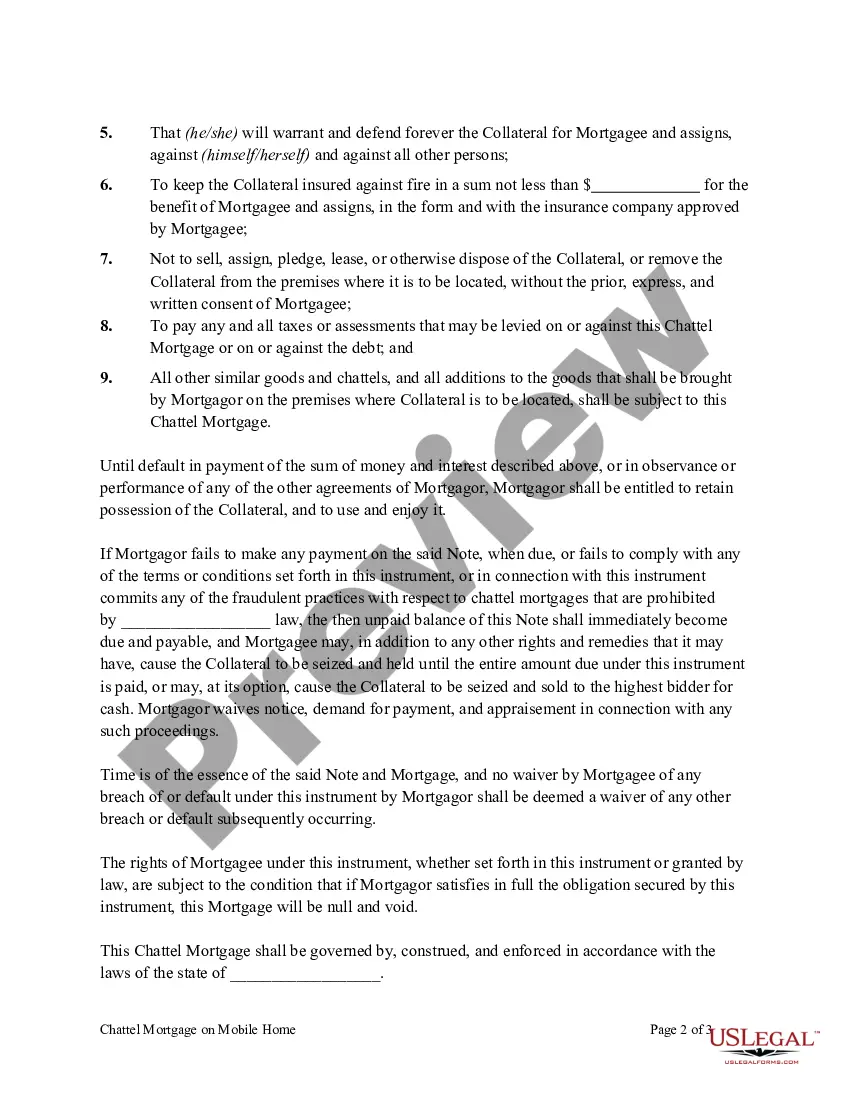
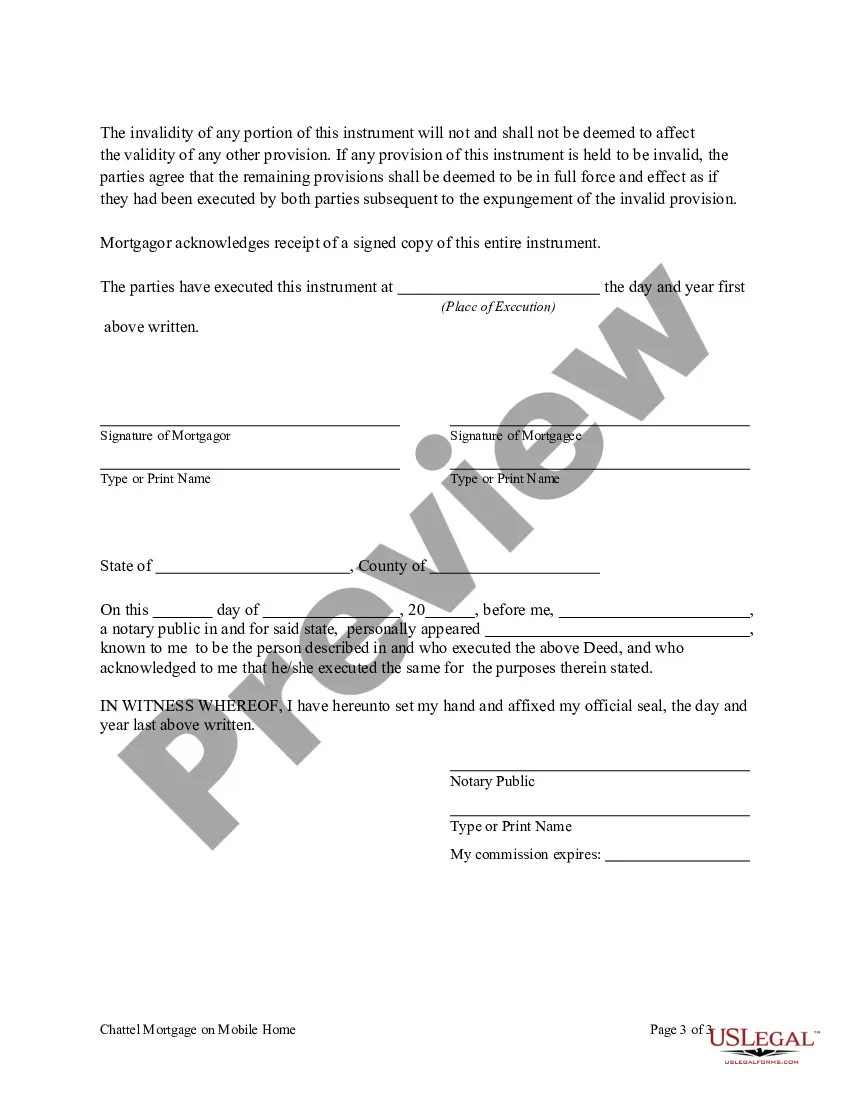
Chattel is any tangible personal property that is movable. Examples of chattel are furniture, livestock, bedding, picture frames, and jewelry.
The "power of sale" clause in effect enables the mortgagee to order a public sale without court decree.
