Chattel Mortgage Form Ford In Pima
Description

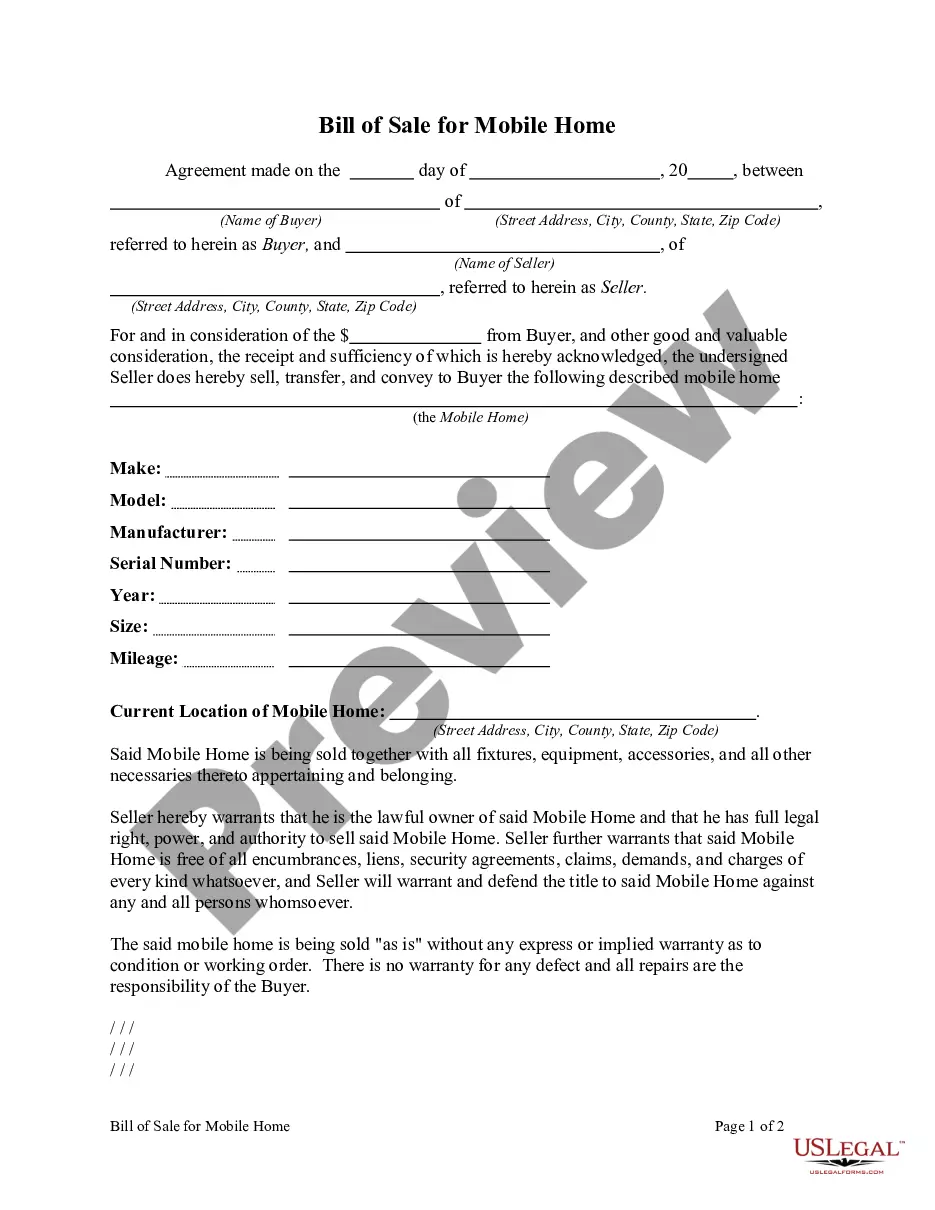
Get your form ready online
Our built-in tools help you complete, sign, share, and store your documents in one place.
Make edits, fill in missing information, and update formatting in US Legal Forms—just like you would in MS Word.
Download a copy, print it, send it by email, or mail it via USPS—whatever works best for your next step.
Sign and collect signatures with our SignNow integration. Send to multiple recipients, set reminders, and more. Go Premium to unlock E-Sign.
If this form requires notarization, complete it online through a secure video call—no need to meet a notary in person or wait for an appointment.
We protect your documents and personal data by following strict security and privacy standards.

Make edits, fill in missing information, and update formatting in US Legal Forms—just like you would in MS Word.

Download a copy, print it, send it by email, or mail it via USPS—whatever works best for your next step.

Sign and collect signatures with our SignNow integration. Send to multiple recipients, set reminders, and more. Go Premium to unlock E-Sign.

If this form requires notarization, complete it online through a secure video call—no need to meet a notary in person or wait for an appointment.

We protect your documents and personal data by following strict security and privacy standards.
Looking for another form?









Form popularity
FAQ
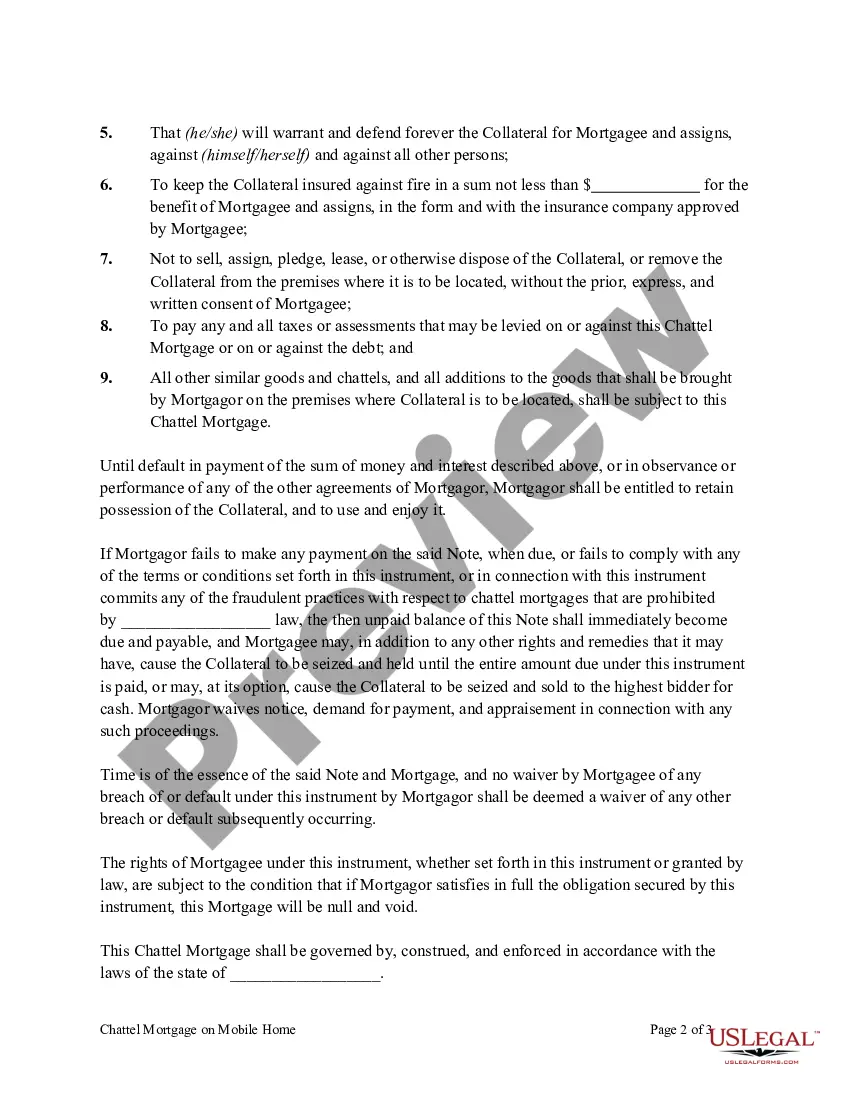
The Chattel Mortgage Law in the Philippines establishes regulations and requirements for the mortgaging of personal property, including the delivery of possession to the mortgagee or registration with the Register of Deeds, with violations resulting in fines, imprisonment, or both.
By chattel mortgage, personal property is recorded in the Chattel Mortgage Register as a security for the performance of an obligation. If the movable, instead of being recorded, is delivered to the creditor or a third person, the contract is a pledge and not a chattel mortgage.
A chattel mortgage shall not be valid against any person except the mortgagor, his executors or administrators, unless the possession of the property is delivered to and retained by the mortgagee or unless the mortgage is recorded in the office of the register of deeds of the province in which the mortgagor resides at ...
LTO MEMORANDUM CIRCULAR NO. 17 of the said manual of operations provides that “In all dealings or transactions on motor vehicles, a chattel mortgage or release thereof shall first be registered with the office of the Register of Deeds before any registration transaction is effected.”
Arizona law provides for “freezing” of the current Limited Property Value for future years of all real property and improvements (including mobile homes) of homes owned and occupied by qualifying seniors.
Property owner (applicant) must be 65 years of age or older. 2. The property must be the primary residence of the property owner and must have lived there for at least 2 years. 3.
Arizona is moderately tax-friendly toward retirees. Social Security income is not taxed. Withdrawals from retirement accounts are fully taxed. Wages are taxed at normal rates, and your marginal state tax rate is 2.50%.
Arizona allows a $4,748 Assessed Value property exemption to Arizona resident property owners qualifying as a widow/widower, or a person with total and permanent disability, or a veteran with a service or non-service connected disability.
The Senior Valuation Protection program enables qualified seniors to have their Limited Value frozen, which is the basis for all property taxes, frozen in 3 year increments to protect against the potential of an increasing real estate market.
Property tax rates in Pima County are the second highest of any county in Arizona. The average effective property tax rate in Pima County is 0.84%. That is higher than the state average, and the typical Pima County homeowner pays $2,161 annually in property taxes, which is also above average statewide.
