Mobile Home Form For Rent In Ohio
Description

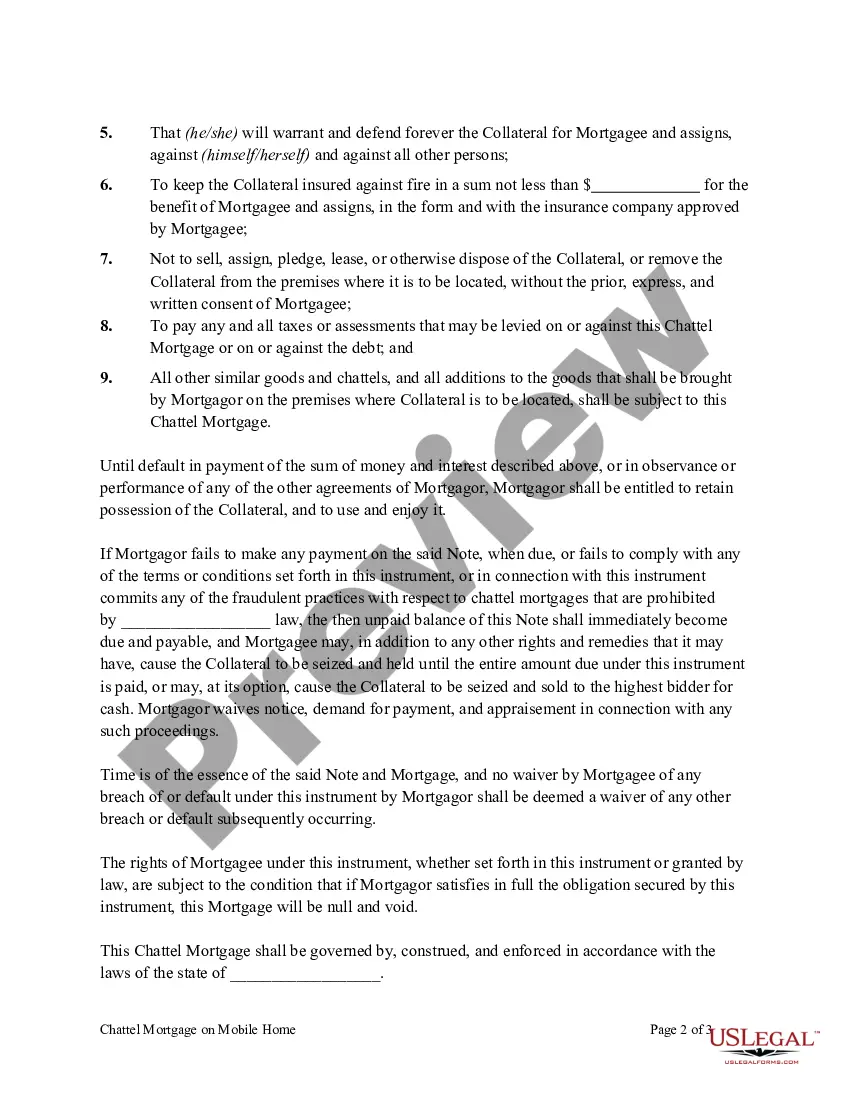
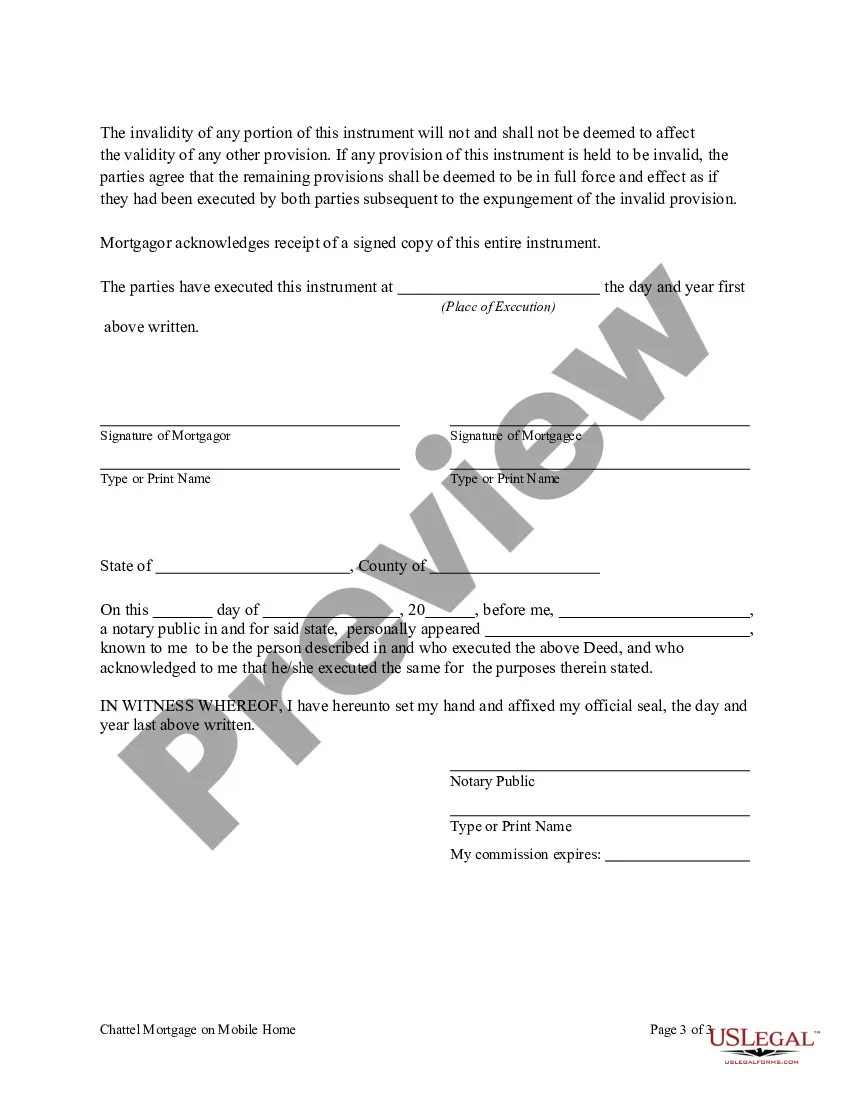
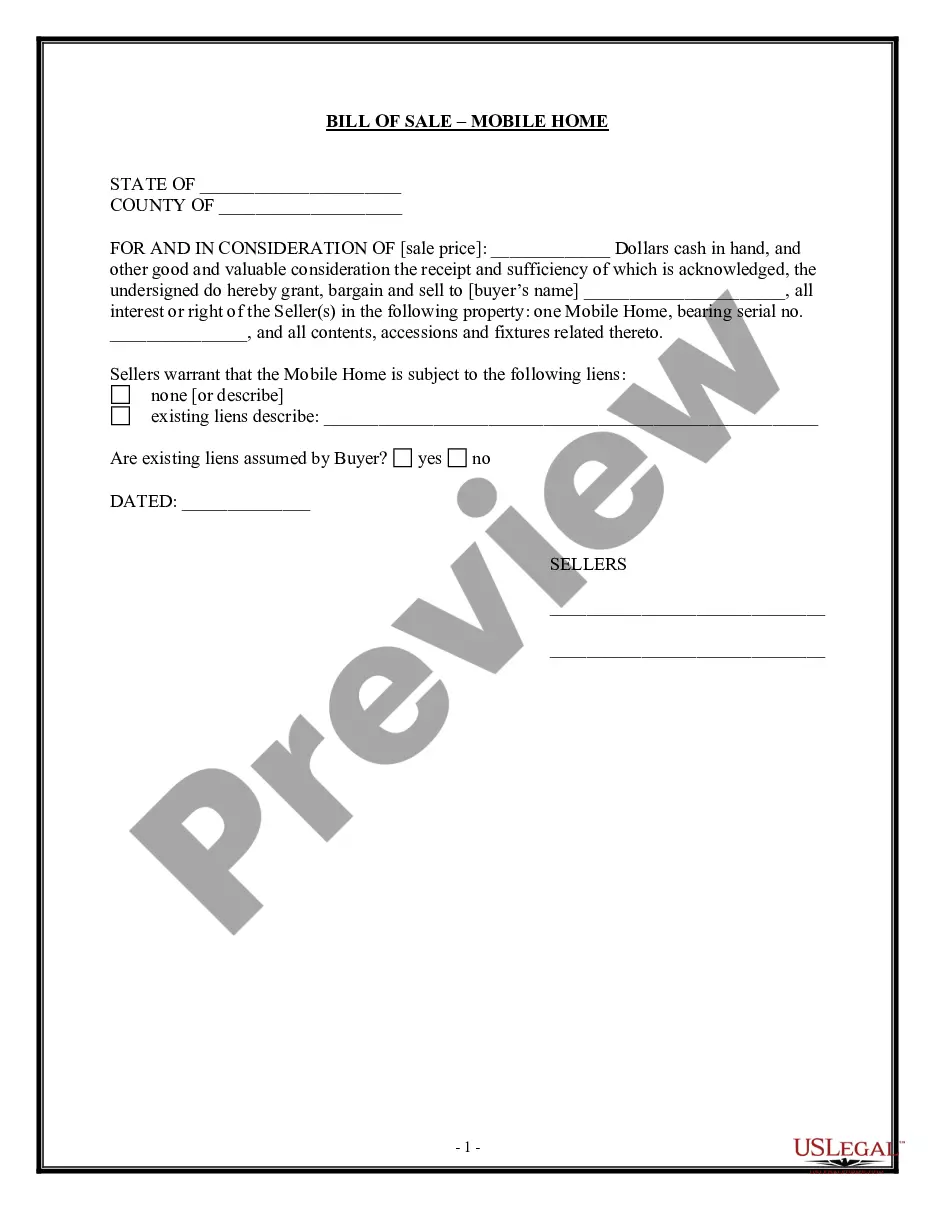
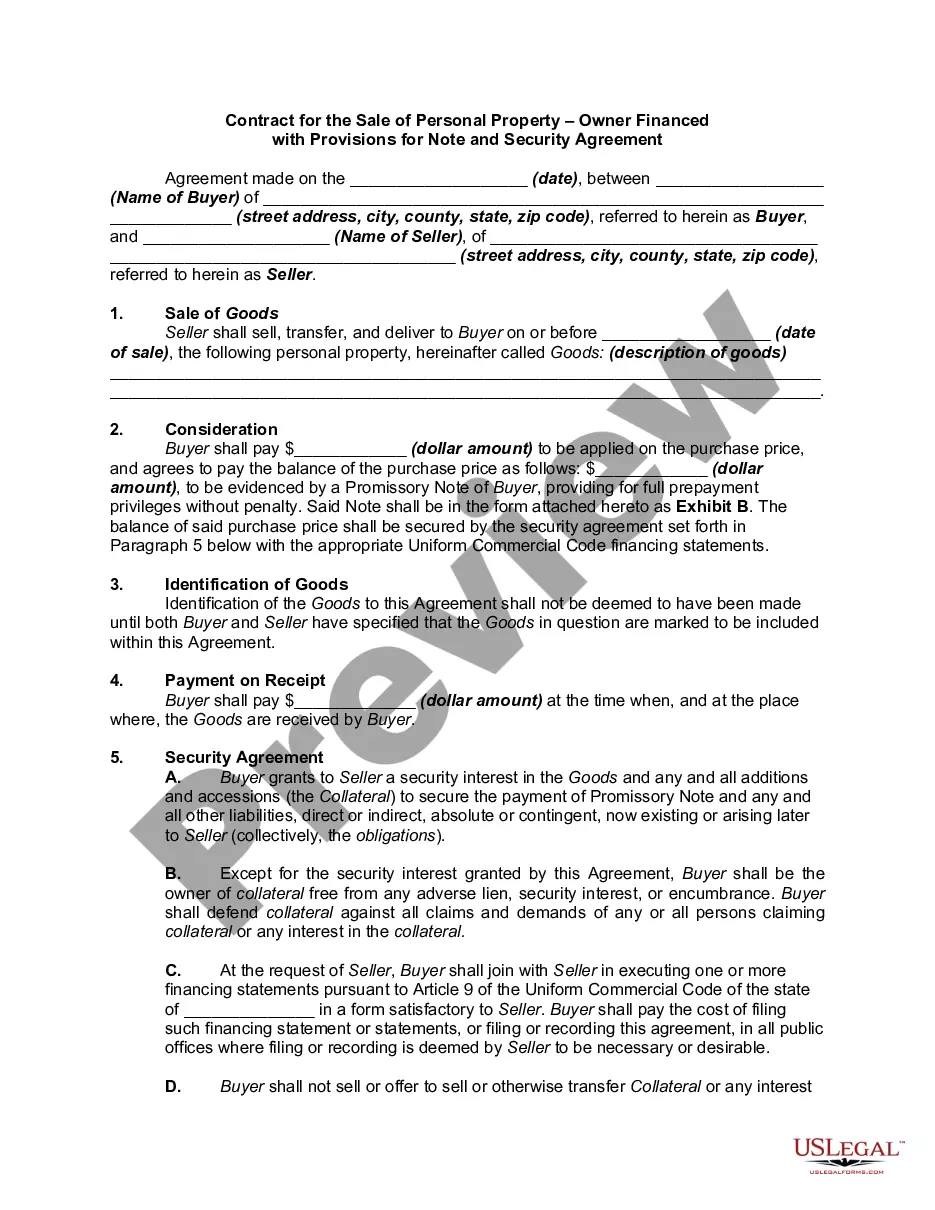
Get your form ready online
Our built-in tools help you complete, sign, share, and store your documents in one place.
Make edits, fill in missing information, and update formatting in US Legal Forms—just like you would in MS Word.
Download a copy, print it, send it by email, or mail it via USPS—whatever works best for your next step.
Sign and collect signatures with our SignNow integration. Send to multiple recipients, set reminders, and more. Go Premium to unlock E-Sign.
If this form requires notarization, complete it online through a secure video call—no need to meet a notary in person or wait for an appointment.
We protect your documents and personal data by following strict security and privacy standards.

Make edits, fill in missing information, and update formatting in US Legal Forms—just like you would in MS Word.

Download a copy, print it, send it by email, or mail it via USPS—whatever works best for your next step.

Sign and collect signatures with our SignNow integration. Send to multiple recipients, set reminders, and more. Go Premium to unlock E-Sign.

If this form requires notarization, complete it online through a secure video call—no need to meet a notary in person or wait for an appointment.

We protect your documents and personal data by following strict security and privacy standards.
Looking for another form?








Form popularity
FAQ
So I'll just write that out. Including. You know the decimals for cents. And then this dollars lineMoreSo I'll just write that out. Including. You know the decimals for cents. And then this dollars line is where you're going to actually write out the amount you're paying. So I will put 500.
In short - The state of Ohio does not provide a limit to rent increases.
How to Create a Landlord Verification Form Address the landlord. Include the tenant's details. State the tenant's consent. Inquire about rental history. Certify Answers: Include a statement at the bottom for the landlord to sign, certifying the accuracy of their responses to each question.
New landlords must obtain a Housing Rental License for their rental property, as well as an interior inspection of the property. City resources for landlords can be found on the Landlord Connection page. 7.
You must register your residential rental property with the County even if you have registered your rental property with the municipality where it is located.
Becoming a landlord requires not only financial resources but also managerial talent, attention to detail and, often, a healthy portion of sweat equity. There may be months when emergency repairs will eat up the potential profits making this role much more than just collecting rent.
The State of Ohio requires that residential rental property owners register their rental properties with the County Auditor.
For month-to-month tenants, Ohio law typically requires a 30-day notice, but the timeframe can vary depending on the reason for eviction: Nonpayment of Rent: Serve a 3-day notice to quit. Violation of Terms: Serve a 3-day notice to quit. No Cause (Month-to-Month Tenancy): Serve a 30-day notice.
However, in general, expenses related to the maintenance of a home, including lot rent, are not typically tax deductible.
