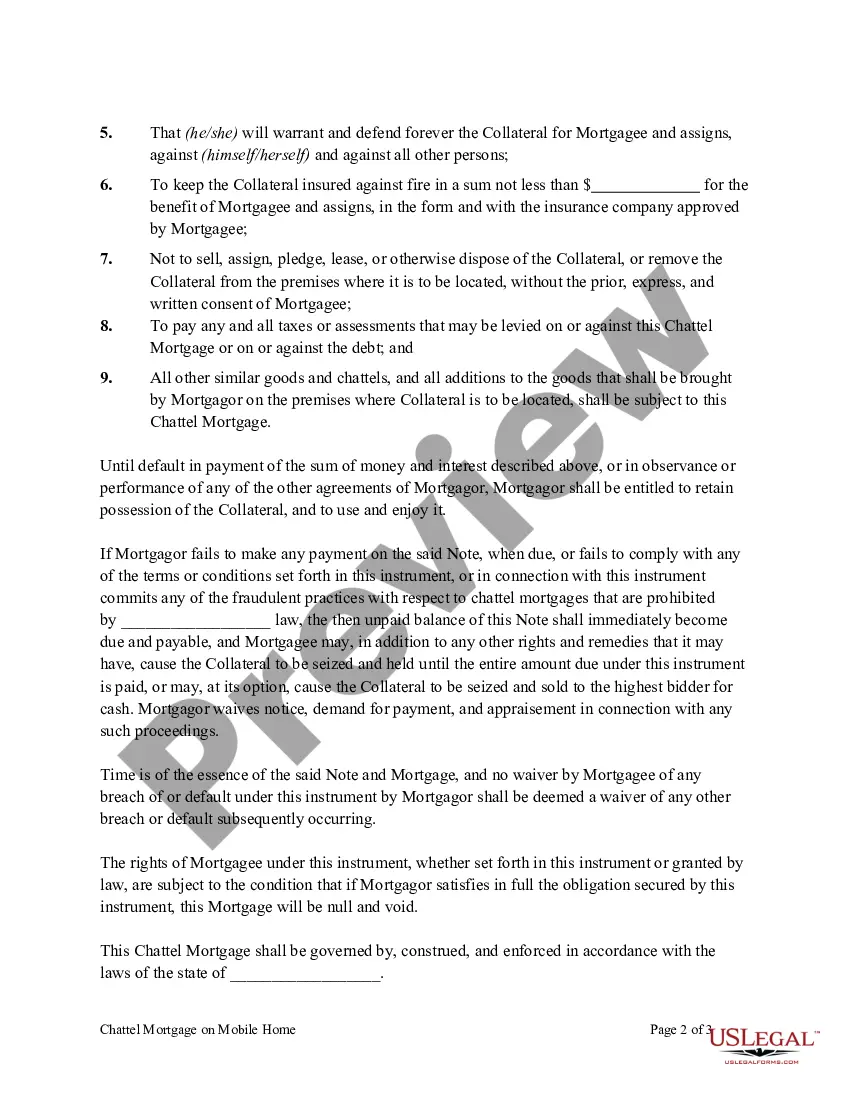
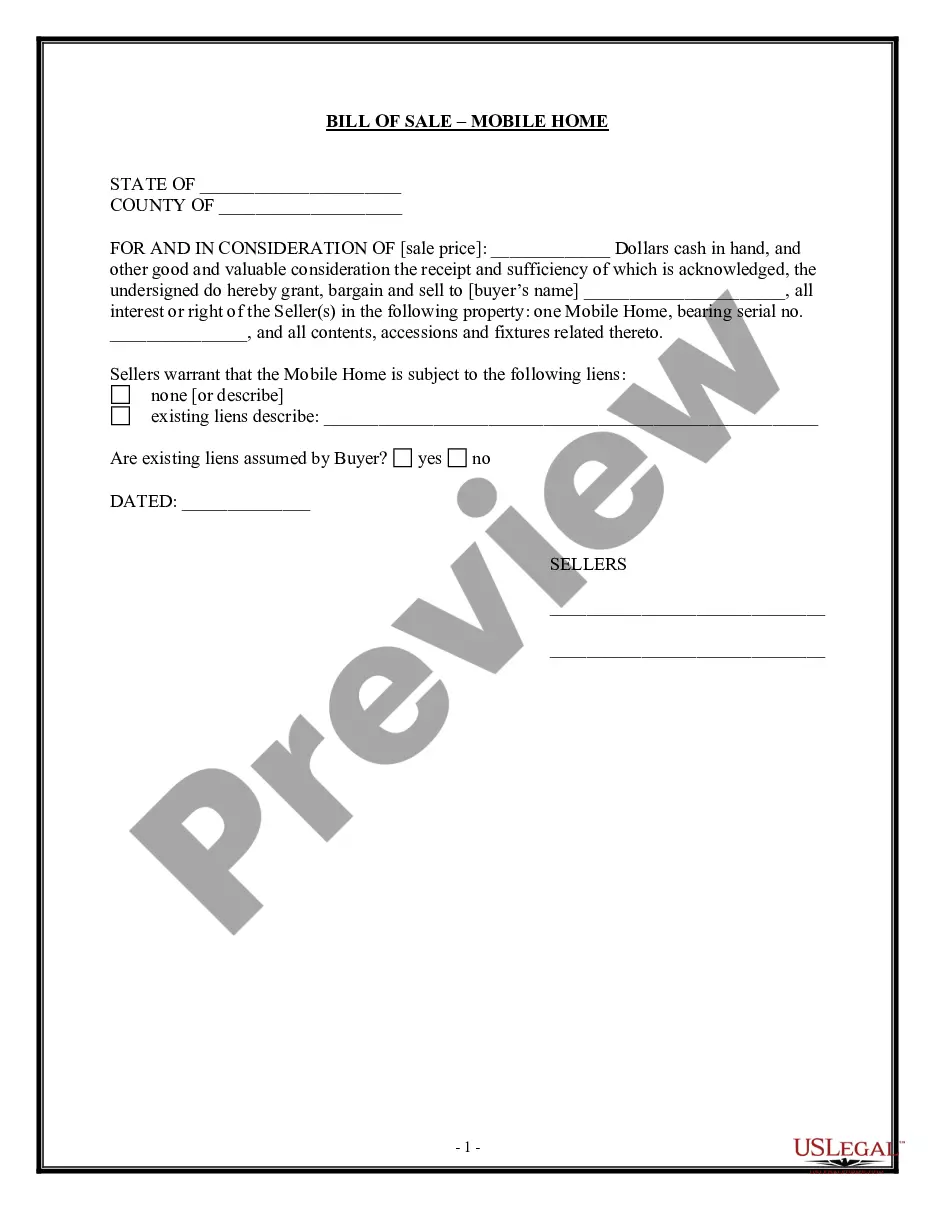
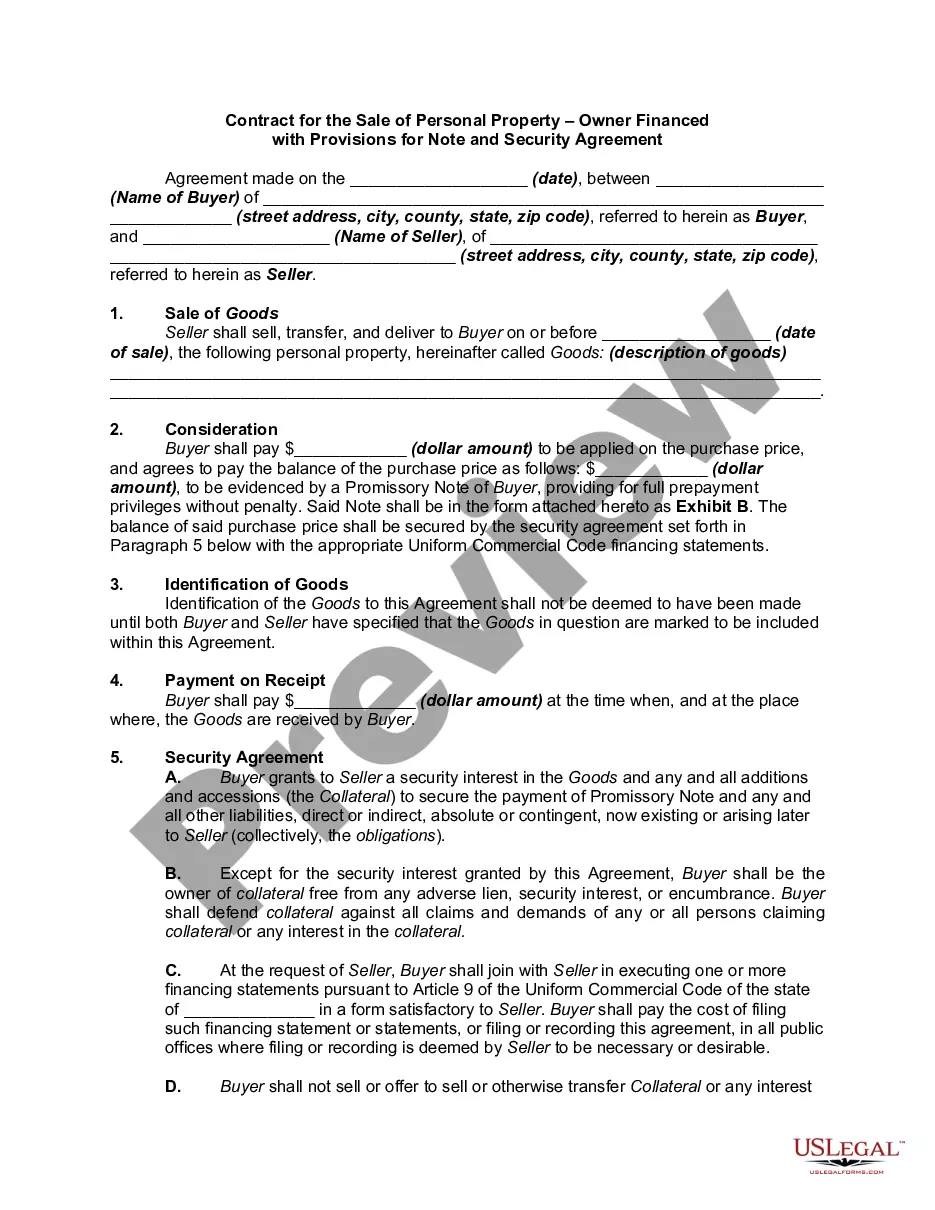
Chattel Mortgage Form Foreclosure In Los Angeles
Description

Get your form ready online
Our built-in tools help you complete, sign, share, and store your documents in one place.
Make edits, fill in missing information, and update formatting in US Legal Forms—just like you would in MS Word.
Download a copy, print it, send it by email, or mail it via USPS—whatever works best for your next step.
Sign and collect signatures with our SignNow integration. Send to multiple recipients, set reminders, and more. Go Premium to unlock E-Sign.
If this form requires notarization, complete it online through a secure video call—no need to meet a notary in person or wait for an appointment.
We protect your documents and personal data by following strict security and privacy standards.

Make edits, fill in missing information, and update formatting in US Legal Forms—just like you would in MS Word.

Download a copy, print it, send it by email, or mail it via USPS—whatever works best for your next step.

Sign and collect signatures with our SignNow integration. Send to multiple recipients, set reminders, and more. Go Premium to unlock E-Sign.

If this form requires notarization, complete it online through a secure video call—no need to meet a notary in person or wait for an appointment.

We protect your documents and personal data by following strict security and privacy standards.
Looking for another form?





Form popularity
FAQ
Deed in Lieu of Foreclosure Potential for Relocation Assistance: Sometimes, lenders may offer relocation assistance or additional time to stay in the home as part of the deal. Faster Resolution: The deed in lieu process is generally quicker than foreclosure, providing faster relief from mortgage obligations.
If they want to start foreclosure, they'll need to follow the steps and timeline below. Lender contacts you to do a foreclosure avoidance assessment. 30 days after contact, lender can record a Notice of Default. 90 days later, lender can record a Notice of Sale. 21 days later, the property can be sold. After the foreclosure.
Loss in Ownership, Title, and Equity: The most obvious drawback of a deed in lieu is the loss of ownership, title, and equity in the property. A borrower will also lose any improvements that were done on the property, rental income, and other profits related to the property.
If they want to start foreclosure, they'll need to follow the steps and timeline below. Lender contacts you to do a foreclosure avoidance assessment. 30 days after contact, lender can record a Notice of Default. 90 days later, lender can record a Notice of Sale. 21 days later, the property can be sold. After the foreclosure.
How To Buy A Fannie Mae HomePath Property Find An Approved Real Estate Agent. Finding the right real estate agent can make or break the home buying process. Get Preapproved With A Lender. Look For HomePath Properties. Attend The Buyer Education Course. Submit An Offer.
There are two answers, each equally true: California statutes tell us the minimum time for an unpaid lender to foreclose: about 4 months, from start to sale. In practice, it's far longer. Since the mortgage meltdown in 2008, lenders very seldom move a foreclosure as fast as the law allows.
In California, lenders can foreclose on deeds of trust or mortgages using a nonjudicial foreclosure process (outside of court) or a judicial foreclosure process (through the courts).
California's new foreclosure laws emphasize homeowners' rights and aim to reduce the stress associated with foreclosure. Some of the most impactful changes include: Enhanced Notification: Lenders must give more straightforward notices with specific timelines, allowing titleholders to understand their options.
