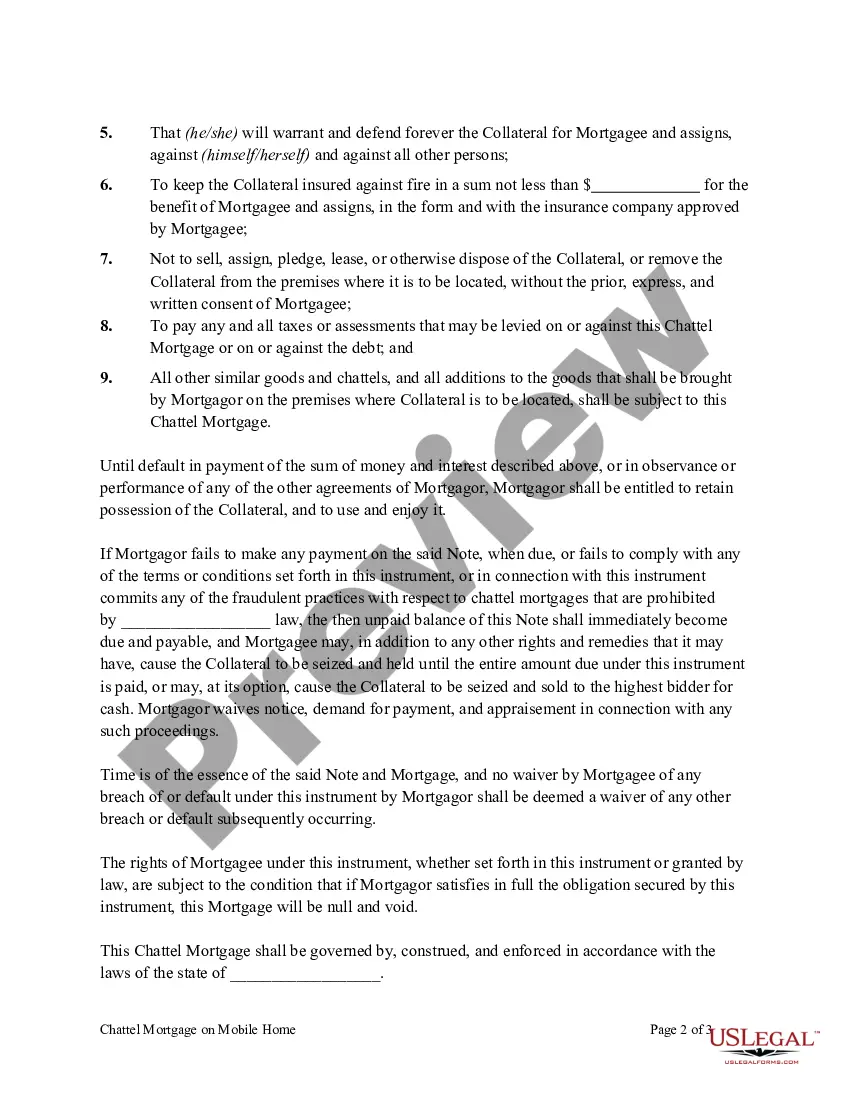
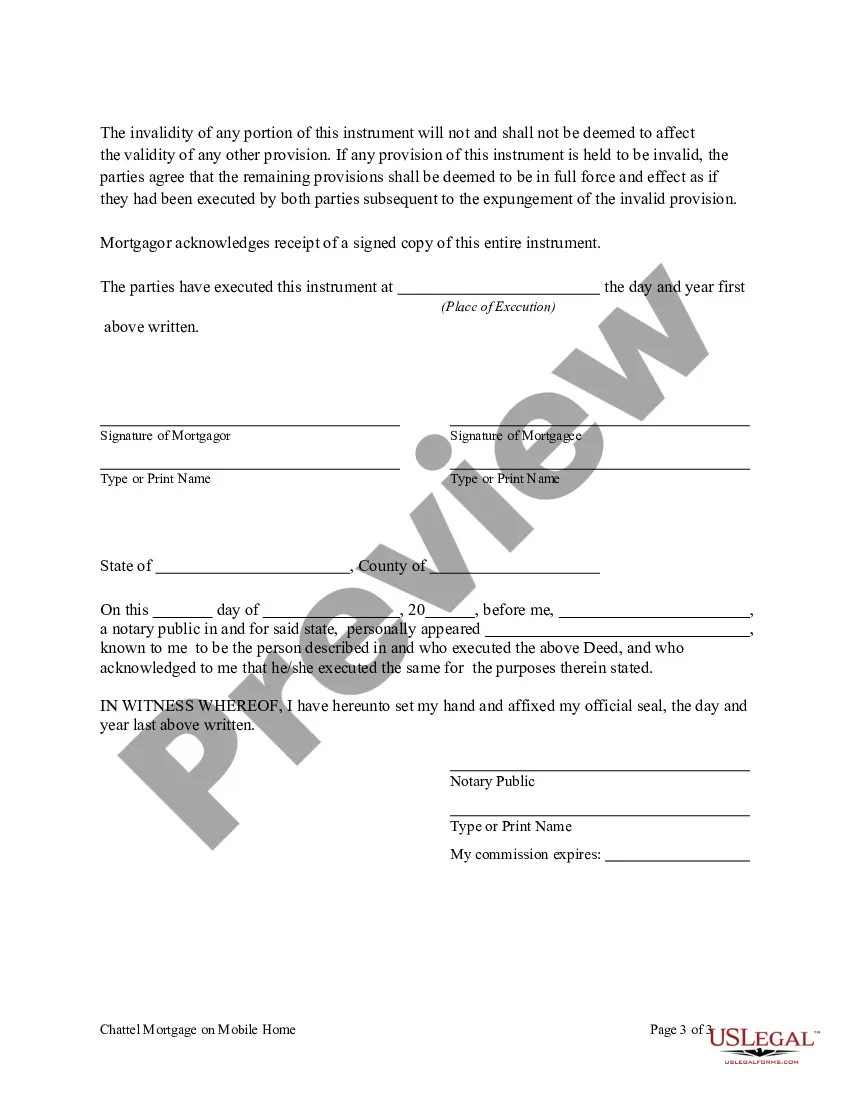
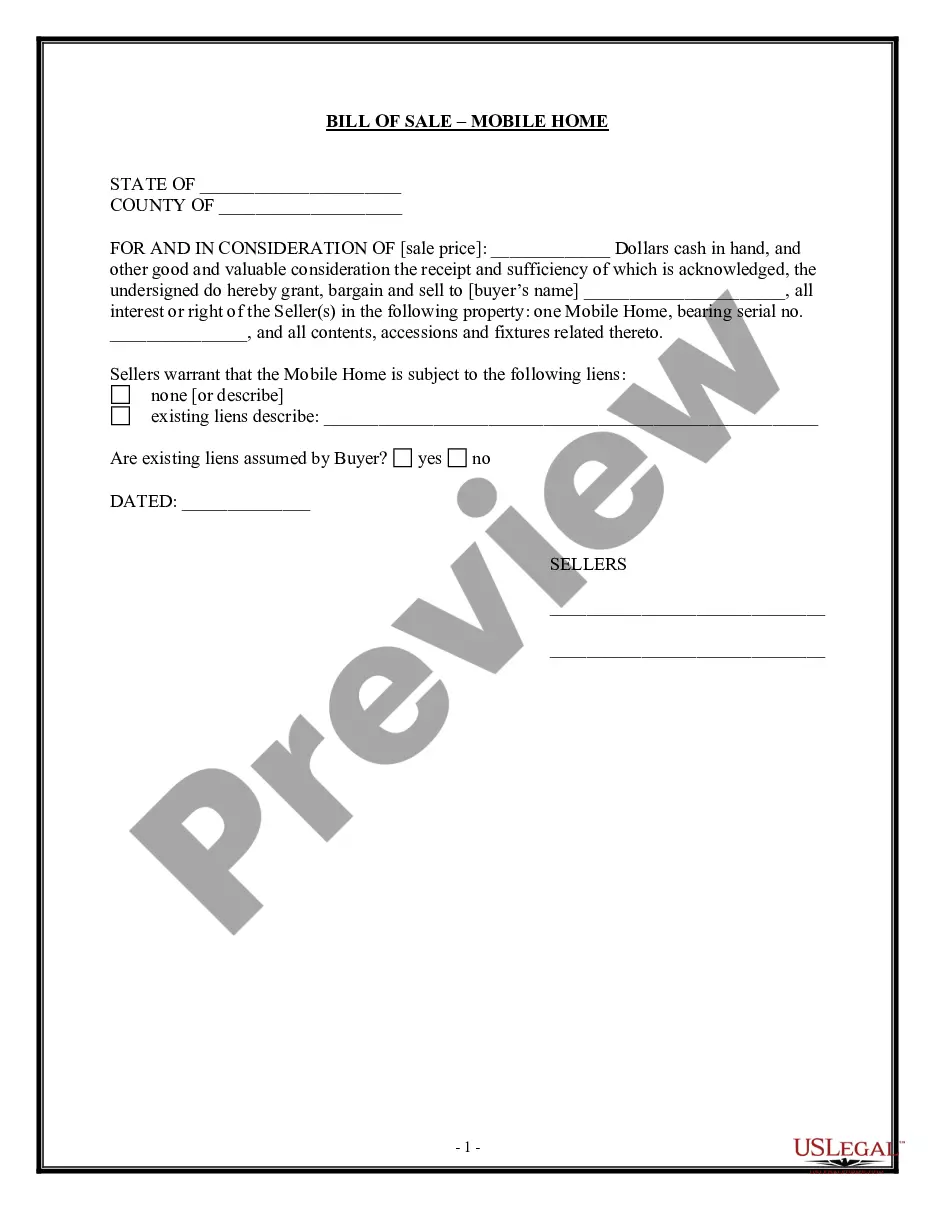
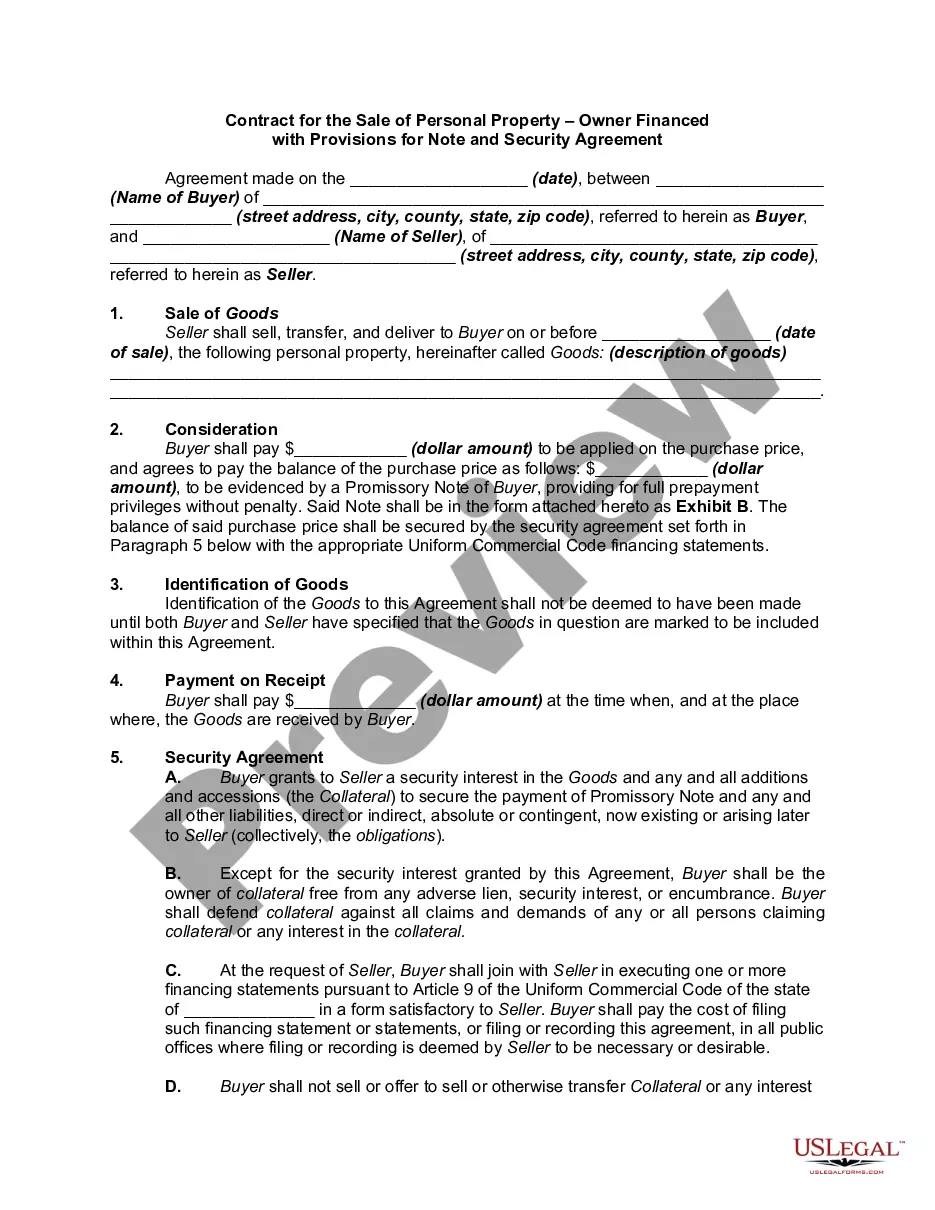
Chattel Mortgage Form Format In Illinois
Description

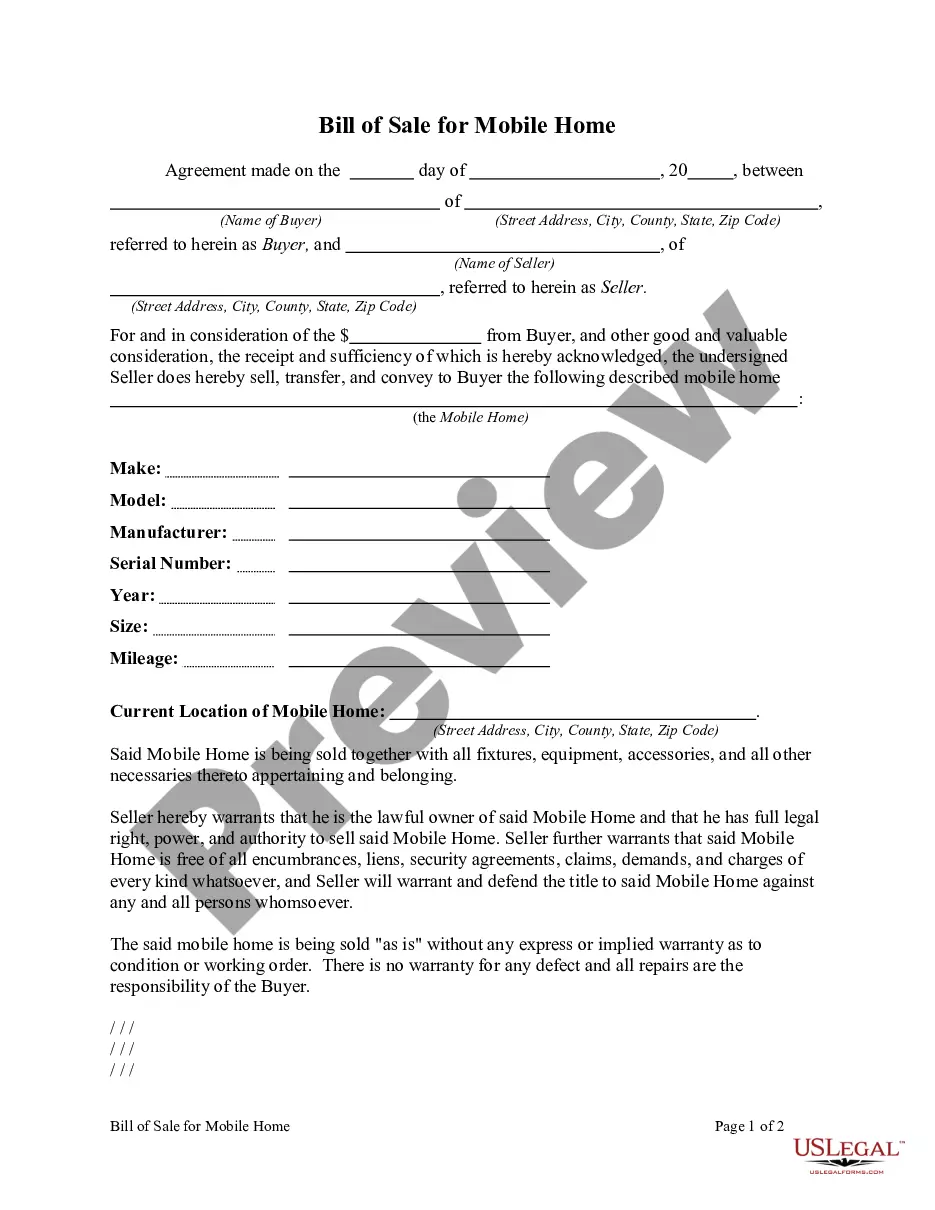
Get your form ready online
Our built-in tools help you complete, sign, share, and store your documents in one place.
Make edits, fill in missing information, and update formatting in US Legal Forms—just like you would in MS Word.
Download a copy, print it, send it by email, or mail it via USPS—whatever works best for your next step.
Sign and collect signatures with our SignNow integration. Send to multiple recipients, set reminders, and more. Go Premium to unlock E-Sign.
If this form requires notarization, complete it online through a secure video call—no need to meet a notary in person or wait for an appointment.
We protect your documents and personal data by following strict security and privacy standards.

Make edits, fill in missing information, and update formatting in US Legal Forms—just like you would in MS Word.

Download a copy, print it, send it by email, or mail it via USPS—whatever works best for your next step.

Sign and collect signatures with our SignNow integration. Send to multiple recipients, set reminders, and more. Go Premium to unlock E-Sign.

If this form requires notarization, complete it online through a secure video call—no need to meet a notary in person or wait for an appointment.

We protect your documents and personal data by following strict security and privacy standards.
Looking for another form?

Form popularity
FAQ
Due to the complex nature of these documents, the preparation of a deed is considered the practice of law in Illinois. This prevents non-attorneys from preparing deeds on behalf of anyone other than themselves and protects the parties involved.
You must file Form PTAX-203, Illinois Real Estate Transfer Declaration, and any required documents at the county recorder's office within the county where the property is located. It is due within three business days after the transfer or at the time of recordation, whichever is earlier.
Real Estate Transfer Declaration PTAX-203-A (PDF) - Form and instructions for Illinois Real Estate Transfer Declaration PTAX-203-A for non-residential property over $1 million and/or as required by Illinois Department of Revenue.
When transferring your property title to a family member in Illinois, you have several methods available including gift deeds, quitclaim deeds, and transfer-on-death instruments. The optimal choice depends on your tax situation, future estate planning goals, and desired level of control over the property.
You must file either (1) Form PTAX-203 and any required documents with the deed or trust document or (2) an exemption notation on the original deed or trust document at the County Recorder's office within the county where the property is located.
A chattel mortgage shall not be valid against any person except the mortgagor, his executors or administrators, unless the possession of the property is delivered to and retained by the mortgagee or unless the mortgage is recorded in the office of the register of deeds of the province in which the mortgagor resides at ...
All mortgages on residential property are recordable in Cook, Kane, Will and Peoria counties only with a valid certificate of exemption or certificate of compliance, both of which must be generated by the Anti-Predatory Lending Database (“APLD”).
Predatory lending targets vulnerable individuals, including those with low incomes, poor credit histories, minorities, and the elderly. These people tend to have limited access to traditional financial services and often feel like they have no other options.
Additionally, in order to record any mortgage against a Kane, Peoria, or Will County property, a Certificate of Compliance or Certificate of Exemption must be attached to the mortgage.
The purpose of a chattel mortgage is to secure financing for moveable property or chattel. Chattel mortgages can be used to finance vehicles, mobile homes, and even heavy equipment like tractors.
