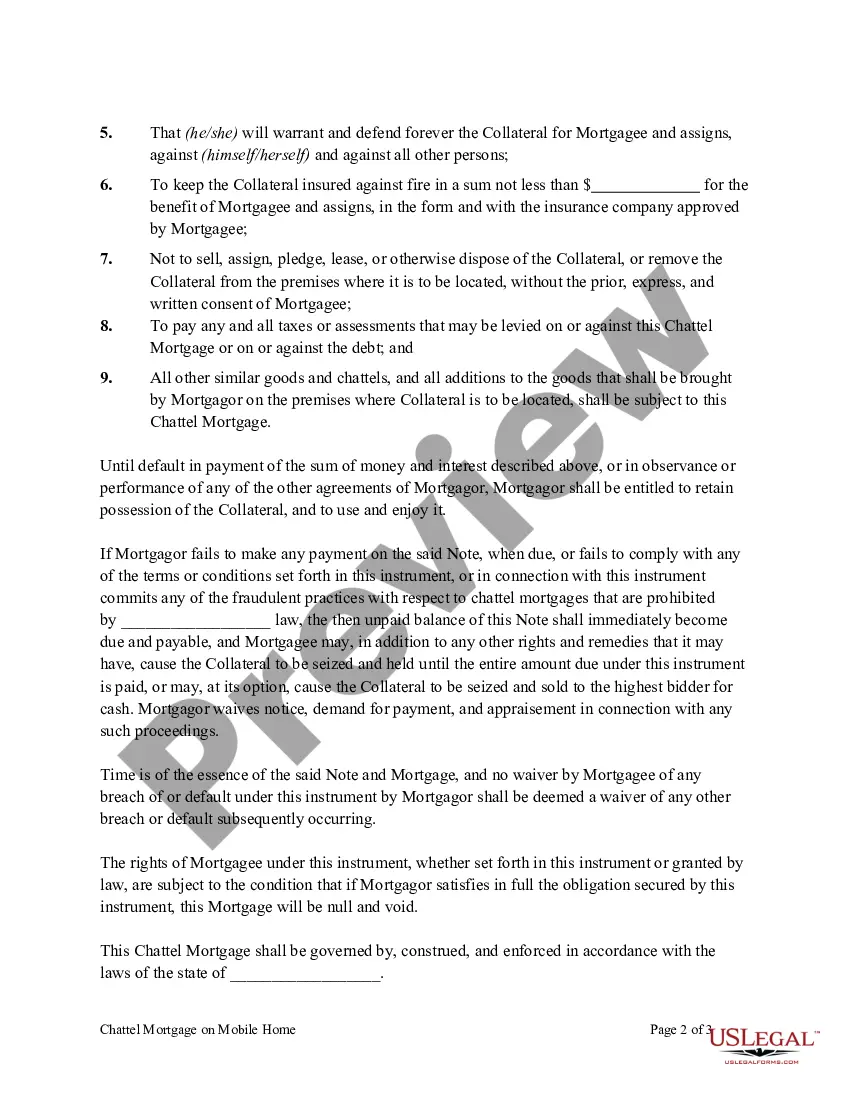
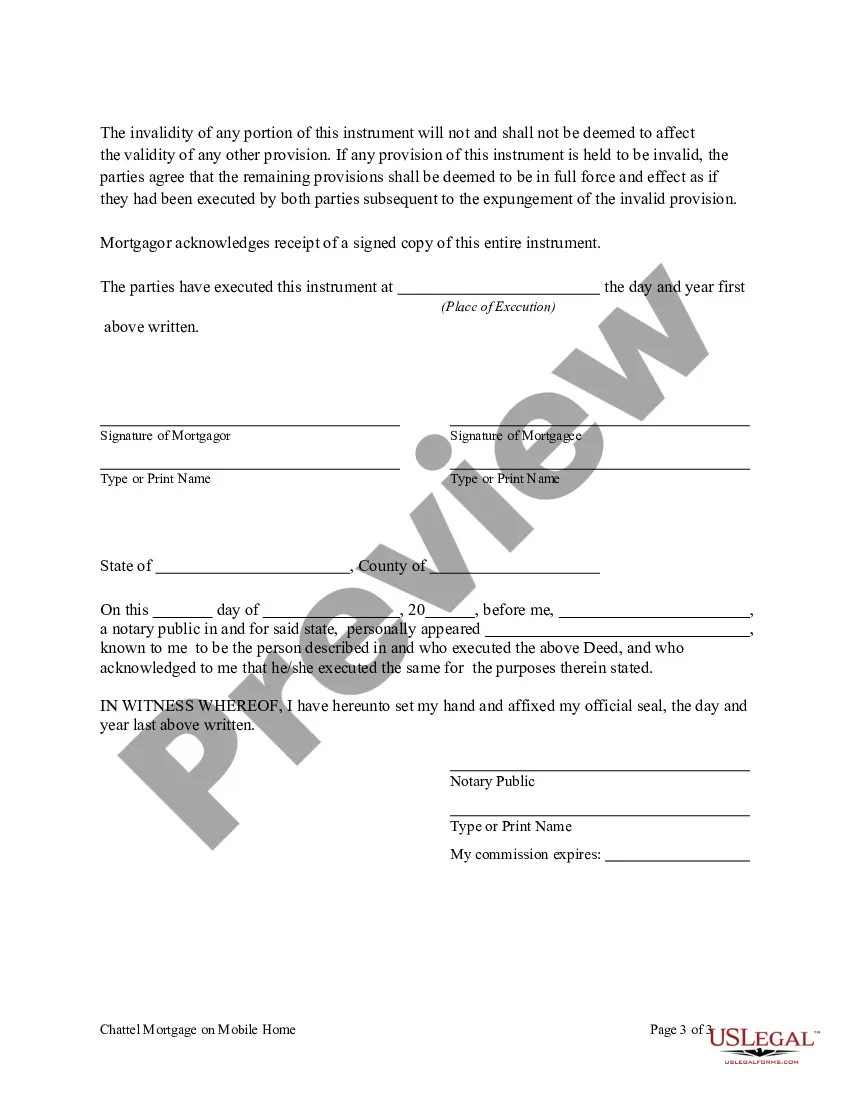
Chattel Mortgage Form With Extra Judicial Foreclosure In Fairfax
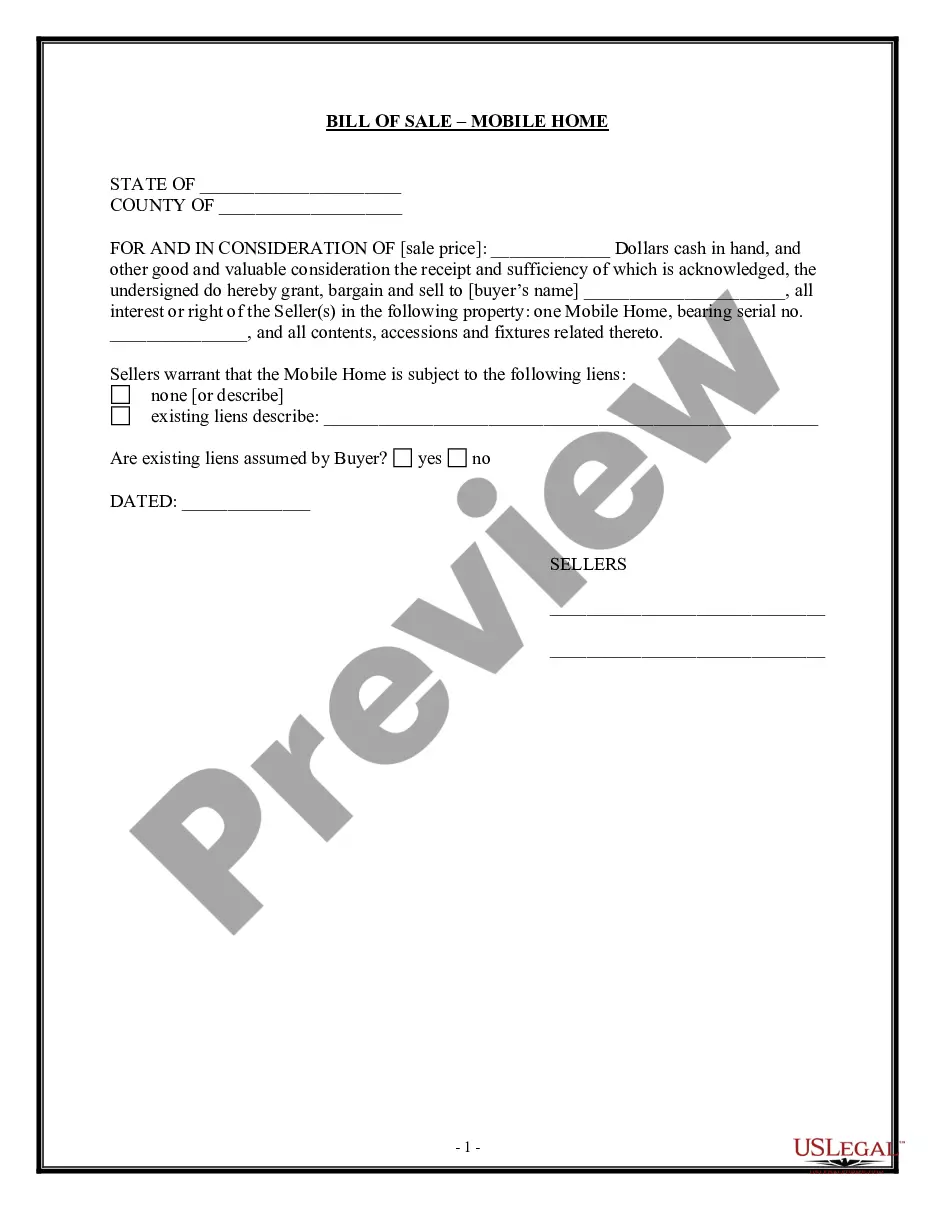
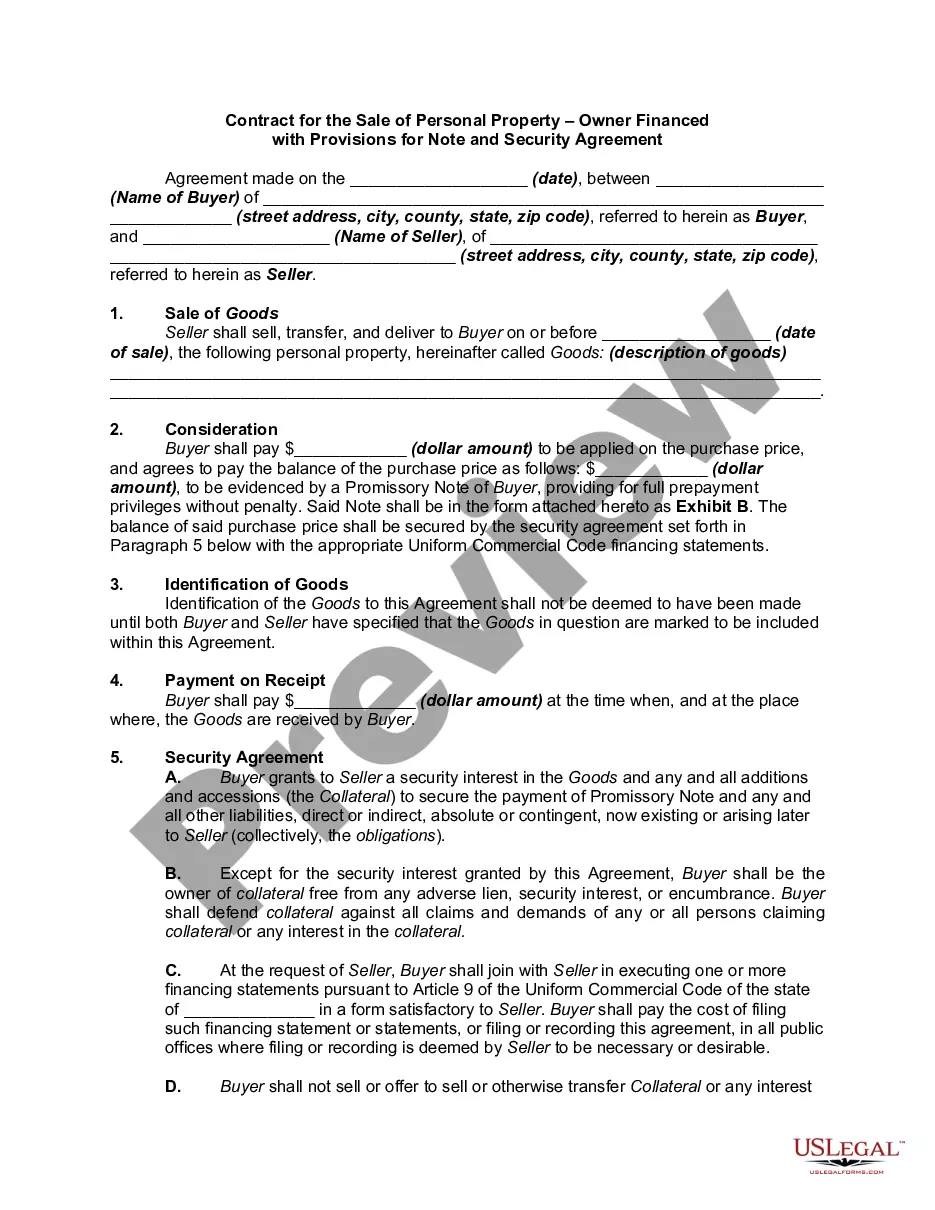
Description

Get your form ready online
Our built-in tools help you complete, sign, share, and store your documents in one place.
Make edits, fill in missing information, and update formatting in US Legal Forms—just like you would in MS Word.
Download a copy, print it, send it by email, or mail it via USPS—whatever works best for your next step.
Sign and collect signatures with our SignNow integration. Send to multiple recipients, set reminders, and more. Go Premium to unlock E-Sign.
If this form requires notarization, complete it online through a secure video call—no need to meet a notary in person or wait for an appointment.
We protect your documents and personal data by following strict security and privacy standards.

Make edits, fill in missing information, and update formatting in US Legal Forms—just like you would in MS Word.

Download a copy, print it, send it by email, or mail it via USPS—whatever works best for your next step.

Sign and collect signatures with our SignNow integration. Send to multiple recipients, set reminders, and more. Go Premium to unlock E-Sign.

If this form requires notarization, complete it online through a secure video call—no need to meet a notary in person or wait for an appointment.

We protect your documents and personal data by following strict security and privacy standards.
Looking for another form?
Form popularity
FAQ
What is the biggest differences between judicial foreclosure and strict foreclosure? that strict foreclosure does NOT involve a foreclosure sale.
What is the biggest differences between judicial foreclosure and strict foreclosure? that strict foreclosure does NOT involve a foreclosure sale.
The address of the Land Records Division is: Fairfax Circuit Court, 4110 Chain Bridge Road, Suite 317, Fairfax, VA 22030. The telephone number is 703/691-7320 (press 3, then 3). The office is open from a.m. – p.m. Monday through Friday.
In some jurisdictions, mortgagees must get a court order to foreclose on a mortgage. This is called a judicial foreclosure. Judicial foreclosures (like all foreclosures), are governed by the law of the jurisdiction that the mortgaged property is located in. This is almost always the law of a state.
Judicial foreclosure refers to foreclosure proceedings that take place through the court system. This foreclosure process occurs when a mortgage lacks a power of sale clause, which would legally authorize the mortgage lender to sell the property if a default occurred.
In a strict foreclosure, the secured party retains the debtor's collateral in full or partial satisfaction of the secured debt. For goods other than consumer goods, a party may accept collateral in full or partial satisfaction of the obligation it secures if both: The debtor consents to the acceptance.
Under federal law, the servicer usually can't officially begin a foreclosure until you're more than 120 days past due on payments, subject to a few exceptions. (12 C.F.R. § 1024.41). This 120-day period provides most homeowners with enough time to apply for loss mitigation application with their servicer.
Some states have a law that gives a foreclosed homeowner time after the foreclosure sale to redeem the property. Virginia, however, doesn't have a law providing a post-sale redemption period. So, you won't be able to redeem the home following a foreclosure.
A property can be foreclosed in Virginia in as little as 60 days if it foreclosed through the non judicial foreclosure process and the borrower does not contest or stall the proceedings. Judicial foreclosures vary in length depending on the court schedule and rulings.
A property can be foreclosed in Virginia in as little as 60 days if it foreclosed through the non judicial foreclosure process and the borrower does not contest or stall the proceedings. Judicial foreclosures vary in length depending on the court schedule and rulings.
