Board Meeting Corporate Forum In Virginia
Description

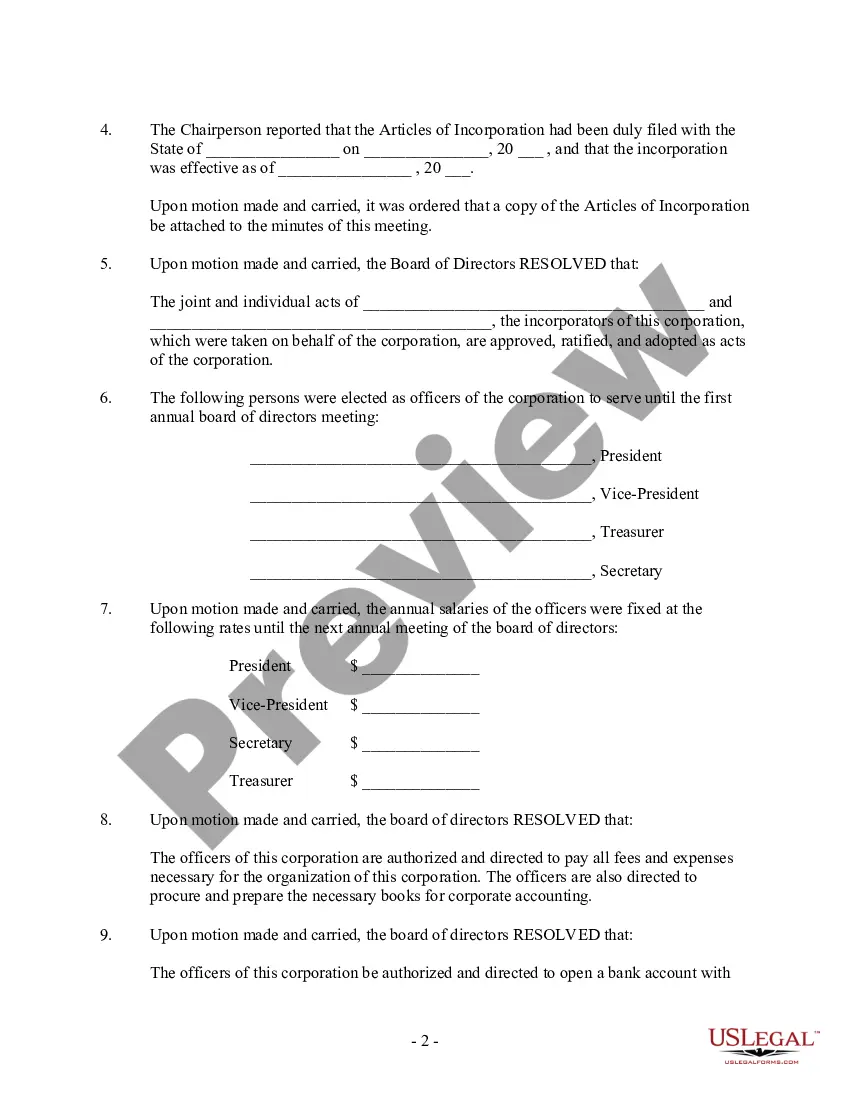
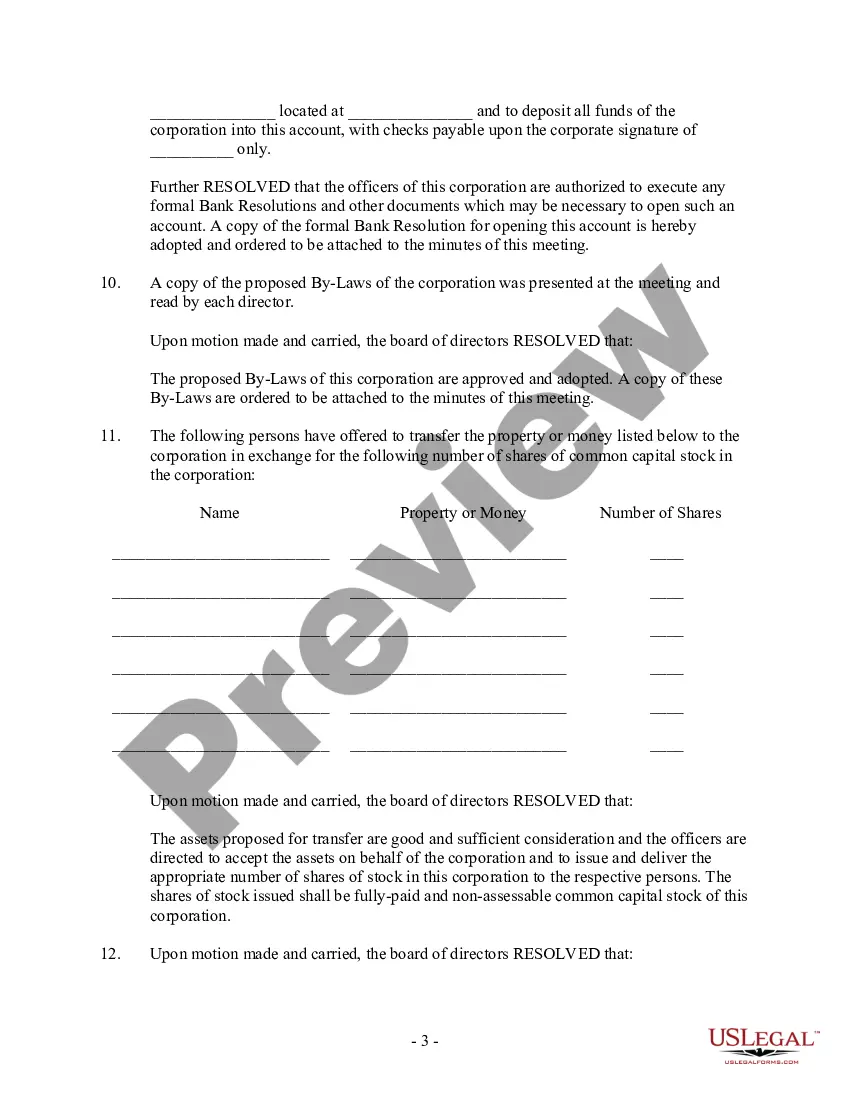
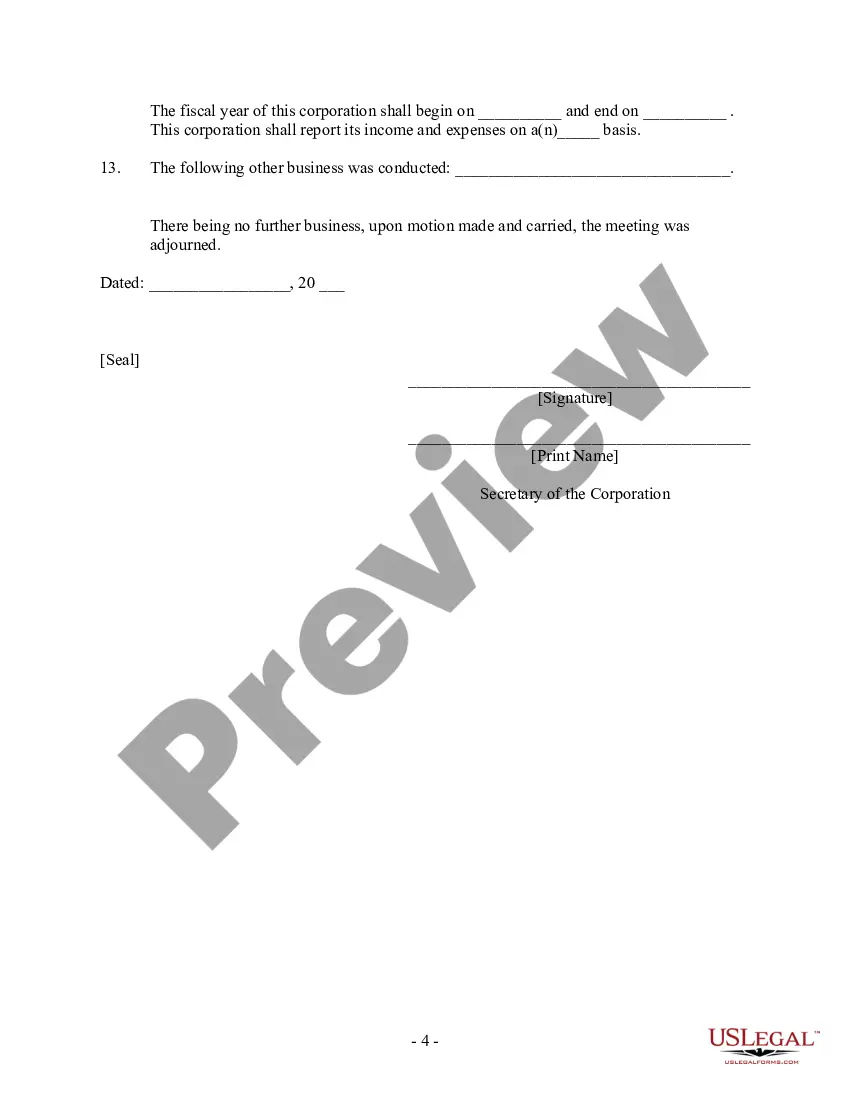

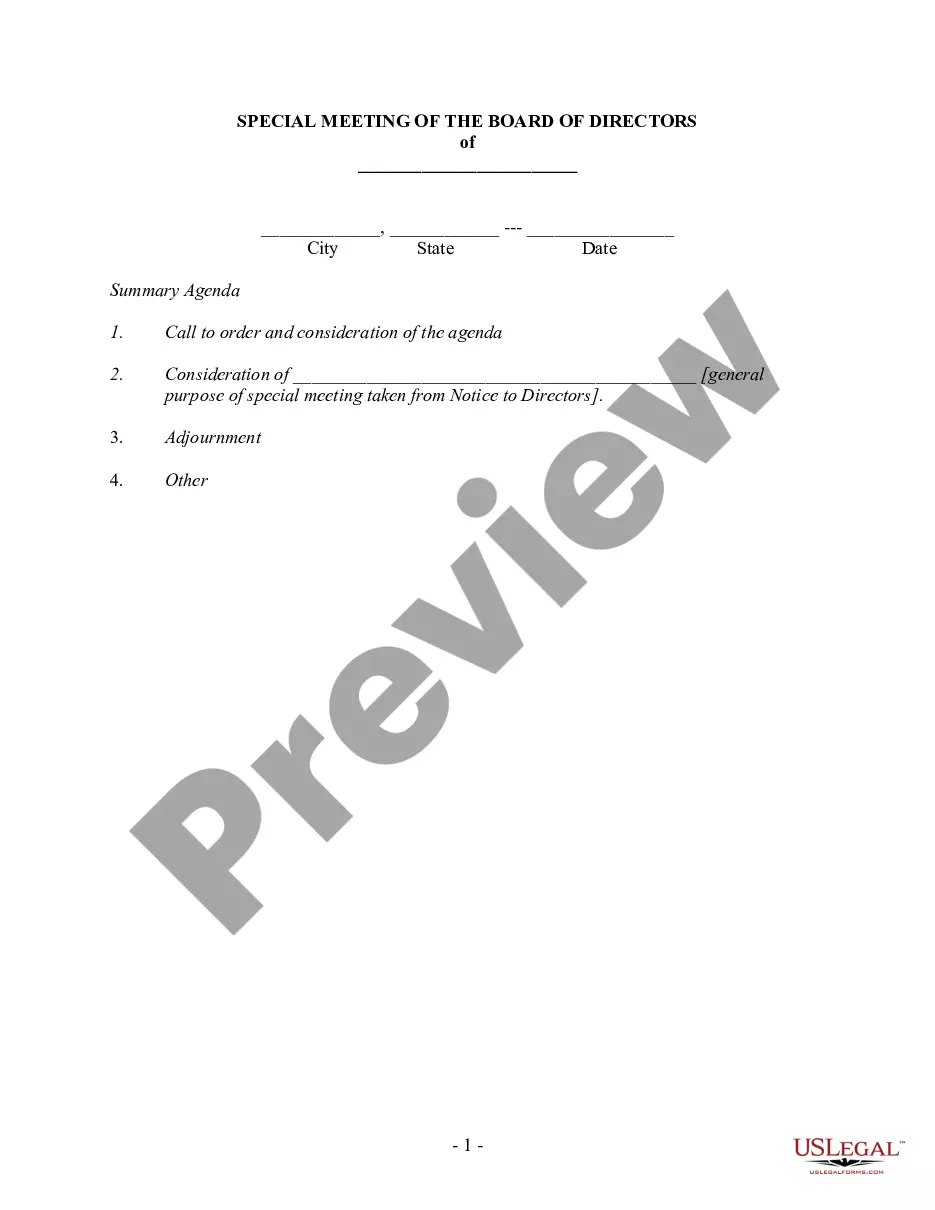
Get your form ready online
Our built-in tools help you complete, sign, share, and store your documents in one place.
Make edits, fill in missing information, and update formatting in US Legal Forms—just like you would in MS Word.
Download a copy, print it, send it by email, or mail it via USPS—whatever works best for your next step.
Sign and collect signatures with our SignNow integration. Send to multiple recipients, set reminders, and more. Go Premium to unlock E-Sign.
If this form requires notarization, complete it online through a secure video call—no need to meet a notary in person or wait for an appointment.
We protect your documents and personal data by following strict security and privacy standards.

Make edits, fill in missing information, and update formatting in US Legal Forms—just like you would in MS Word.

Download a copy, print it, send it by email, or mail it via USPS—whatever works best for your next step.

Sign and collect signatures with our SignNow integration. Send to multiple recipients, set reminders, and more. Go Premium to unlock E-Sign.

If this form requires notarization, complete it online through a secure video call—no need to meet a notary in person or wait for an appointment.

We protect your documents and personal data by following strict security and privacy standards.
Looking for another form?
Form popularity
FAQ
Who Is Allowed To Call a Meeting? A company's board can assemble a general meeting, and likewise the shareholders. Regardless, the CEO of the company may, all alone, gather a Meeting.
Essentially, the meeting protocol is a template workflow from calling the meeting to signing off the minutes from the previous meeting. The technical details that must be met to ensure the board can make its decisions. This could be the minimum number of members required for a quorum or the type of majority needed.
Board meetings are meetings of the directors and general meetings meetings of the members (shareholders) of the company.
"Any Director of a company may, at any time, summon a Meeting of the Board, and the Company Secretary or where there is no Company Secretary, any person authorised by the Board in this behalf, on the requisition of a Director, shall convene a Meeting of the Board, in consultation with the Chairman or in his absence, ...
A call to order is the defined start to the meeting agenda and is usually called for by the Chairperson, by declaring that: “The meeting will now come to order”.
Under Virginia FOIA, a "meeting" is any gathering of three or more members of a public body (or a quorum, if a quorum is less than three) to discuss or transact business of the public body. The law applies to all discussions, deliberations, and formal action.
Non-‐Members at a Board Meeting: Non-‐members or ex-‐officio members of the board may participate in discussion or present reports at the discretion of the chair, but may not make motions or vote.
Convening a Meeting 1.1 Authority A General Meeting shall be convened by or on the authority of the Board. The authority to convene a General Meeting of the company shall either be with the Board itself or with a Director, Company Secretary, Manager or any other officer of the company under the authority of the Board.
Section 4900 of the Act says that all HOA board meetings must be open to all association members, with a few exceptions for private sessions. In California, executive sessions are closed-door talks that only board members, and certain other people can attend.
This is how it is in VA. All board decisions must be public. We can enter an executive session, a closed session for the board/homeowner specific discussions, to discuss topics, but we must reopen the meeting to the public before we vote on anything.