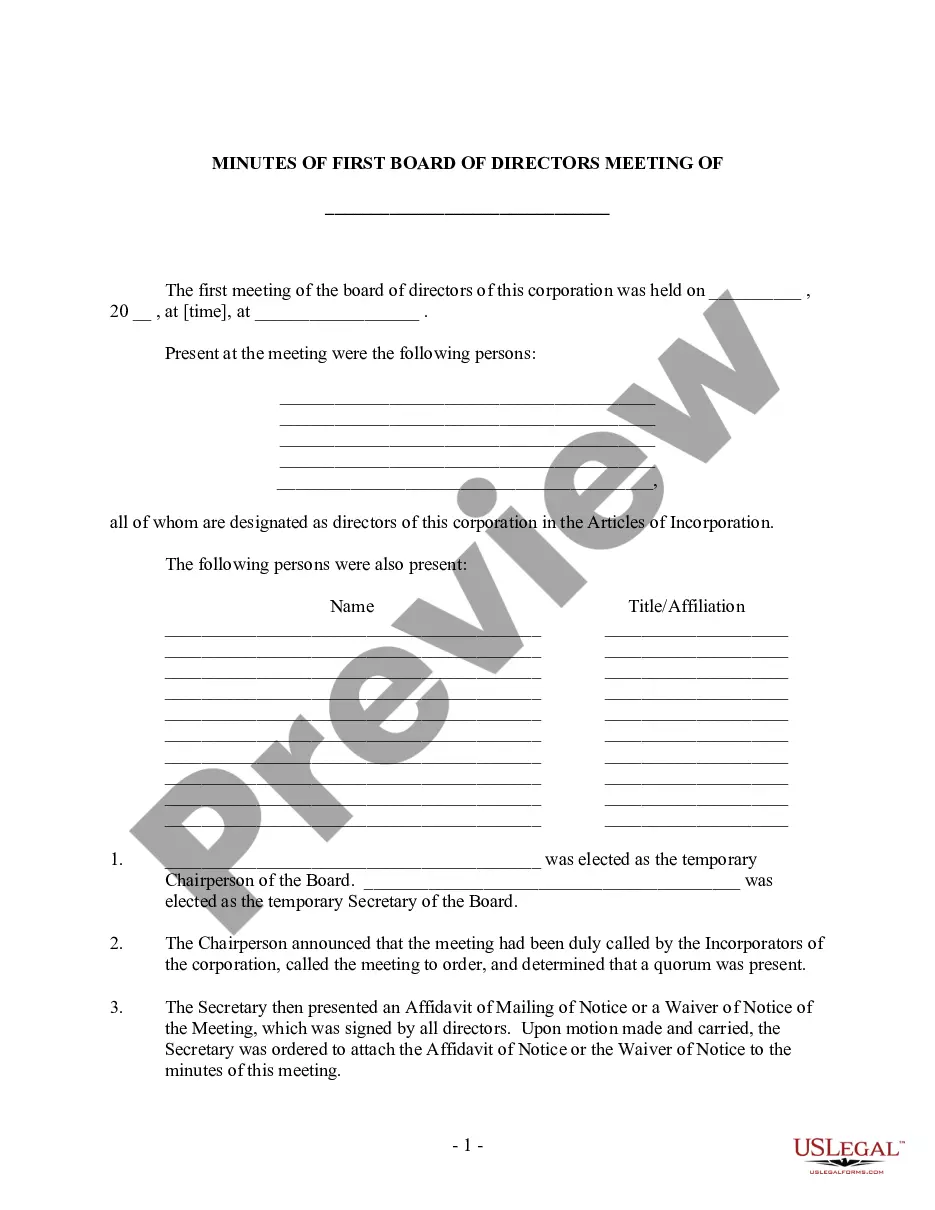
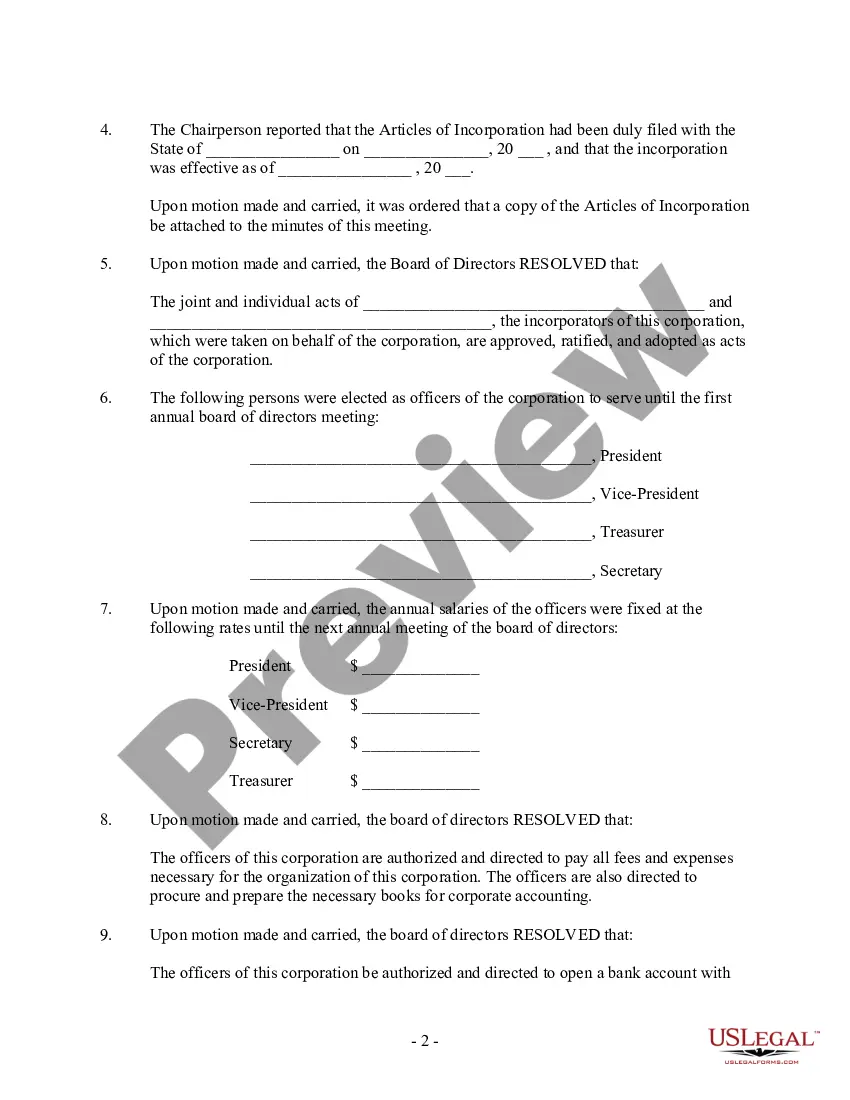
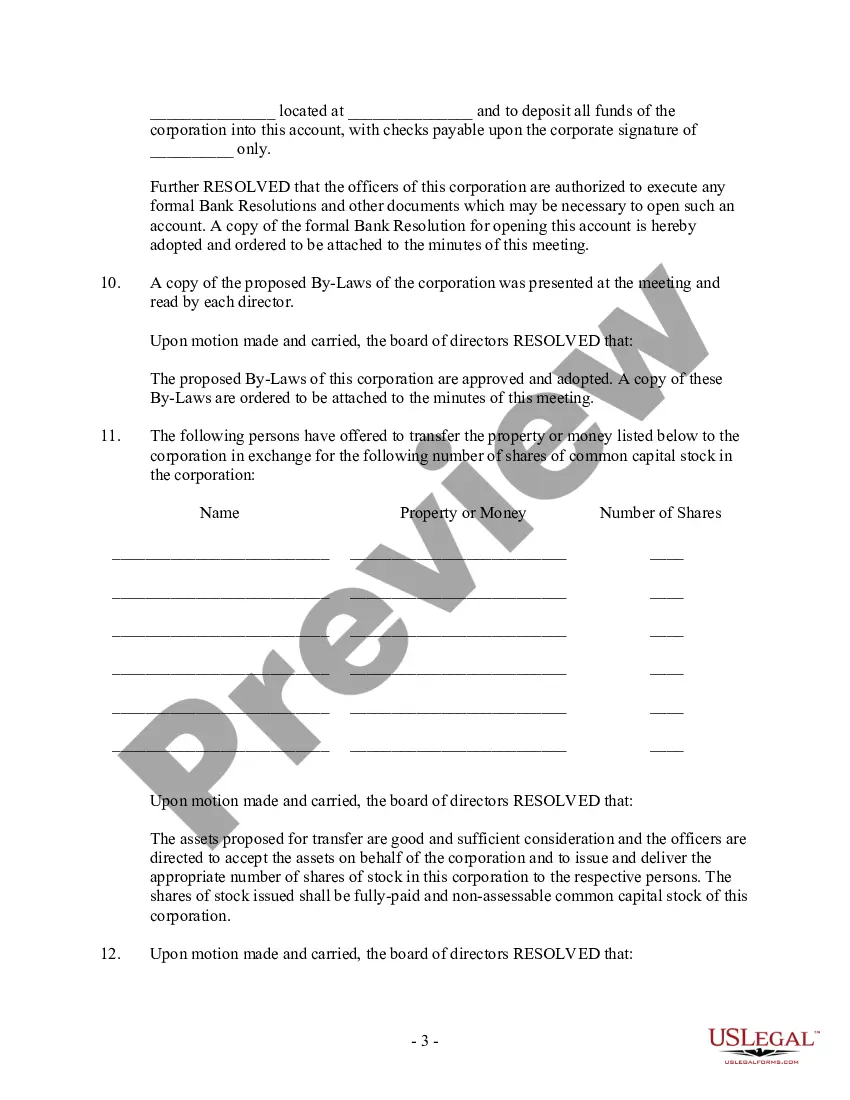
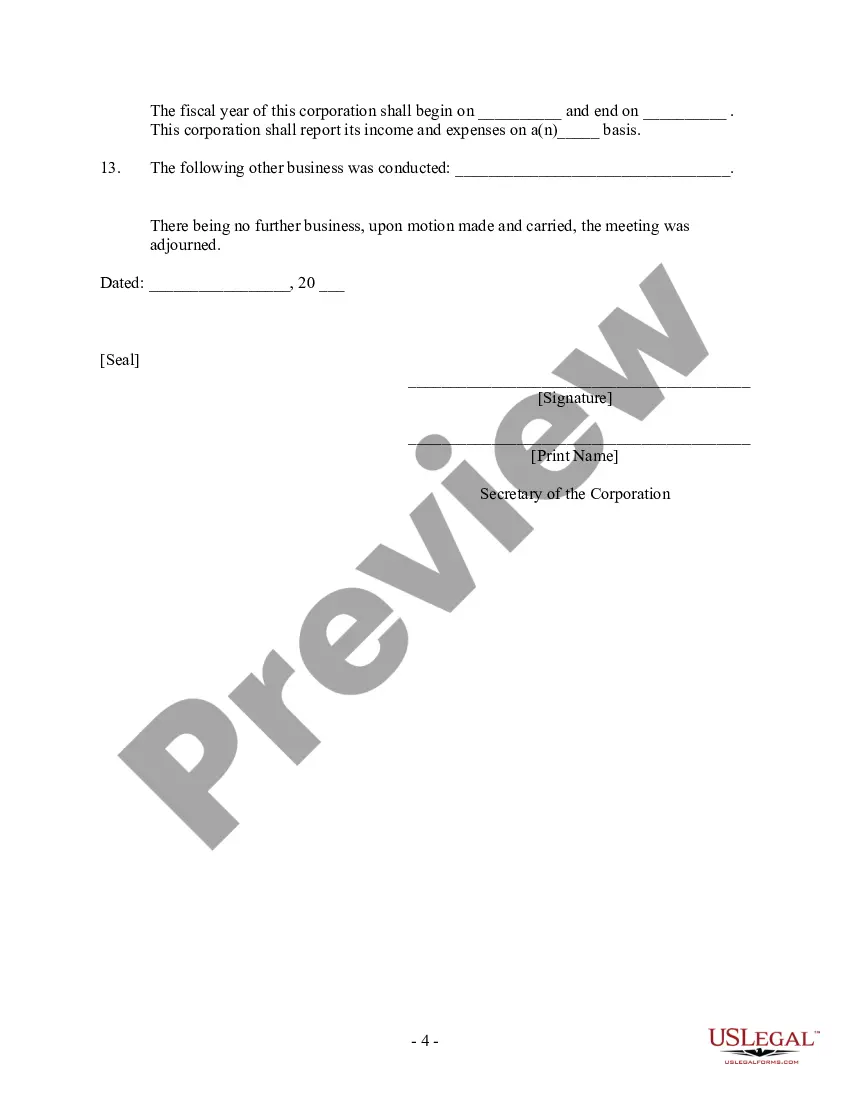
Board Directors Meeting Minutes With Board Members In Utah
Description
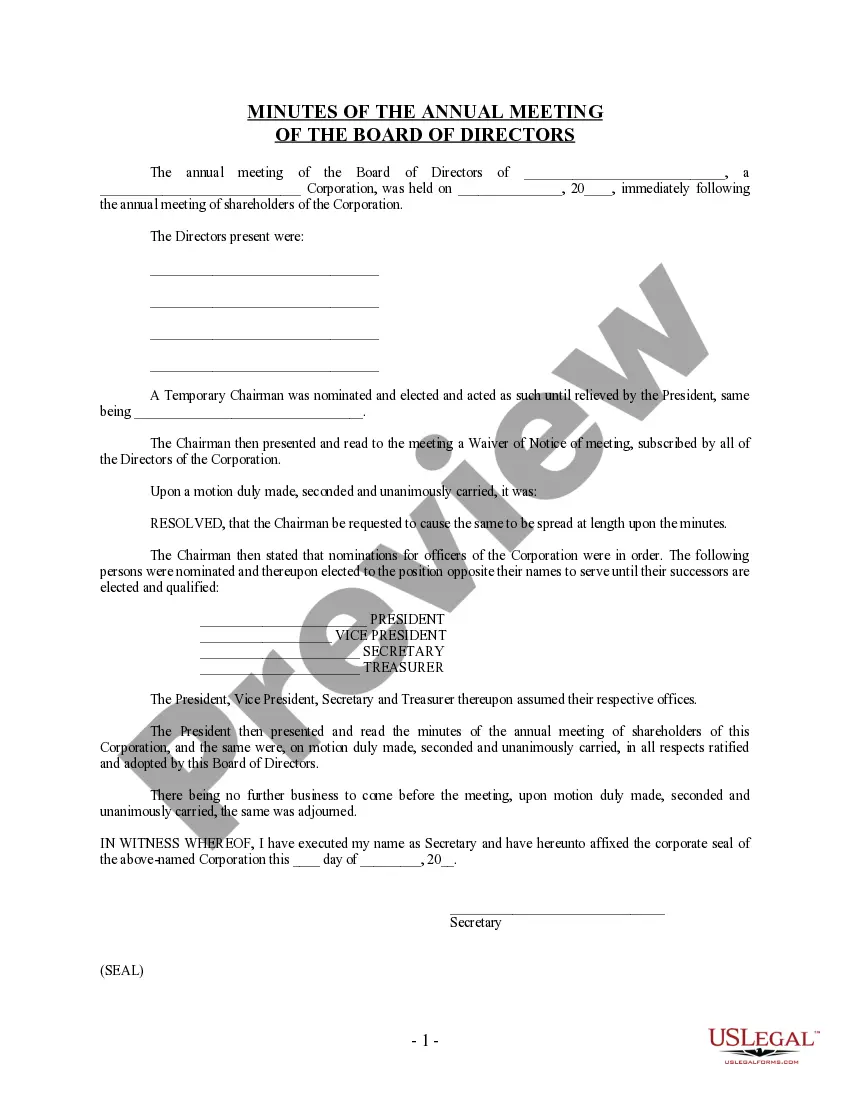
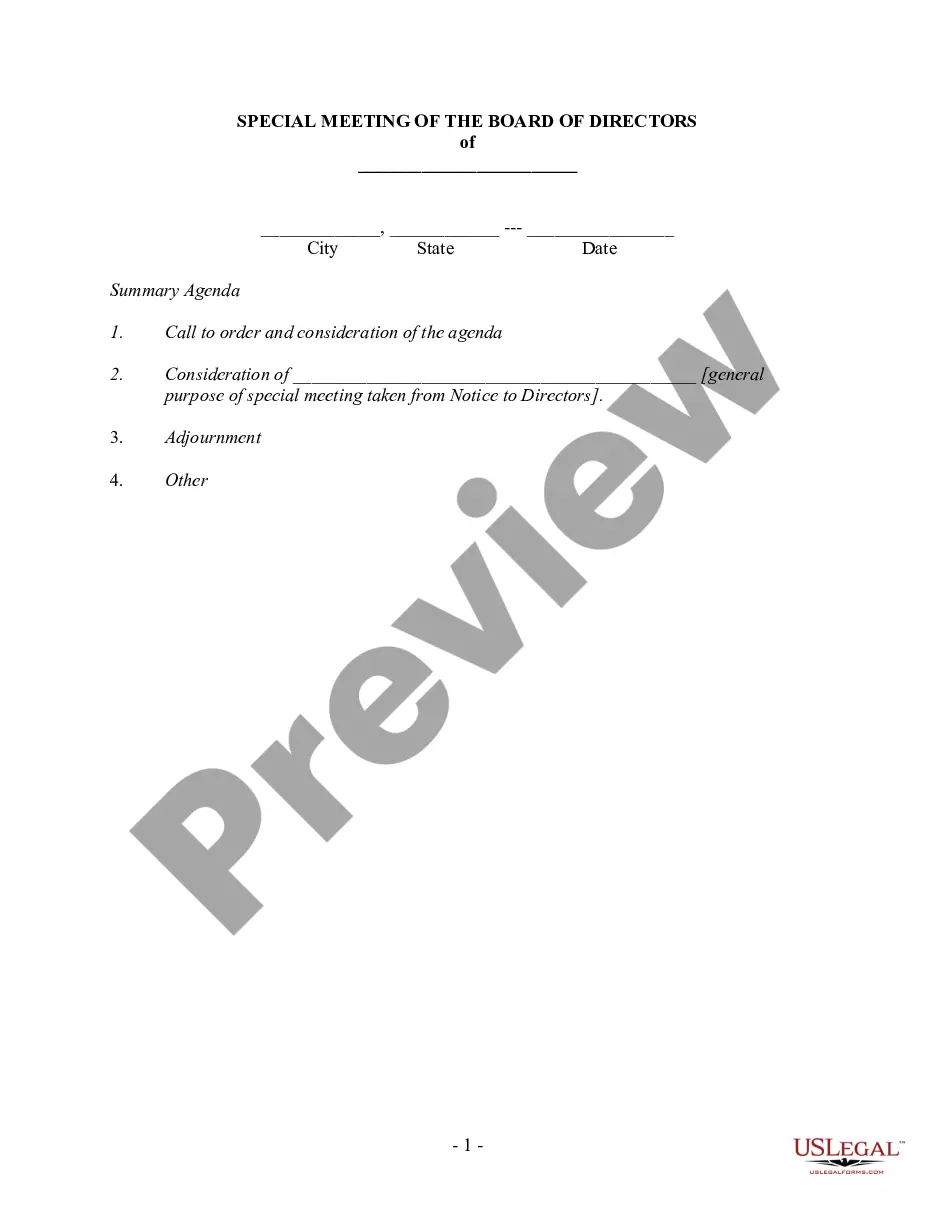
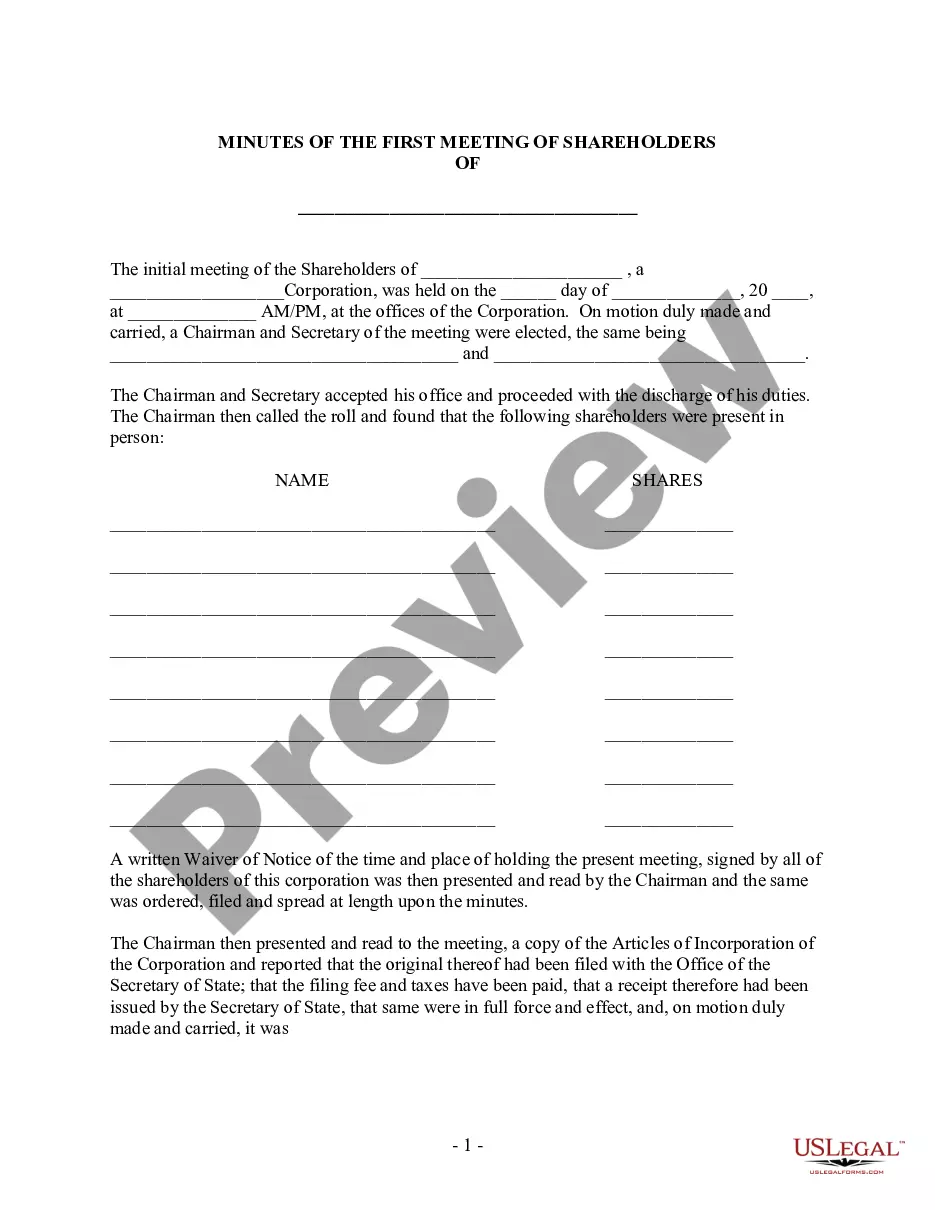
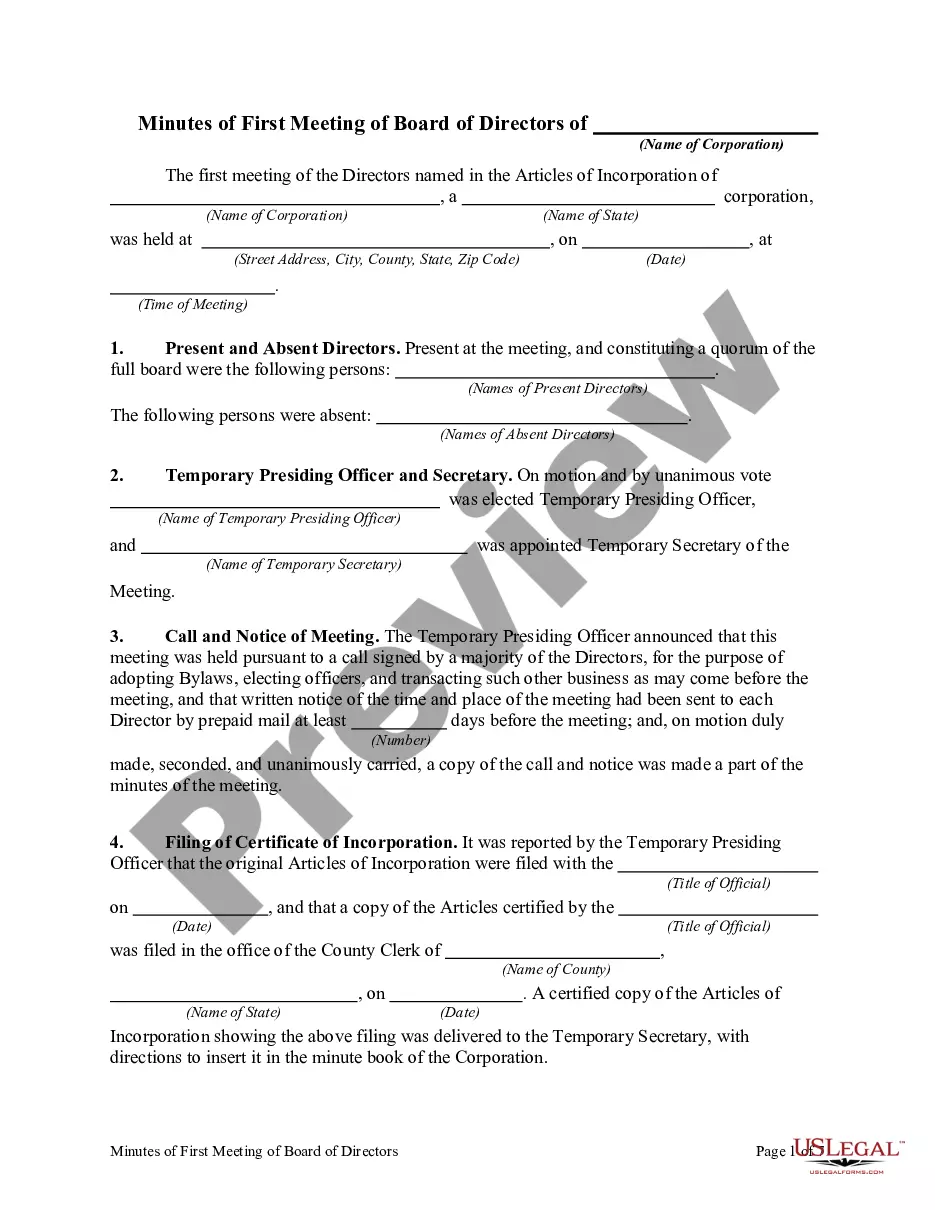
Get your form ready online
Our built-in tools help you complete, sign, share, and store your documents in one place.
Make edits, fill in missing information, and update formatting in US Legal Forms—just like you would in MS Word.
Download a copy, print it, send it by email, or mail it via USPS—whatever works best for your next step.
Sign and collect signatures with our SignNow integration. Send to multiple recipients, set reminders, and more. Go Premium to unlock E-Sign.
If this form requires notarization, complete it online through a secure video call—no need to meet a notary in person or wait for an appointment.
We protect your documents and personal data by following strict security and privacy standards.

Make edits, fill in missing information, and update formatting in US Legal Forms—just like you would in MS Word.

Download a copy, print it, send it by email, or mail it via USPS—whatever works best for your next step.

Sign and collect signatures with our SignNow integration. Send to multiple recipients, set reminders, and more. Go Premium to unlock E-Sign.

If this form requires notarization, complete it online through a secure video call—no need to meet a notary in person or wait for an appointment.

We protect your documents and personal data by following strict security and privacy standards.
Looking for another form?
Form popularity
FAQ
6.2 Minutes of a General Meeting should be signed and dated by the Chairman of the meeting or in the event of death or inability of the Chairman, by any director duly authorized by the Board for the purpose, within thirty days of the General Meeting.
Robert's Rules (Section -16) state that “the minutes should contain mainly a record of what was done at the meeting, not what was said by the members.” Minutes are not transcripts of meetings; rather, the document contains a record of actions taken by the body, organized by the meeting's order of business (agenda).
Bowie recommends that the minutes of the previous meeting be distributed electronically, or by mail, as soon after the meeting as possible so that members have plenty of time to review and make corrections if necessary.
The meeting-minute approval process begins when a chairperson makes the motion. To approve minutes, unanimous consent is required. The minutes of the previous meeting should be approved during the current meeting. If this isn't possible, a special committee or executive board may be required to approve the minutes.
If the minutes contain action then they MUST be distributed within a few days of the meeting so that the action can begin. Some minute takers keep a separate document listing the action and this is a good practice.
Board meeting minutes should be prepared and distributed in a timely manner after each board meeting. Ideally, minutes should be circulated to board members for review and approval within a reasonable timeframe, such as before the next scheduled meeting.
Legal requirements for board meeting minutes include the name of the company, date and location, names of present and absent directors, and a record of all the proceedings during the meeting. Legal documents and reports must come as attachments.
Typically, meeting minutes should be distributed within a few days after the meeting. The method by which meeting minutes are shared depends on your company's procedures. Typically, one or more of the following document-sharing methods is used: Sending a physical copy of the meeting minutes in the mail.
How to Record Meeting Minutes The date of the meeting. The names of people in attendance (including guests) The names of absent members. A call to order that lists the time the meeting began and what the overall objective is. Agenda item 1 with a summary, motions made, and other important details.
What information do board meeting minutes contain? Meeting date, time and location. Type of meeting. Names and titles of attendees and guests. Any absent board directors. Quorum. Notes about directors who left early or re-entered the meeting. Board approvals, resolutions and acceptance of reports. Overview of discussions.