Board Directors Minutes With Alarm In San Antonio
Description





Form popularity
FAQ
Minutes, papers, agendas should be public and meetings should have a portion of the session for confidential matters e.g. financial, HR, crisis management etc., to be discussed in private, either before or after the open session. Confidential matters and papers are still confidential.
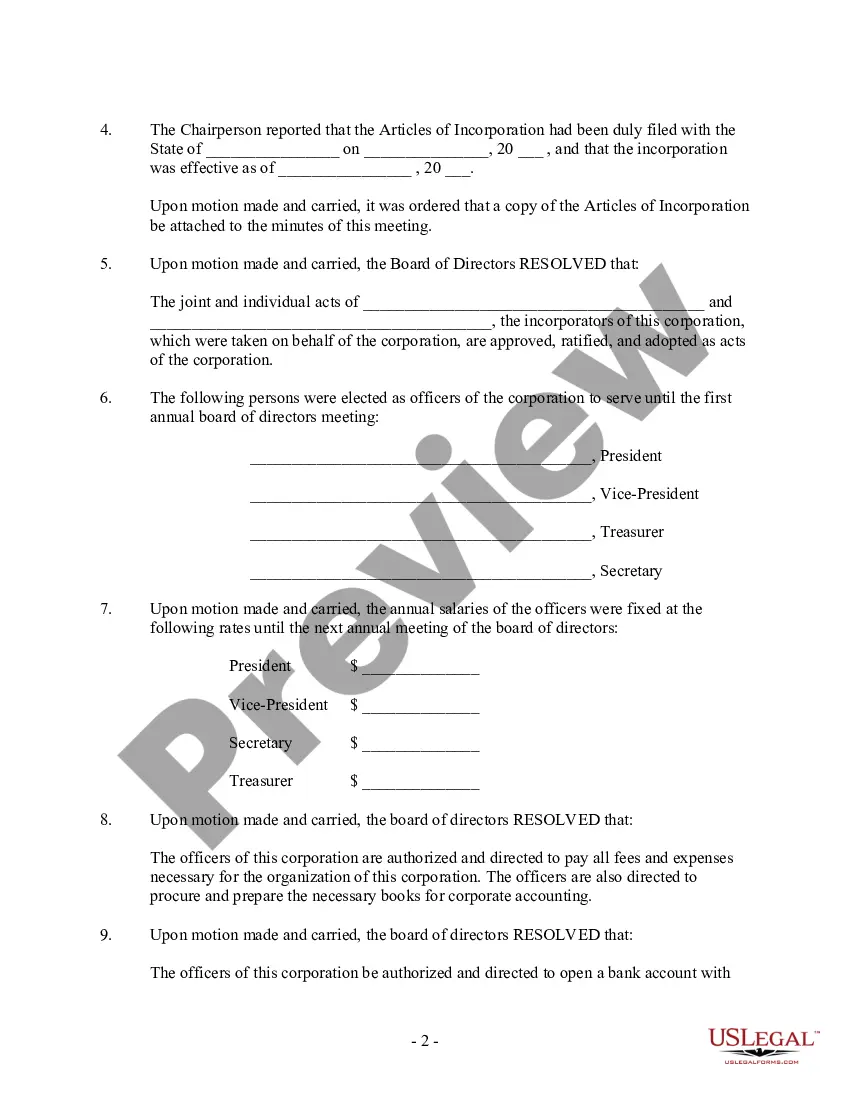
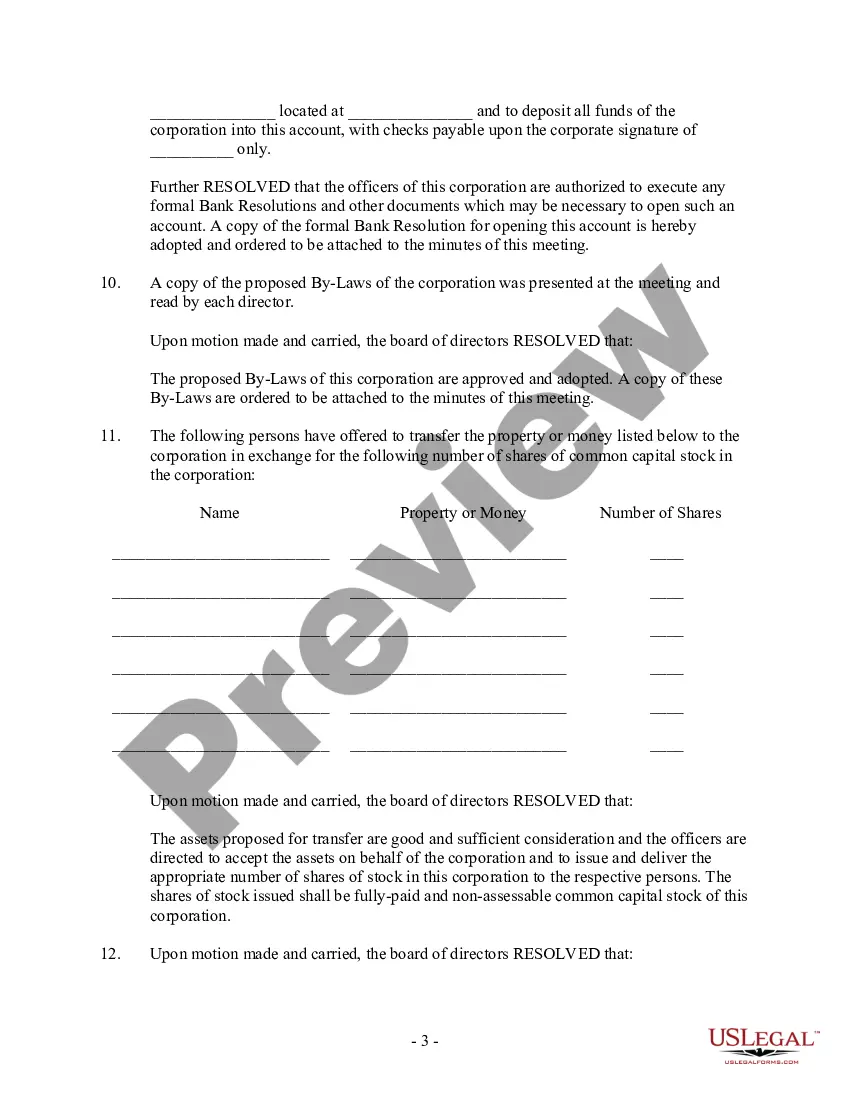
The meeting-minute approval process begins when a chairperson makes the motion. To approve minutes, unanimous consent is required. The minutes of the previous meeting should be approved during the current meeting. If this isn't possible, a special committee or executive board may be required to approve the minutes.
Board minutes often contain information that is subject to the attorney-client privilege and that directors may prefer to keep confidential. However, most jurisdictions allow stockholders to inspect corporate books and records, including board minutes.
Understand who can access minutes: In many cases, meeting minutes are considered public records, which means others can view them. Make sure you understand who can view the meeting notes, and keep that audience in mind when deciding what information to include.
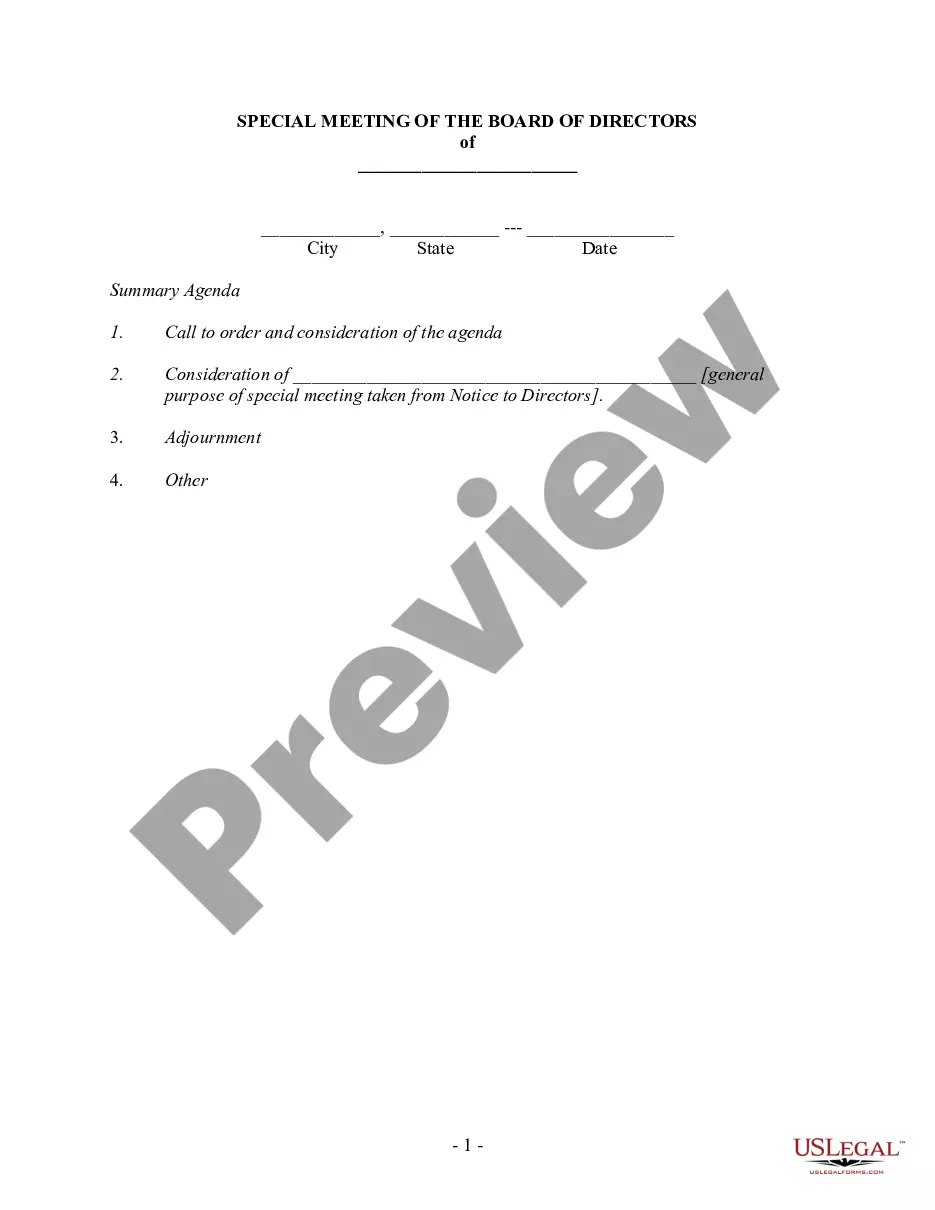
An emergency meeting of the board of directors may be called to discuss business or take action that cannot be delayed for the forty-eight hours required for notice. At any emergency meeting called by the board of directors, the board of directors may act only on emergency matters.
The board should assume the minutes are confidential and, in most cases, they will remain so. They should also realise that, sooner or later, the minutes may be available as part of a legal case. In short, they should include everything necessary to show that the directors are doing their duty.
Nonprofit board meeting minutes are not always made public, but the organization's policies and local laws may require disclosure. However, it's important for nonprofit organizations to understand and comply with relevant state laws and regulations governing the accessibility of board meeting minutes.
In summary Taking the minutes at a meeting involves proper documentation and at a board meeting, is one of the duties performed by a company secretary.
There is no general requirement that board minutes be public – though some countries have laws that they must be available to members. However, not-for-profit organisations earn trust by being open about how they handle the public trust that has been granted to them.
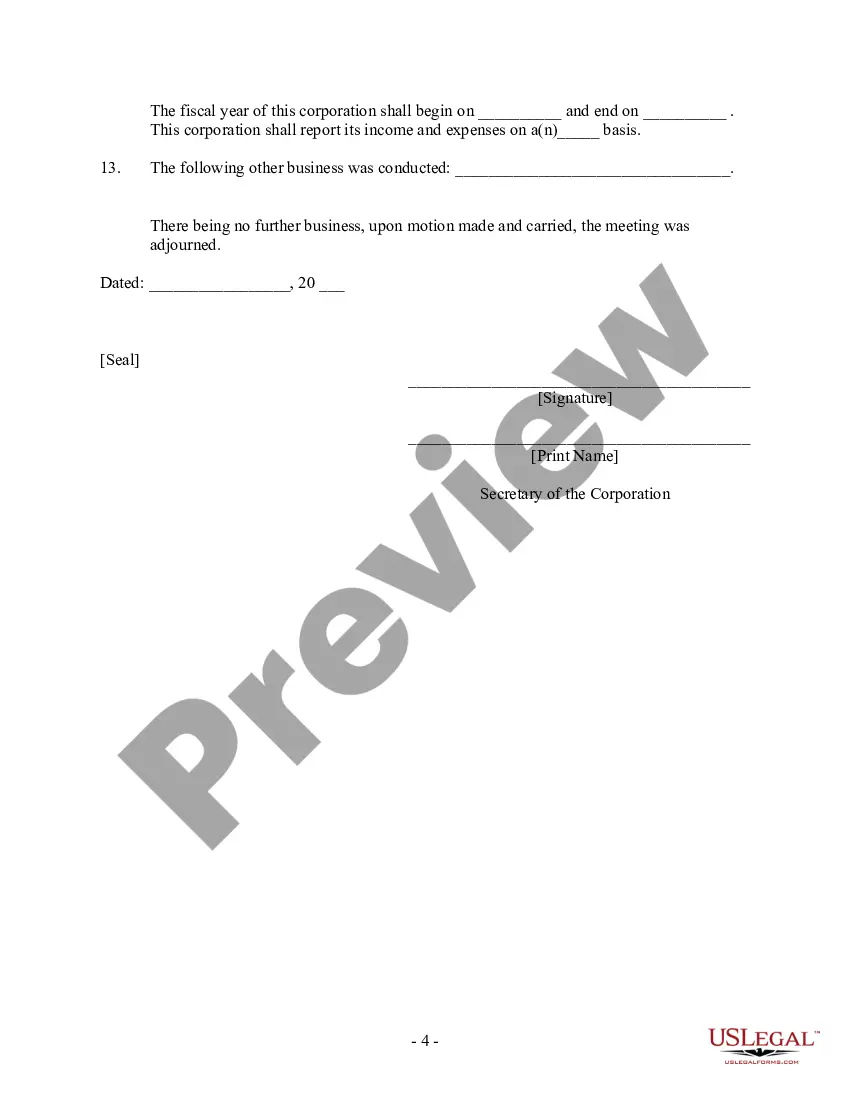
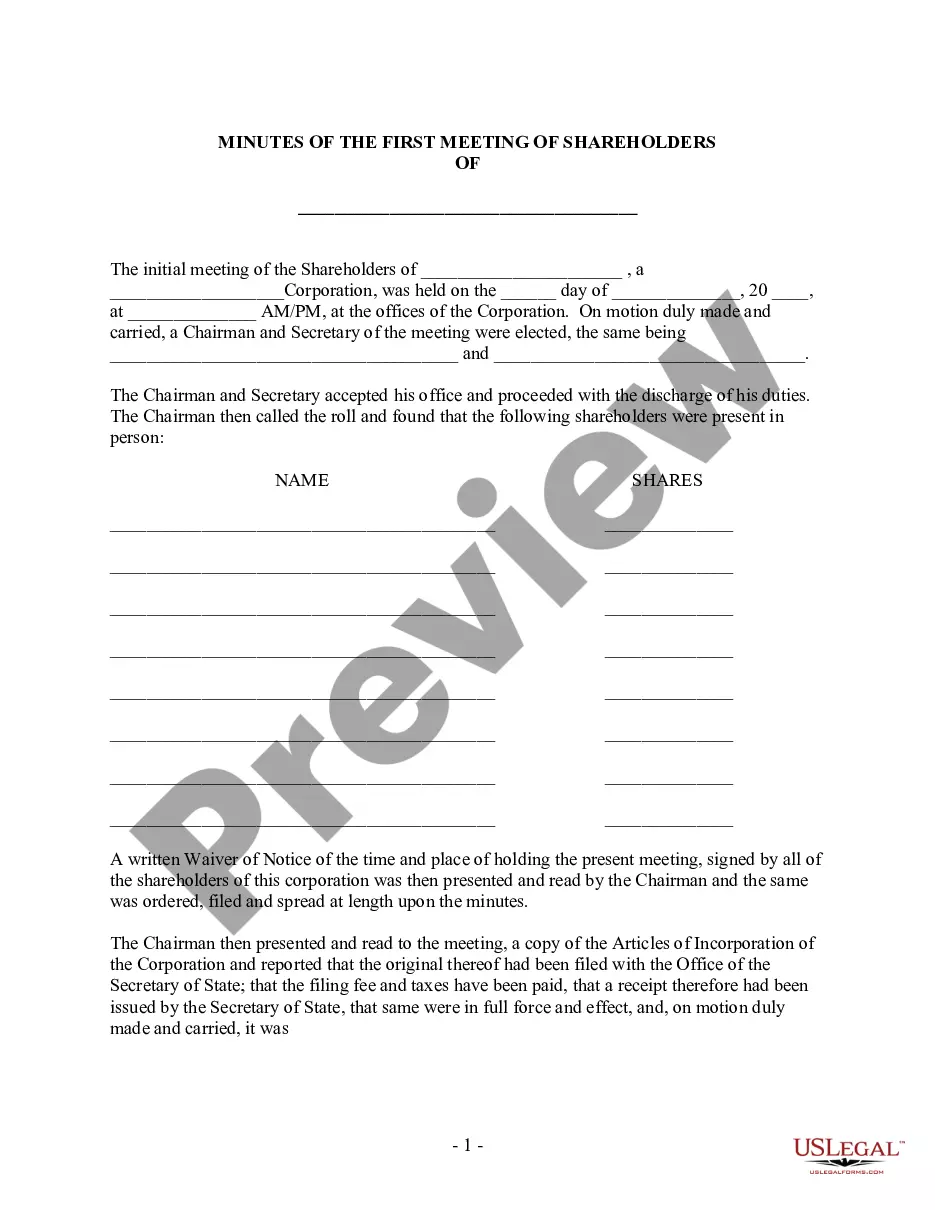
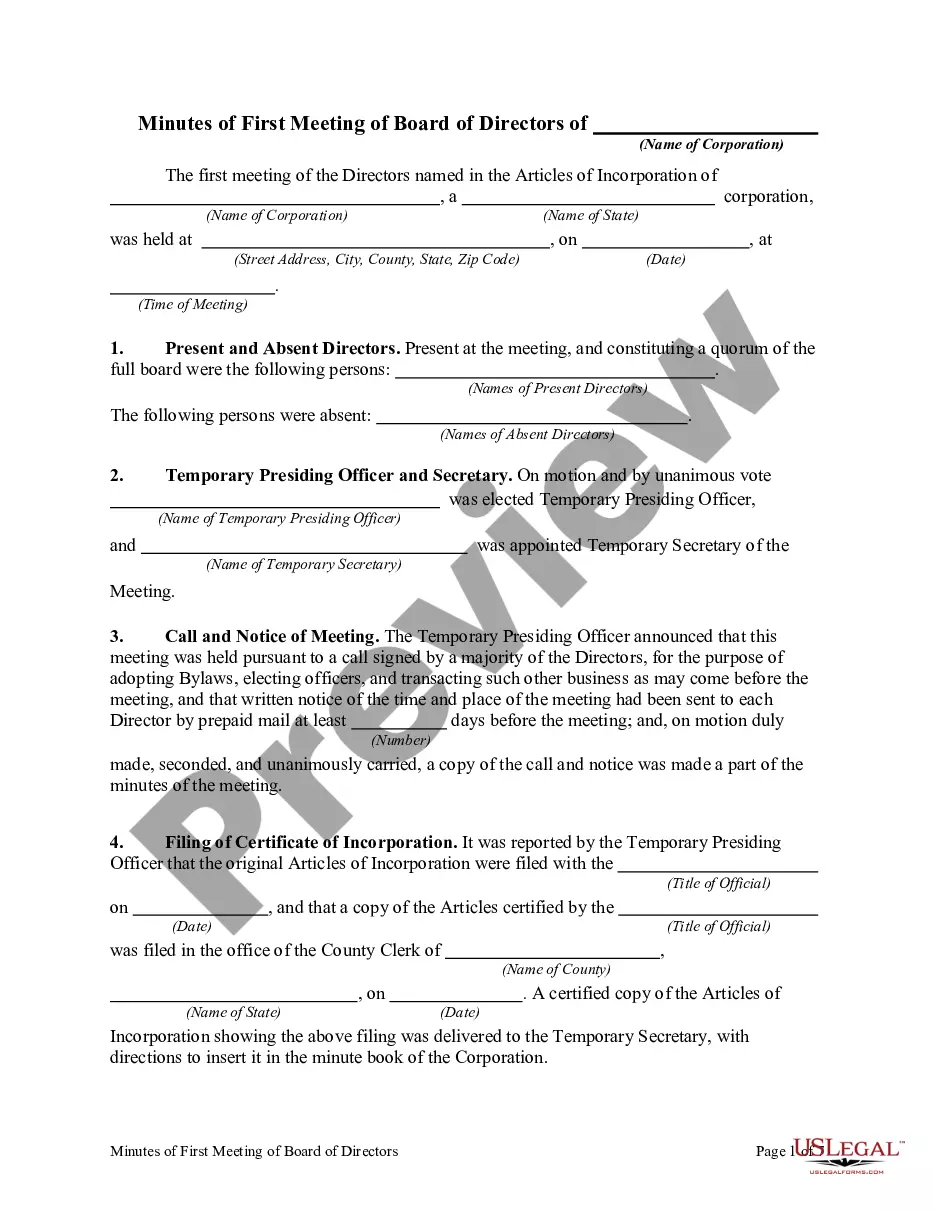
They are legally required to include these details: Date, time, and location of the meeting. Record of notice of board meeting provision and acknowledgment. Names of attendees and absentees, including guests. Approval of previous meeting minutes.
