Companies Board Meeting Rules In Pima
Description


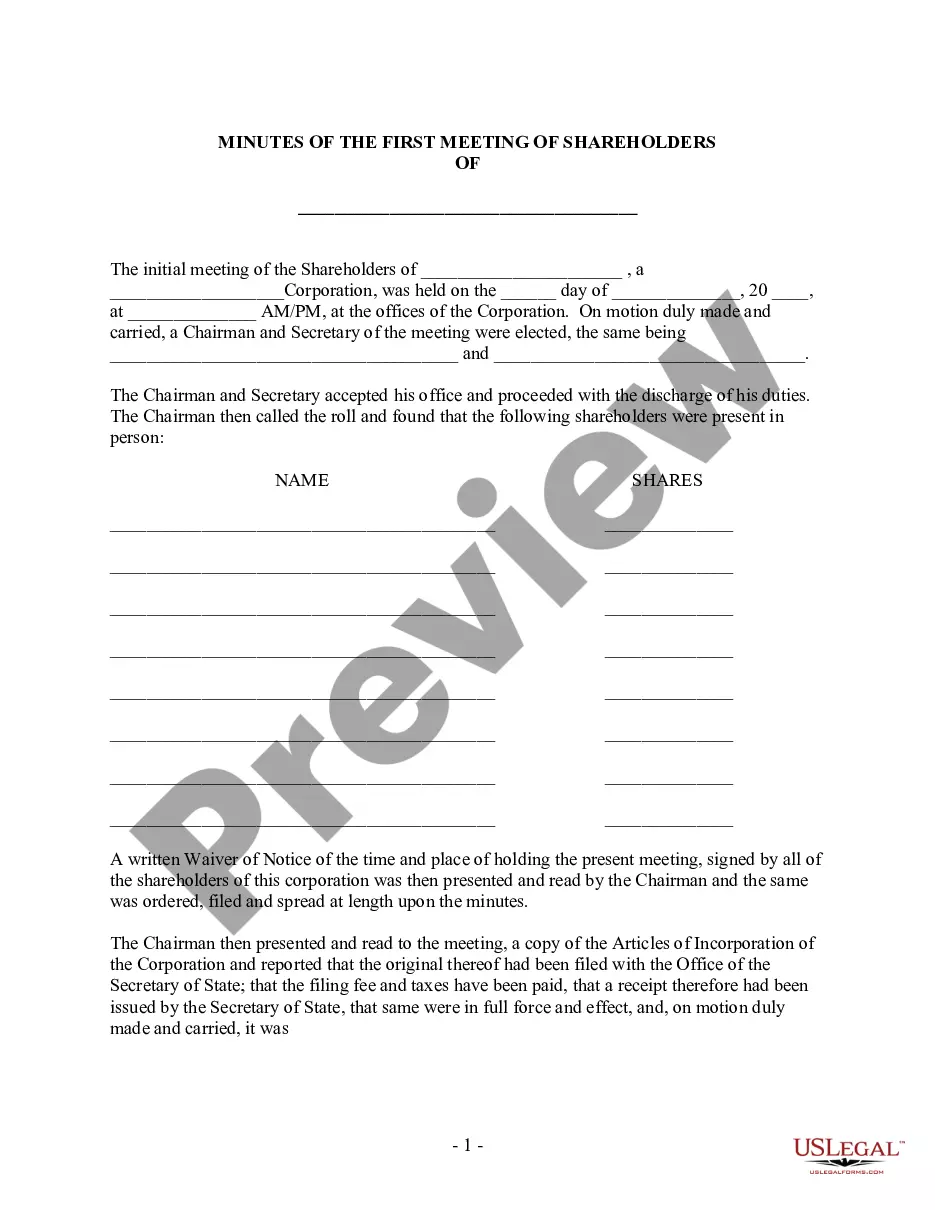
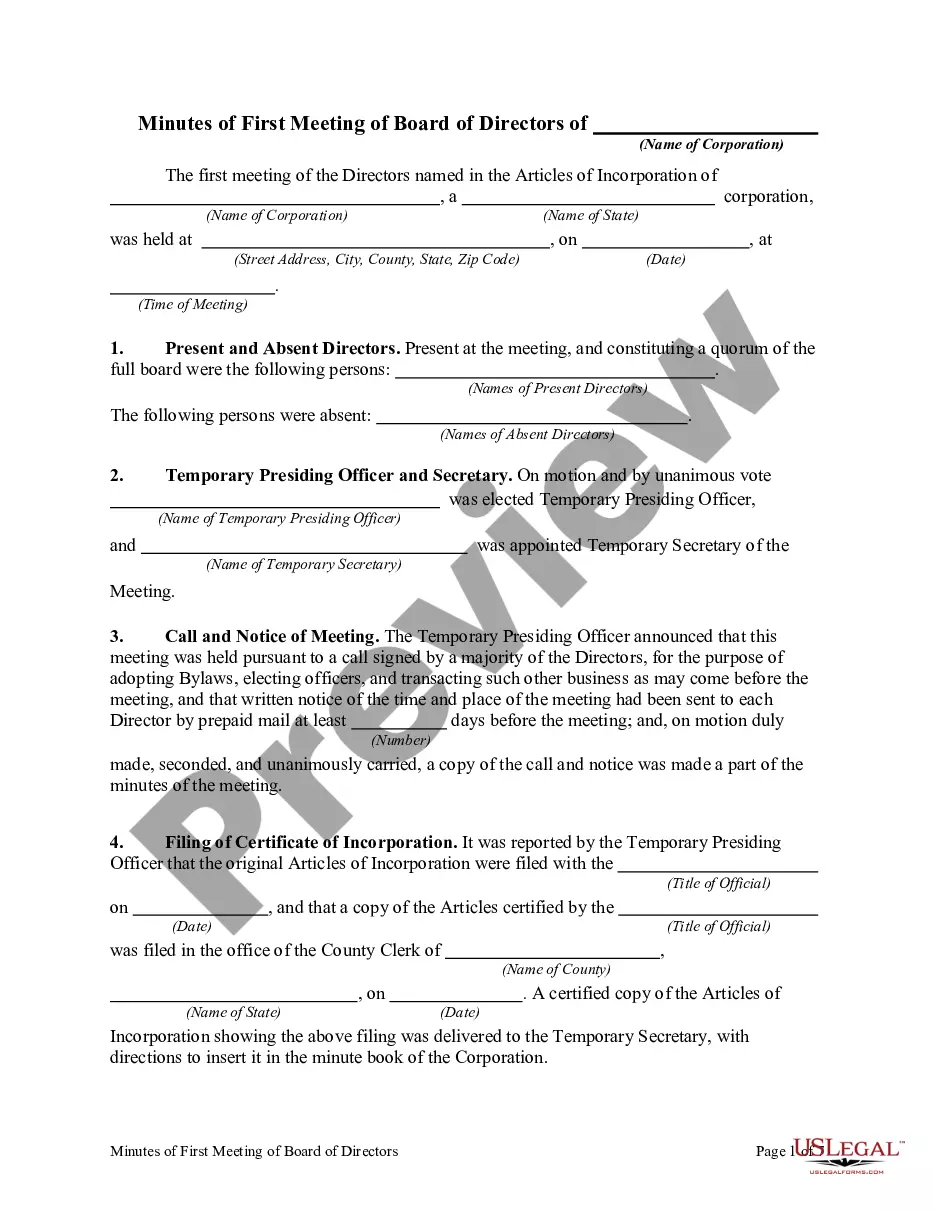
Get your form ready online
Our built-in tools help you complete, sign, share, and store your documents in one place.
Make edits, fill in missing information, and update formatting in US Legal Forms—just like you would in MS Word.
Download a copy, print it, send it by email, or mail it via USPS—whatever works best for your next step.
Sign and collect signatures with our SignNow integration. Send to multiple recipients, set reminders, and more. Go Premium to unlock E-Sign.
If this form requires notarization, complete it online through a secure video call—no need to meet a notary in person or wait for an appointment.
We protect your documents and personal data by following strict security and privacy standards.

Make edits, fill in missing information, and update formatting in US Legal Forms—just like you would in MS Word.

Download a copy, print it, send it by email, or mail it via USPS—whatever works best for your next step.

Sign and collect signatures with our SignNow integration. Send to multiple recipients, set reminders, and more. Go Premium to unlock E-Sign.

If this form requires notarization, complete it online through a secure video call—no need to meet a notary in person or wait for an appointment.

We protect your documents and personal data by following strict security and privacy standards.
Looking for another form?
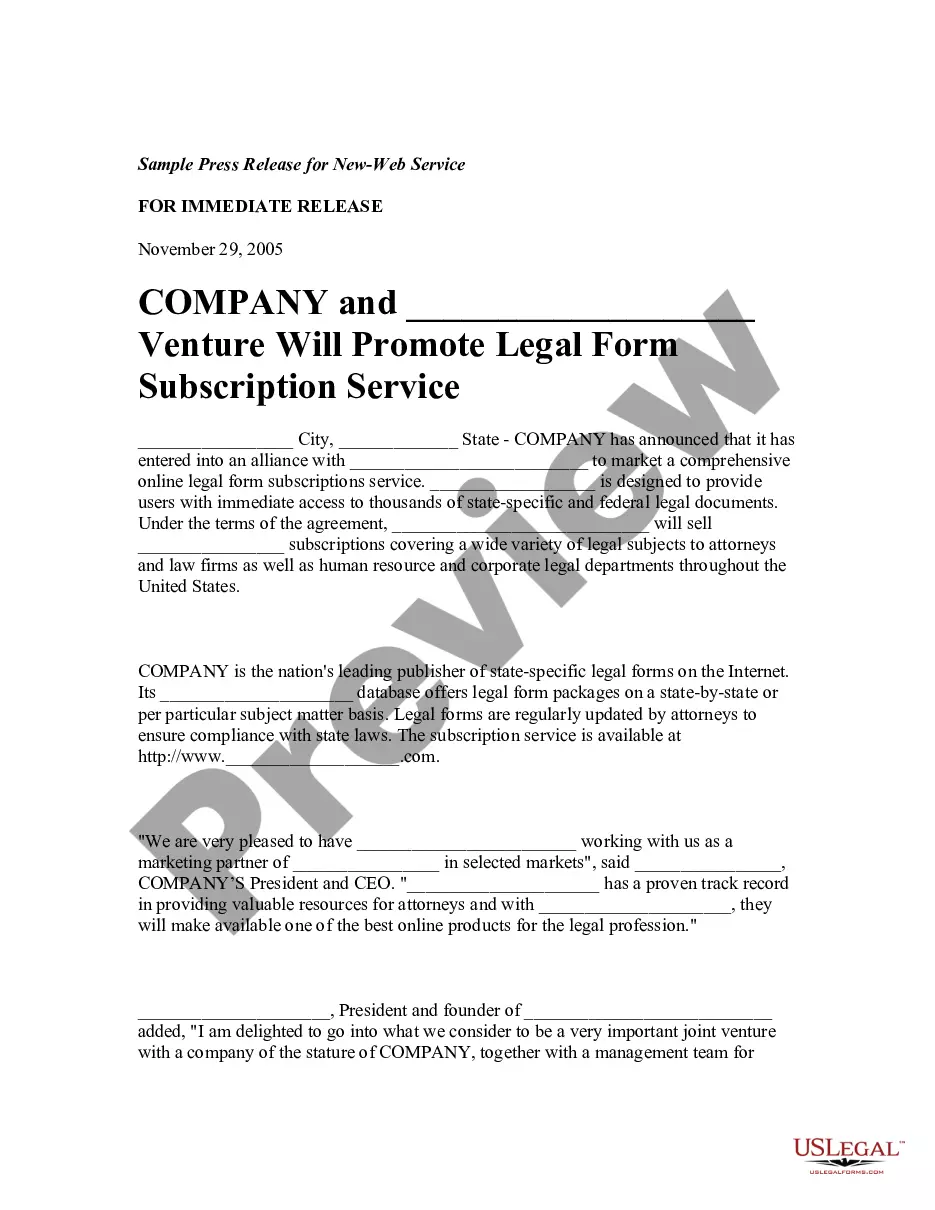
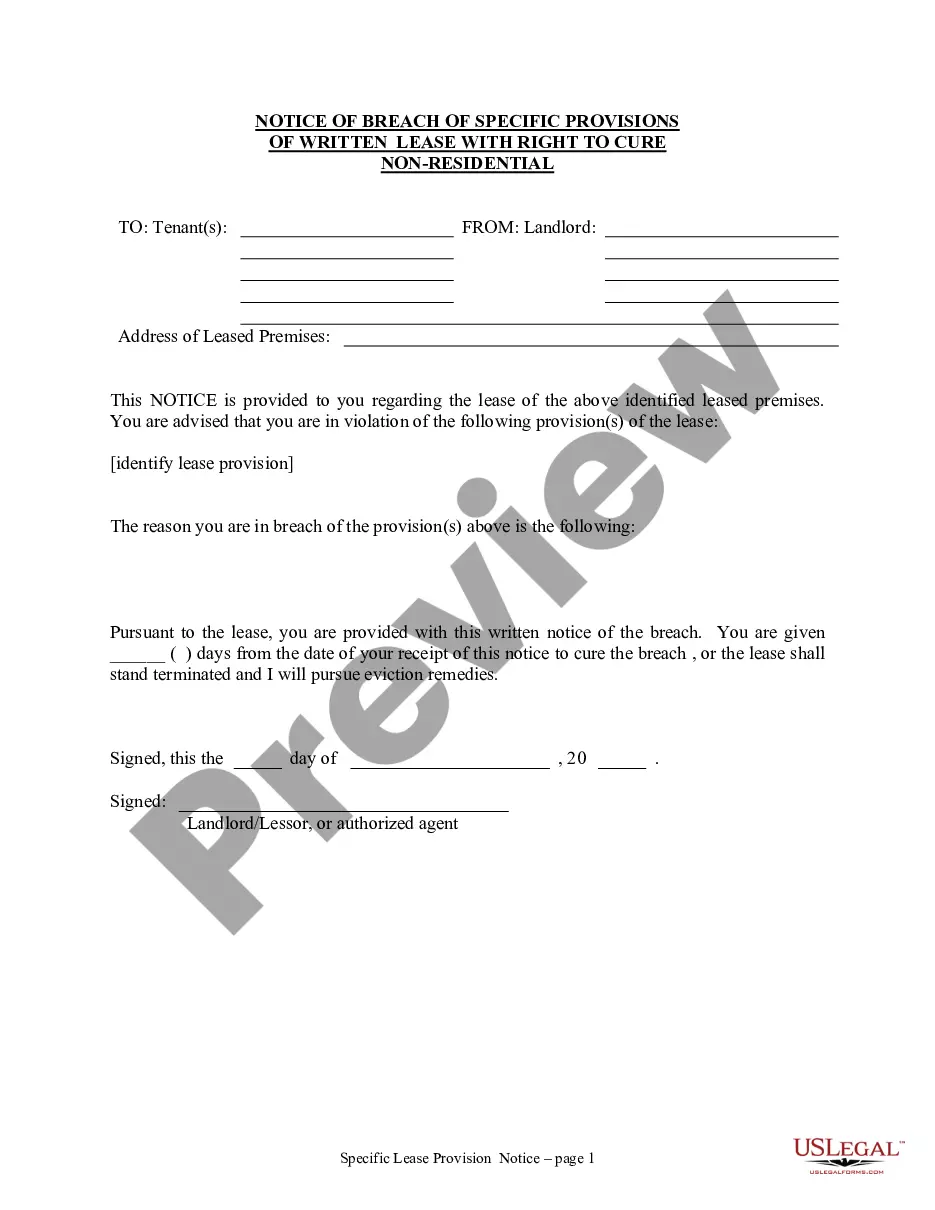
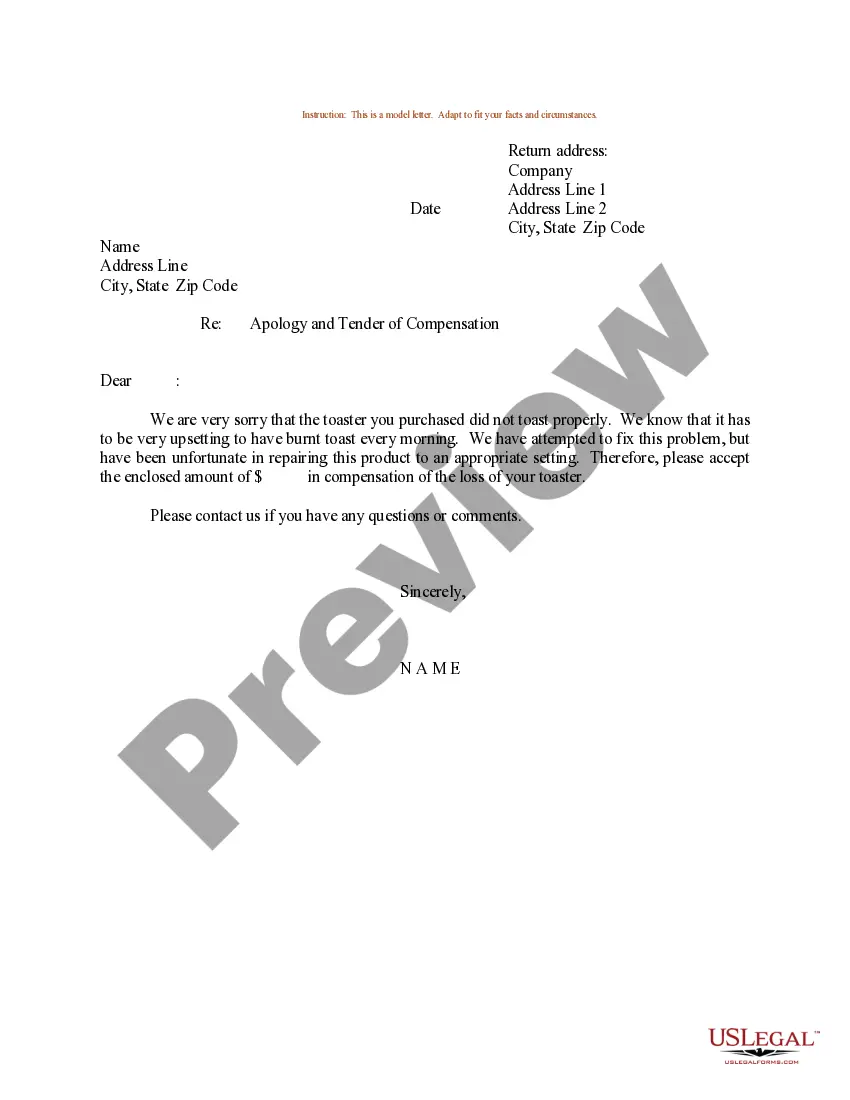
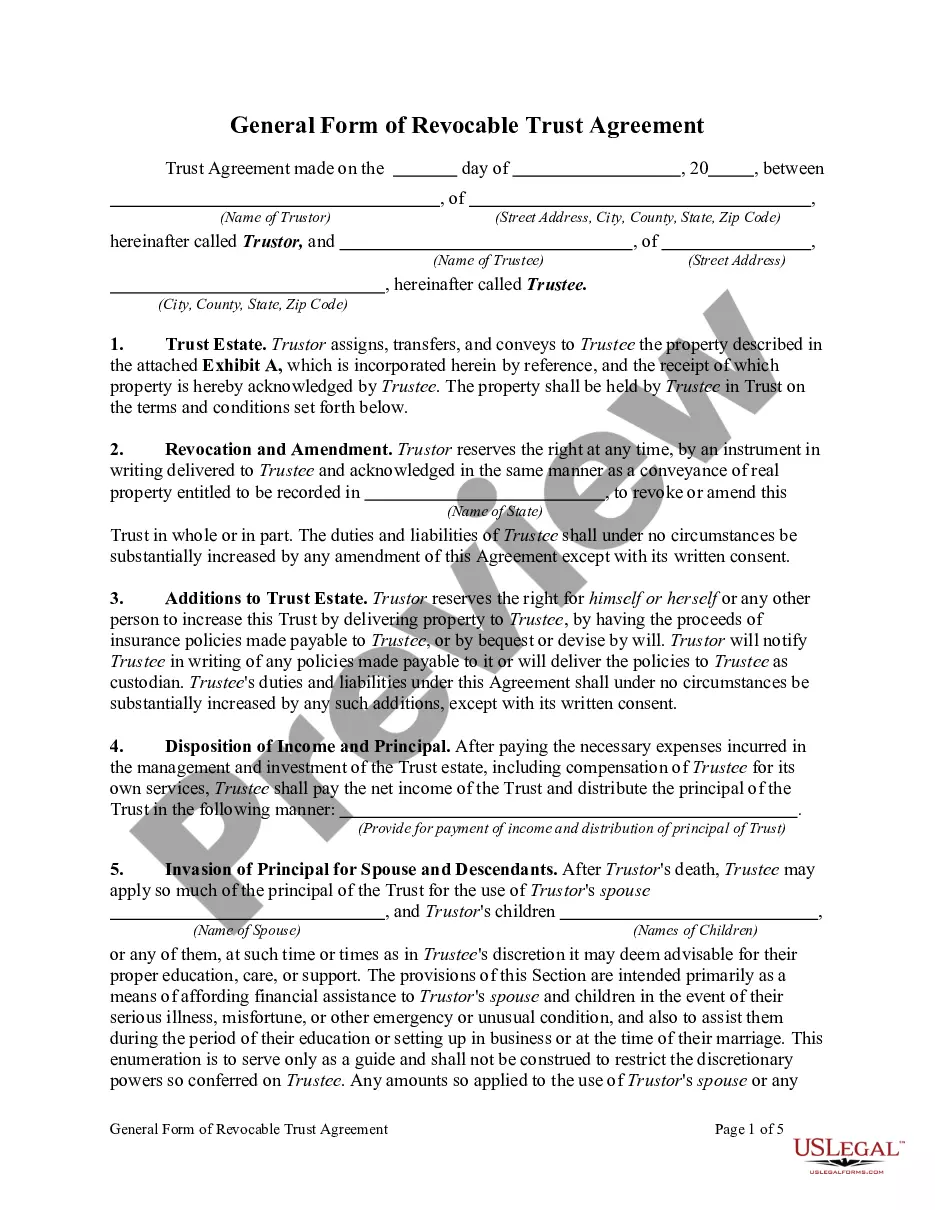
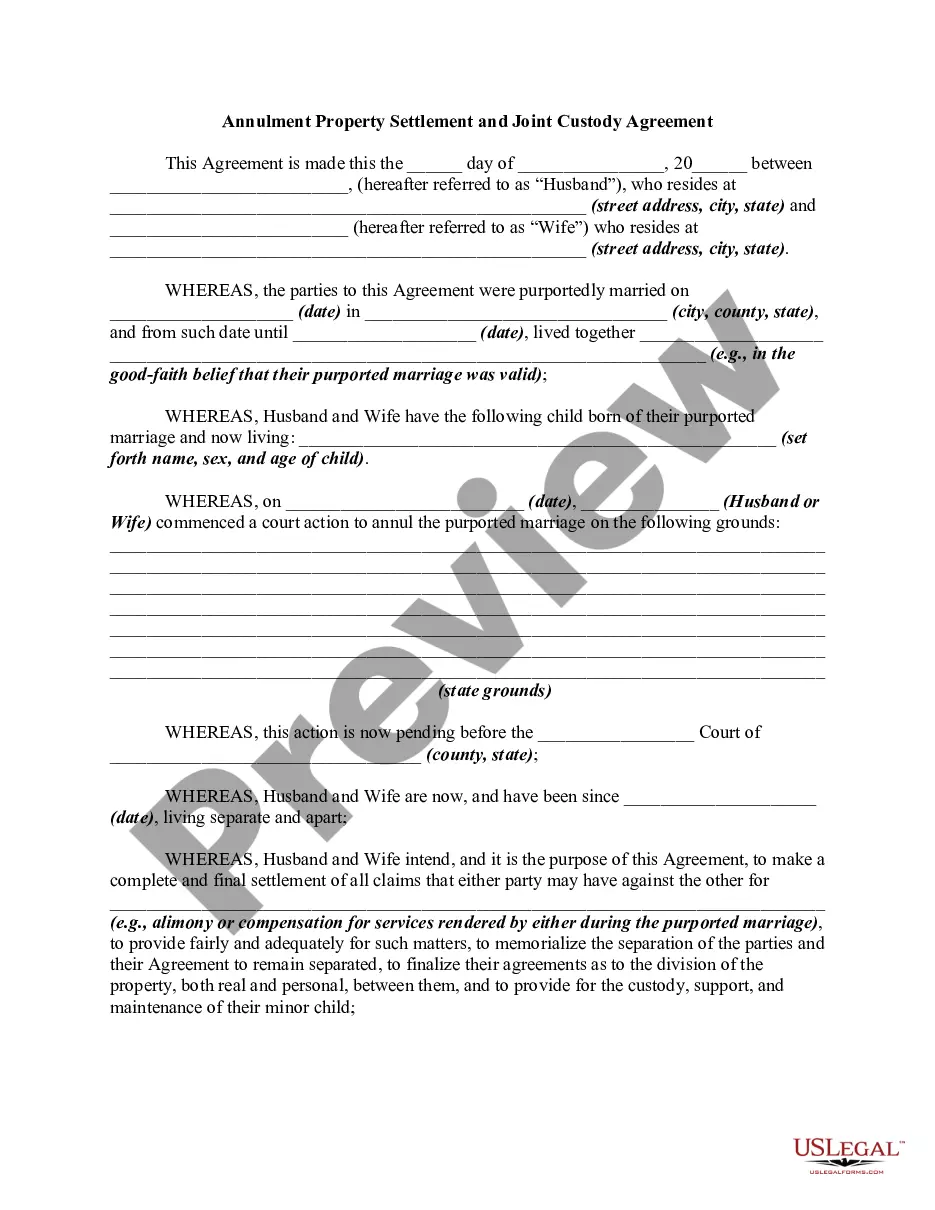
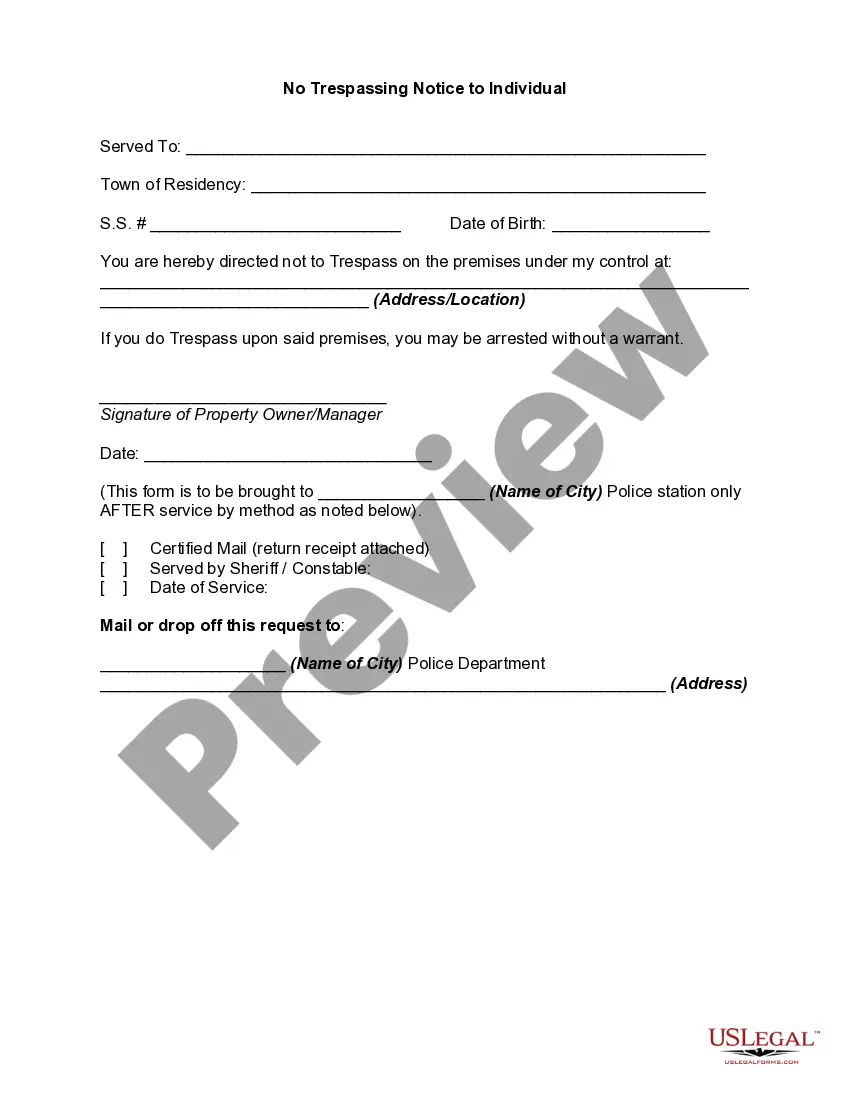
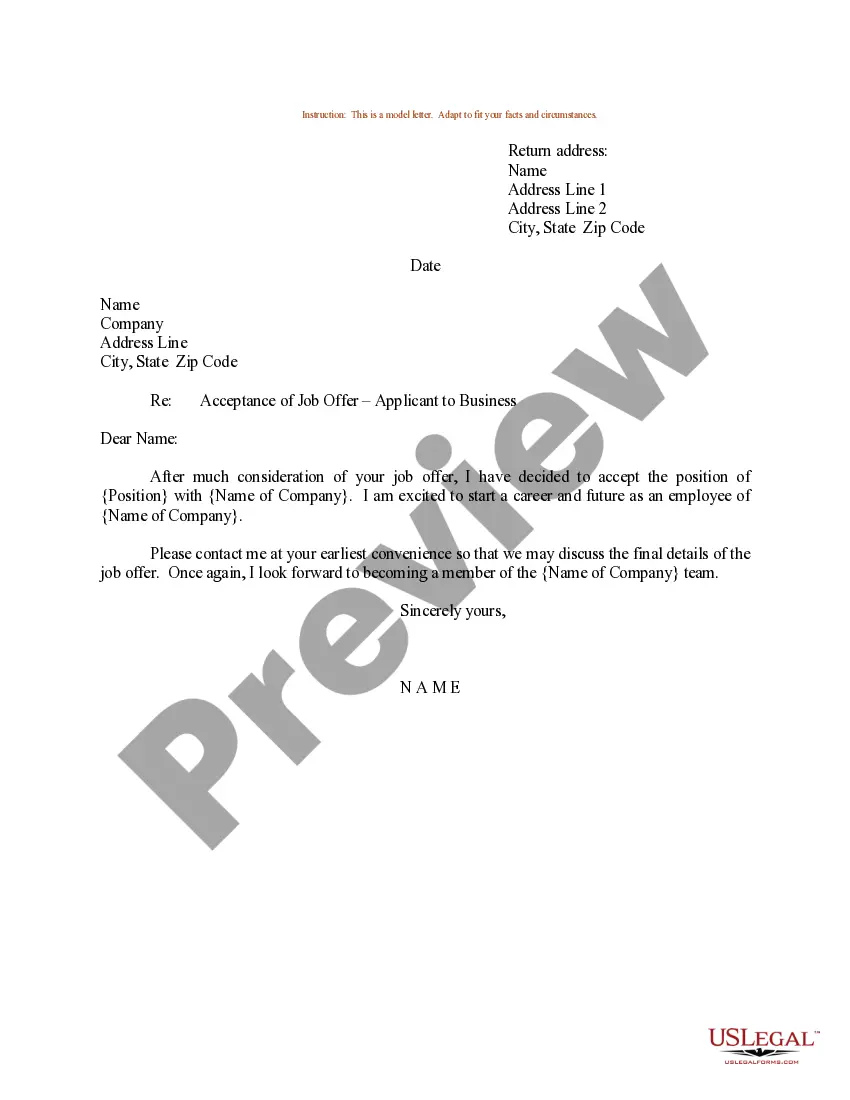
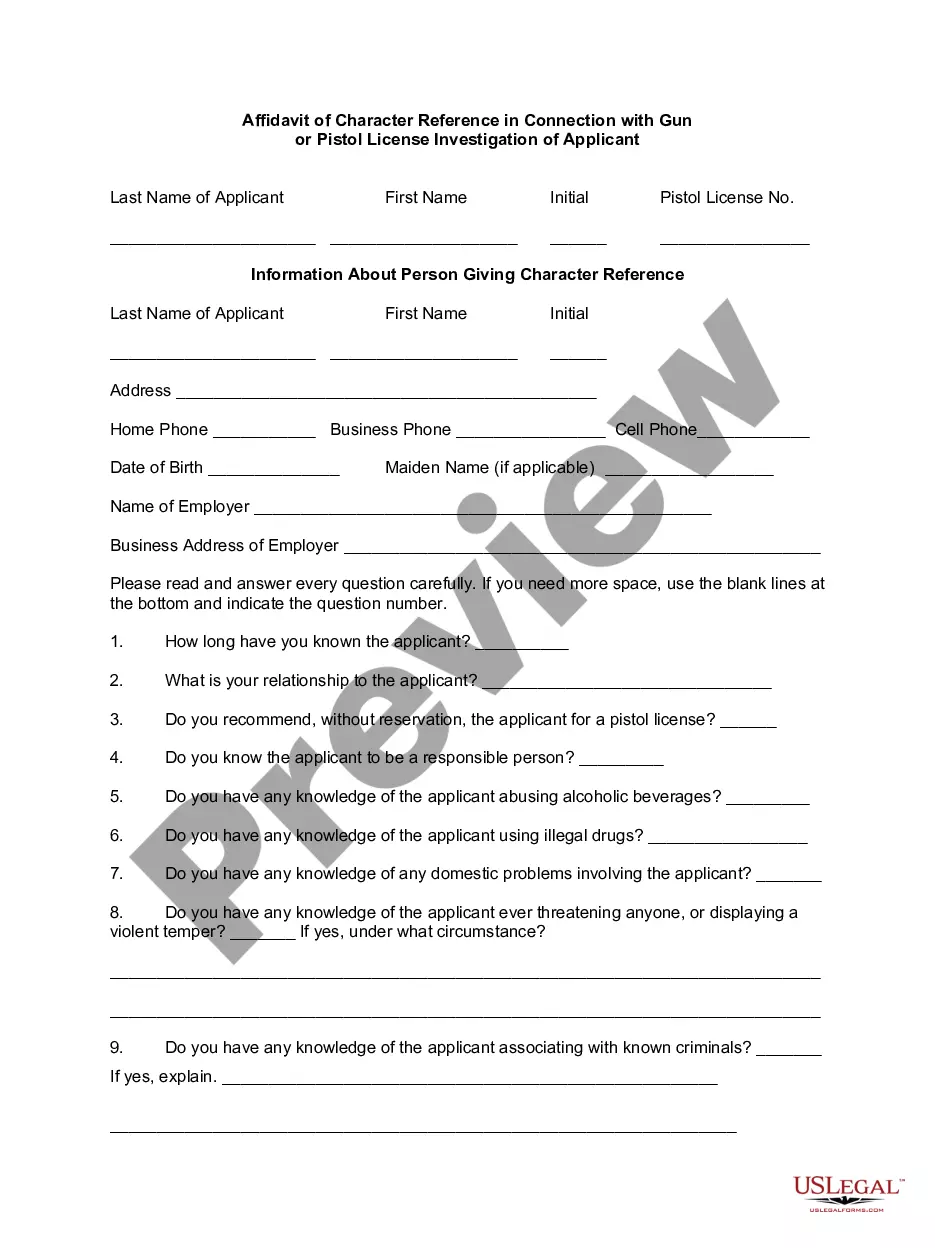
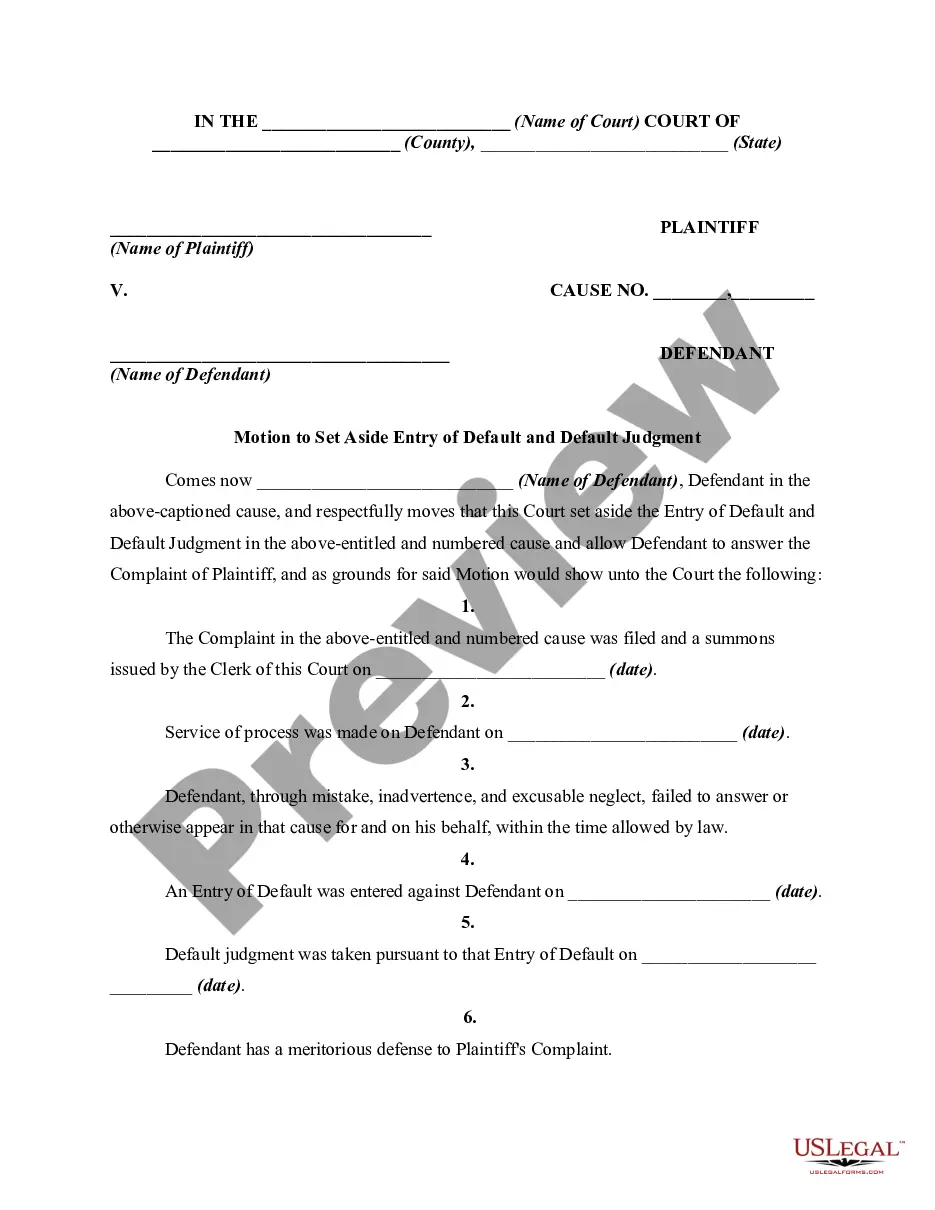
Form popularity
FAQ
Article 12(1) of the Model Articles of Association merely says that the directors may appoint a director to chair their meetings, and there is nothing in the Companies Act that forces a private company to appoint a chair of the board. And yet it may be a good idea for a host of reasons.
In the absence of the Chair, the Vice-Chair shall preside and exercise all the powers and duties of the Chair. If there is a quorum present, and both the Chair and the Vice-Chair are absent, the Board Members present may agree upon a Board Member to preside and serve as temporary Chair.
Decision-making by directors Decisions are usually taken either by passing resolutions at a board meeting or by passing a written resolution. Although a sole director may be able to hold a board meeting, in practice, a sole director would usually make decisions by passing written resolutions.
To bring order to the boardroom, many organizations follow a meeting framework known as Robert's Rules of Order. The guidelines outline procedures for motions, voting, debate, amendments, and resolutions, ensuring decisions are made with order, fairness, and transparency.
Simply put, no. As set out in 'the Model articles of association for private companies limited by shares', directors may appoint a chairperson if they wish. However, it is not obligatory.
The chair (or chairperson) is essential to the smooth running and effectiveness of a board of directors. Since the chair represents the company to the outside world and determines the order of the board agenda, this role requires excellent leadership and communication skills.
Section 173 of the Act deals with Meetings of the Board and Section 174 deals with quorum. 1. The Act provides that the first Board meeting should be held within thirty days of the date of incorporation.
Board meetings are almost always confidential. However, it takes both legally binding nondisclosure agreements and good board policy to ensure confidentiality.
Board Meeting Etiquette Tips Good timekeeping is essential for the meeting to run as it should. Do not use electronic devices for any other purpose than for referencing meeting items. Refrain from interrupting other members as they speak. Do not try and chat with other members secretly.