Board Meeting Corporate Form Of Organization In Ohio
Description

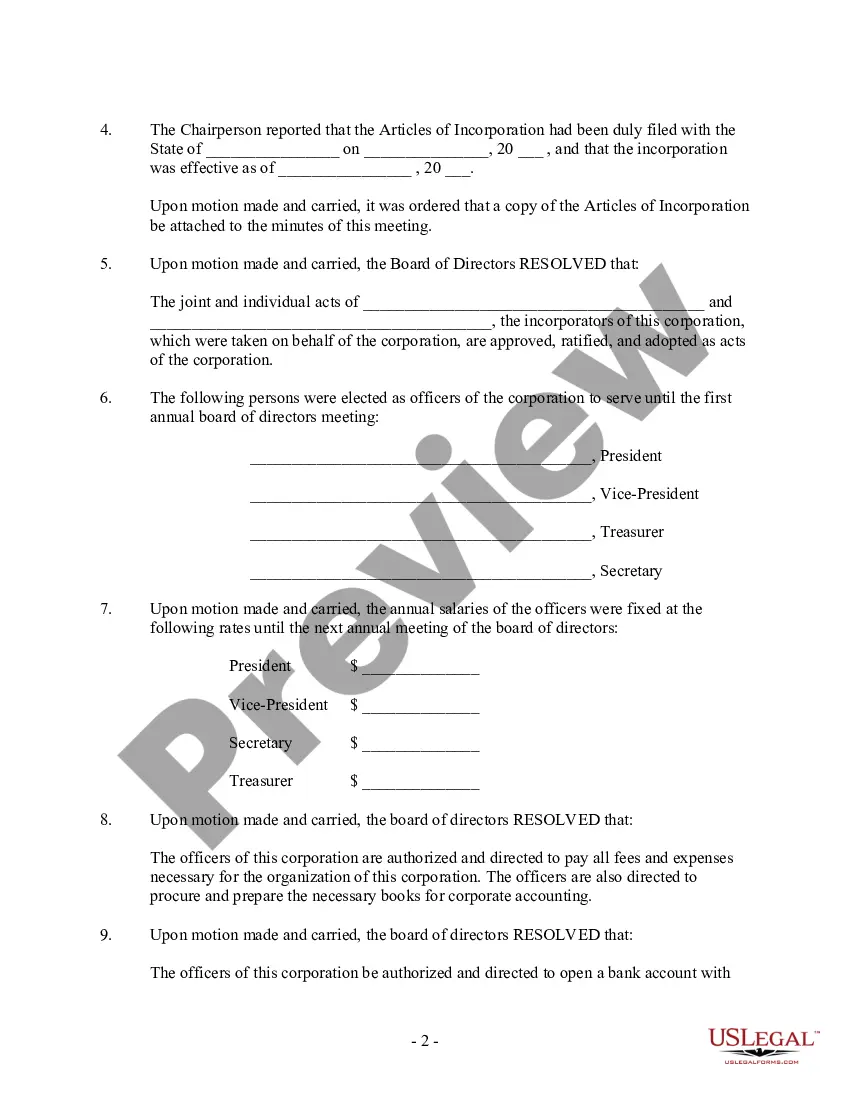
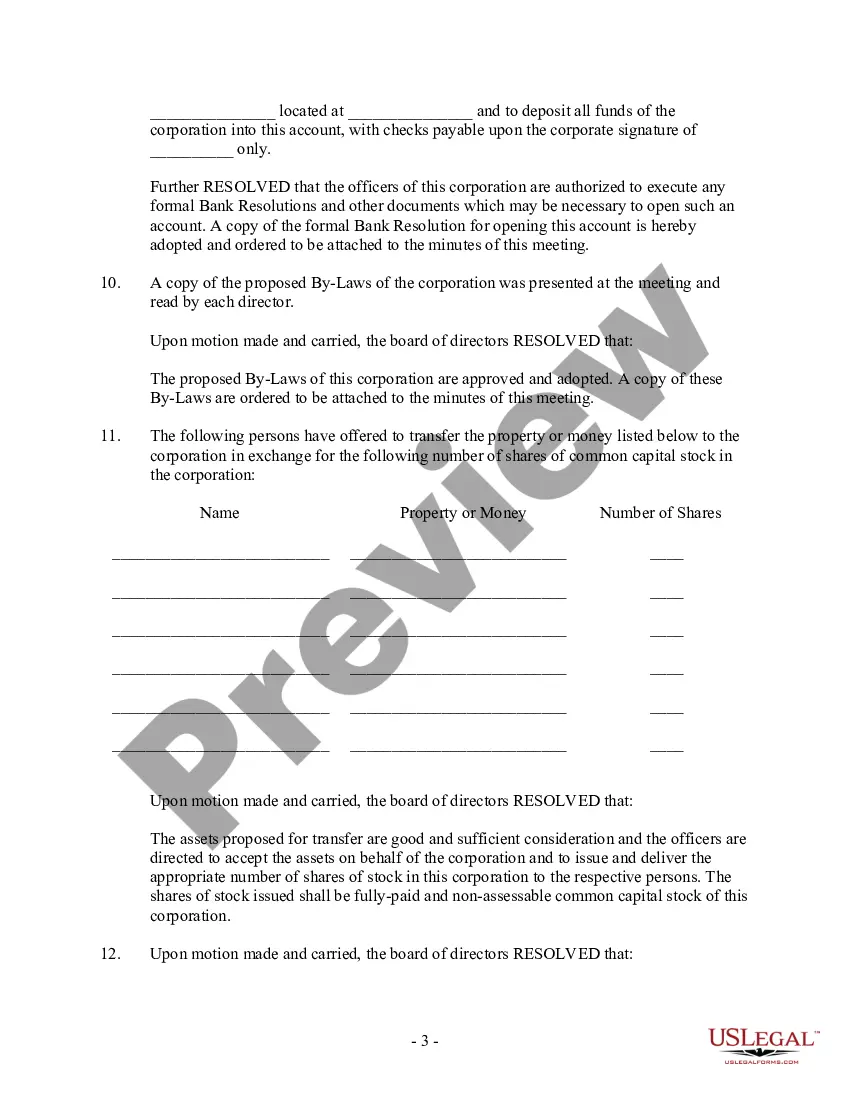
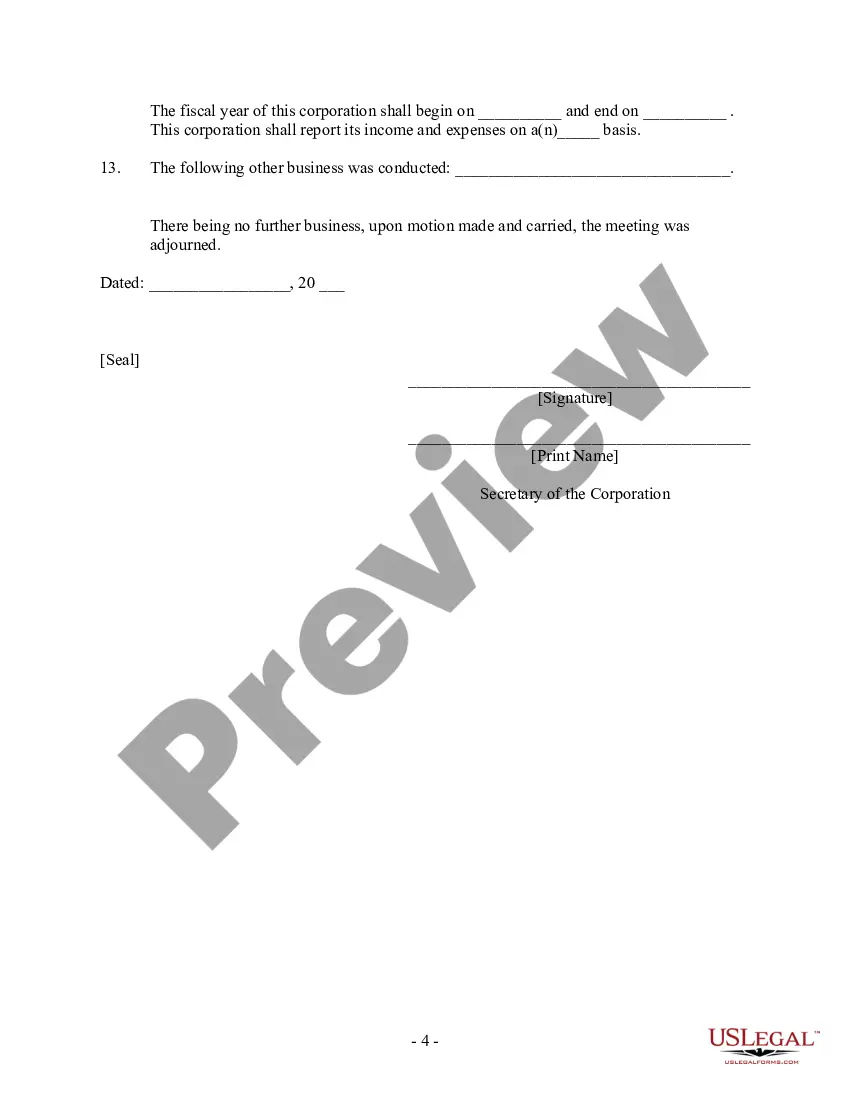

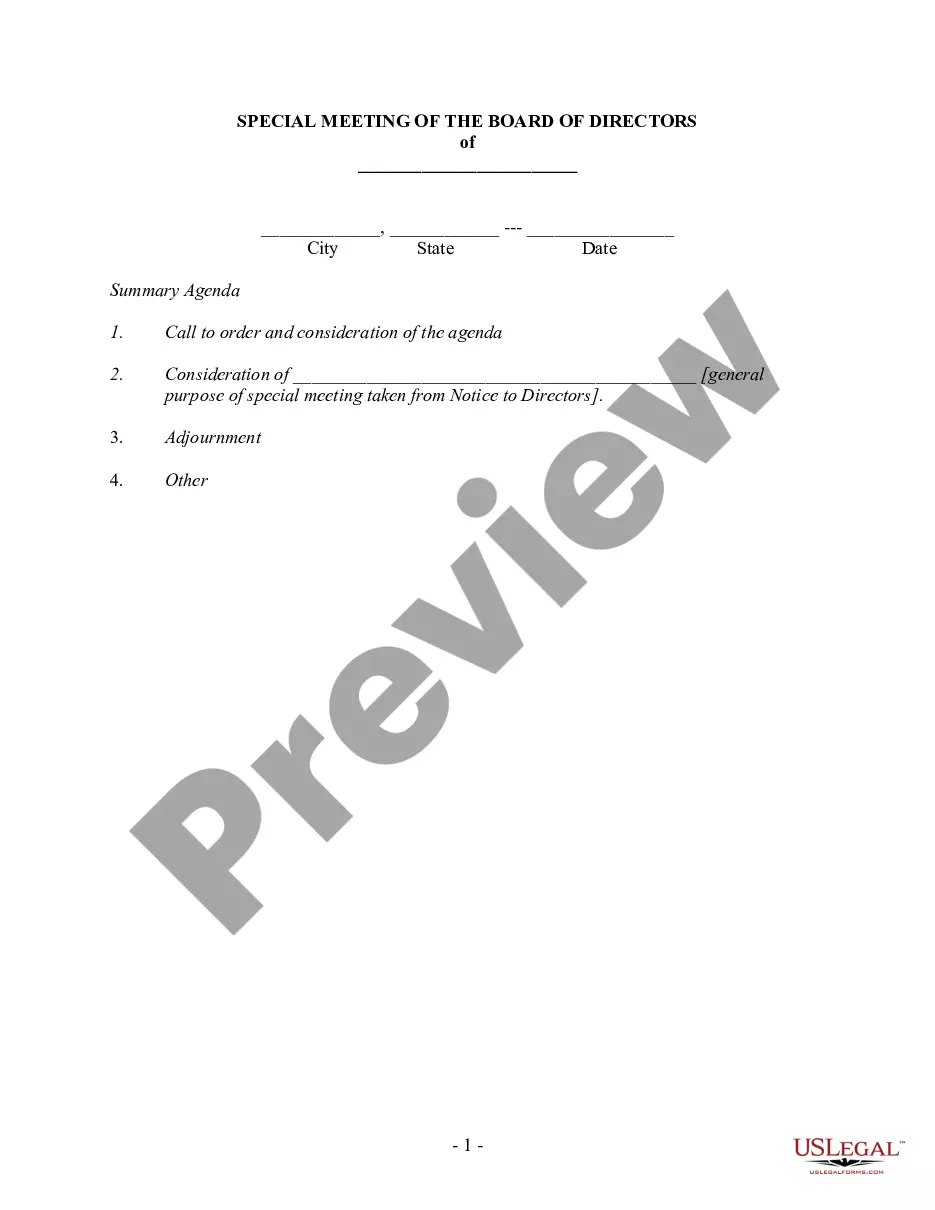
Get your form ready online
Our built-in tools help you complete, sign, share, and store your documents in one place.
Make edits, fill in missing information, and update formatting in US Legal Forms—just like you would in MS Word.
Download a copy, print it, send it by email, or mail it via USPS—whatever works best for your next step.
Sign and collect signatures with our SignNow integration. Send to multiple recipients, set reminders, and more. Go Premium to unlock E-Sign.
If this form requires notarization, complete it online through a secure video call—no need to meet a notary in person or wait for an appointment.
We protect your documents and personal data by following strict security and privacy standards.

Make edits, fill in missing information, and update formatting in US Legal Forms—just like you would in MS Word.

Download a copy, print it, send it by email, or mail it via USPS—whatever works best for your next step.

Sign and collect signatures with our SignNow integration. Send to multiple recipients, set reminders, and more. Go Premium to unlock E-Sign.

If this form requires notarization, complete it online through a secure video call—no need to meet a notary in person or wait for an appointment.

We protect your documents and personal data by following strict security and privacy standards.
Looking for another form?
Form popularity
FAQ
How to Start an S Corp in Ohio Name your Ohio LLC. Appoint an Ohio statutory agent. File Form 610 Articles of Organization. Create an operating agreement. Apply for an EIN. Apply for S Corp status with IRS Form 2553.
Start Your Corporate Bylaws StateBylaws Required? Alaska No Arizona Yes Arkansas Yes California No47 more rows
Business entities in Ohio are not required to file an annual report. However, certain types of entities and registrations are required to file reports at different intervals.
The certificate of the secretary of state, or a copy of the certificate of merger or consolidation certified by the secretary of state, may be filed for record in the office of the recorder of any county in this state and, if filed, shall be recorded in the official records of that county.
Yes. Your Ohio corporate bylaws are official legal documents, which means you can use them in a court of law to prove your limited liability status, or show how your corporation functions. It also means you're subject to legal ramifications if you don't follow your bylaws.
Form an Ohio Corporation: Name Your Corporation. Designate a Registered Agent. Submit Articles of Incorporation. Get an EIN. File the BOI Report. Write Corporate Bylaws. Hold an Organizational Meeting. Open a Corporate Bank Account.
Yes. Your Ohio corporate bylaws are official legal documents, which means you can use them in a court of law to prove your limited liability status, or show how your corporation functions. It also means you're subject to legal ramifications if you don't follow your bylaws.
Most state laws require that corporations establish company bylaws. Bylaws ensure consistent and agreed-upon voting and decision-making procedures and are particularly important should an officer or director leave the company.
Board meetings are almost always confidential. However, it takes both legally binding nondisclosure agreements and good board policy to ensure confidentiality.
Unless the nonprofit is a governmental entity, there is no obligation to open board meetings to the public. (“Governmental entities” would include school boards, state educational organizations, such as a state university, and quasi-governmental groups such as public libraries.)