Board Meeting Corporate Forum In Middlesex
Description

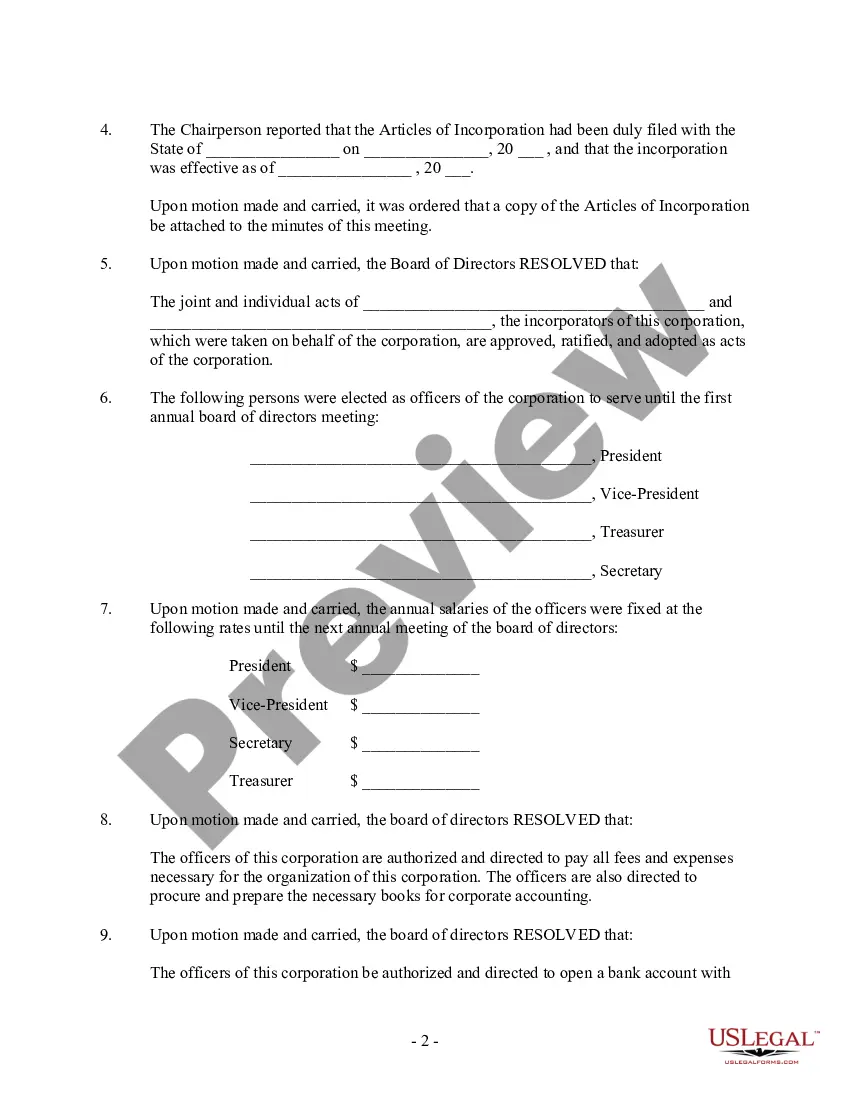
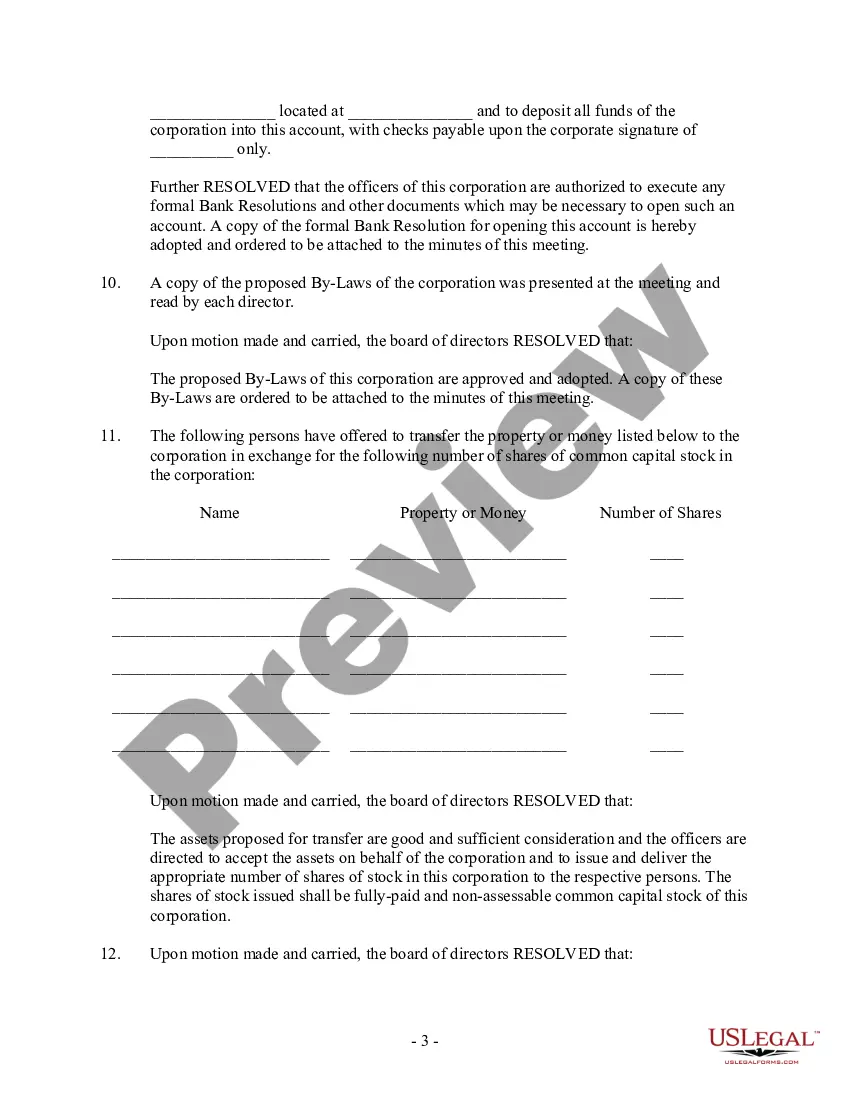
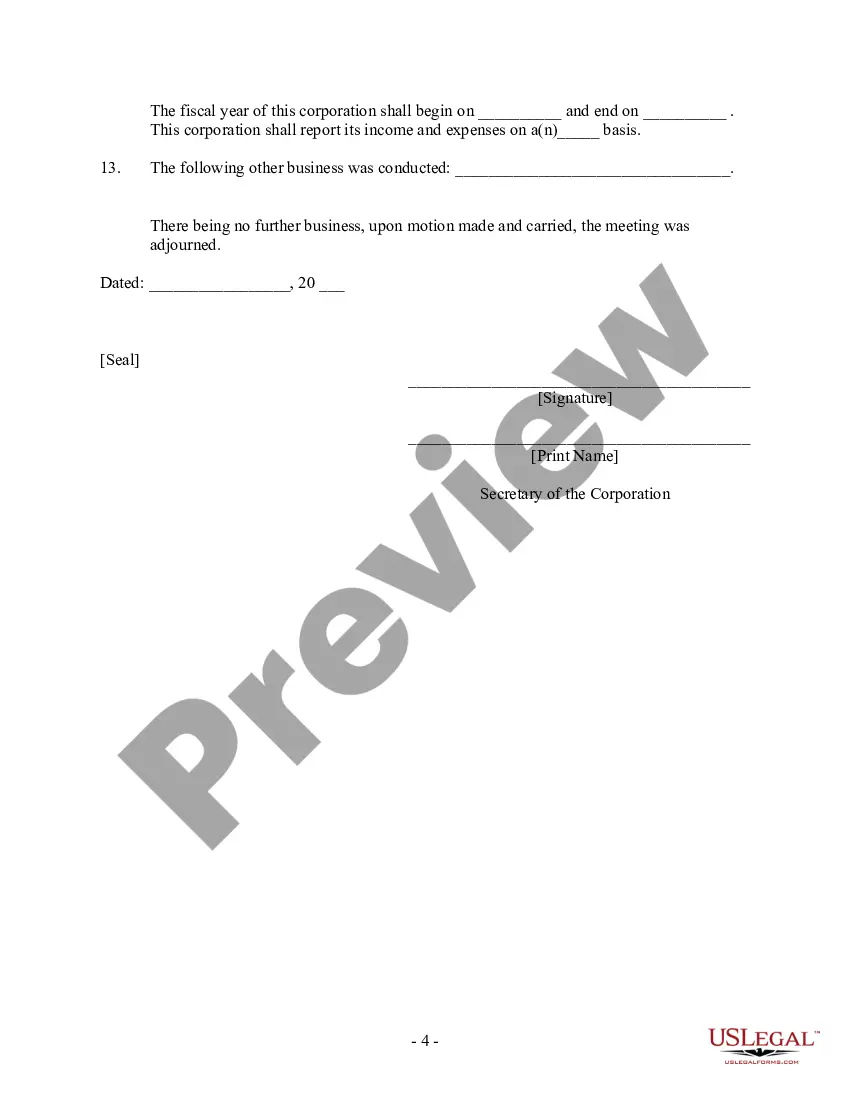

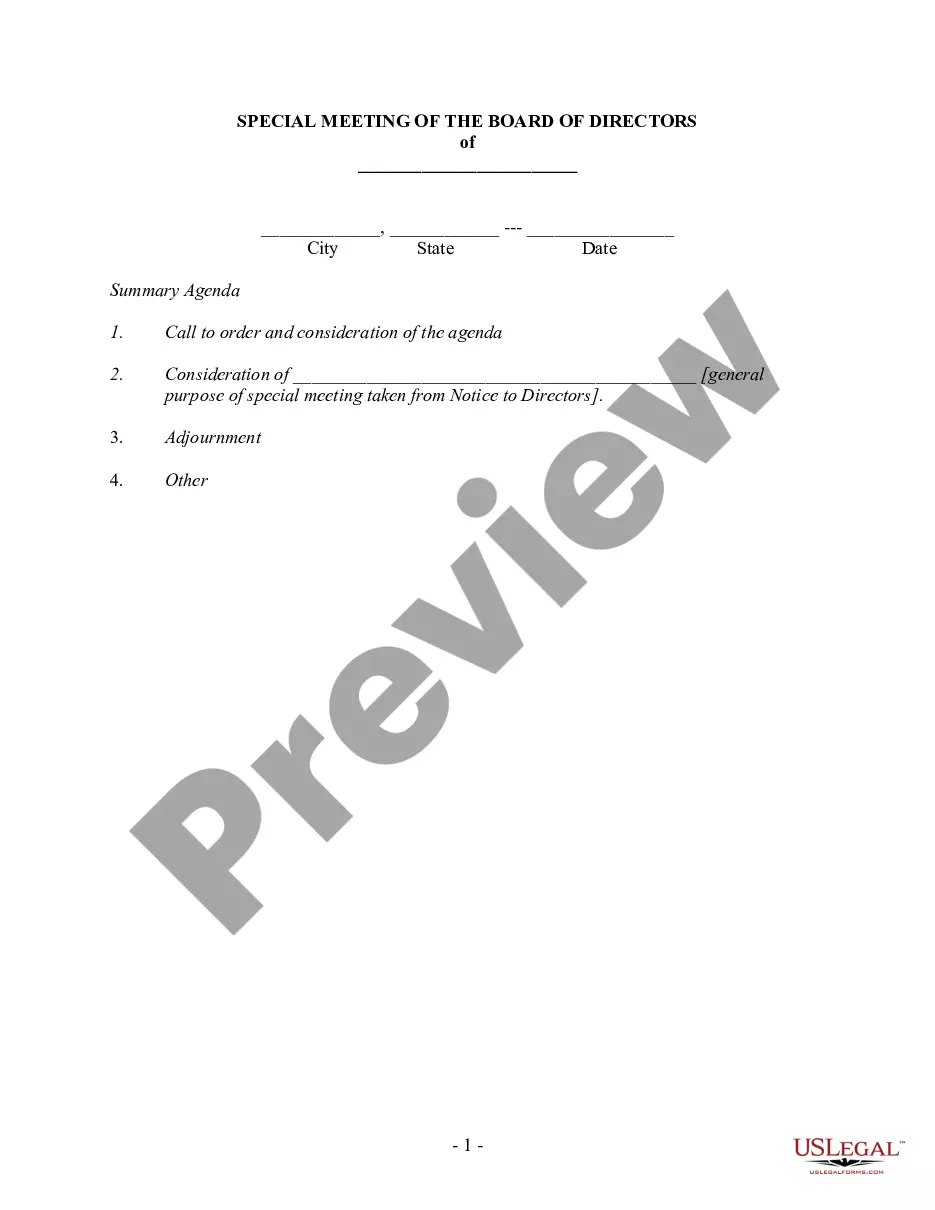
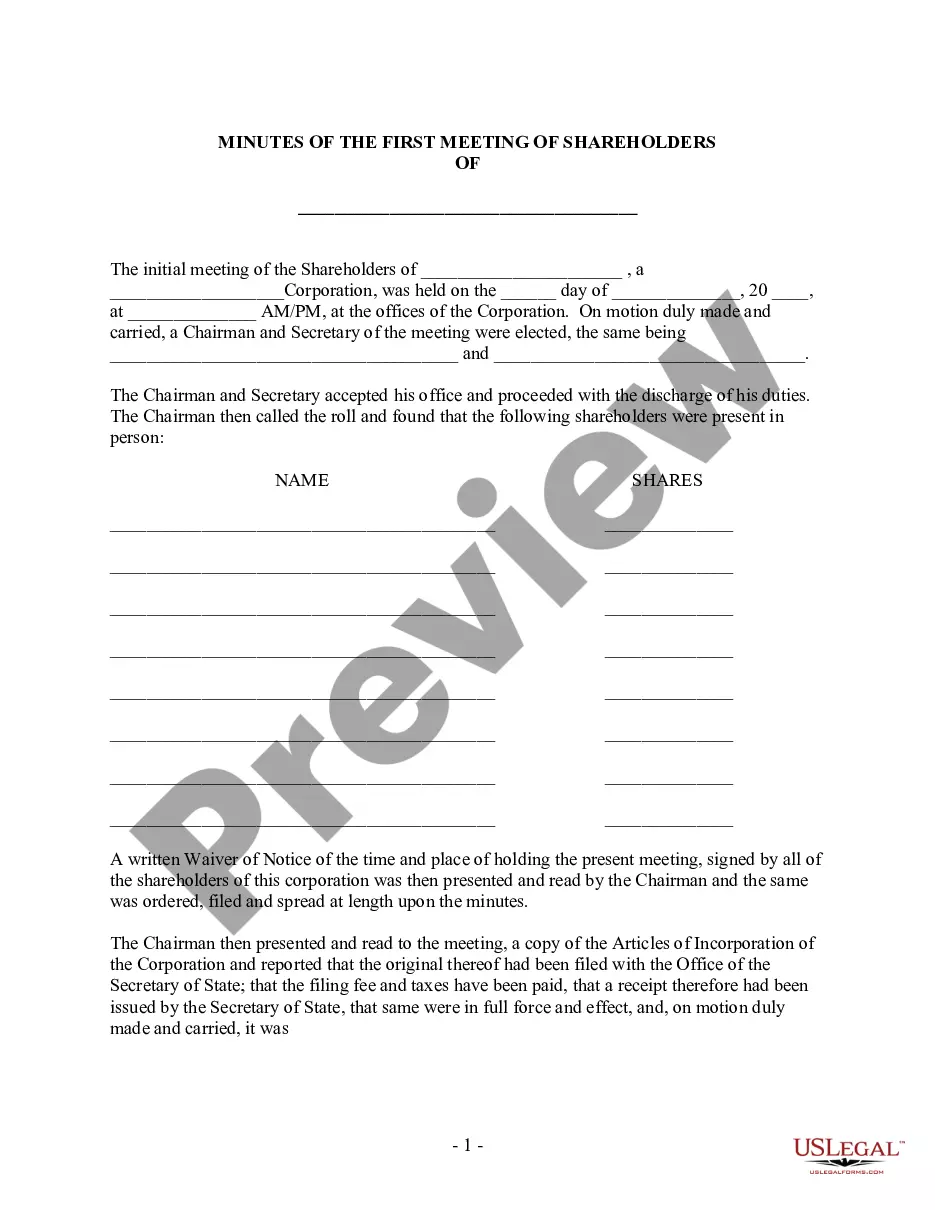
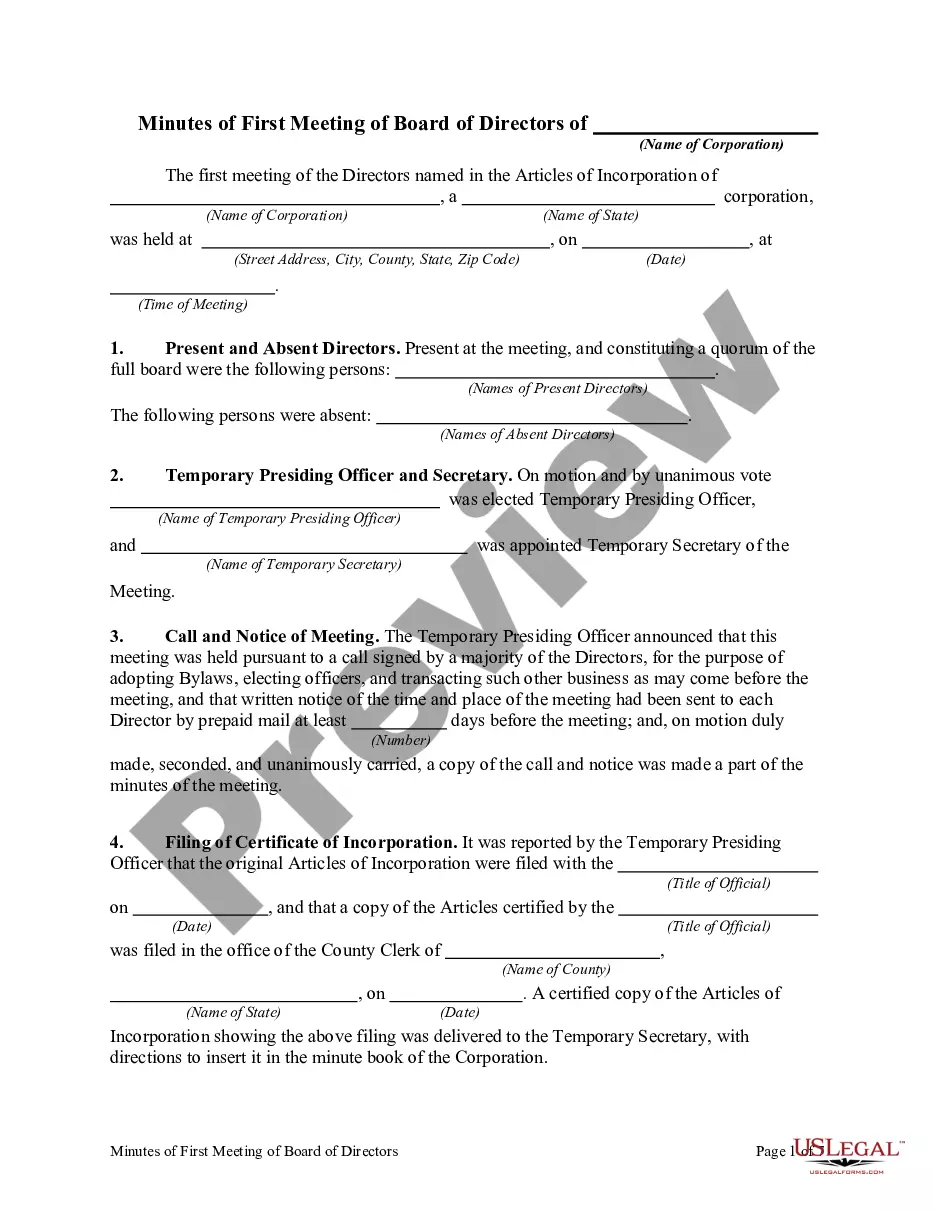
Get your form ready online
Our built-in tools help you complete, sign, share, and store your documents in one place.
Make edits, fill in missing information, and update formatting in US Legal Forms—just like you would in MS Word.
Download a copy, print it, send it by email, or mail it via USPS—whatever works best for your next step.
Sign and collect signatures with our SignNow integration. Send to multiple recipients, set reminders, and more. Go Premium to unlock E-Sign.
If this form requires notarization, complete it online through a secure video call—no need to meet a notary in person or wait for an appointment.
We protect your documents and personal data by following strict security and privacy standards.

Make edits, fill in missing information, and update formatting in US Legal Forms—just like you would in MS Word.

Download a copy, print it, send it by email, or mail it via USPS—whatever works best for your next step.

Sign and collect signatures with our SignNow integration. Send to multiple recipients, set reminders, and more. Go Premium to unlock E-Sign.

If this form requires notarization, complete it online through a secure video call—no need to meet a notary in person or wait for an appointment.

We protect your documents and personal data by following strict security and privacy standards.
Looking for another form?




Form popularity
FAQ
7 Step Meeting Process Clarify Aim/Purpose. Assign Roles. Review Agenda. Work through Agenda. Review meeting record. Plan Next Steps and Next Agenda. Evaluate.
Call to Order “I call this meeting to order.” Roll Call “Will the secretary please do roll call?” “We have a quorum. Will the secretary please read the minutes of the last meeting?” “Are there any corrections to the minutes?”
profit looking for a better way to schedule board meetings needs to keep in mind only 3 simple steps. Work within a date range that works for the organization's calendar. Work within days/times that works for board members' calendars. Make the final decision quickly and stick with it.
Call to Order “I call this meeting to order.” Roll Call “Will the secretary please do roll call?” “We have a quorum. Will the secretary please read the minutes of the last meeting?” “Are there any corrections to the minutes?”
Call to Order The chair bangs the gavel and calls the meeting to order, noting whether there is a quorum or not. Very simply, they should say: “This meeting of the board of COMPANY is called to order at TIME AND DATE and a quorum IS/ISN'T present.”
The general assembly is the body that is formed with the participation of the shareholders and makes decisions on matters that are granted only to it by law, such as the election, dismissal and discharge of the members of the board of directors, distribution of profits, amendment of the articles of association, ...
Board meetings are meetings of the directors and general meetings meetings of the members (shareholders) of the company.
Directors typically call general meetings. However, any shareholder holding at least 5% of the company shares can request that one be called if they believe it is necessary. A director should notify the shareholders once a general meeting has been called.
There are many types of general meetings in a company, which are – Annual general meeting, Extra Ordinary general meeting, meetings of members, meetings of creditors or debenture holders.
