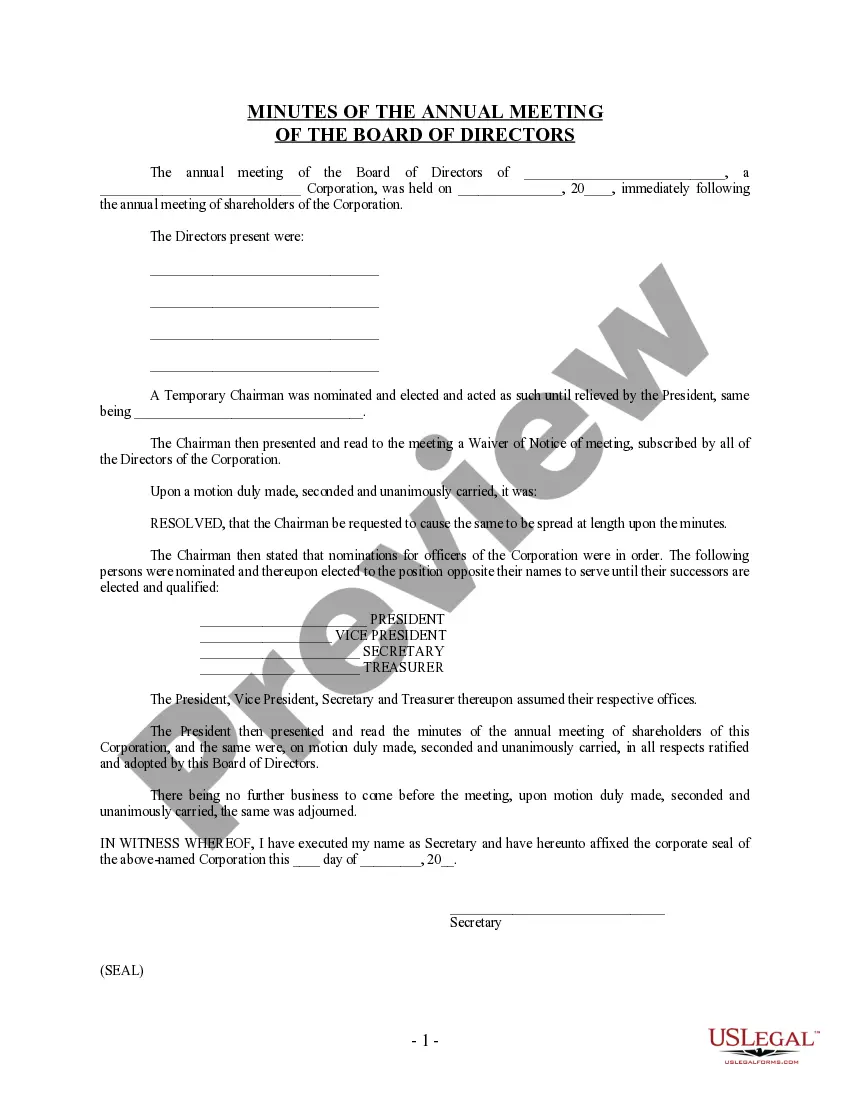
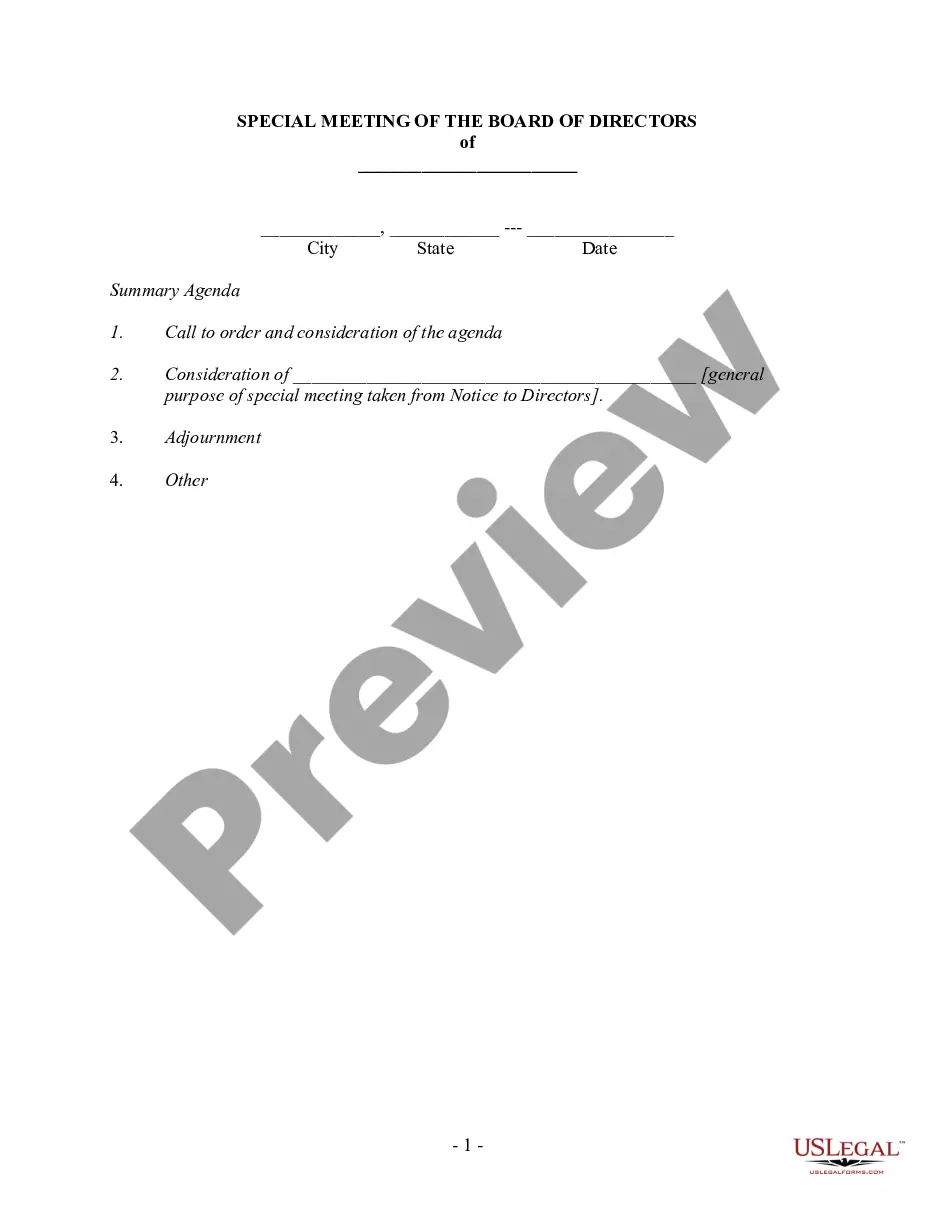
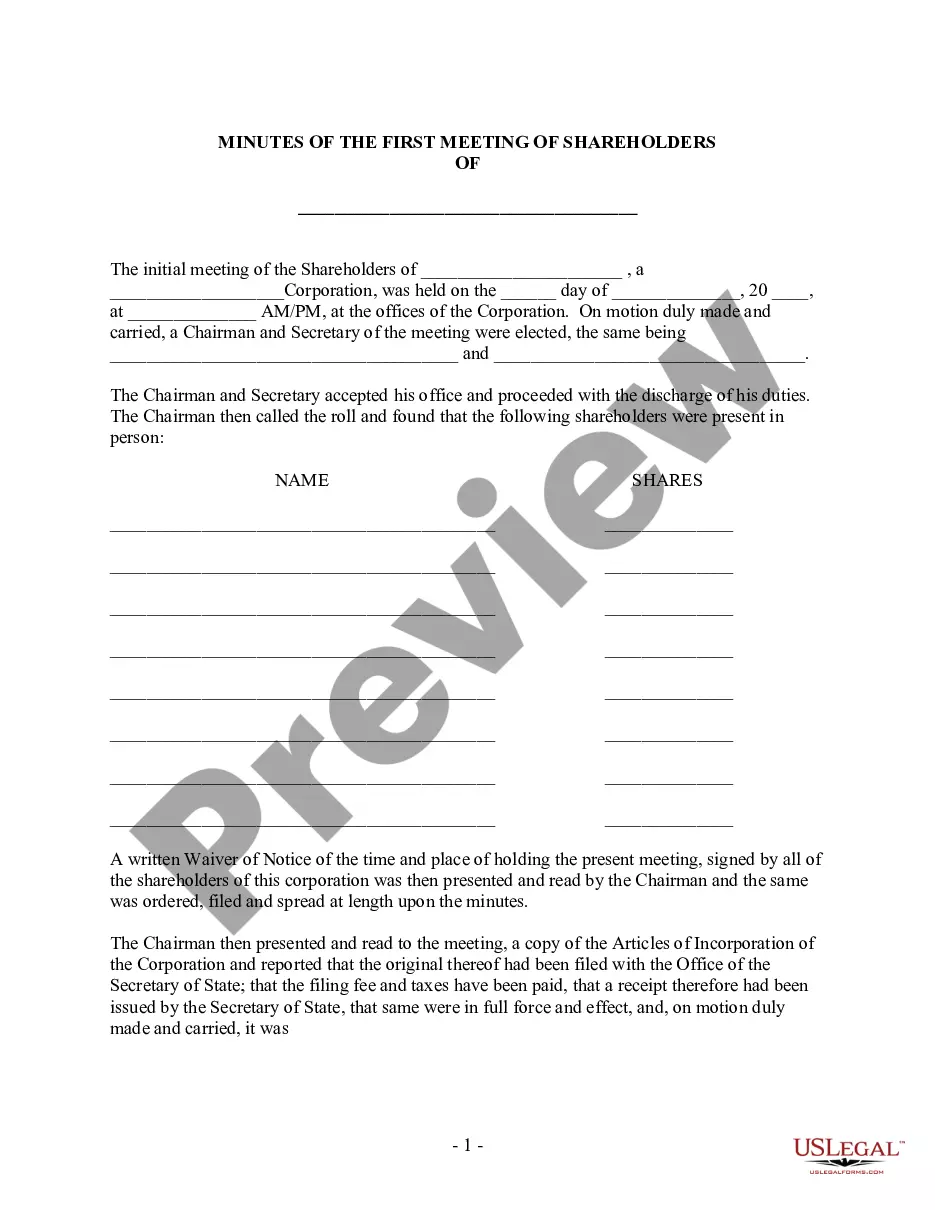
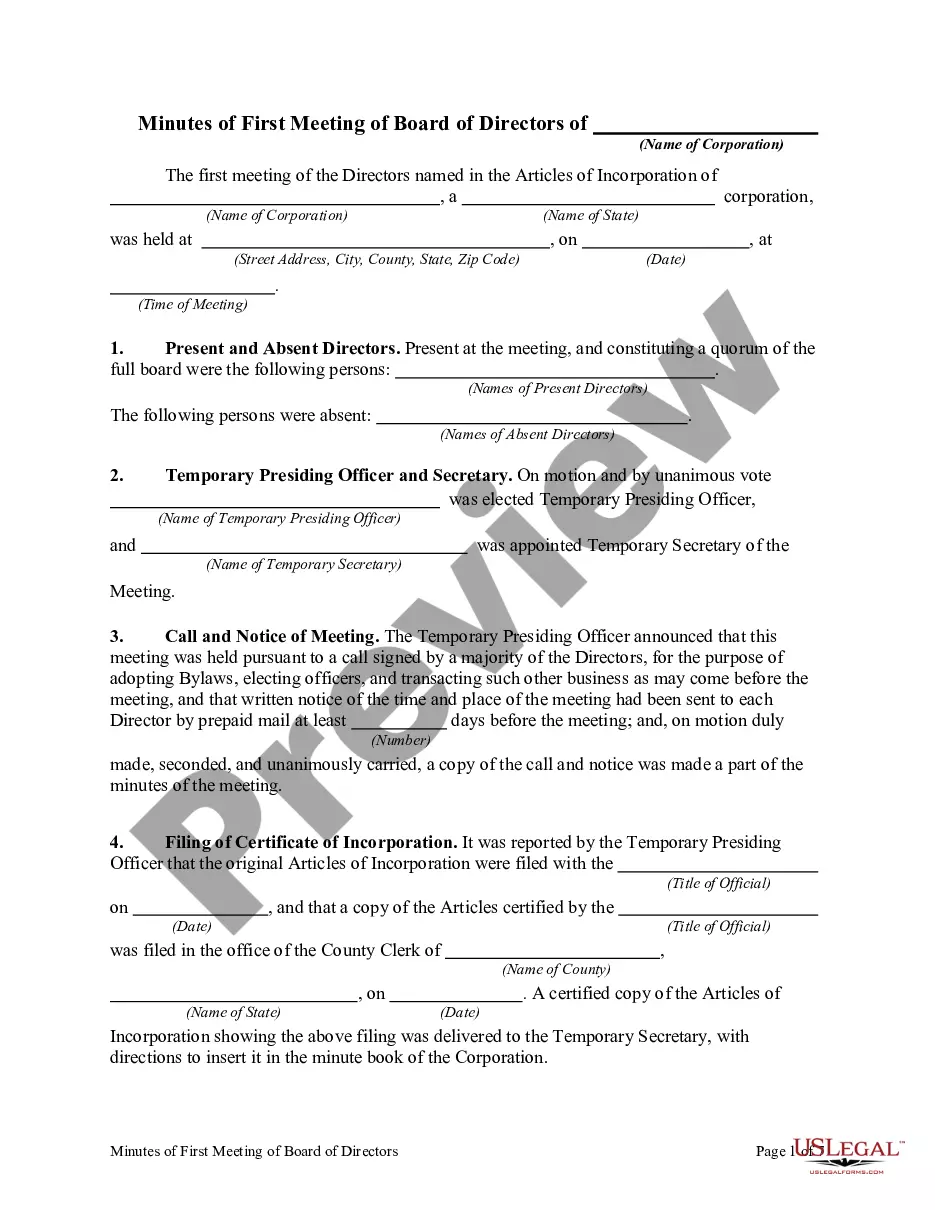
Board Meeting Minutes Corporate Withholding In Hennepin
Description
Get your form ready online
Our built-in tools help you complete, sign, share, and store your documents in one place.
Make edits, fill in missing information, and update formatting in US Legal Forms—just like you would in MS Word.
Download a copy, print it, send it by email, or mail it via USPS—whatever works best for your next step.
Sign and collect signatures with our SignNow integration. Send to multiple recipients, set reminders, and more. Go Premium to unlock E-Sign.
If this form requires notarization, complete it online through a secure video call—no need to meet a notary in person or wait for an appointment.
We protect your documents and personal data by following strict security and privacy standards.

Make edits, fill in missing information, and update formatting in US Legal Forms—just like you would in MS Word.

Download a copy, print it, send it by email, or mail it via USPS—whatever works best for your next step.

Sign and collect signatures with our SignNow integration. Send to multiple recipients, set reminders, and more. Go Premium to unlock E-Sign.

If this form requires notarization, complete it online through a secure video call—no need to meet a notary in person or wait for an appointment.

We protect your documents and personal data by following strict security and privacy standards.
Looking for another form?
Form popularity
FAQ
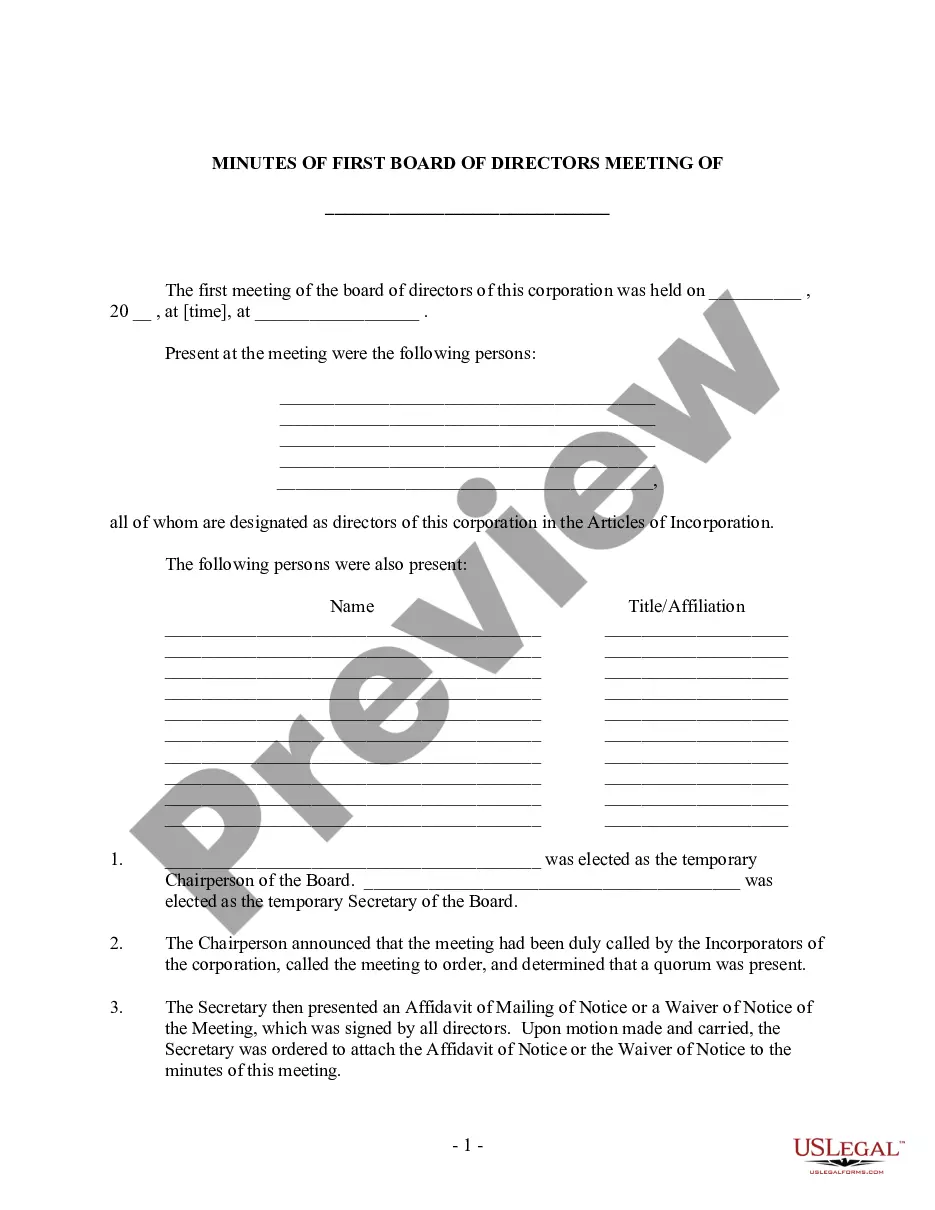
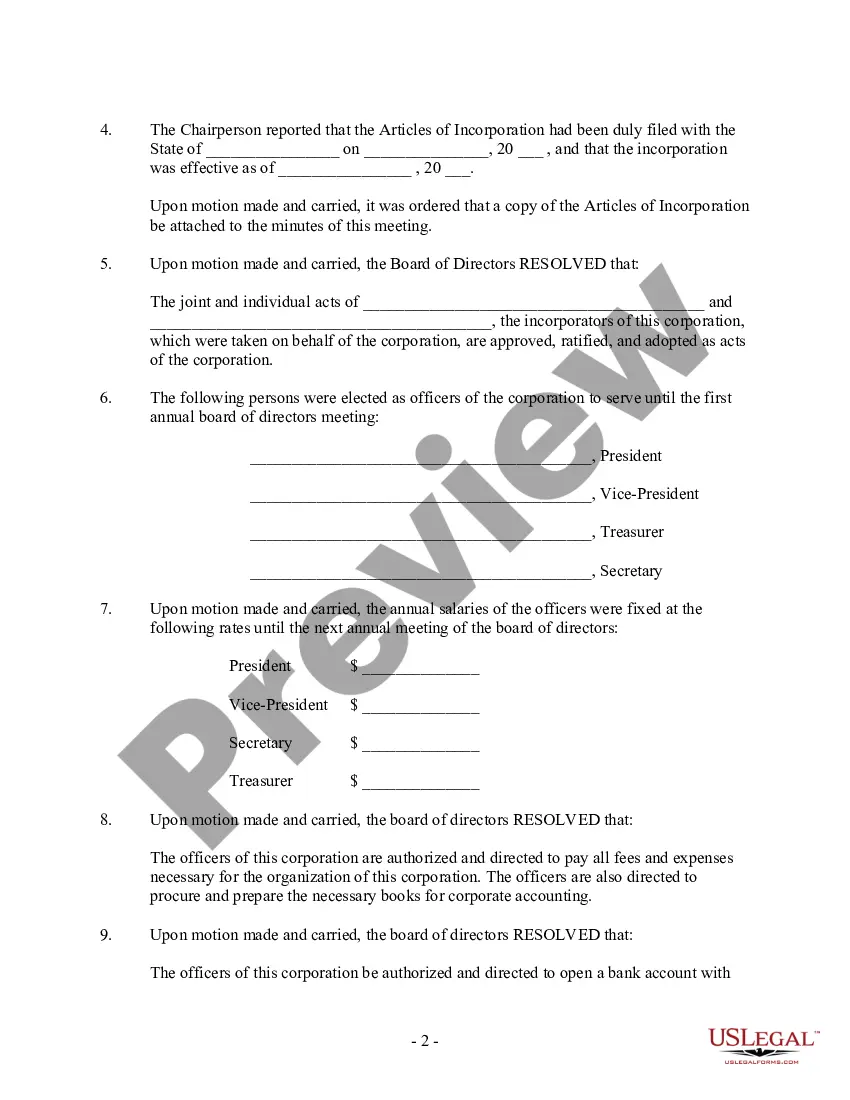
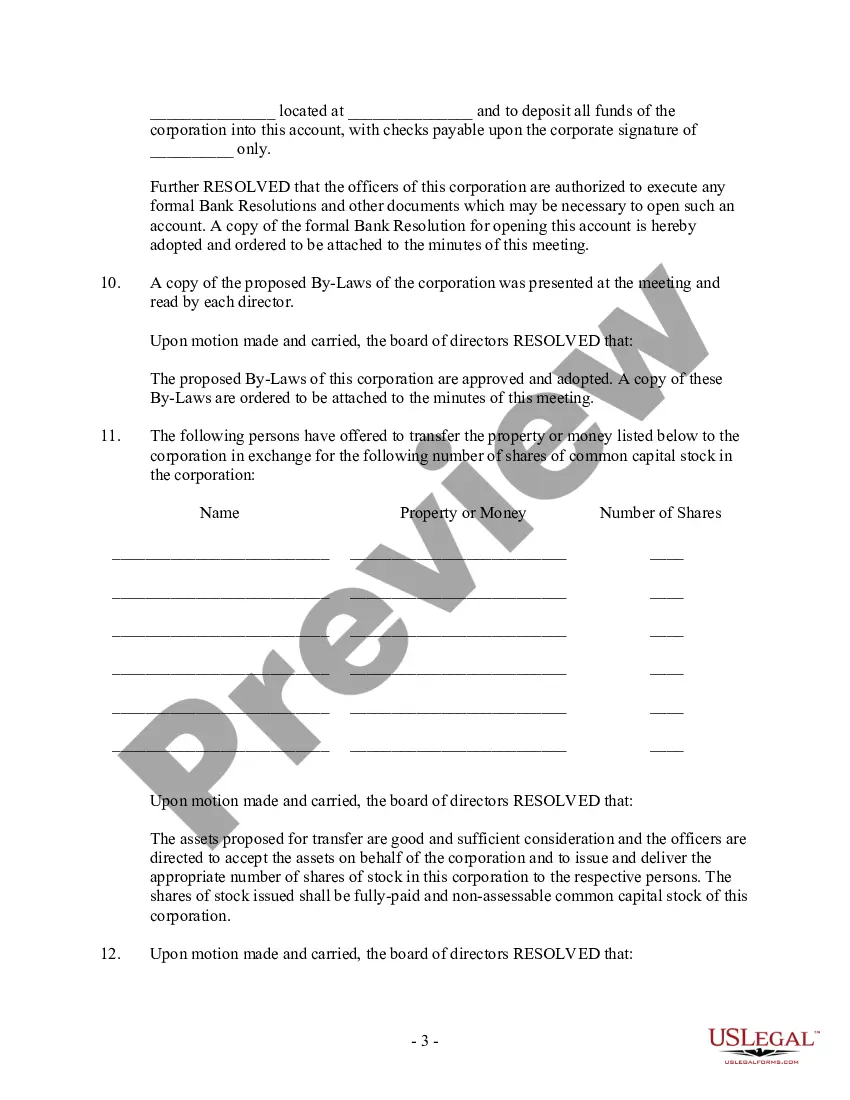
How detailed should corporate meeting minutes be? The date, time and location of the meeting. Names of attendees and absentees. Motions made, votes cast, and resolutions passed. Key points of discussion (without verbatim dialogue) Any follow-up actions assigned.
The responsibility for recording board meeting minutes typically falls on board secretaries or an administrative assistant assigned to the task. In smaller organizations, this role may be handled by a director or other appointed individual.
Robert's Rules (Section -16) state that “the minutes should contain mainly a record of what was done at the meeting, not what was said by the members.” Minutes are not transcripts of meetings; rather, the document contains a record of actions taken by the body, organized by the meeting's order of business (agenda).
Any board member can take board meeting minutes, although it is typically the responsibility of the board secretary.
Meeting minutes are a record of what transpires during a board meeting, typically written by the corporate secretary, capturing the decisions, motions, and key deliberations that are associated with the items on a board meeting agenda.
Yes, as the organization must approve minutes of what happened at the last meeting. Only the approved version of meeting minutes is considered the legal record.
Board meeting minutes template Date, time, location. Type of board meeting — regular, special or annual. Attendance of board chair, board members, secretary and other guests. If quorum requirements are satisfied. Approval of previous meeting minutes. Reports and presentations including names and titles of presenter.
What information do board meeting minutes contain? Meeting date, time and location. Type of meeting. Names and titles of attendees and guests. Any absent board directors. Quorum. Notes about directors who left early or re-entered the meeting. Board approvals, resolutions and acceptance of reports. Overview of discussions.
Personal observations or judgmental comments should not be included in meeting minutes. All statements should be as neutral as possible. Avoid writing down everything everyone said.
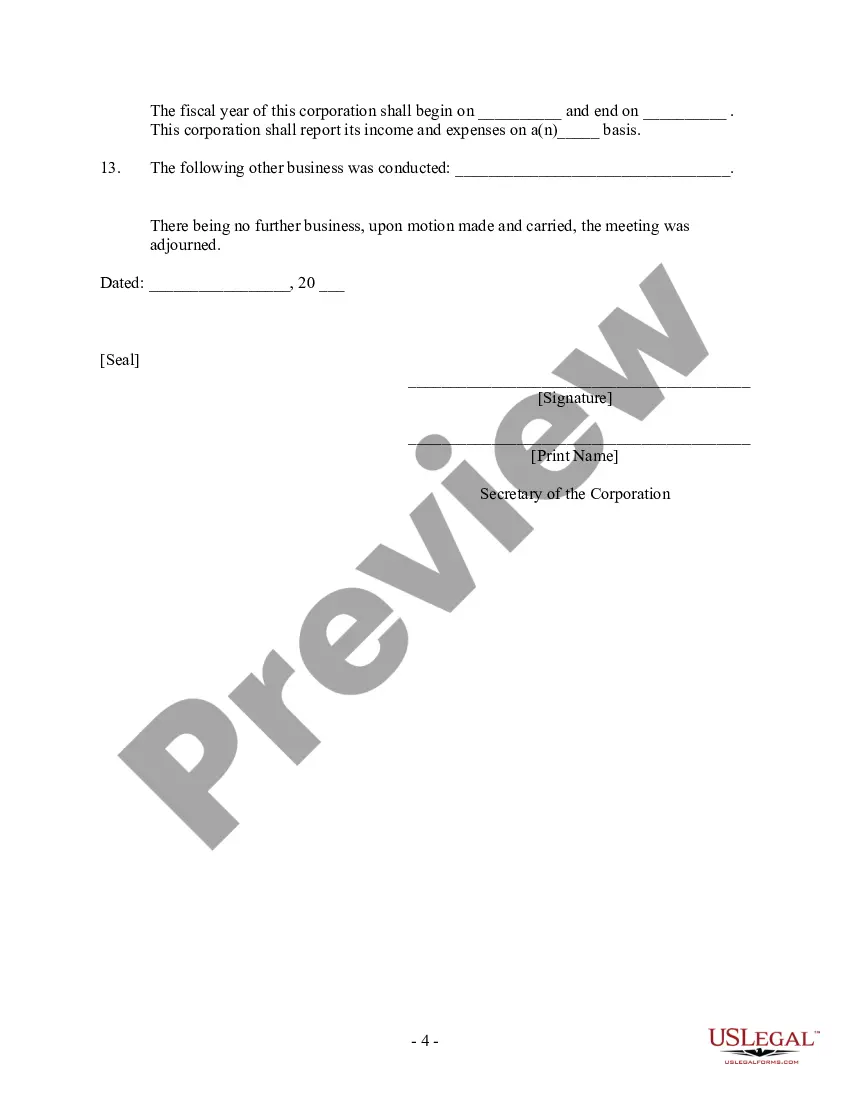
Meeting minutes are the written record of what was discussed and decided during a meeting. They typically include the date and time of the meeting, a list of attendees, a summary of the topics discussed, decisions made, action items assigned, and the time of adjournment.