Companies Board Meeting Rules In Harris
Description

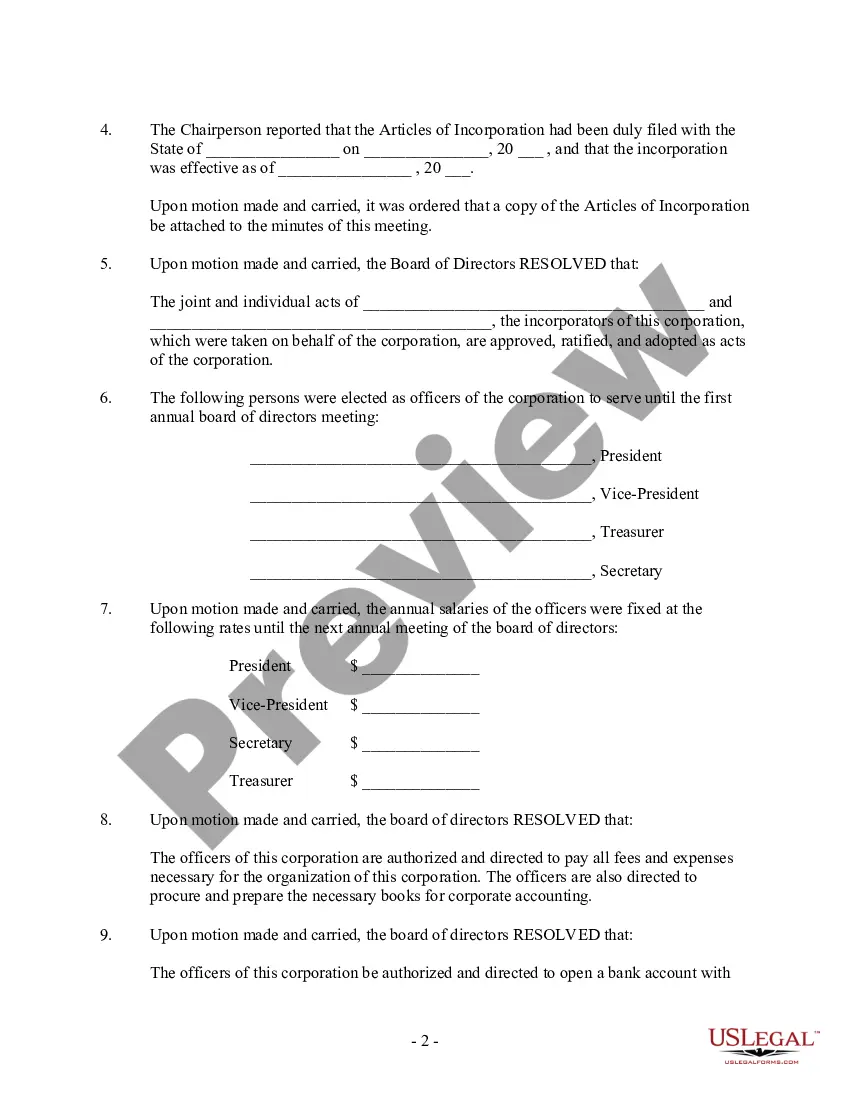
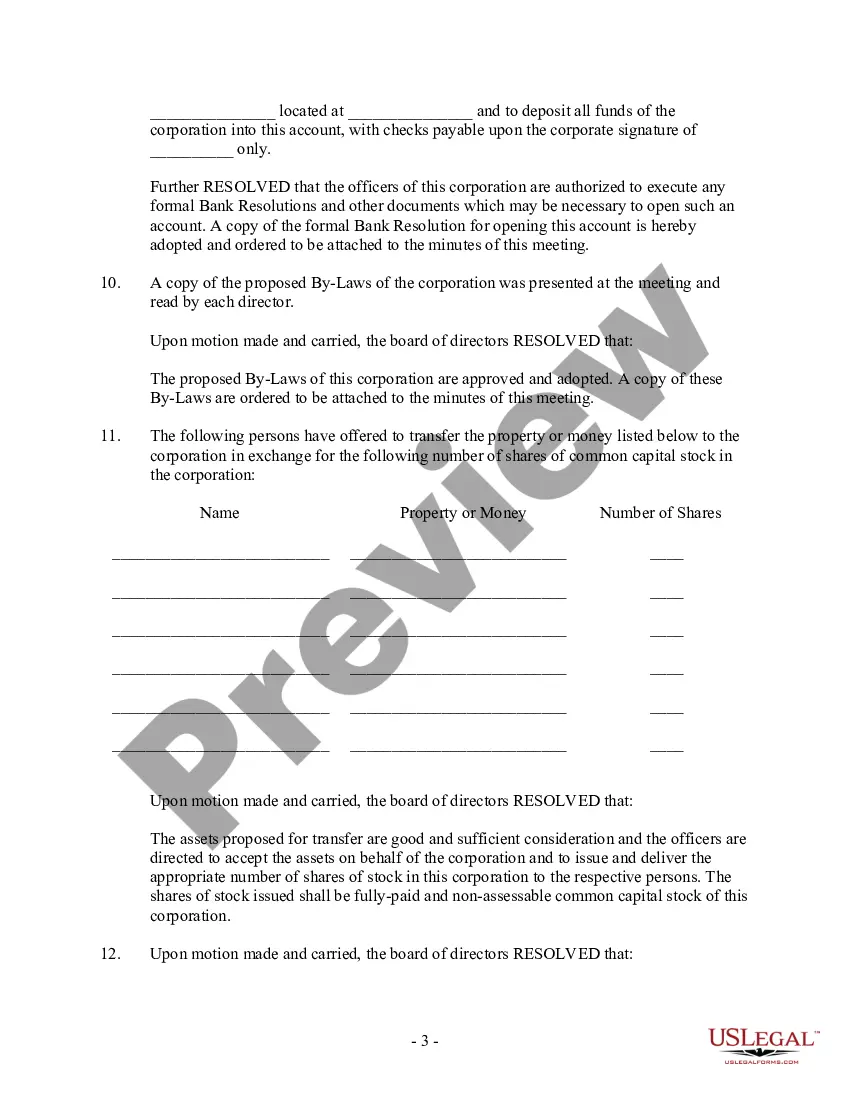
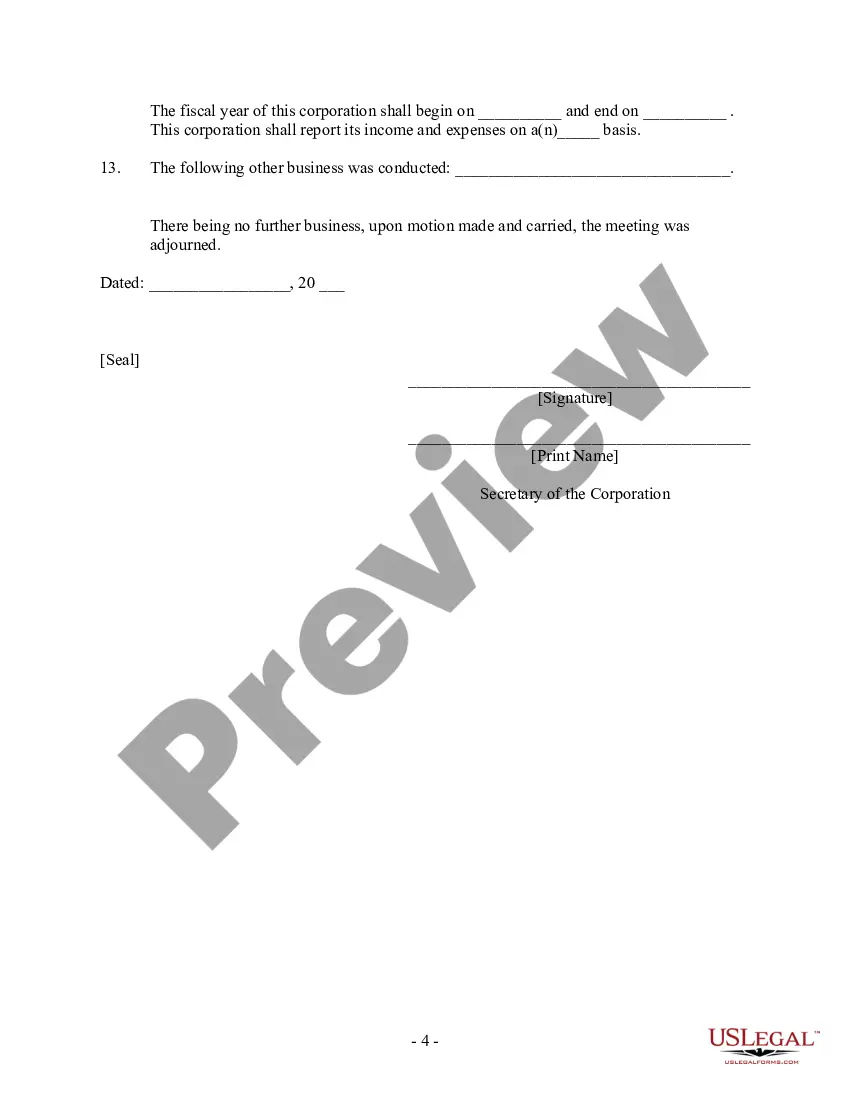

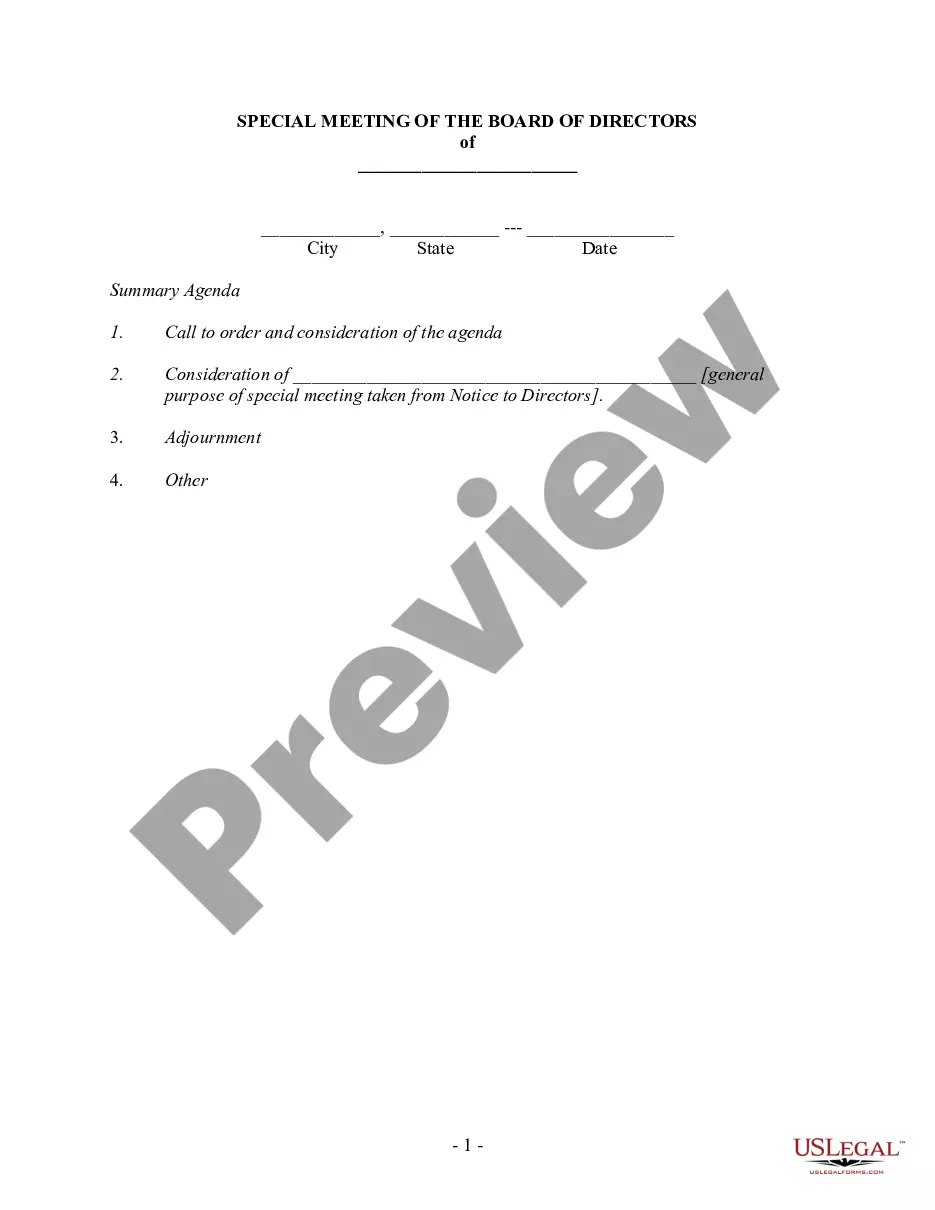
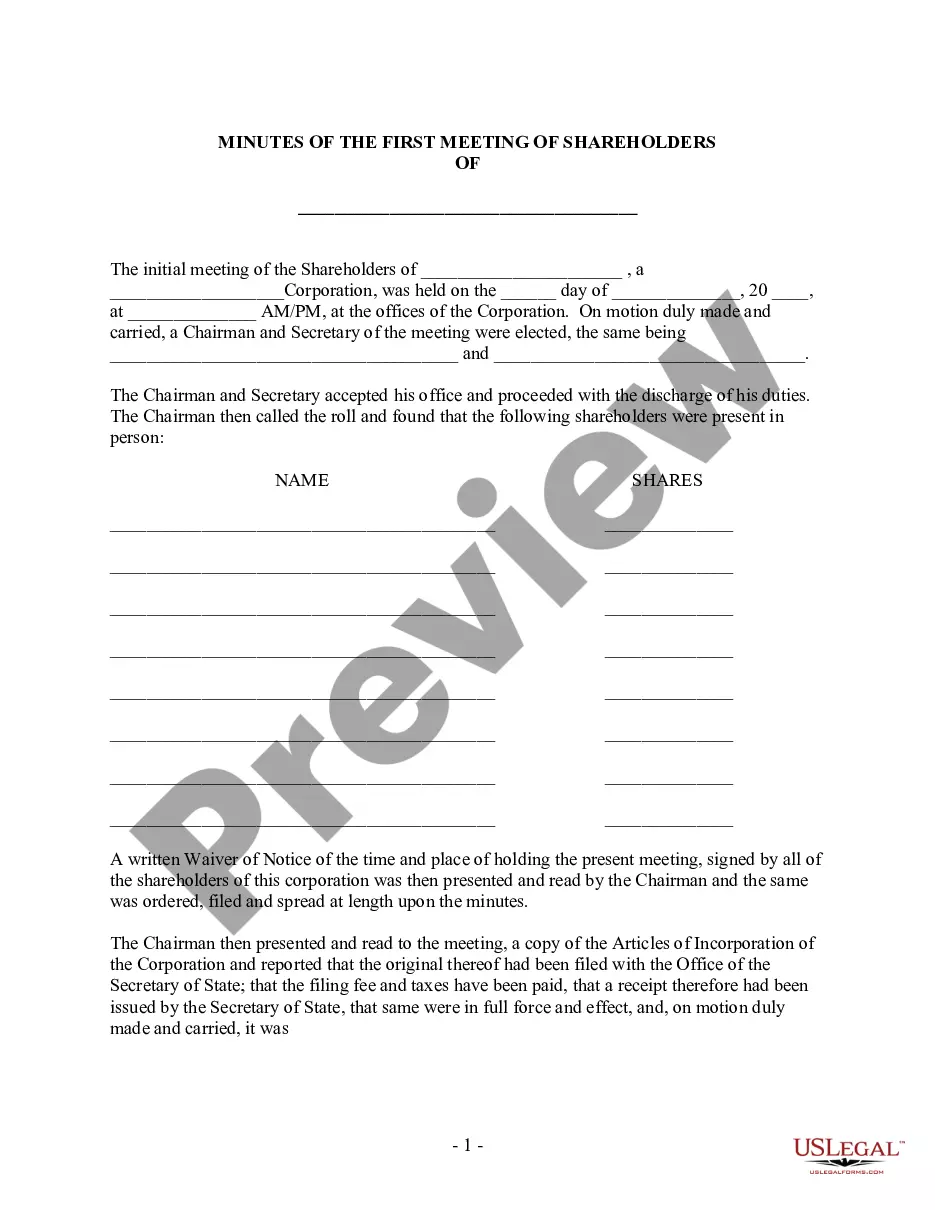
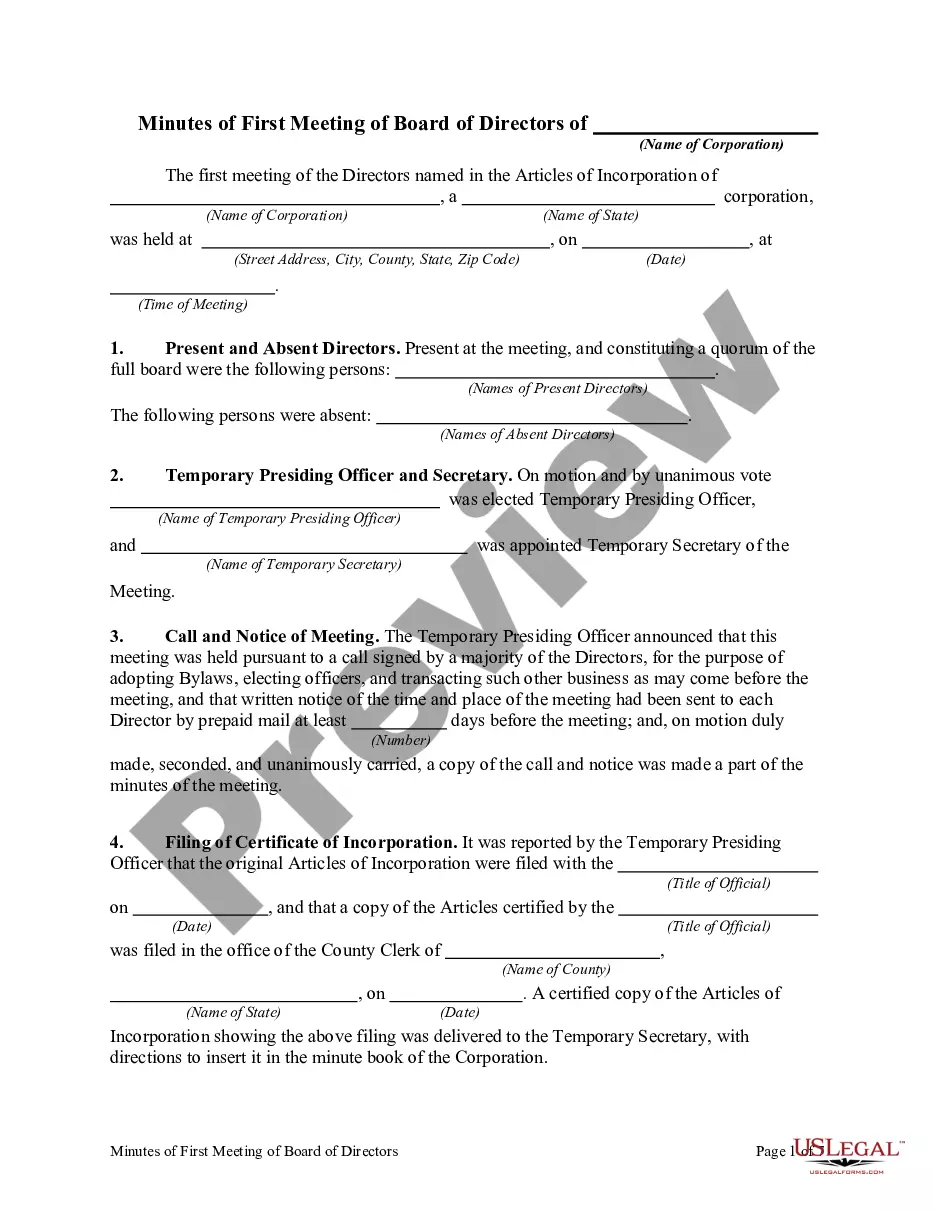
Get your form ready online
Our built-in tools help you complete, sign, share, and store your documents in one place.
Make edits, fill in missing information, and update formatting in US Legal Forms—just like you would in MS Word.
Download a copy, print it, send it by email, or mail it via USPS—whatever works best for your next step.
Sign and collect signatures with our SignNow integration. Send to multiple recipients, set reminders, and more. Go Premium to unlock E-Sign.
If this form requires notarization, complete it online through a secure video call—no need to meet a notary in person or wait for an appointment.
We protect your documents and personal data by following strict security and privacy standards.

Make edits, fill in missing information, and update formatting in US Legal Forms—just like you would in MS Word.

Download a copy, print it, send it by email, or mail it via USPS—whatever works best for your next step.

Sign and collect signatures with our SignNow integration. Send to multiple recipients, set reminders, and more. Go Premium to unlock E-Sign.

If this form requires notarization, complete it online through a secure video call—no need to meet a notary in person or wait for an appointment.

We protect your documents and personal data by following strict security and privacy standards.
Looking for another form?



Form popularity
FAQ
(1) Every director shall disclose his concern or interest in any company or companies or bodies corporate (including shareholding interest), firms or other association of individuals, by giving a notice in writing in Form MBP 1.
In case of One Person Company (OPC), small company and dormant company, at least one Board meeting should be conducted in each half of the calendar year and the gap between two meetings should not be less than Ninety days. shall be given to every director at the registered address as available with the company.
In such cases, the vacation of the director's office may not be enforceable. In conclusion, it is important for directors to attend Board meetings, as failure to attend all meetings for 12 months will result in the automatic vacating of their office.
Provided that a company belonging to any class of companies for which a higher number of independent directors has been specified in the law for the time being in force shall comply with the requirements specified in such law.
(6) With respect to every meeting conducted through video conferencing or other audio visual means authorised under these rules, the scheduled venue of the meeting as set forth in the notice convening the meeting, which shall be in India, shall be deemed to be the place of the said meeting and all recordings of the ...
Rule 4 – Matters NOT to be dealt with in a meeting through video conferencing or other audio visual means. the approval of the matter relating to amalgamation, merger, demerger, acquisition and takeover.
4A. Provided that the items contained in the financial statements shall be prepared in ance with the definitions and other requirements specified in the Accounting Standards or the Accounting Standards or the Indian Accounting Standards, as the case may be.
A board of directors (BofD) is the governing body of a corporation or other organization, whose members are elected by shareholders (in the case of public companies) to set strategy, oversee management, and protect the interests of shareholders and stakeholders. Every public company must have a board of directors.
As per Section 173(1), every company is required to hold a minimum number of four meetings of its Board of Directors every year in such a manner that not more than one hundred and twenty days shall intervene between two consecutive meetings of the Board.
Board meetings are formal gatherings held by the board of directors that aim to discuss major problems, areas of concern, vote on decisions, review performance, consider policy issues, and, in some cases, perform the legal duties of the board.
