Meeting Minutes Corporate Withholding In Florida
Description
Get your form ready online
Our built-in tools help you complete, sign, share, and store your documents in one place.
Make edits, fill in missing information, and update formatting in US Legal Forms—just like you would in MS Word.
Download a copy, print it, send it by email, or mail it via USPS—whatever works best for your next step.
Sign and collect signatures with our SignNow integration. Send to multiple recipients, set reminders, and more. Go Premium to unlock E-Sign.
If this form requires notarization, complete it online through a secure video call—no need to meet a notary in person or wait for an appointment.
We protect your documents and personal data by following strict security and privacy standards.

Make edits, fill in missing information, and update formatting in US Legal Forms—just like you would in MS Word.

Download a copy, print it, send it by email, or mail it via USPS—whatever works best for your next step.

Sign and collect signatures with our SignNow integration. Send to multiple recipients, set reminders, and more. Go Premium to unlock E-Sign.

If this form requires notarization, complete it online through a secure video call—no need to meet a notary in person or wait for an appointment.

We protect your documents and personal data by following strict security and privacy standards.
Looking for another form?
Form popularity
FAQ
Available to Members within 30 Days Board meeting minutes, minutes proposed for adoption (“draft minutes”), or a summary of the minutes, of any board meeting (other than executive session) must be made available to the association's members within thirty (30) days following the board meeting.
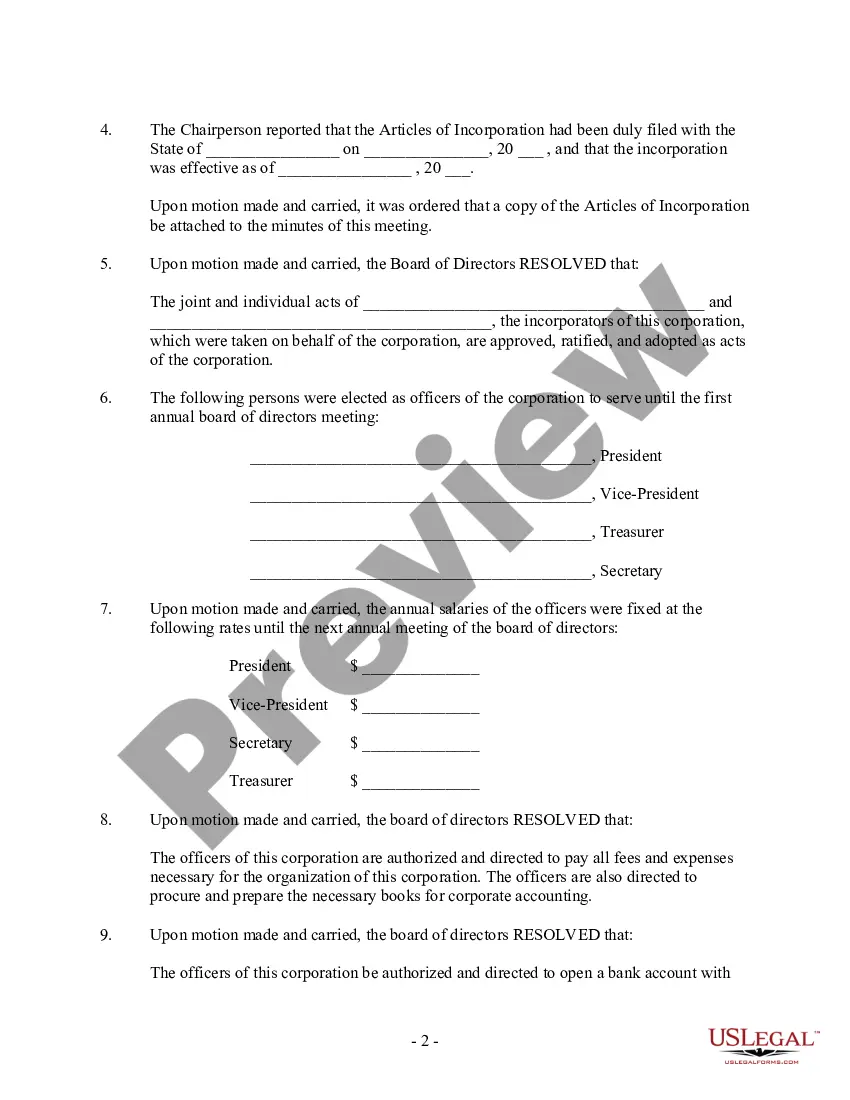
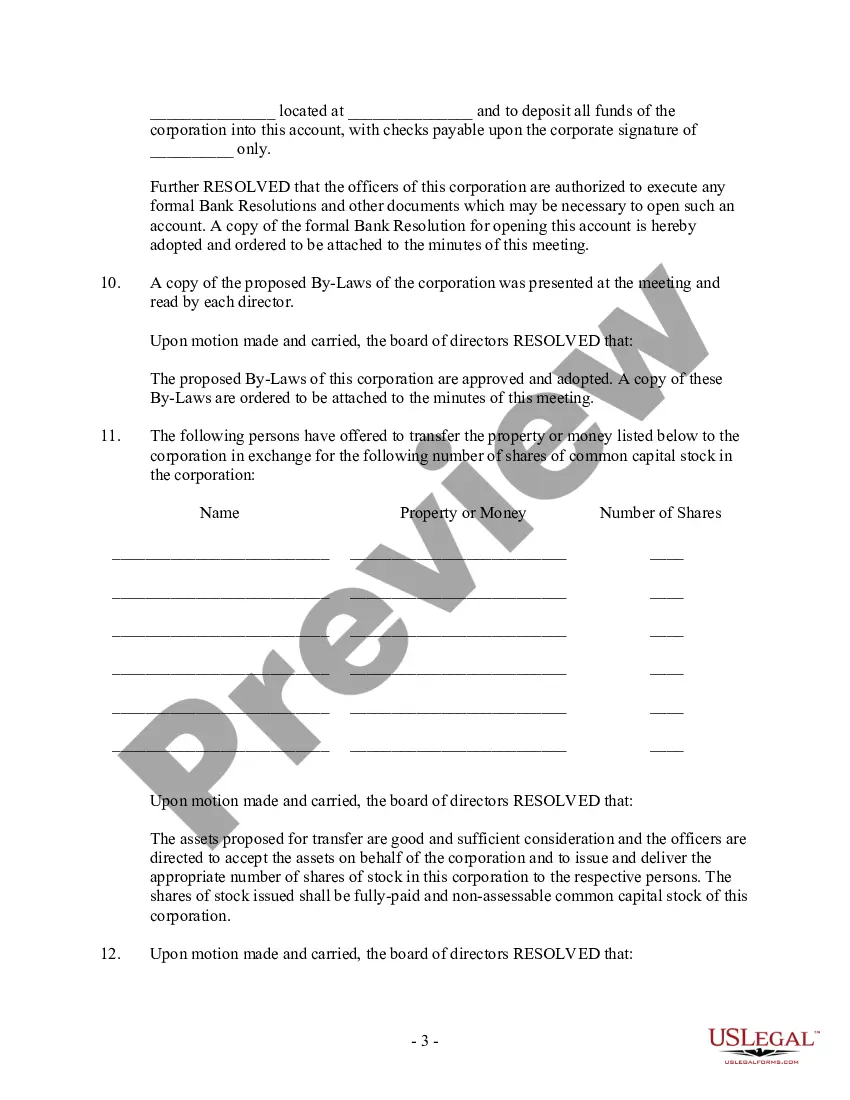
What Should Be Included in Meeting Minutes? Date and time of the meeting. Names of the meeting participants and those unable to attend (e.g., “regrets”) Acceptance or corrections/amendments to previous meeting minutes. Decisions made about each agenda item, for example: Actions taken or agreed to be taken. Next steps.
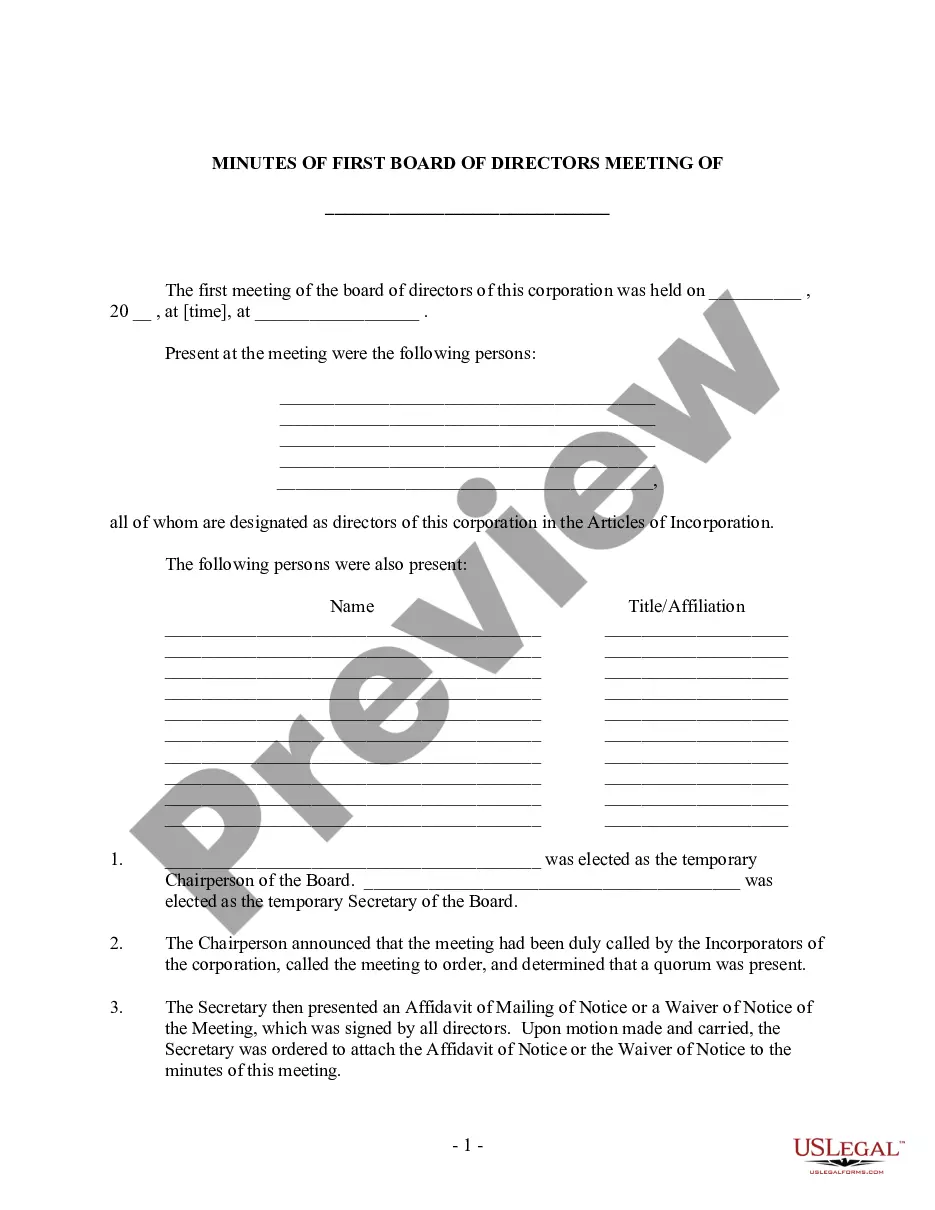
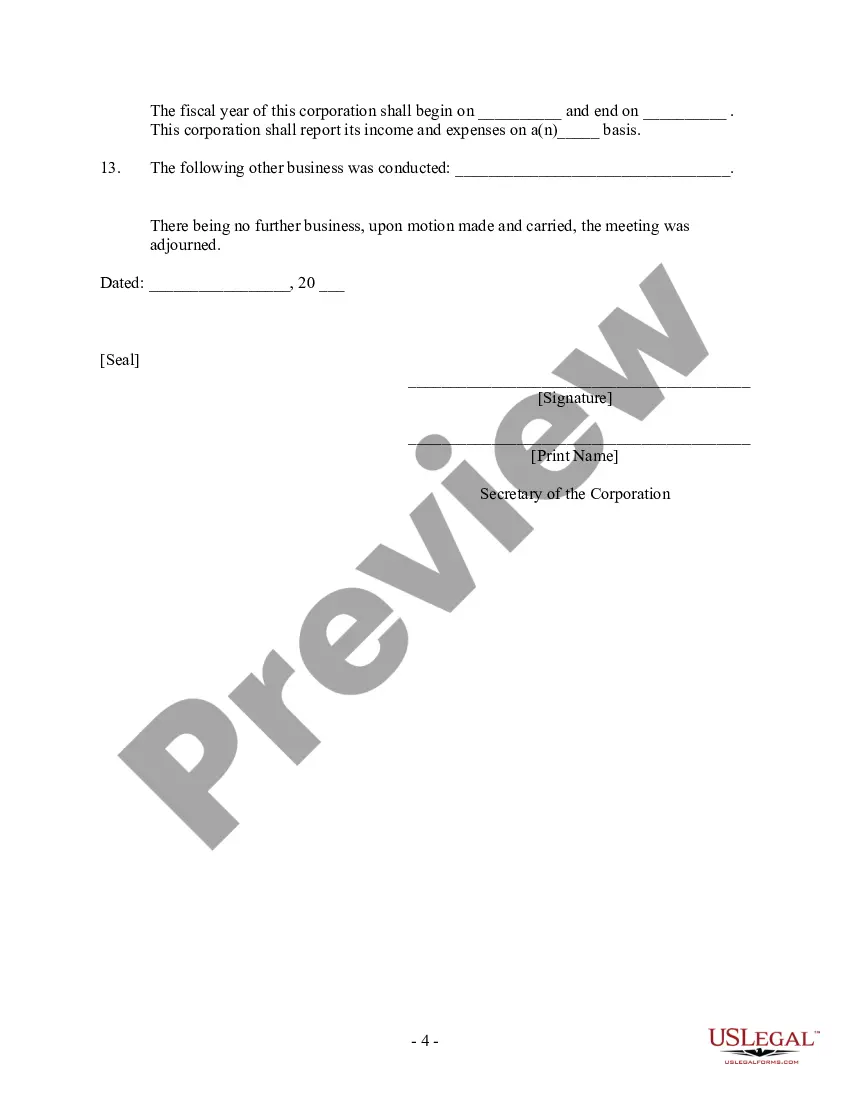
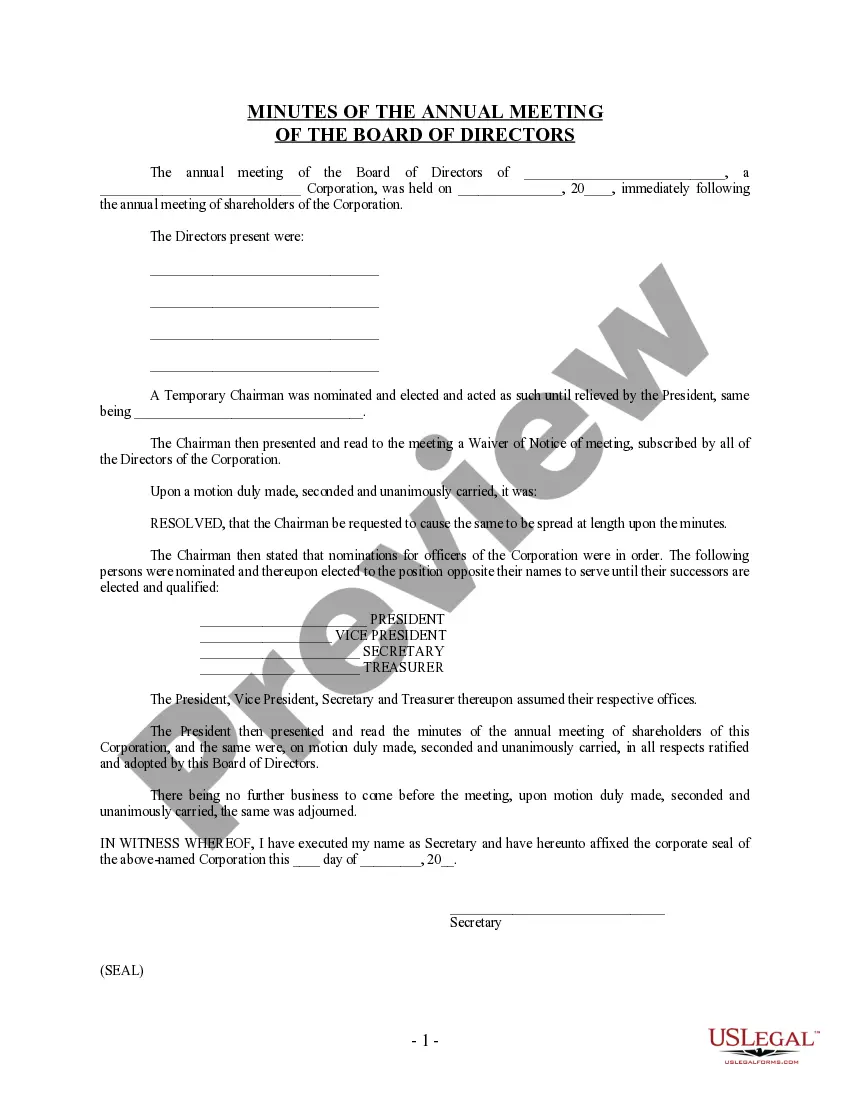
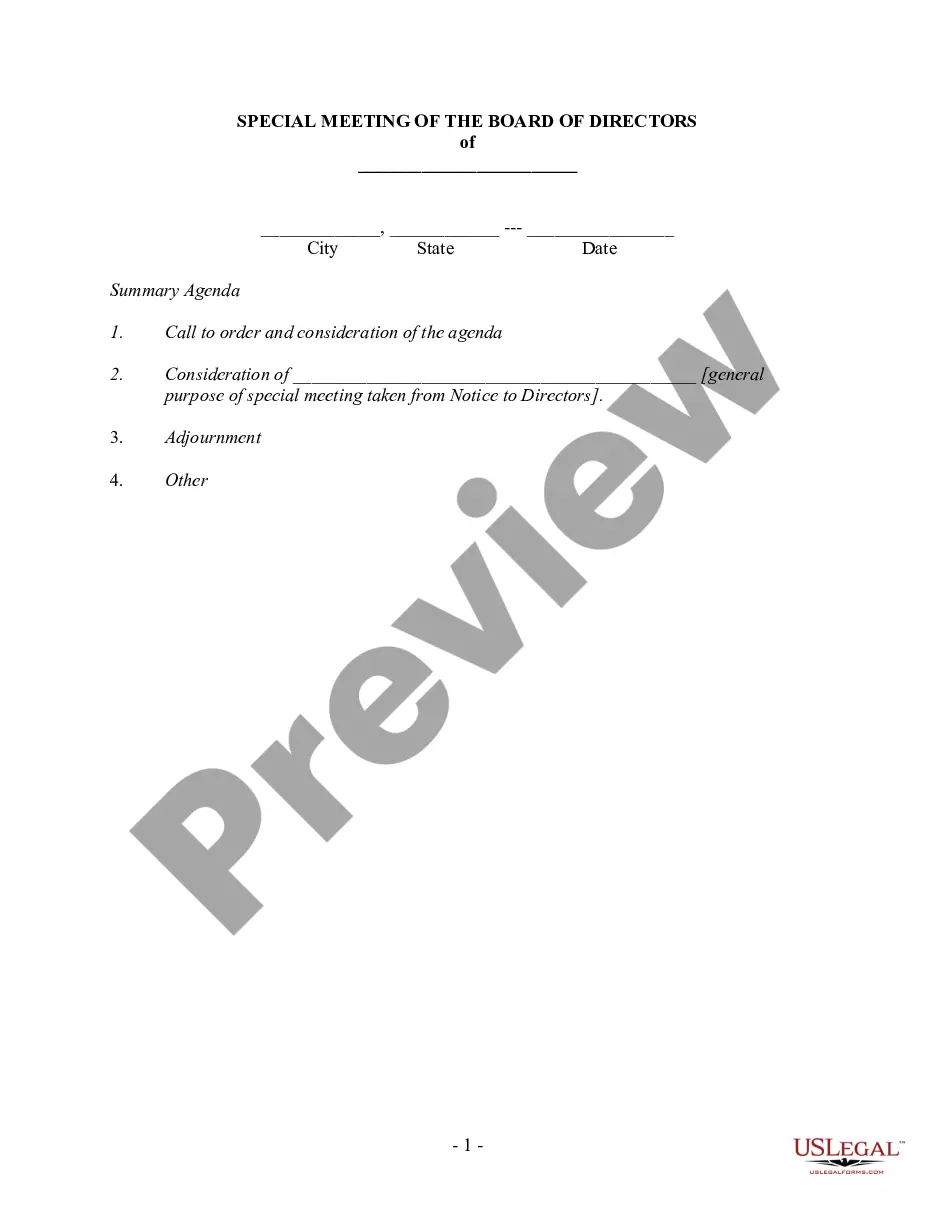
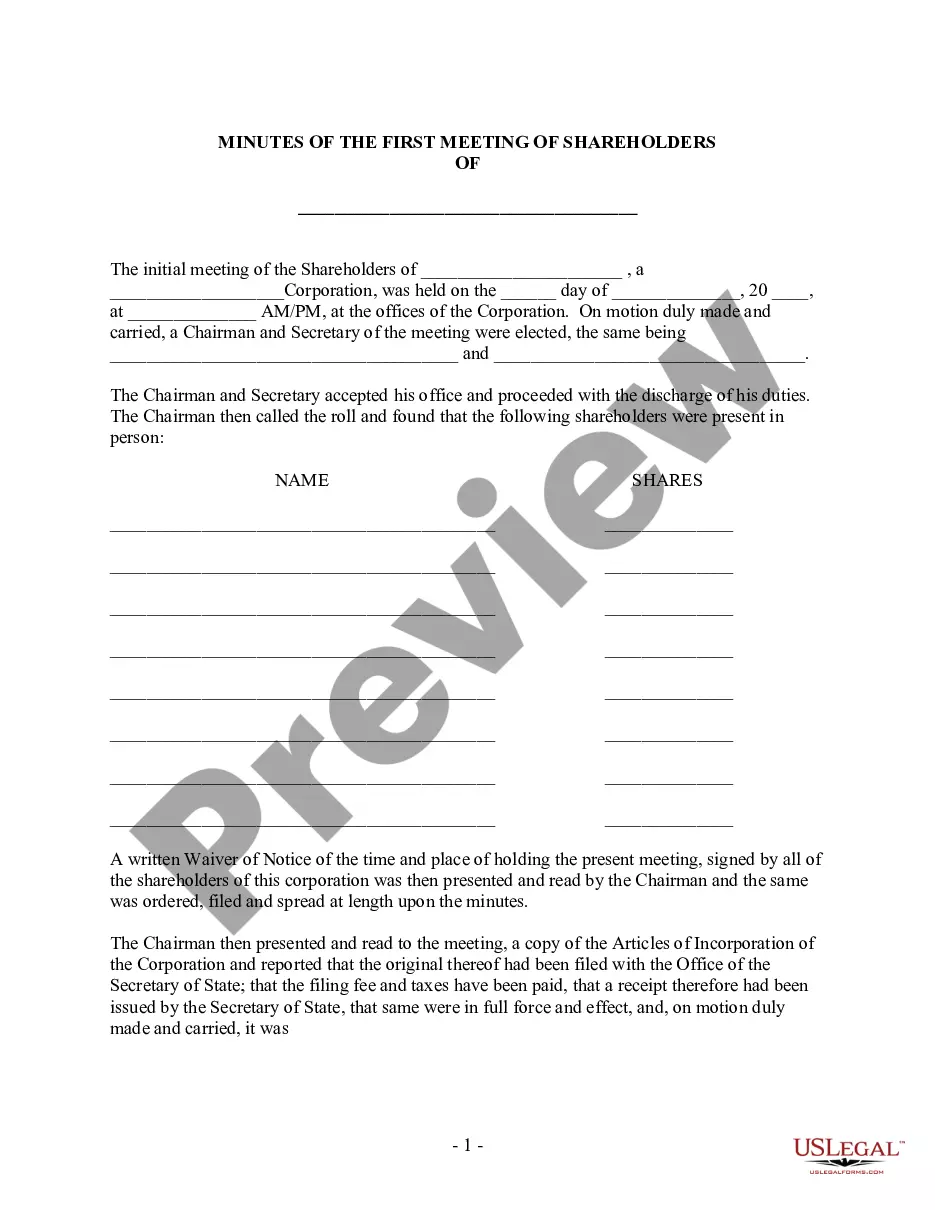
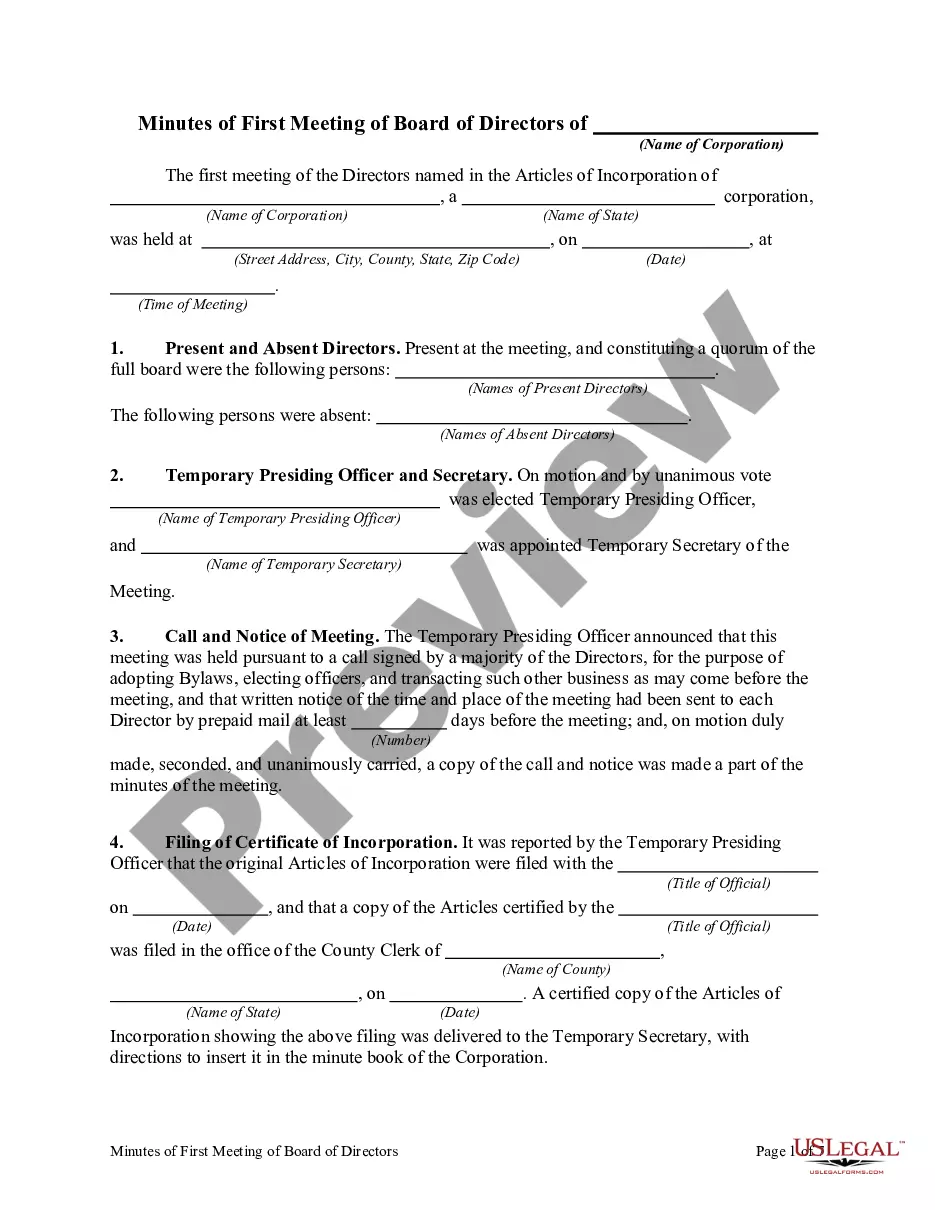
Corporate meeting minutes typically include: The meeting's date, time and location. A list of attendees and absentees, including any present board members or officers. Agenda items. Summaries of all discussion points. Details of all activities completed or agreed upon. Results of any votes or motions.
Minutes should be typed up and circulated within a week (maximum) of the meeting. Circulate a copy of the minutes by post or email to all those present, those who sent apologies and anyone who needs to receive a copy for information.
Florida House Bill 1203 introduces substantial reforms aimed at increasing transparency and accountability within HOAs. This bill mandates the online posting of governing documents, including covenants, restrictions, and financial records, ensuring that you, as a homeowner, have easy access to critical information.
The answer is simple and clear – as soon as possible after the meeting. The trend in business meetings is for minutes to be available within literally minutes of the meeting or, if not, hours. Same day is the general rule.
Do Meeting Minutes Have to Be Approved? Until the meeting minutes are approved, they are not considered an official record of the meeting. Approval is a critical step that cannot be missed. The corporate secretary's approved version of the minutes is considered to be the official record.
Meeting minutes should be distributed promptly after the meeting, ideally within 24 to 48 hours. Timely distribution ensures that participants have a fresh understanding of discussions, decisions, and action items.
Meeting “minutes” are the official written records of company meetings, including topics discussed and decisions made. Corporate meeting minutes typically include: The meeting's date, time and location. A list of attendees and absentees, including any present board members or officers.
What makes board minutes legally binding? Accurate content: Minutes must reflect the facts of the meeting without including personal opinions or verbatim debates. Approval: The chairman or designated authority must review and approve the minutes for them to become an official and legal record.