Board Meeting Corporate For Bonus Issue In Cook
Description

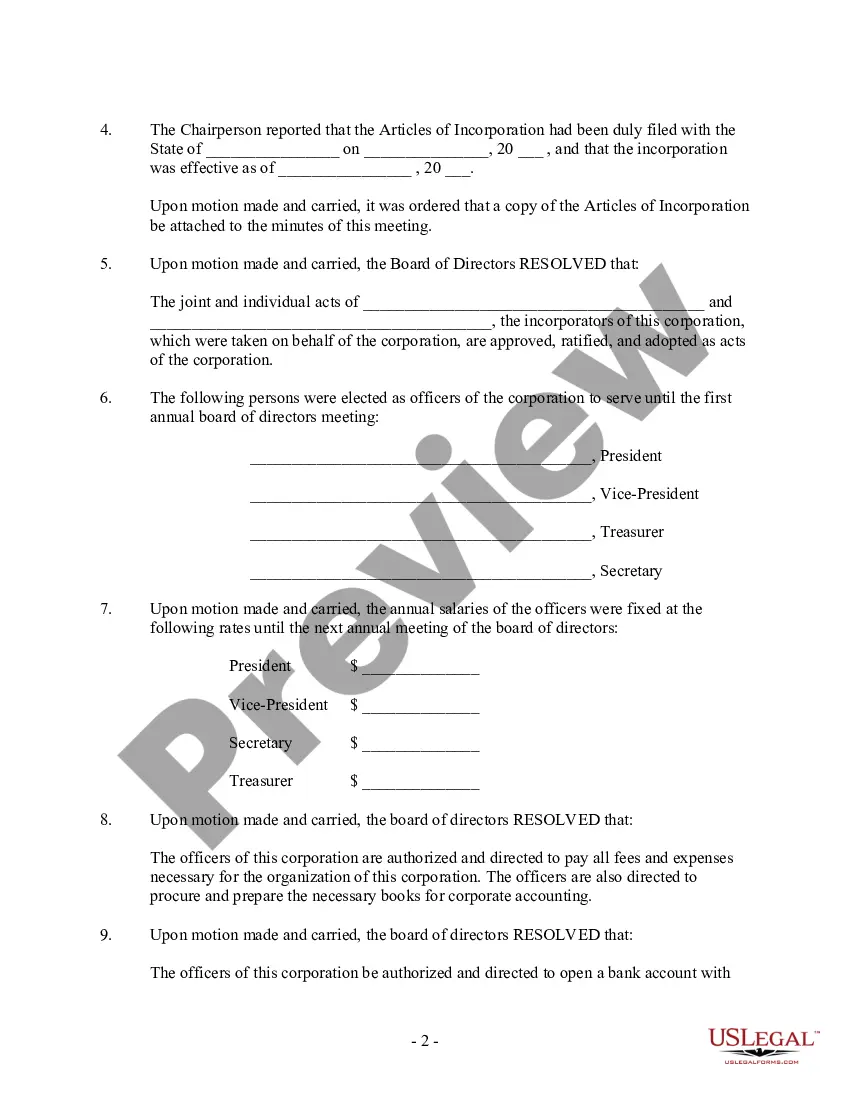
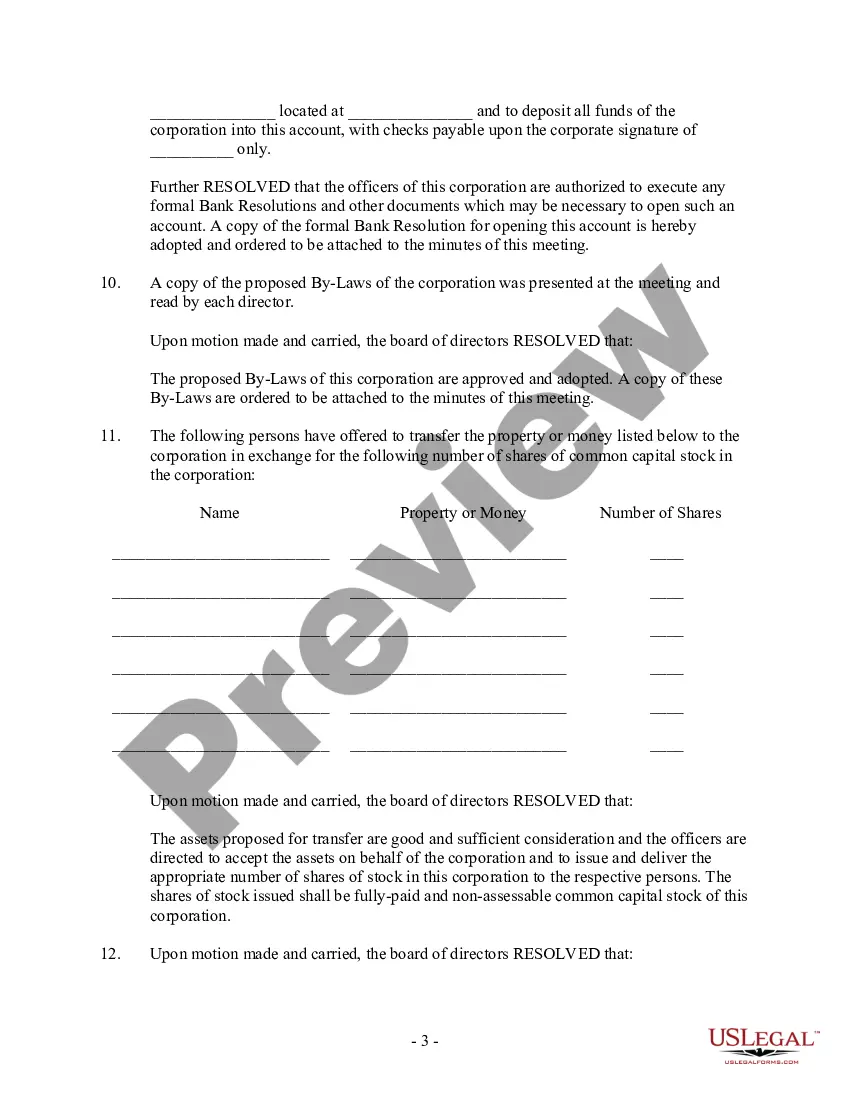
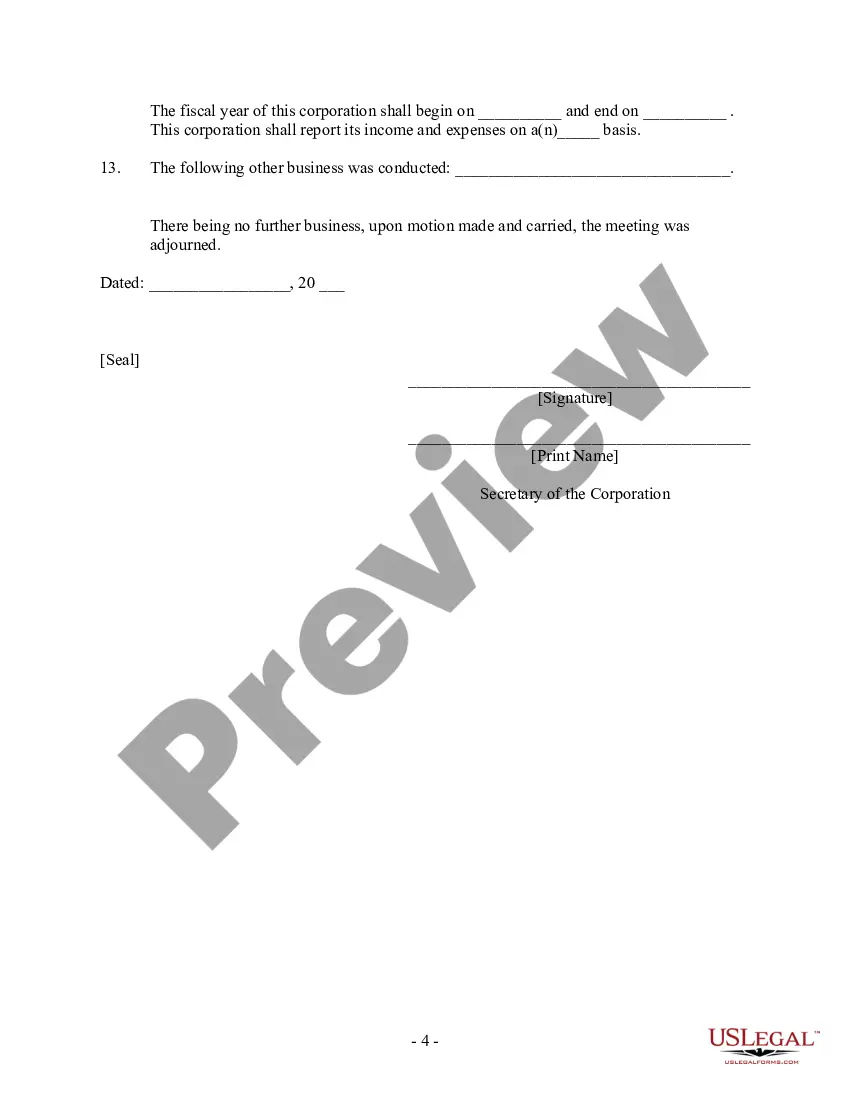

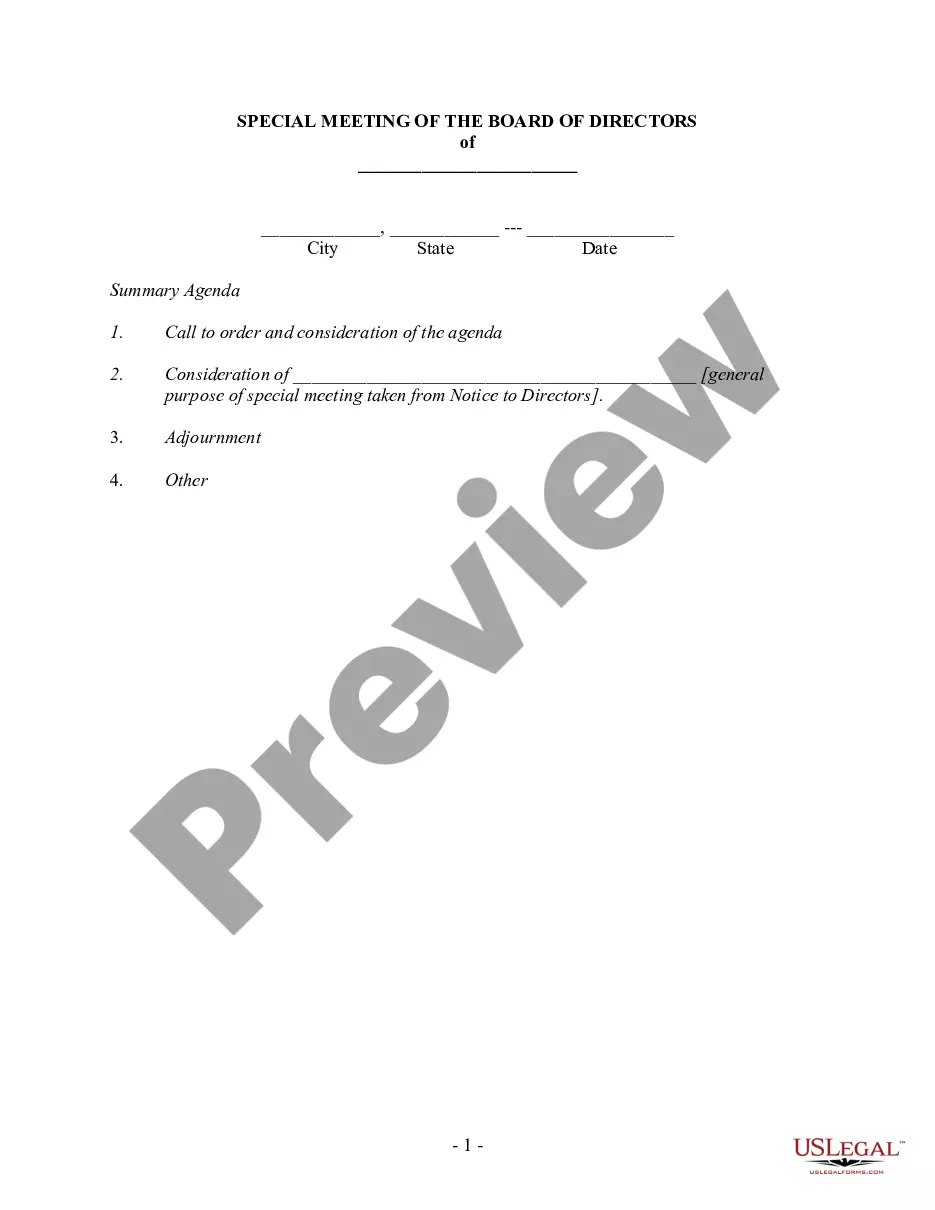
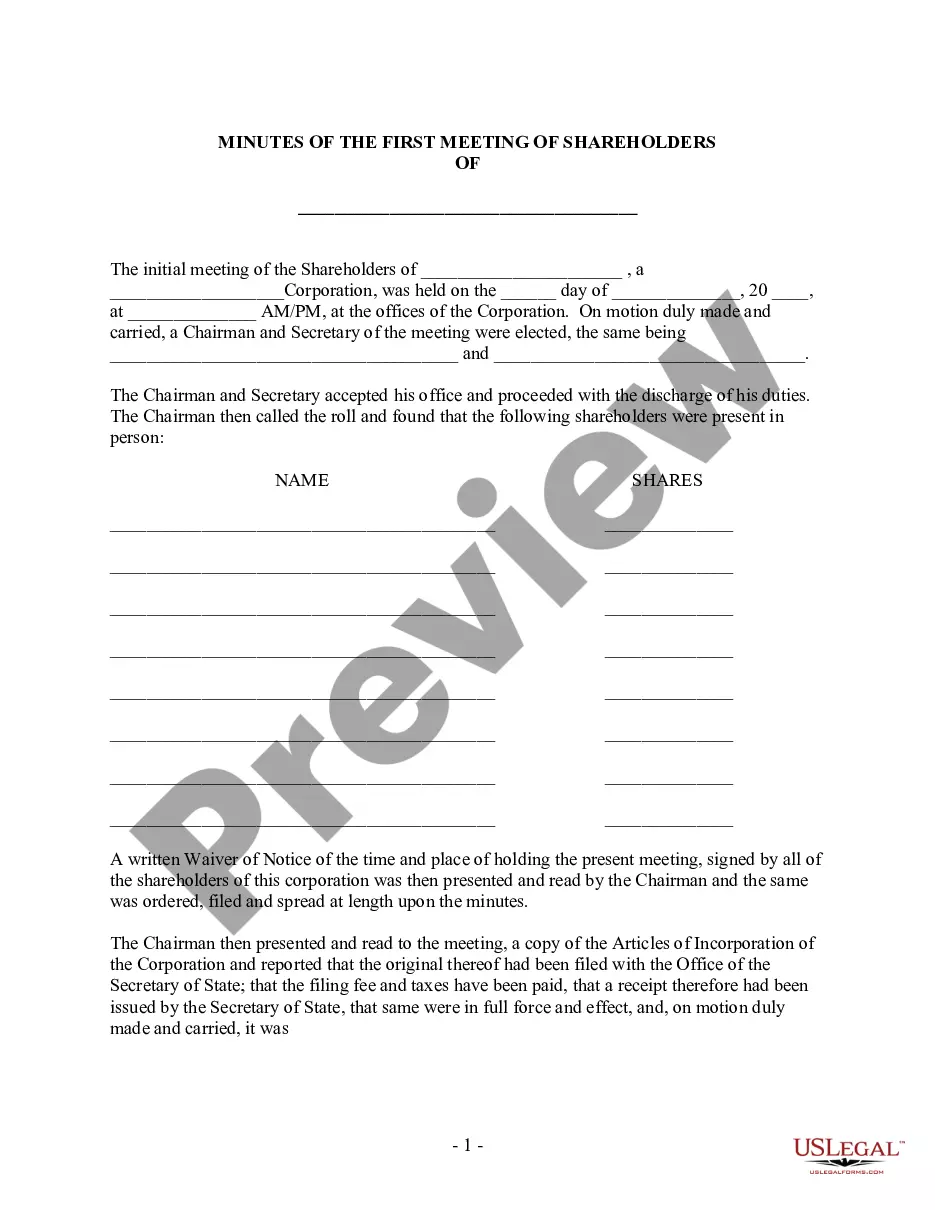
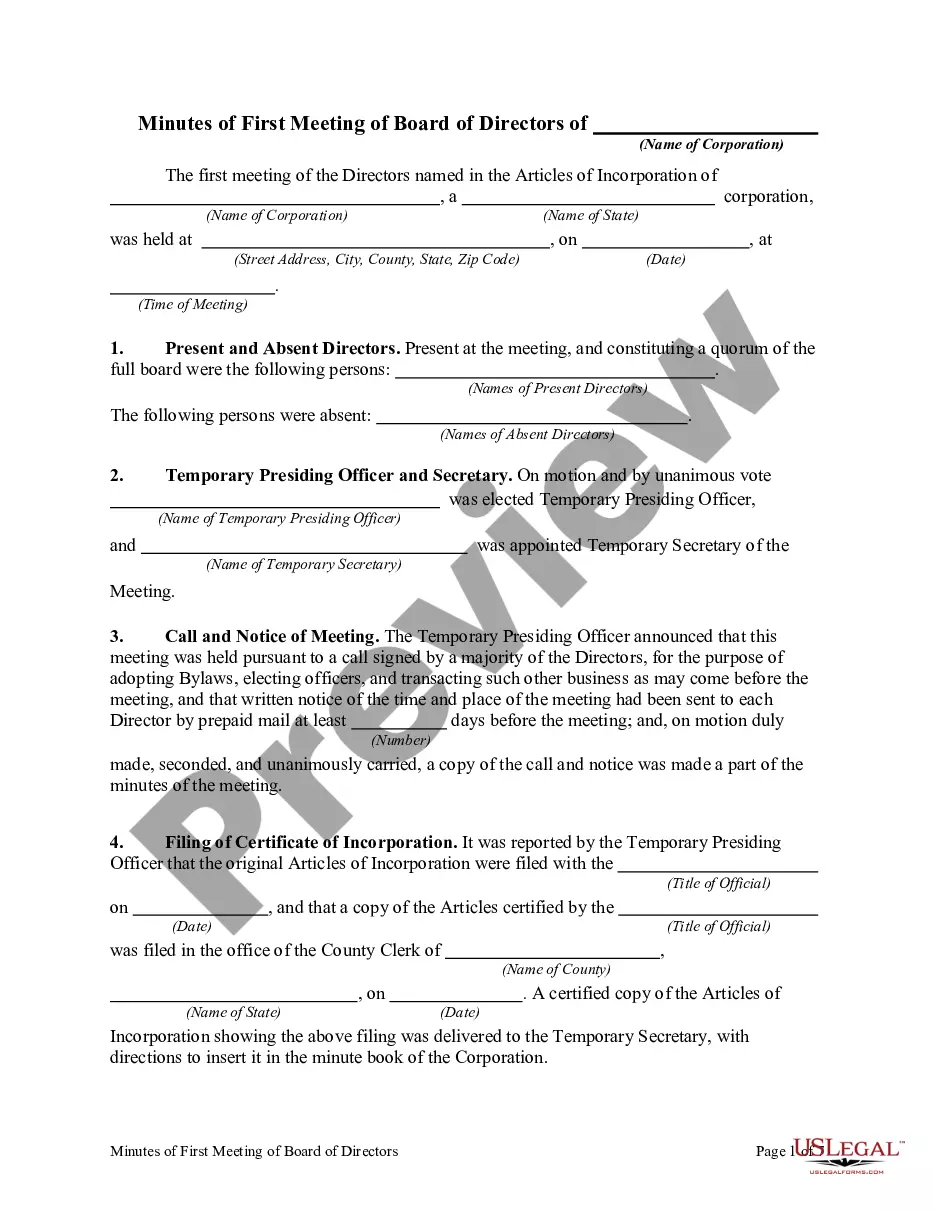
Get your form ready online
Our built-in tools help you complete, sign, share, and store your documents in one place.
Make edits, fill in missing information, and update formatting in US Legal Forms—just like you would in MS Word.
Download a copy, print it, send it by email, or mail it via USPS—whatever works best for your next step.
Sign and collect signatures with our SignNow integration. Send to multiple recipients, set reminders, and more. Go Premium to unlock E-Sign.
If this form requires notarization, complete it online through a secure video call—no need to meet a notary in person or wait for an appointment.
We protect your documents and personal data by following strict security and privacy standards.

Make edits, fill in missing information, and update formatting in US Legal Forms—just like you would in MS Word.

Download a copy, print it, send it by email, or mail it via USPS—whatever works best for your next step.

Sign and collect signatures with our SignNow integration. Send to multiple recipients, set reminders, and more. Go Premium to unlock E-Sign.

If this form requires notarization, complete it online through a secure video call—no need to meet a notary in person or wait for an appointment.

We protect your documents and personal data by following strict security and privacy standards.
Looking for another form?


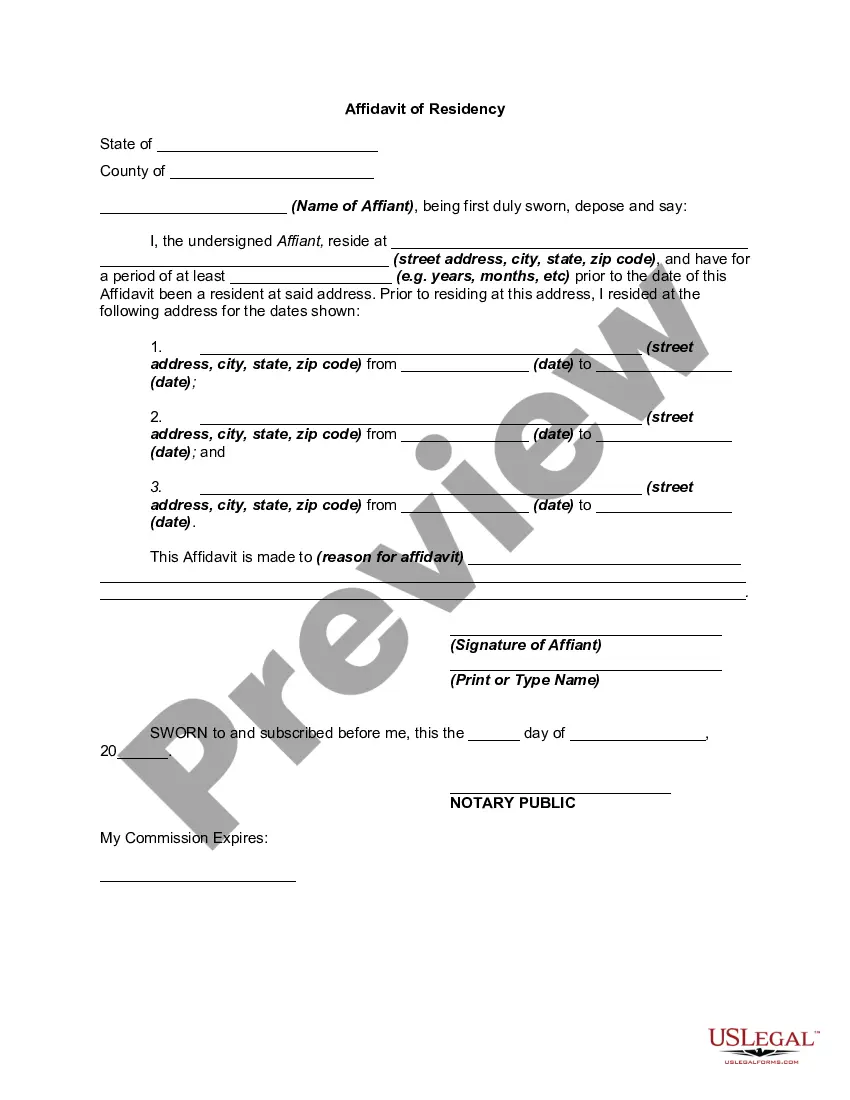



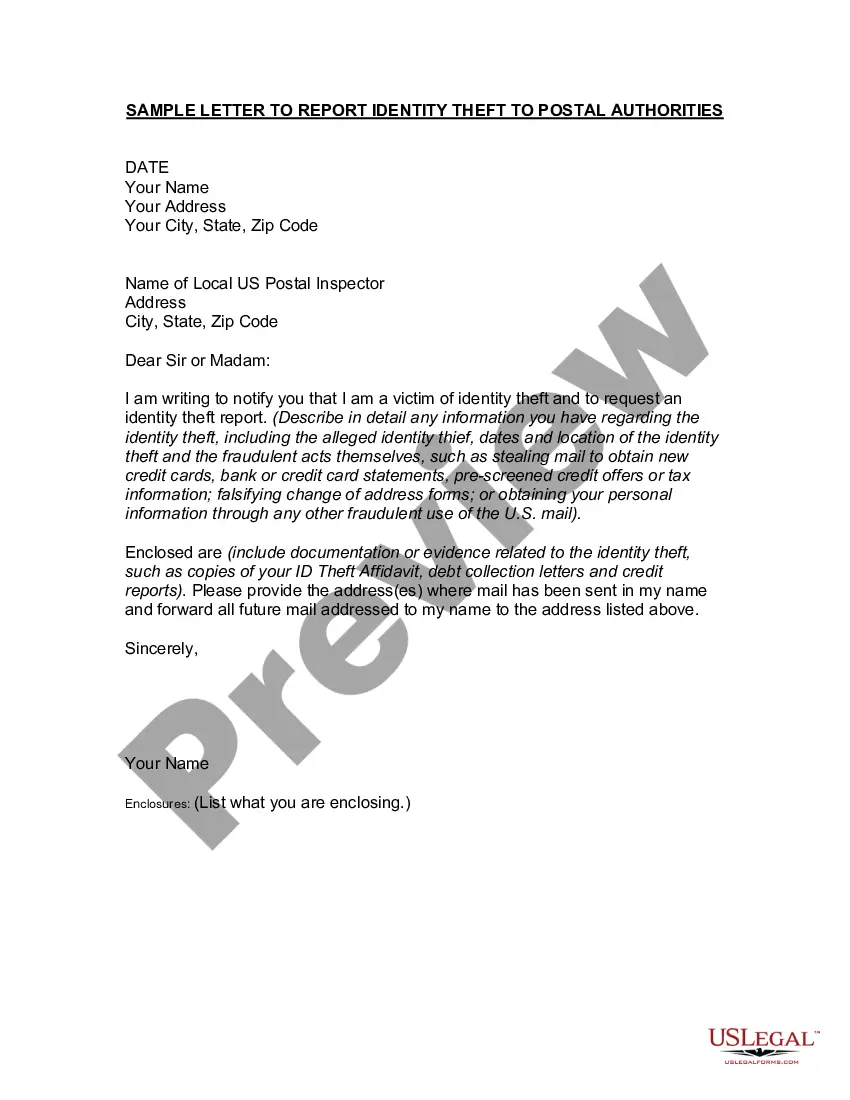
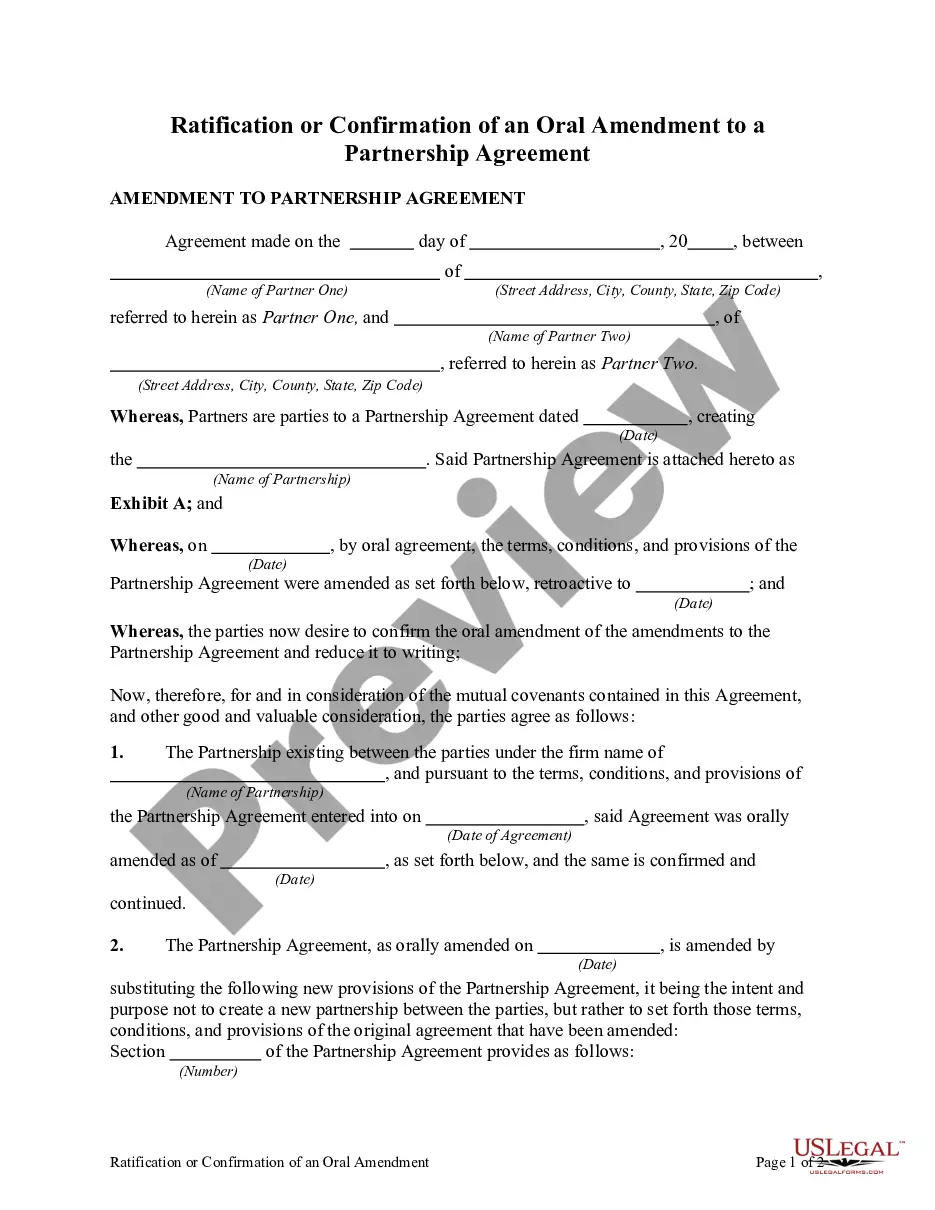
Form popularity
FAQ
Typically, meeting minutes should be distributed within a few days after the meeting. The method by which meeting minutes are shared depends on your company's procedures. Typically, one or more of the following document-sharing methods is used: Sending a physical copy of the meeting minutes in the mail.
What Should Be Included in Meeting Minutes? Date and time of the meeting. Names of the meeting participants and those unable to attend (e.g., “regrets”) Acceptance or corrections/amendments to previous meeting minutes. Decisions made about each agenda item, for example: Actions taken or agreed to be taken. Next steps.
Corporate meeting minutes typically include: The meeting's date, time and location. A list of attendees and absentees, including any present board members or officers. Agenda items. Summaries of all discussion points. Details of all activities completed or agreed upon. Results of any votes or motions.
The style and content of meeting minutes will vary depending on the organization and how it's structured. Regardless, you should always include the basics, like date, time, and participants. But many organizations will also benefit from having other, optional items like supplementary documents and action items.
If the minutes contain action then they MUST be distributed within a few days of the meeting so that the action can begin. Some minute takers keep a separate document listing the action and this is a good practice.
Bowie recommends that the minutes of the previous meeting be distributed electronically, or by mail, as soon after the meeting as possible so that members have plenty of time to review and make corrections if necessary.
The answer to this question depends on the corporate statutes of the state in which the corporation resides. In some states, the corporate secretary or another authorized officer of the corporation must sign corporate minutes. In other states, corporate minutes do not need to be signed.
This document needs to be signed by: or another person who is authorized to take minutes and/or record official corporate action. There is no requirement that the signature be witnessed or notarized.
Procedure of issue of Bonus issue: for taking necessary steps in that regard to convening the General Meeting, to pass an Ordinary or Special Resolution, if articles so require. Issue notices of General Meetings with Explanatory Statement. Hold the General Meetings and pass the resolution. File requisite Form with ROC.
Hold a Board Meeting or Committee Meeting, as authorized, to allot the Bonus Shares to eligible members. File requisite Form for allotment of Bonus Shares. Issue the share certificates and make necessary entries in various registers. Report to RBI, if there are any NR / NRI shareholders.
