Companies Board Meeting Rules In Chicago
Description

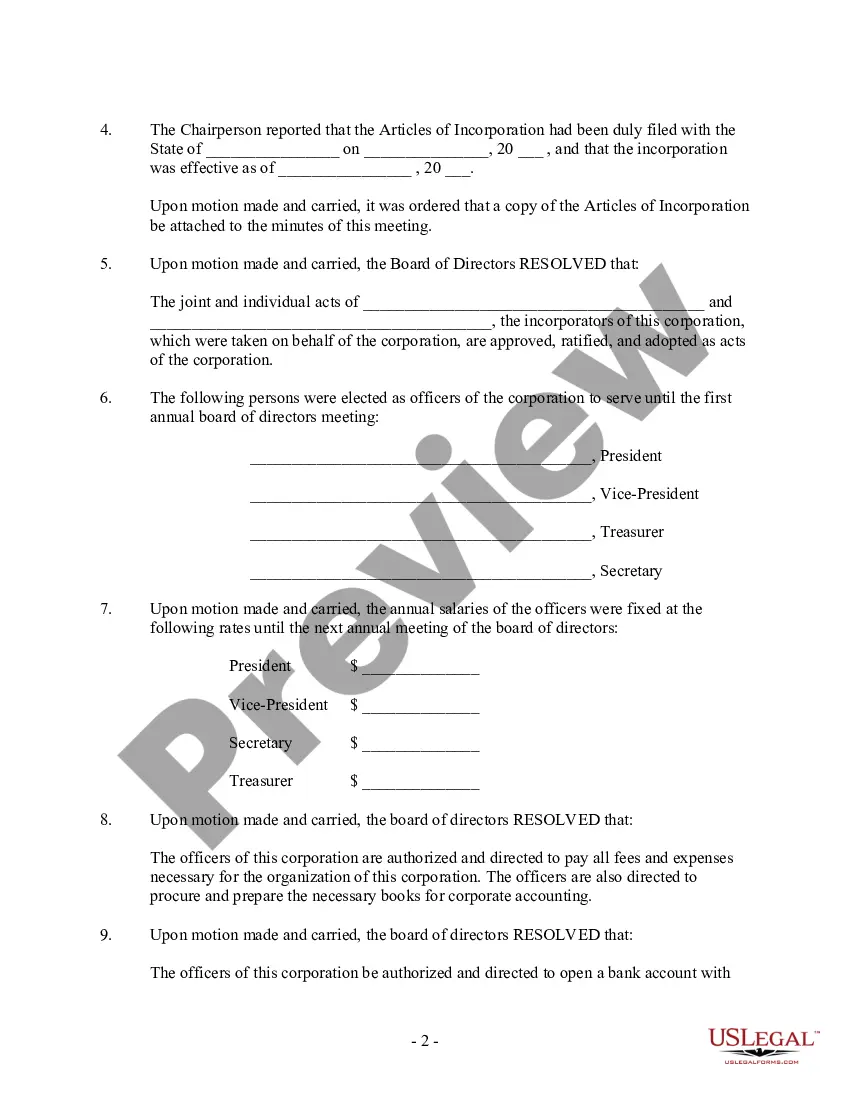
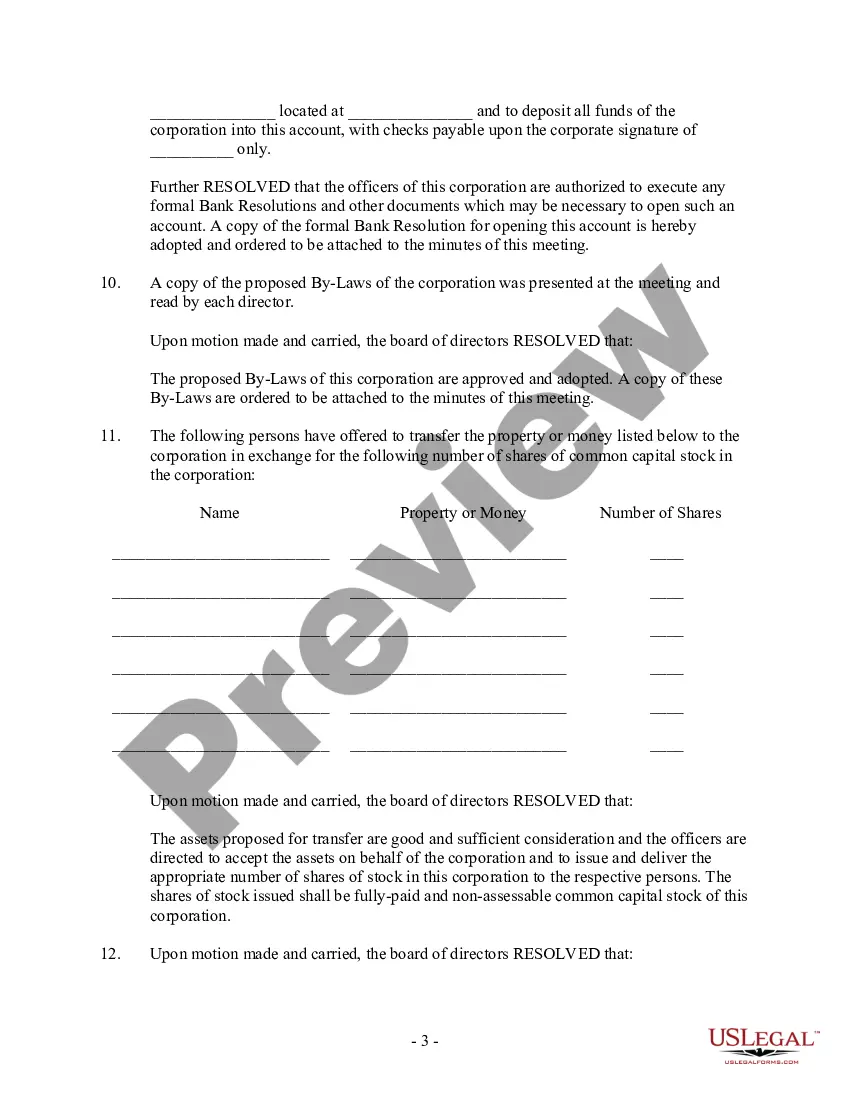
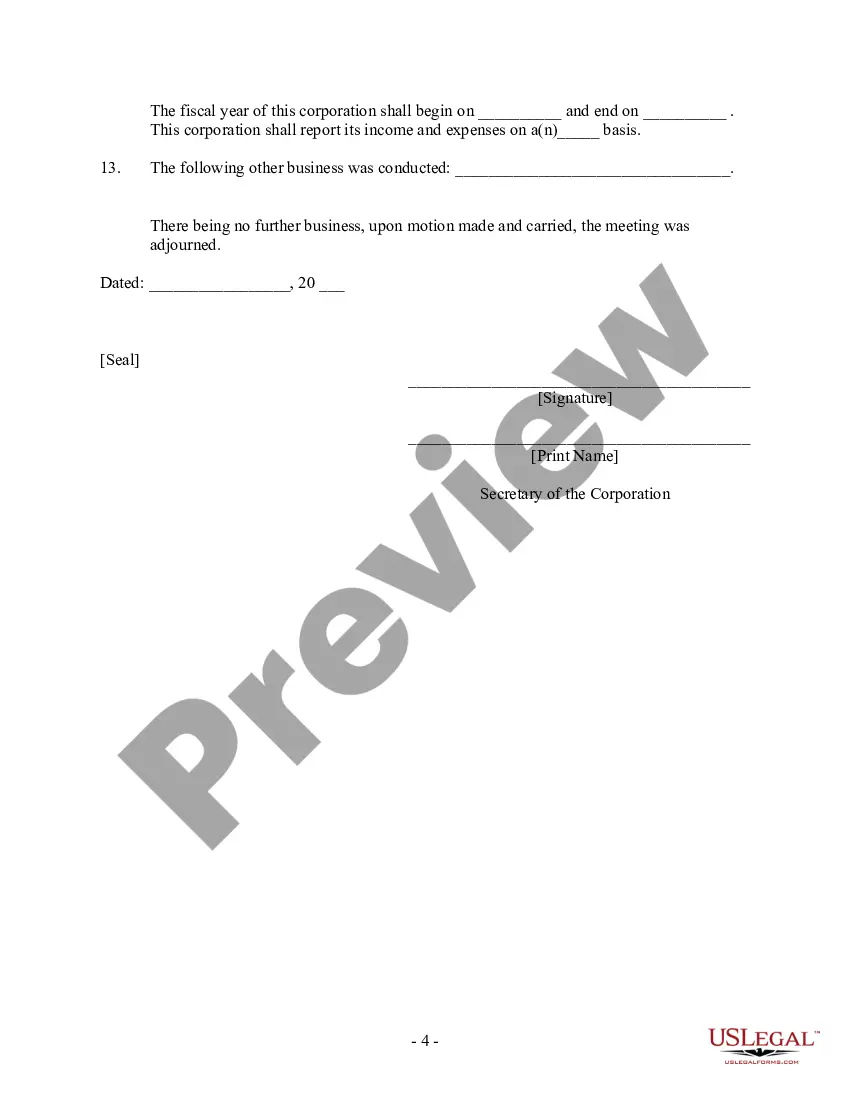

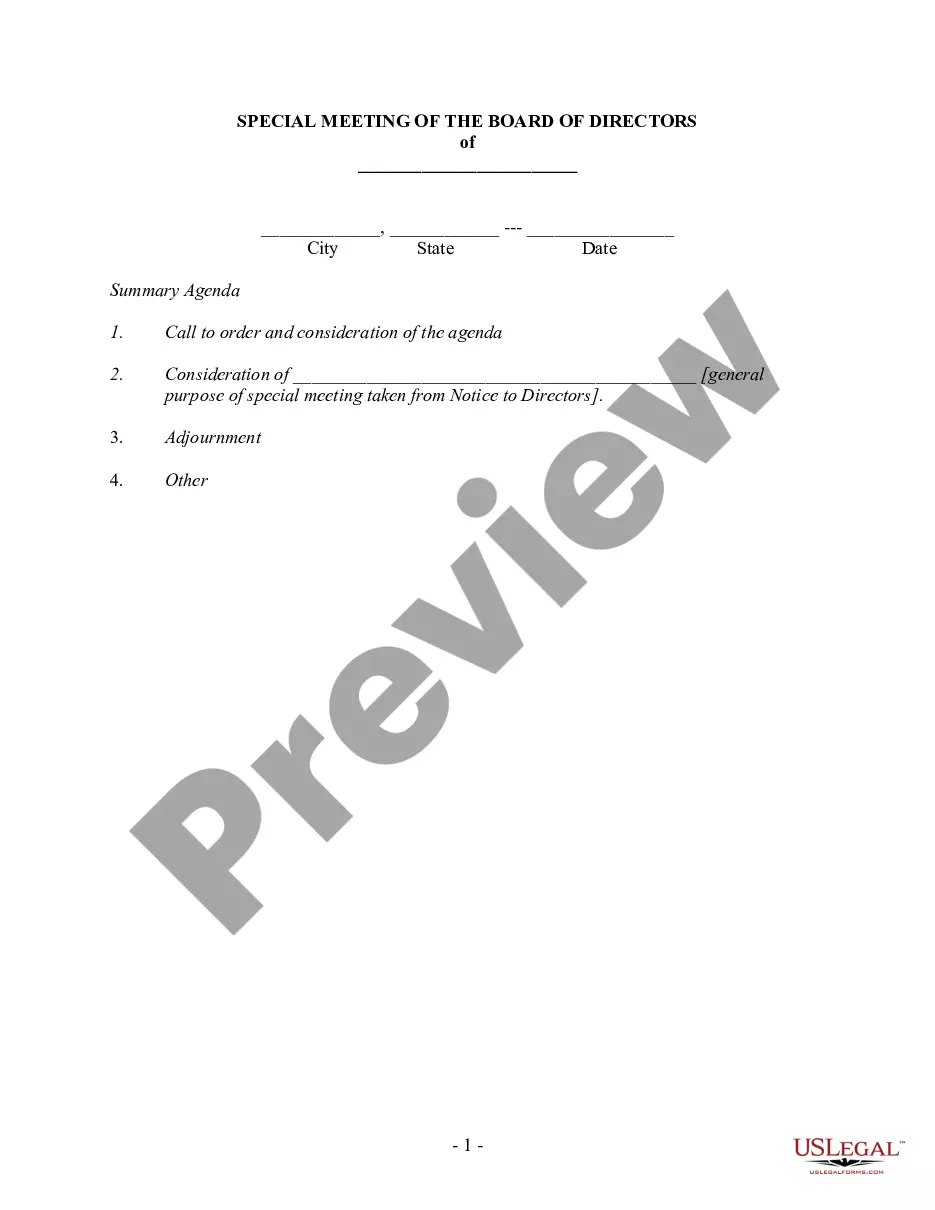
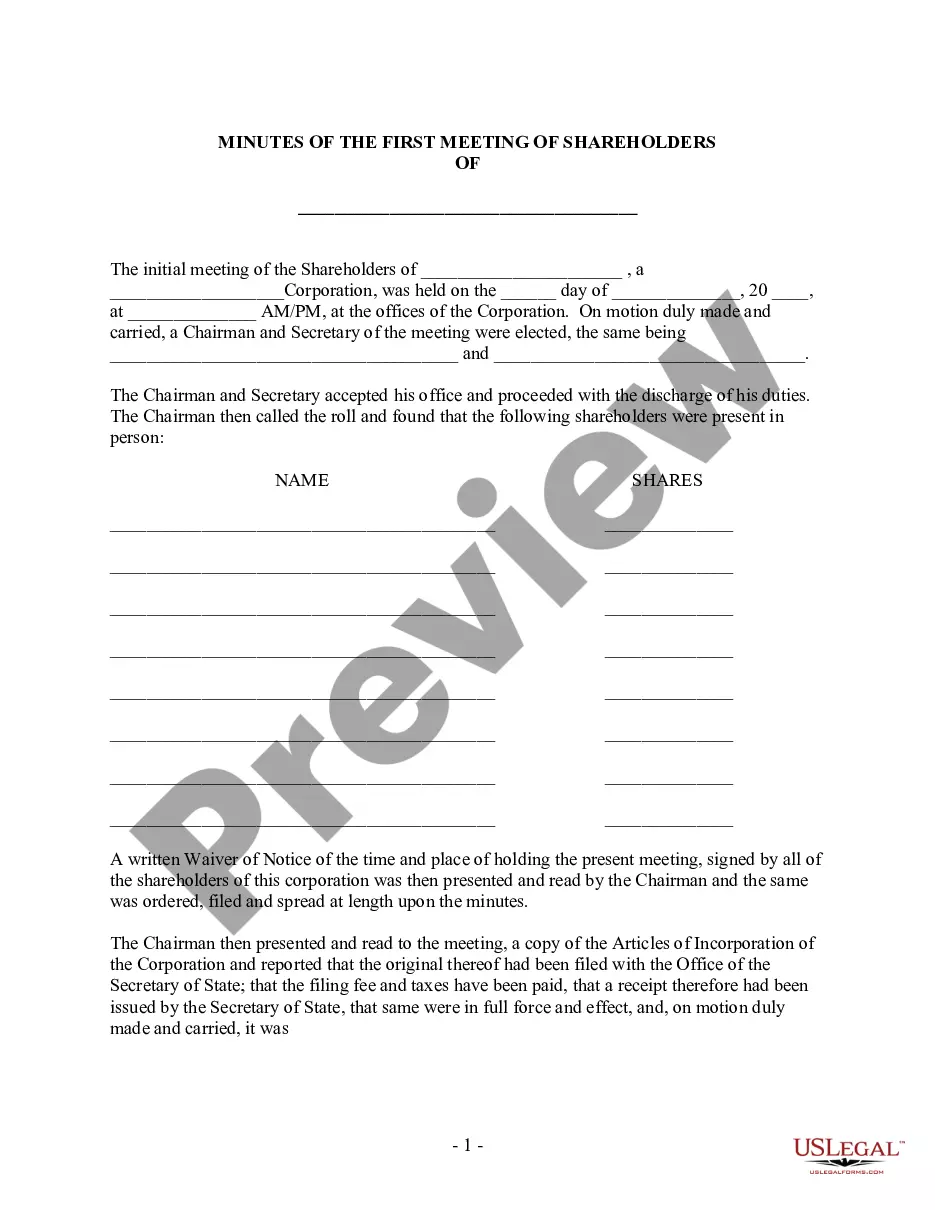
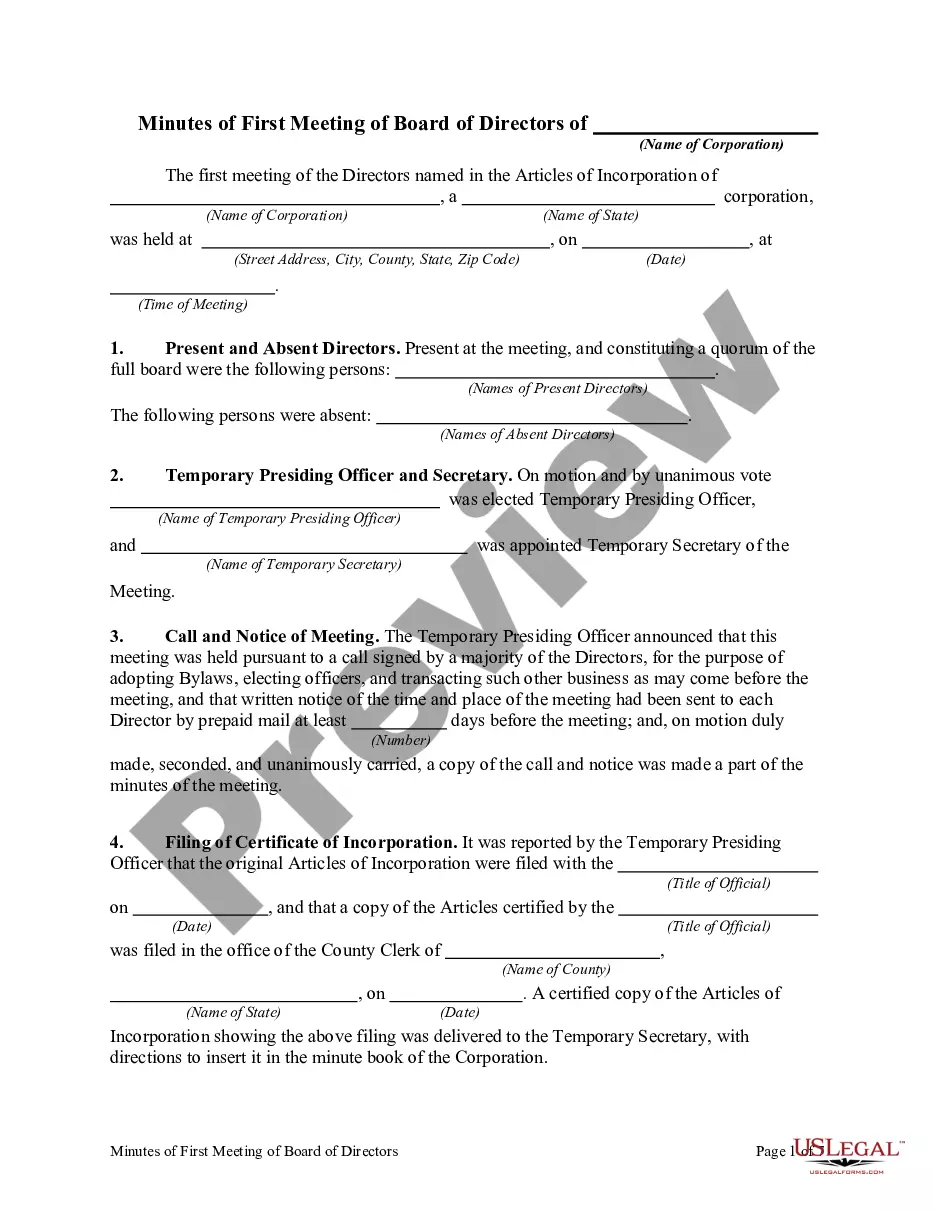
Get your form ready online
Our built-in tools help you complete, sign, share, and store your documents in one place.
Make edits, fill in missing information, and update formatting in US Legal Forms—just like you would in MS Word.
Download a copy, print it, send it by email, or mail it via USPS—whatever works best for your next step.
Sign and collect signatures with our SignNow integration. Send to multiple recipients, set reminders, and more. Go Premium to unlock E-Sign.
If this form requires notarization, complete it online through a secure video call—no need to meet a notary in person or wait for an appointment.
We protect your documents and personal data by following strict security and privacy standards.

Make edits, fill in missing information, and update formatting in US Legal Forms—just like you would in MS Word.

Download a copy, print it, send it by email, or mail it via USPS—whatever works best for your next step.

Sign and collect signatures with our SignNow integration. Send to multiple recipients, set reminders, and more. Go Premium to unlock E-Sign.

If this form requires notarization, complete it online through a secure video call—no need to meet a notary in person or wait for an appointment.

We protect your documents and personal data by following strict security and privacy standards.
Looking for another form?
Form popularity
FAQ
An informal meeting has a looser agenda and fewer protocols. In general, formal meetings tend to focus on one or a few key speakers, with attendees playing a more passive role. Informal meetings are often more collaborative discussions, with everyone taking a turn in the spotlight.
Board Meeting Etiquette Tips Good timekeeping is essential for the meeting to run as it should. Do not use electronic devices for any other purpose than for referencing meeting items. Refrain from interrupting other members as they speak. Do not try and chat with other members secretly.
In California, executive sessions are closed-door talks that only board members, and certain other people can attend. The Davis-Stirling Act clearly says what can be discussed in private meetings. Most states require that board meetings be open to group members, so they can come and listen to the talks.
Robert's Rules of Order is the standard set of rules to run orderly meetings. The rules help provide the most fairness to all meeting attendees. They were first published in 1876 by Henry M. Robert.
A quorum must be present for business to be conducted • All members have equal rights, privileges and obligations • No person should speak until recognized by the chair • Personal remarks or side discussions during debate are out of order • Only one question at a time may be considered, and only one person may have the ...
To bring order to the boardroom, many organizations follow a meeting framework known as Robert's Rules of Order. The guidelines outline procedures for motions, voting, debate, amendments, and resolutions, ensuring decisions are made with order, fairness, and transparency.
Failure to Follow Open Meeting Laws: Open meeting laws mandate that meetings be accessible to the public or community members. Violating these laws, such as by conducting business in secret or excluding members from discussions that should be open, constitutes an illegal meeting.
Many board members participate in informal meetings, unknowingly or otherwise. Social gatherings are particularly common events where informal meetings happen. Because informal or “working” meetings are not always permitted by law or by the governing documents, participating in them can be a slippery slope.
Example of Handling a Main Motion: Member rises and addresses the chair: Madam (Mister) President. Chair recognizes member (by title or name). Member makes the motion. I move that… Another member seconds the motion (without recognition).
Annual Meeting Attendance of 20% of the voting power constitutes a quorum. Notice of association meetings must be given at least 10 days before a meeting but no more than 30 days, and at least 48 hours' notice must be given for meetings of the board of directors.
