Meeting Minutes Corporate Sample For Llc In California
Description
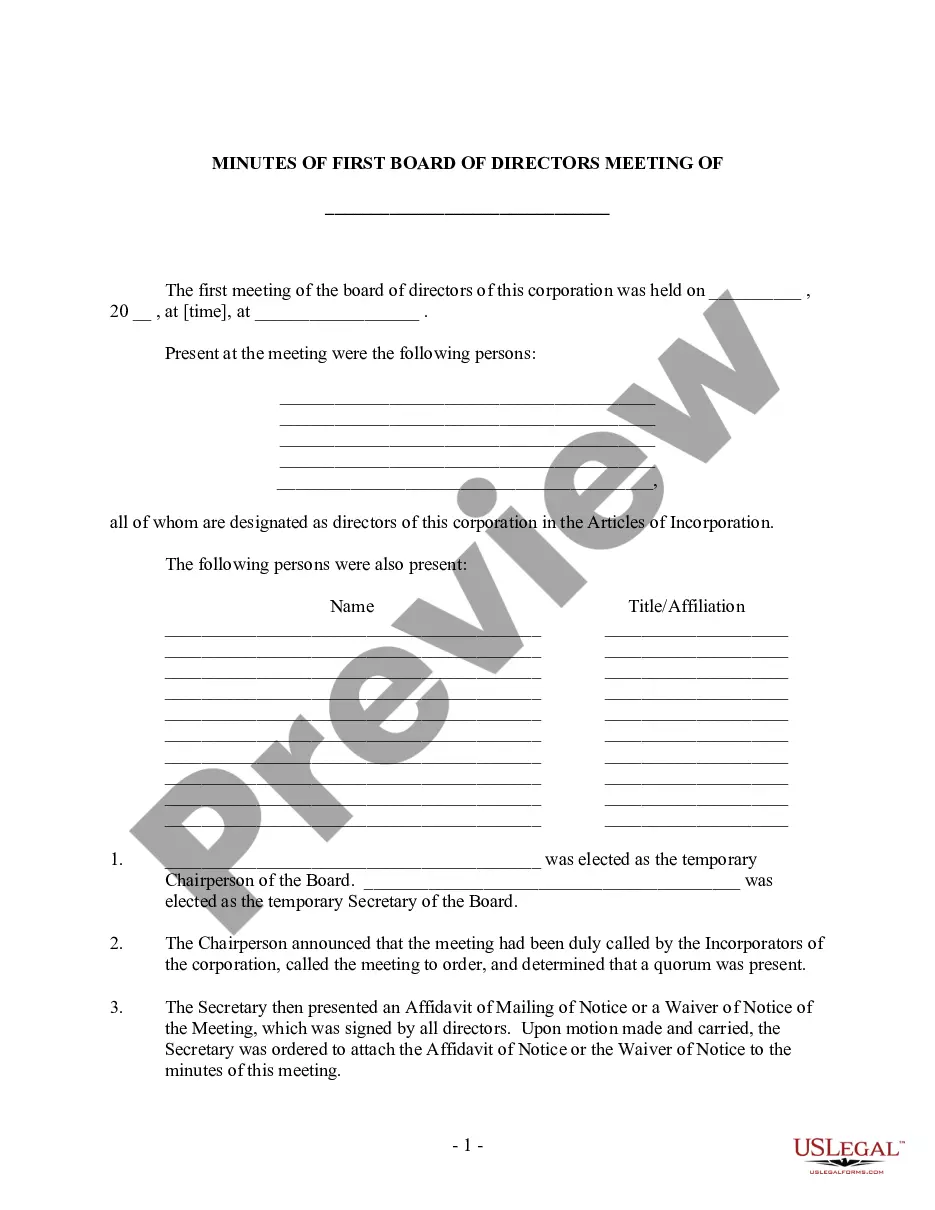
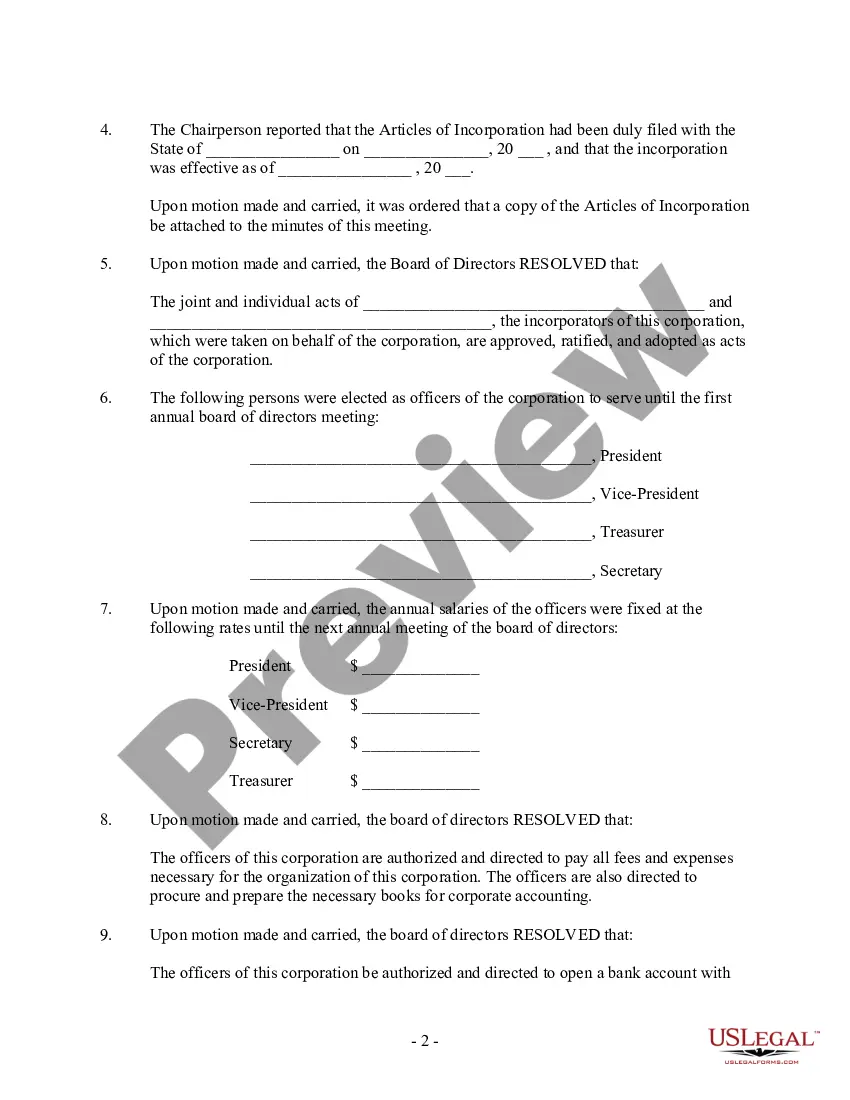
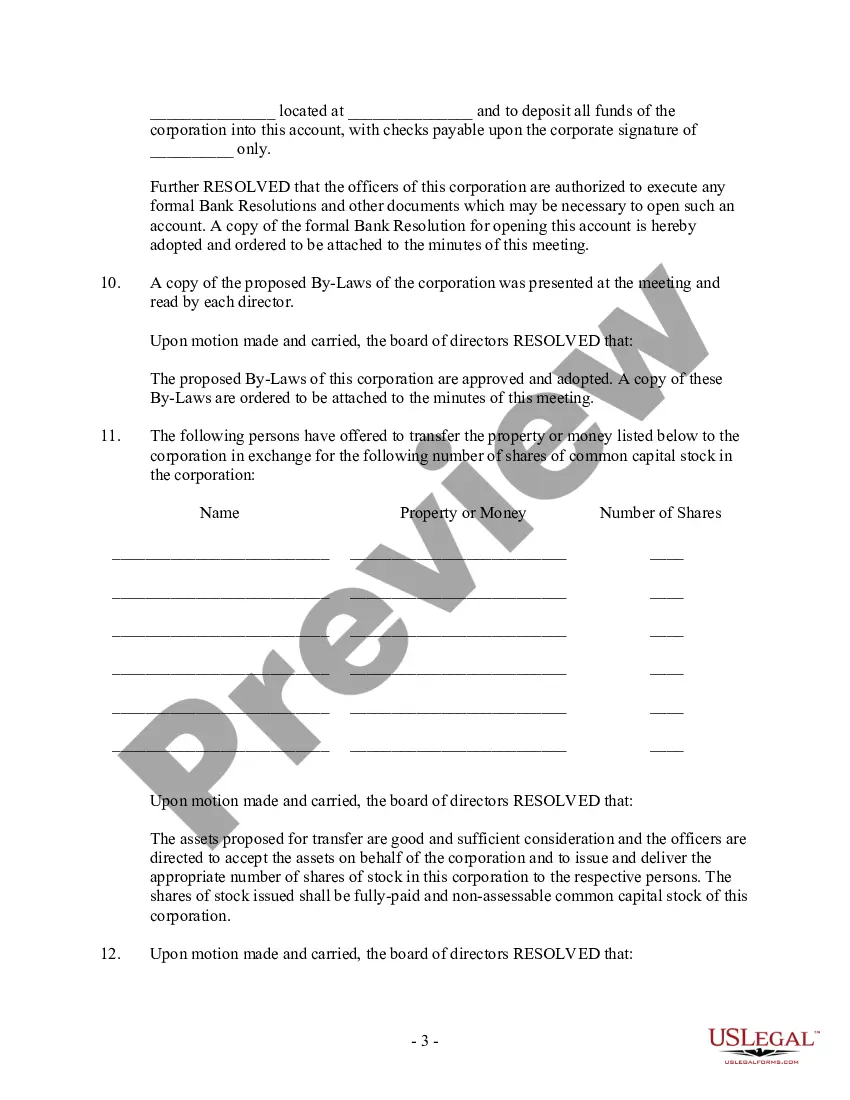
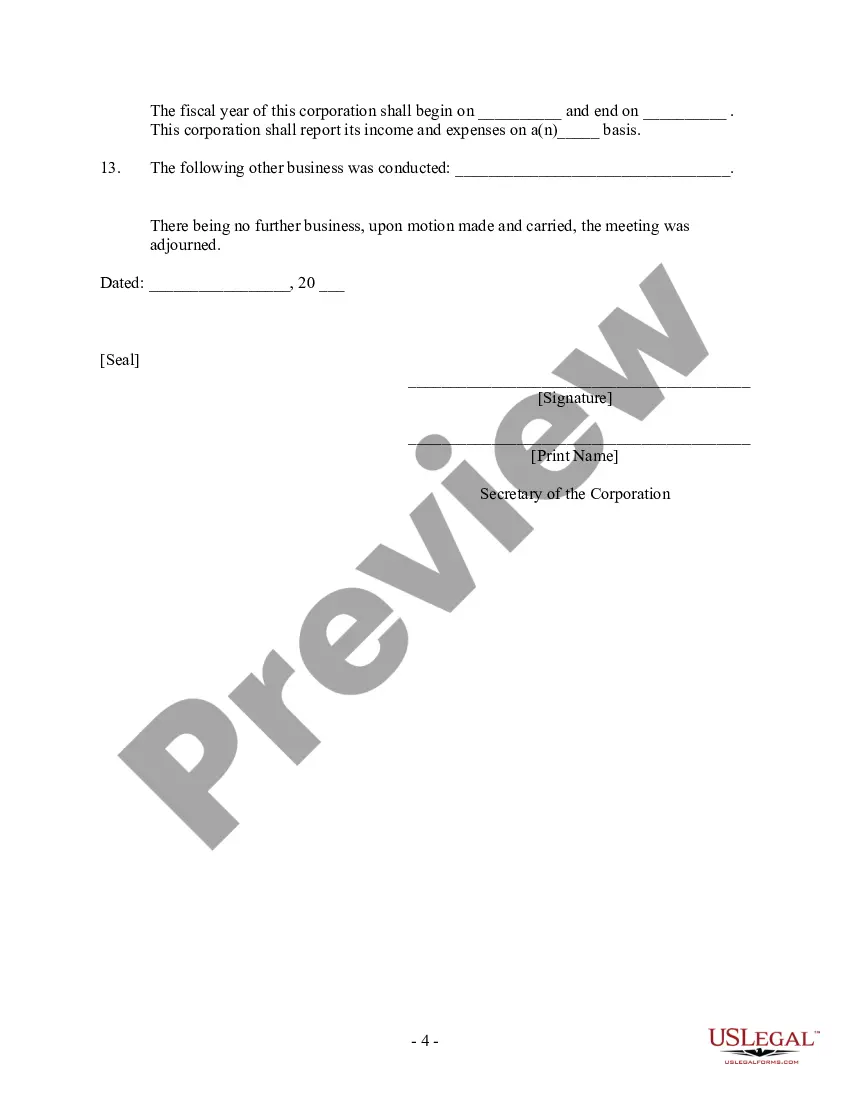
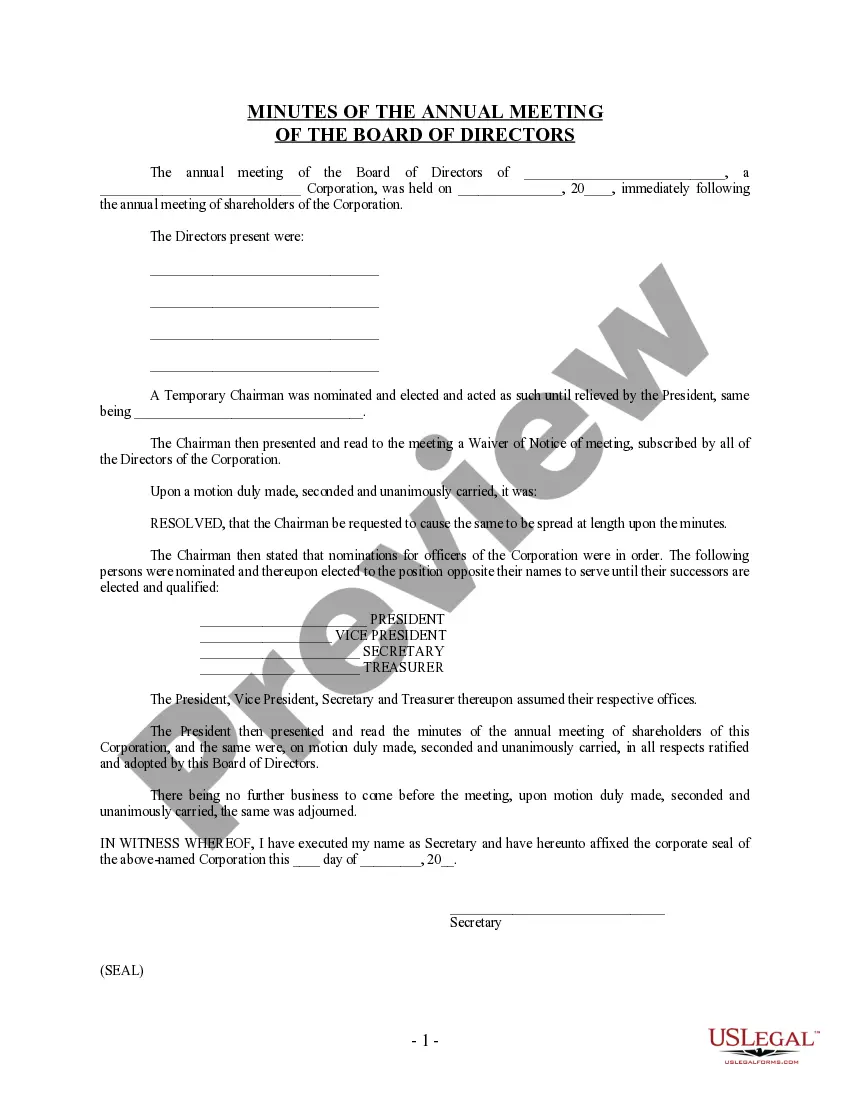
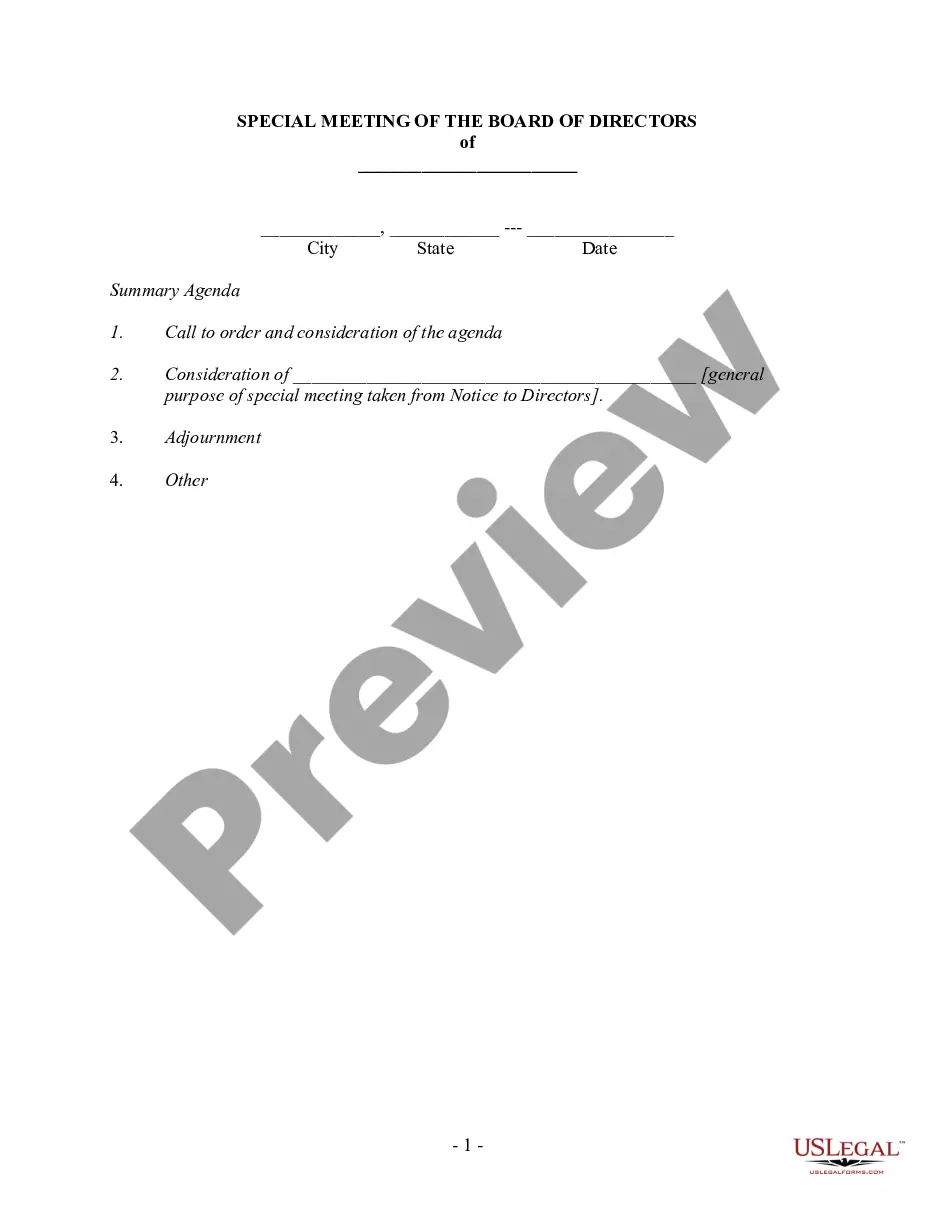
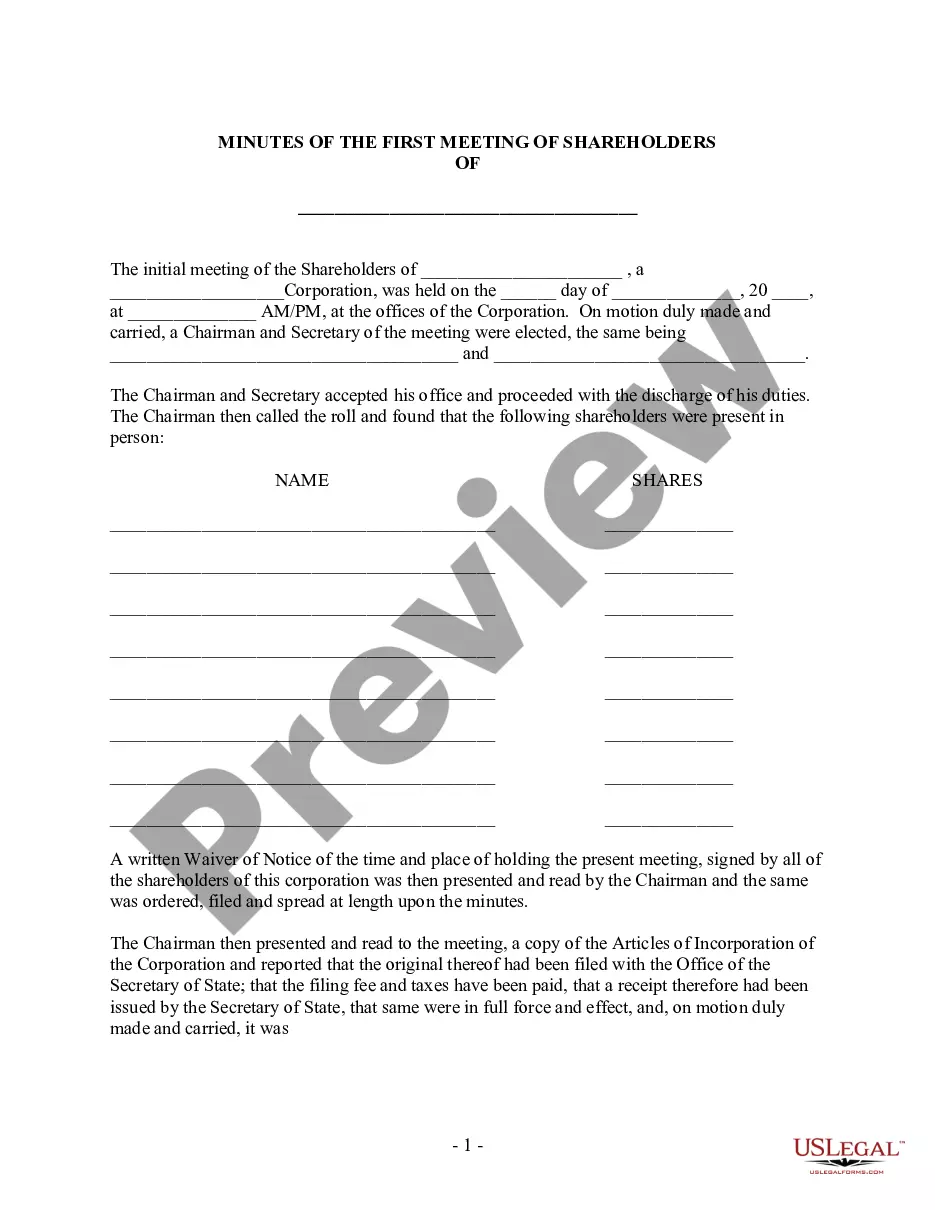
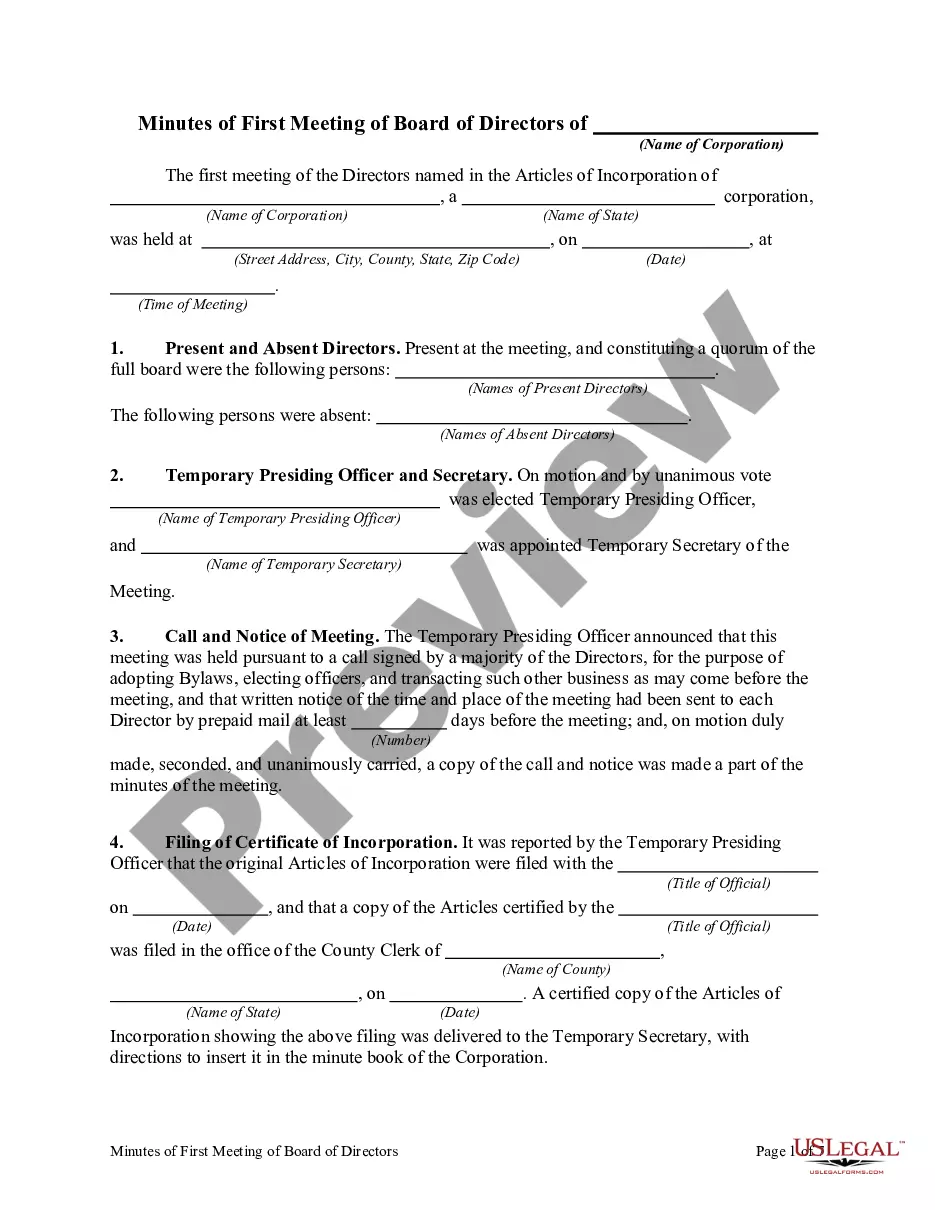
Get your form ready online
Our built-in tools help you complete, sign, share, and store your documents in one place.
Make edits, fill in missing information, and update formatting in US Legal Forms—just like you would in MS Word.
Download a copy, print it, send it by email, or mail it via USPS—whatever works best for your next step.
Sign and collect signatures with our SignNow integration. Send to multiple recipients, set reminders, and more. Go Premium to unlock E-Sign.
If this form requires notarization, complete it online through a secure video call—no need to meet a notary in person or wait for an appointment.
We protect your documents and personal data by following strict security and privacy standards.

Make edits, fill in missing information, and update formatting in US Legal Forms—just like you would in MS Word.

Download a copy, print it, send it by email, or mail it via USPS—whatever works best for your next step.

Sign and collect signatures with our SignNow integration. Send to multiple recipients, set reminders, and more. Go Premium to unlock E-Sign.

If this form requires notarization, complete it online through a secure video call—no need to meet a notary in person or wait for an appointment.

We protect your documents and personal data by following strict security and privacy standards.
Looking for another form?
Form popularity
FAQ
California professional corporations must file an annual Statement of Information, hold annual shareholder and director meetings, document meeting minutes, maintain accurate records, and ensure they comply with all applicable state regulations.
California professional corporations must file an annual Statement of Information, hold annual shareholder and director meetings, document meeting minutes, maintain accurate records, and ensure they comply with all applicable state regulations.
Yes. Your California corporate bylaws are official legal documents, which means you can use them in a court of law to prove your limited liability status or show how your corporation functions. It also means you could face legal consequences if you violate your bylaws.
Other Items of Business: The template includes space to record any additional items of business conducted at the meeting. Signatures: Members sign the meeting minutes. The secretary who recorded the minutes also provides a final signature.
Corporate meeting minutes typically include: The meeting's date, time and location. A list of attendees and absentees, including any present board members or officers. Agenda items. Summaries of all discussion points. Details of all activities completed or agreed upon. Results of any votes or motions.
Information captured in an LLC's annual meeting minutes usually includes: The meeting's date, time, and location. Who wrote the minutes. The names of the members in attendance. Brief description of the meeting agenda. Details about what the members discussed. Decisions made or voting actions taken.
What happens if a minute book is not maintained? If evidence is uncovered that a corporate entity's actions are not documented in historic or active record keeping, the shareholders, members, and management could lose personal liability protection – a situation referred to as “piercing the corporate veil.”
State-level requirements: In most states, minutes are required for all corporate meetings, including board meetings. Corporate boards must know, understand and abide by their state laws regarding meeting minutes. It's part of their fiduciary duties; not knowing the law doesn't excuse them from following it.