Board Minutes For Directors Loan In California
Description
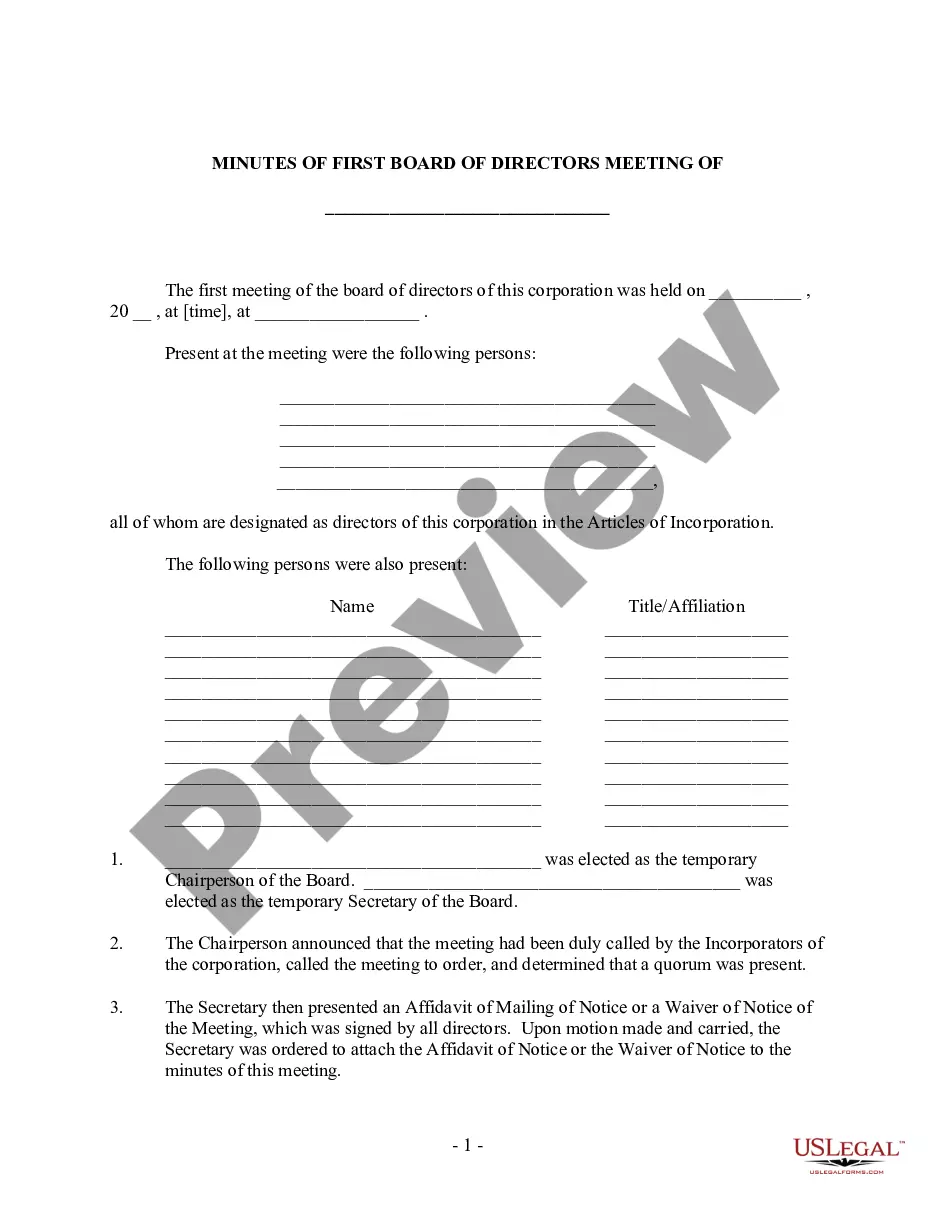
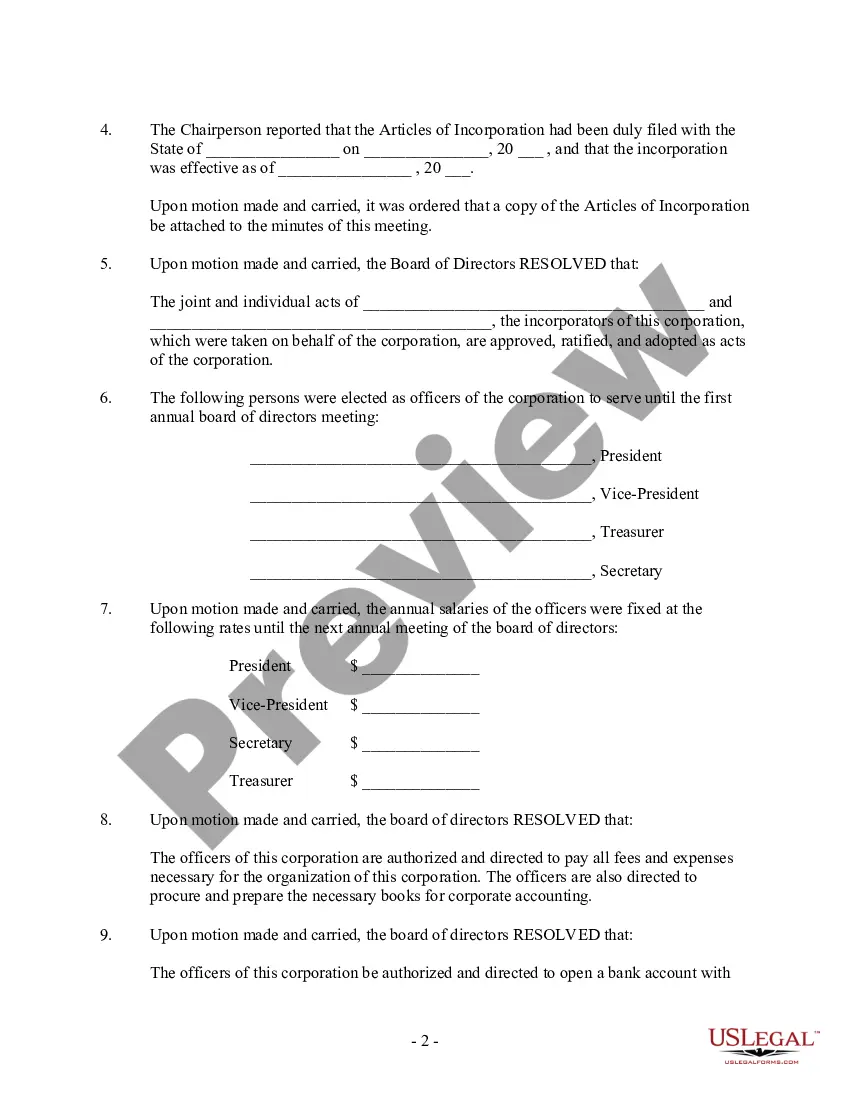
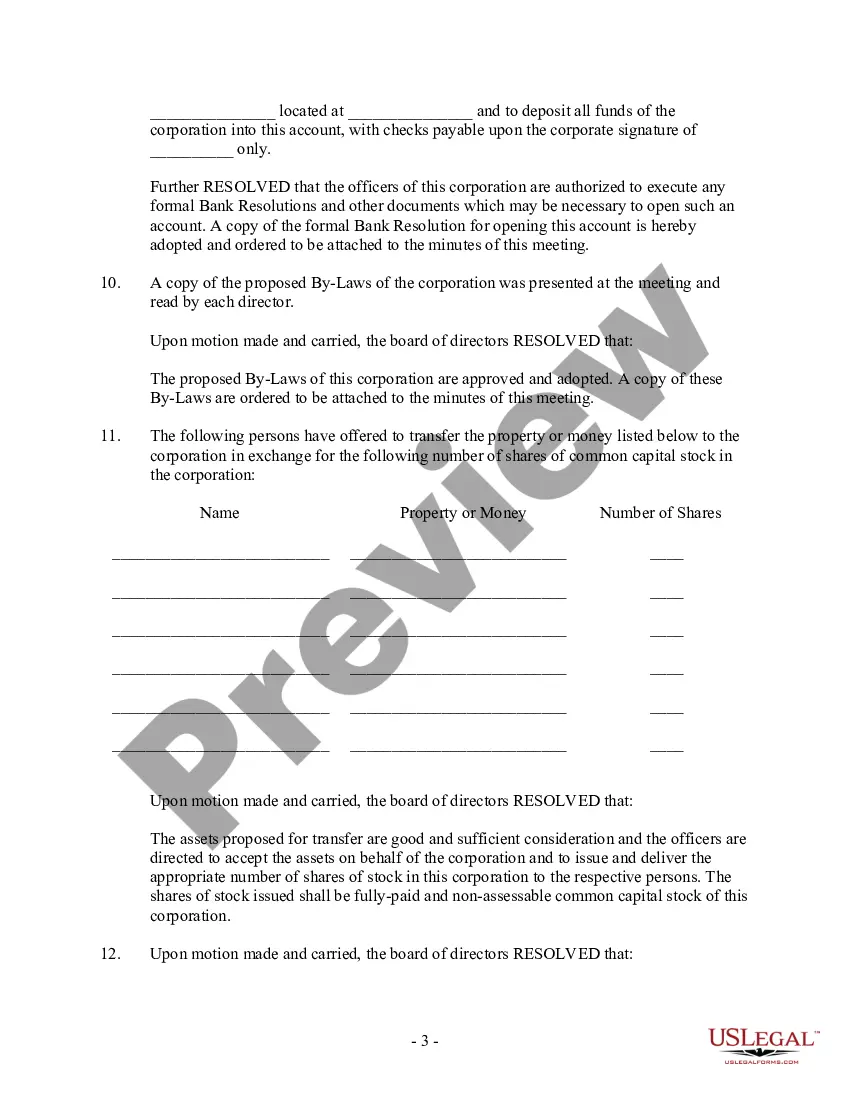
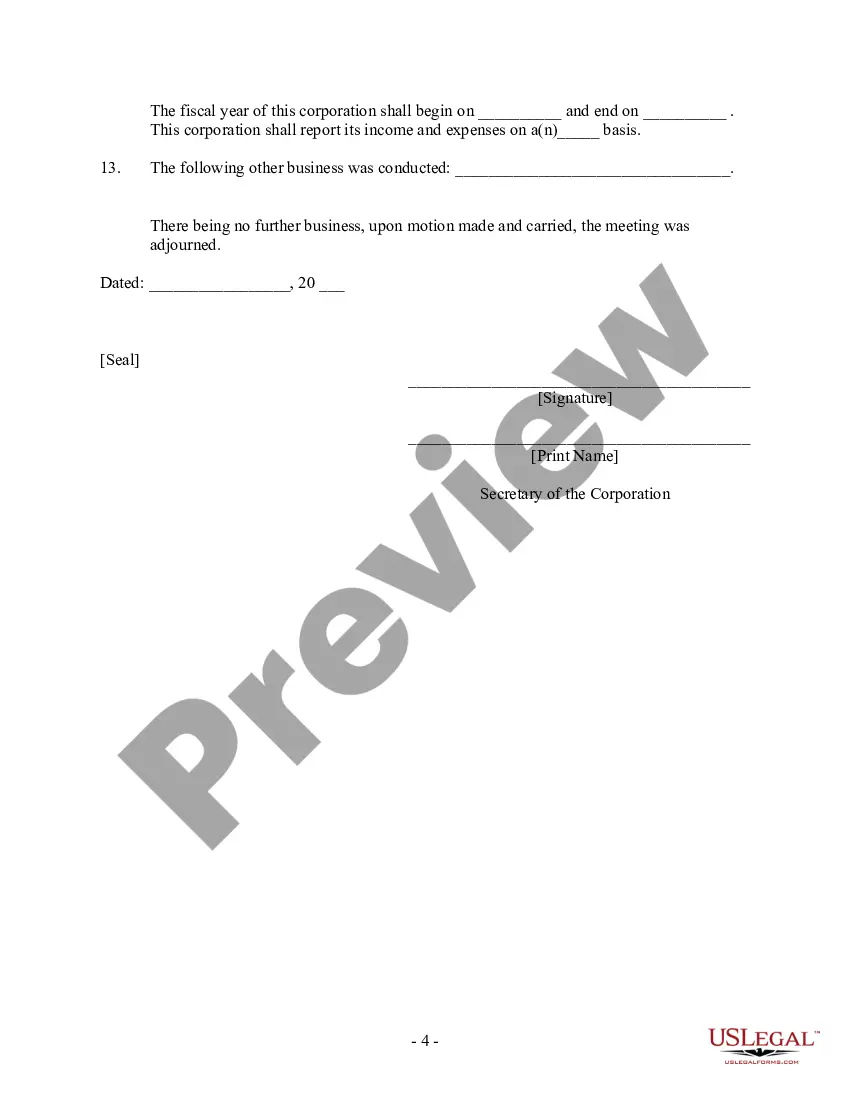
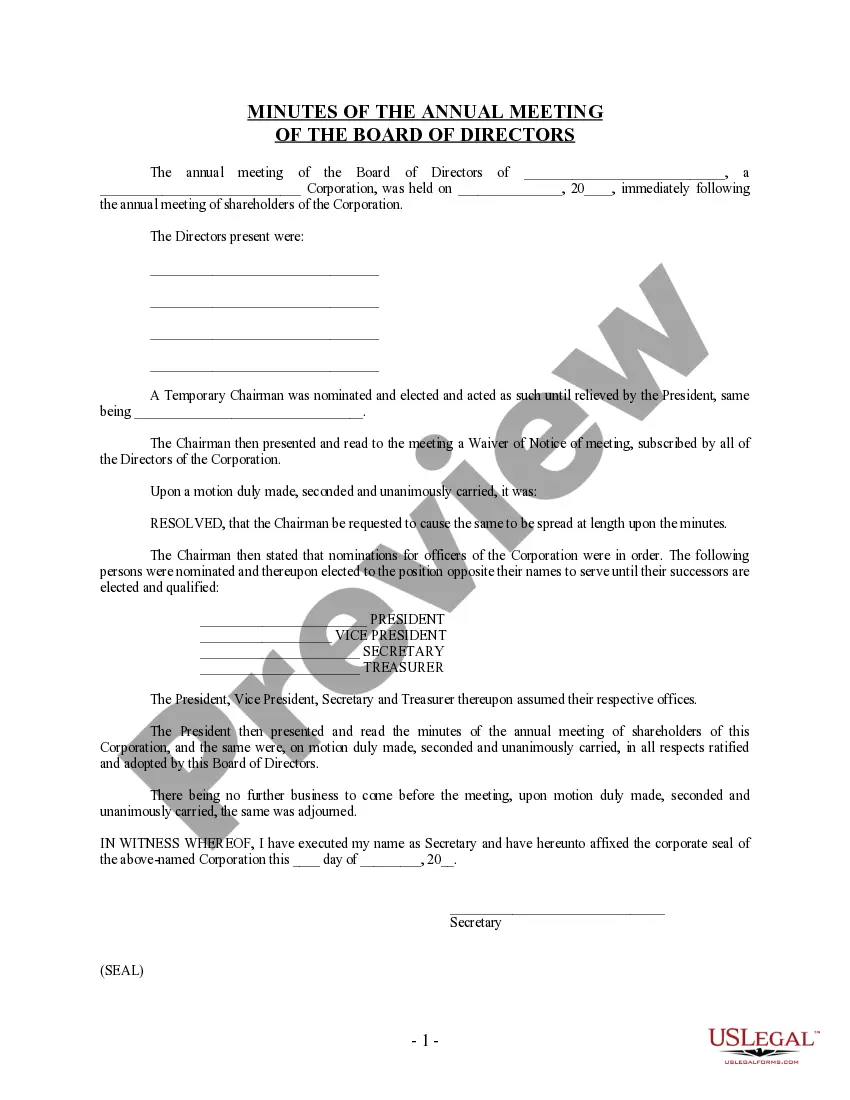
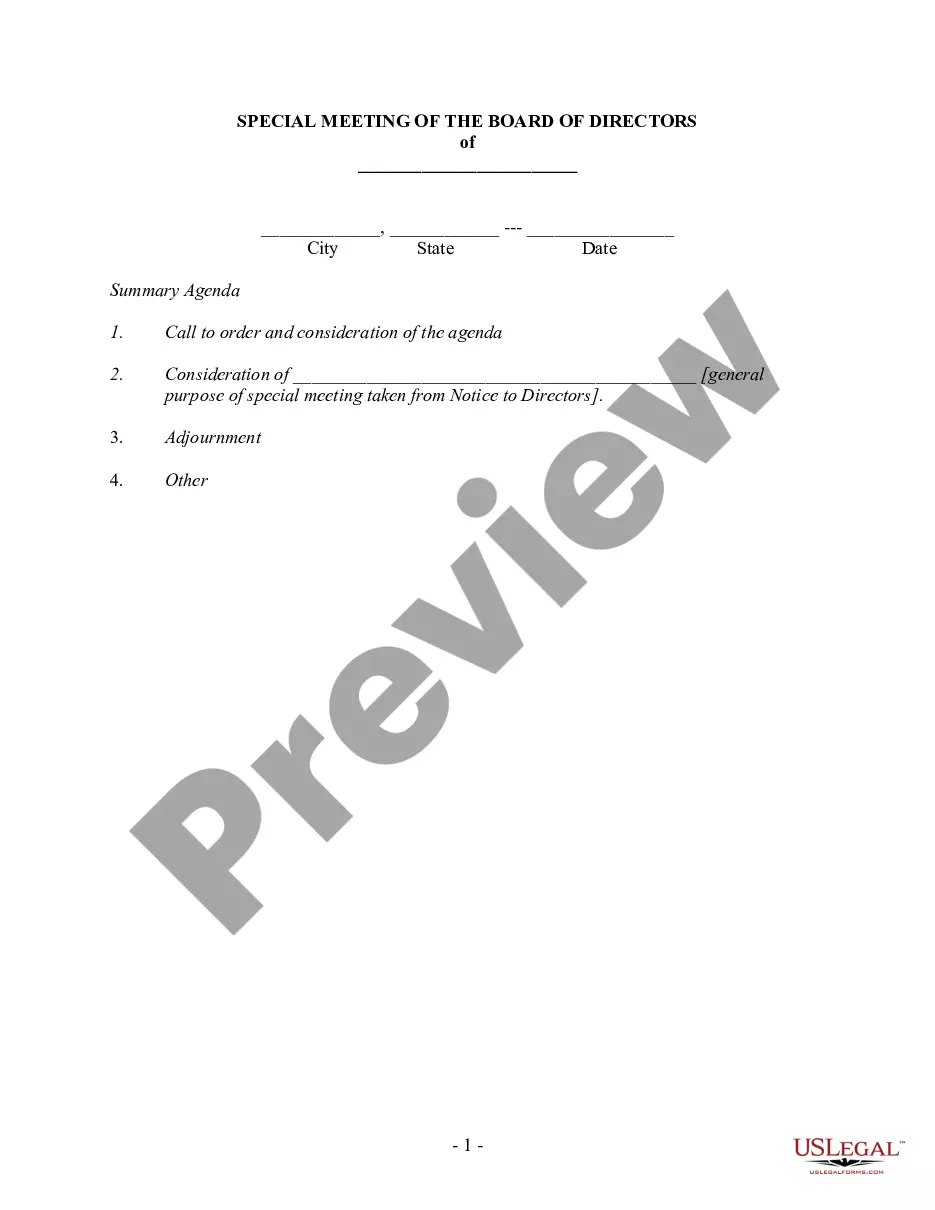
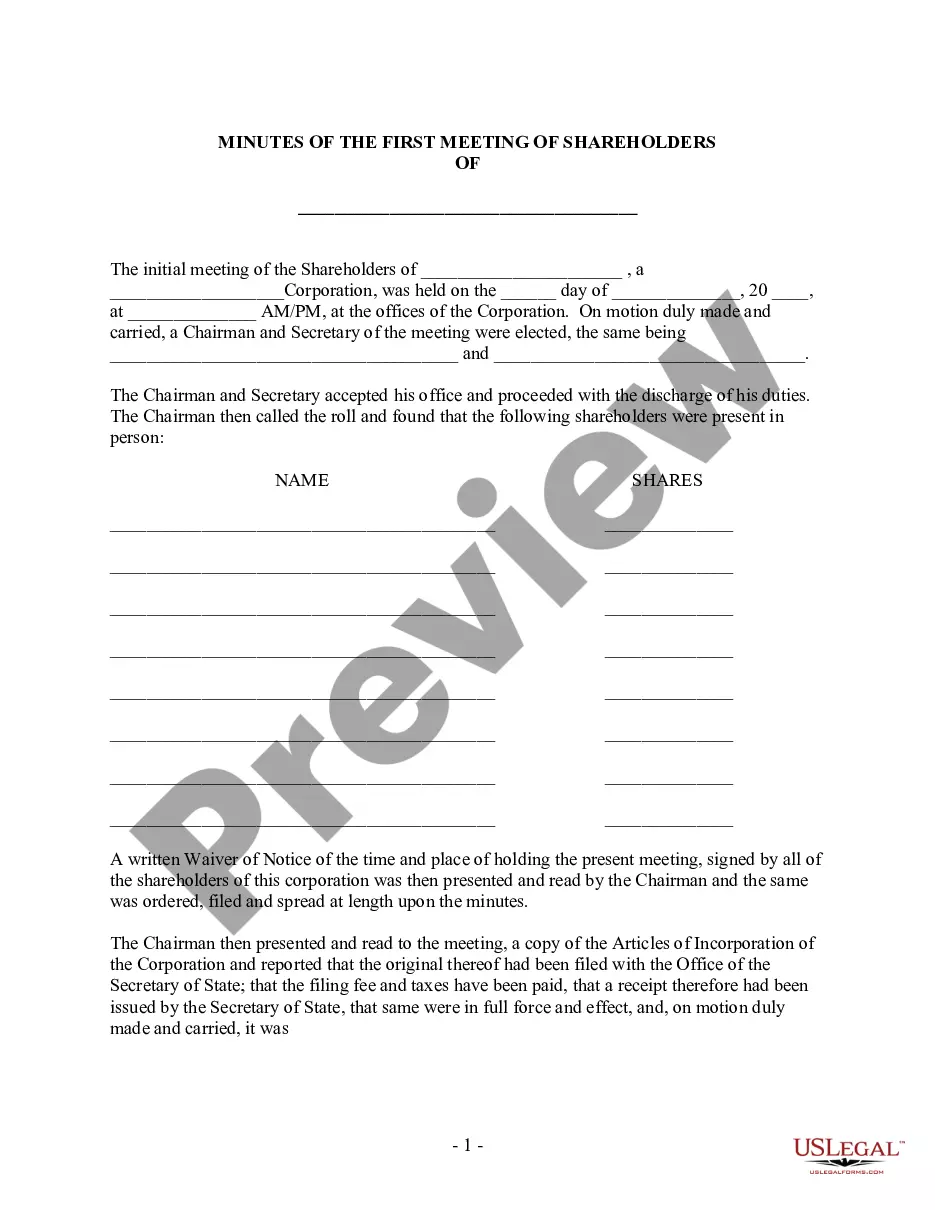
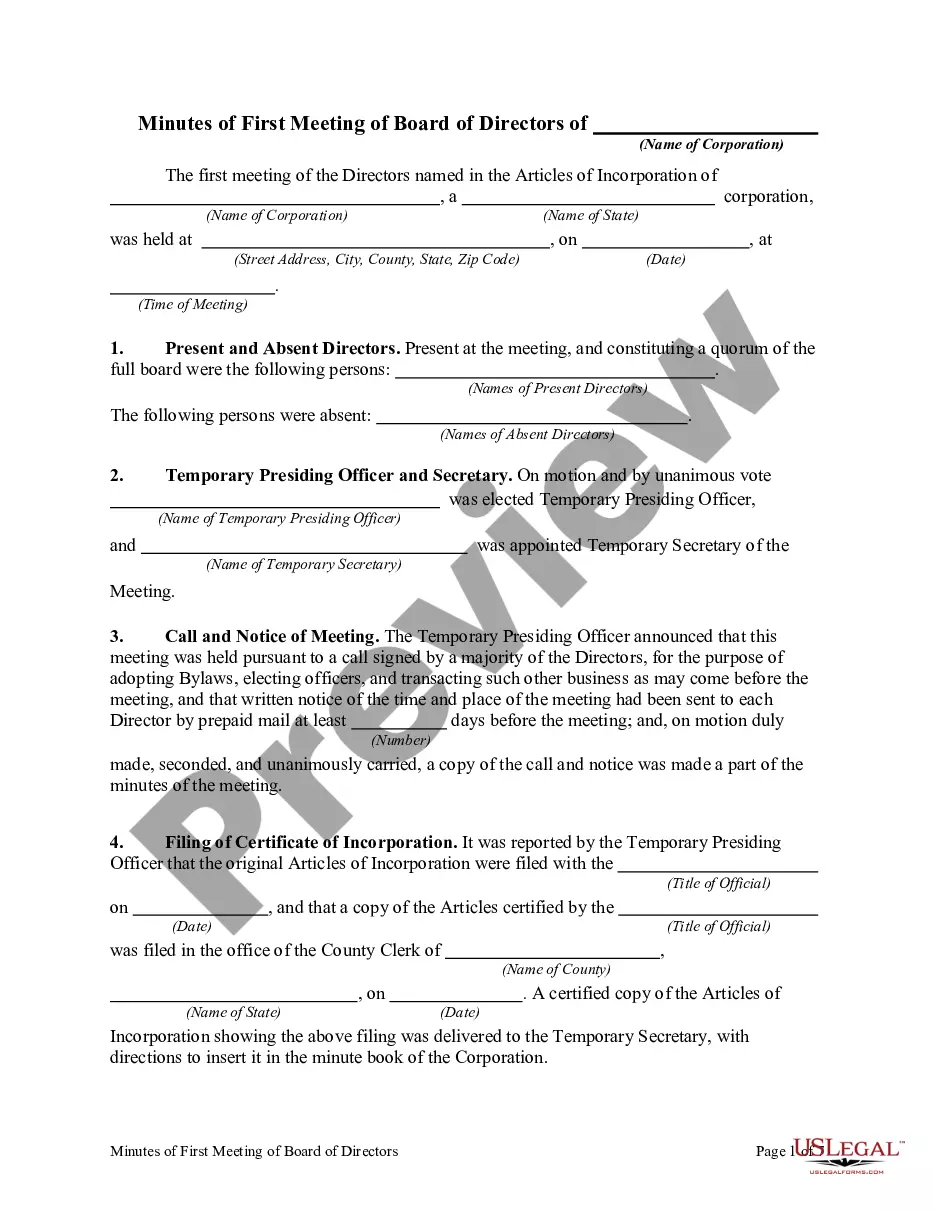
Get your form ready online
Our built-in tools help you complete, sign, share, and store your documents in one place.
Make edits, fill in missing information, and update formatting in US Legal Forms—just like you would in MS Word.
Download a copy, print it, send it by email, or mail it via USPS—whatever works best for your next step.
Sign and collect signatures with our SignNow integration. Send to multiple recipients, set reminders, and more. Go Premium to unlock E-Sign.
If this form requires notarization, complete it online through a secure video call—no need to meet a notary in person or wait for an appointment.
We protect your documents and personal data by following strict security and privacy standards.

Make edits, fill in missing information, and update formatting in US Legal Forms—just like you would in MS Word.

Download a copy, print it, send it by email, or mail it via USPS—whatever works best for your next step.

Sign and collect signatures with our SignNow integration. Send to multiple recipients, set reminders, and more. Go Premium to unlock E-Sign.

If this form requires notarization, complete it online through a secure video call—no need to meet a notary in person or wait for an appointment.

We protect your documents and personal data by following strict security and privacy standards.
Looking for another form?


Form popularity
FAQ
The basic features of meeting minutes are the date, time, location and attendees, followed by a record of the board's actions, including brief descriptions of any presentations or topics discussed, specific resolutions adopted, and finally, general resolutions.
Board meeting minutes serve as a record for actions and resolutions. One of the most important tasks for minute taking is to make it clear what assignments, delegations, and deadlines have come out of the meeting to hold board members accountable.
It's possible to approve of meeting minutes through a digital platform. Email is not an ideal method because it is not conducive to group discussion. However, if all board members review and vote to approve the minutes digitally, they can be approved digitally outside of an official or in-person board meeting.
The minutes are a factual record of business. Do not include: Opinions or judgments: Leave out statements like "a well done report" or "a heated discussion." Criticism or accolades: Criticism of members, good or bad, should not be included unless it takes the form of an official motion.
In reality, though, one of the most essential things any board will do with minutes is approve them. The approval of meeting minutes certifies that the minutes are a complete and accurate reflection of the discussions, actions and decisions that occurred during a board meeting.
It is important to have a designated minutes-taker for a meeting, but there is no one person who specifically must take meeting minutes. In some situations it is the company secretary, in others it is the executive assistant or the administrative assistant, for example.
The minutes must include the name of the attendees at the meeting, the time and day of the meeting, as well as the focus and decisions made at the meeting. The minutes must record what happened at the meeting, even if nothing of importance occurred.
What to include when writing meeting minutes? Meeting basics like name, place, date and time ... List of meeting participants. Meeting purpose. Agenda items. Next meeting date and place. Documents to be included in the meeting report. Key action items.
What Should Be Included in Meeting Minutes? Date and time of the meeting. Names of the meeting participants and those unable to attend (e.g., “regrets”) Acceptance or corrections/amendments to previous meeting minutes. Decisions made about each agenda item, for example: Actions taken or agreed to be taken. Next steps.