Sample Letters To Judges From Family Members For Divorce In Travis
Description


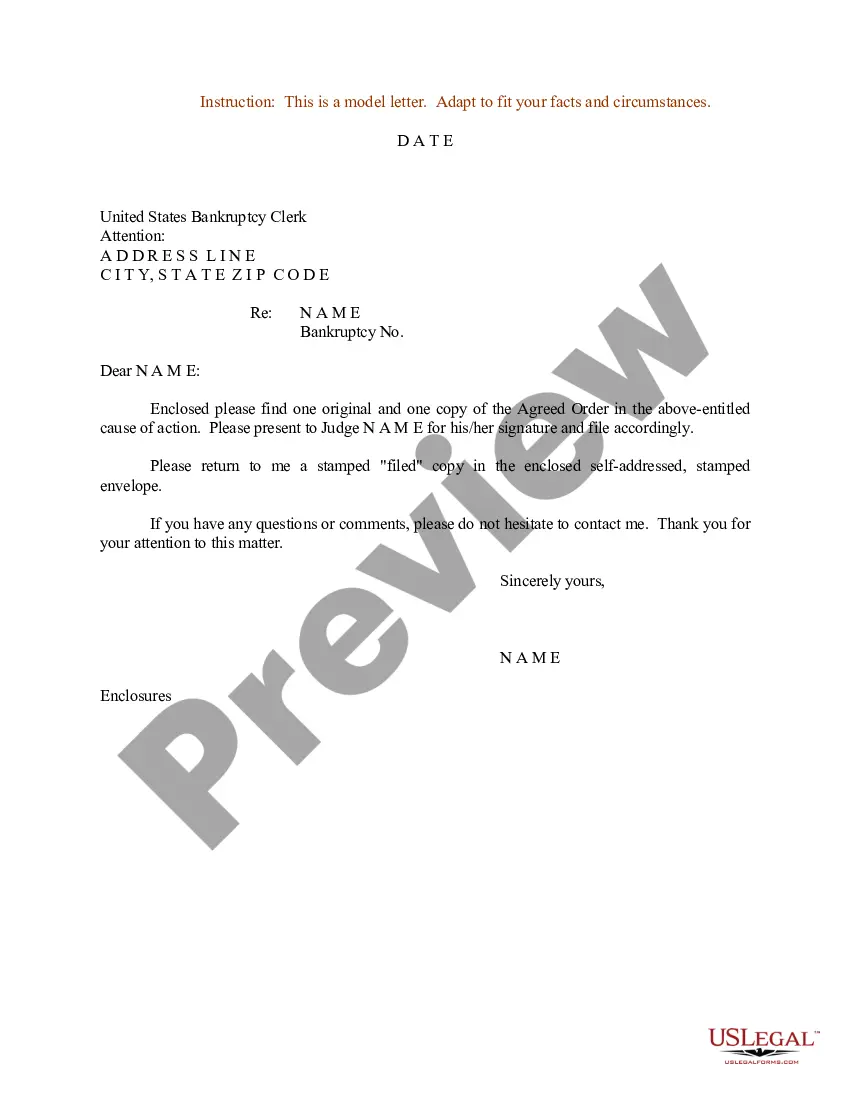
Get your form ready online
Our built-in tools help you complete, sign, share, and store your documents in one place.
Make edits, fill in missing information, and update formatting in US Legal Forms—just like you would in MS Word.
Download a copy, print it, send it by email, or mail it via USPS—whatever works best for your next step.
Sign and collect signatures with our SignNow integration. Send to multiple recipients, set reminders, and more. Go Premium to unlock E-Sign.
If this form requires notarization, complete it online through a secure video call—no need to meet a notary in person or wait for an appointment.
We protect your documents and personal data by following strict security and privacy standards.

Make edits, fill in missing information, and update formatting in US Legal Forms—just like you would in MS Word.

Download a copy, print it, send it by email, or mail it via USPS—whatever works best for your next step.

Sign and collect signatures with our SignNow integration. Send to multiple recipients, set reminders, and more. Go Premium to unlock E-Sign.

If this form requires notarization, complete it online through a secure video call—no need to meet a notary in person or wait for an appointment.

We protect your documents and personal data by following strict security and privacy standards.
Looking for another form?

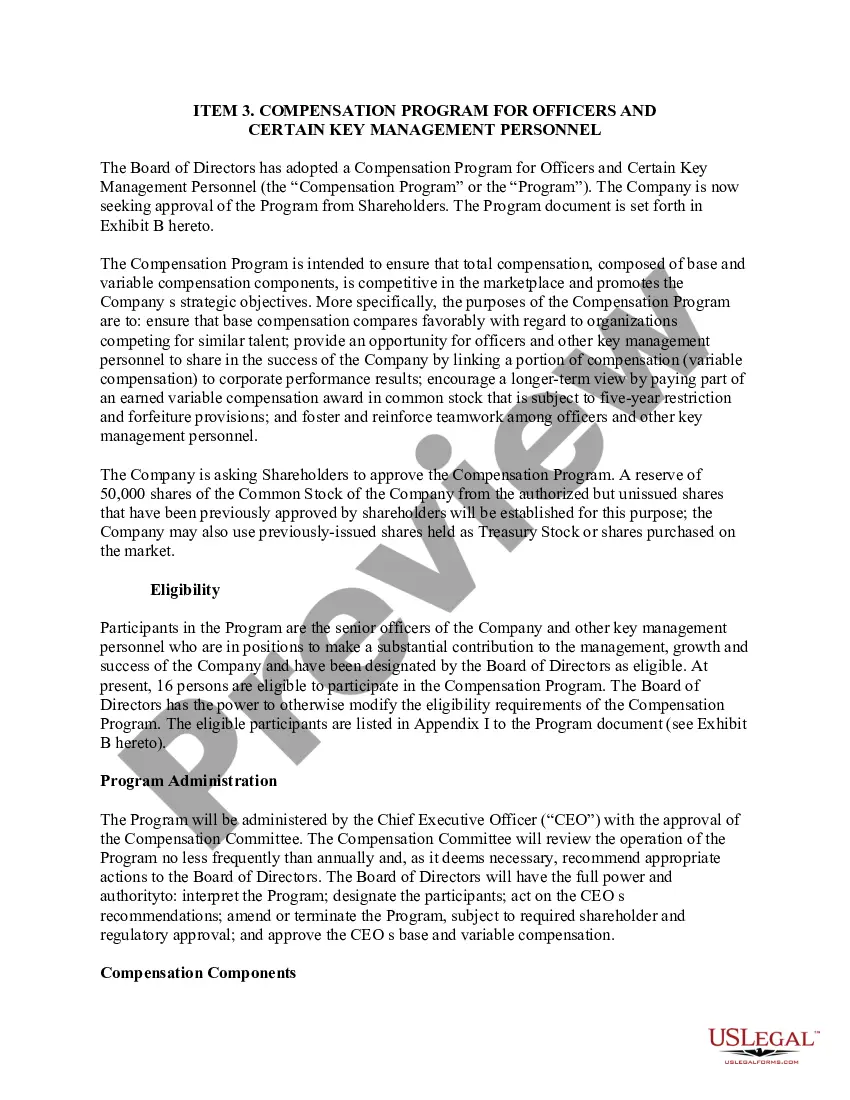
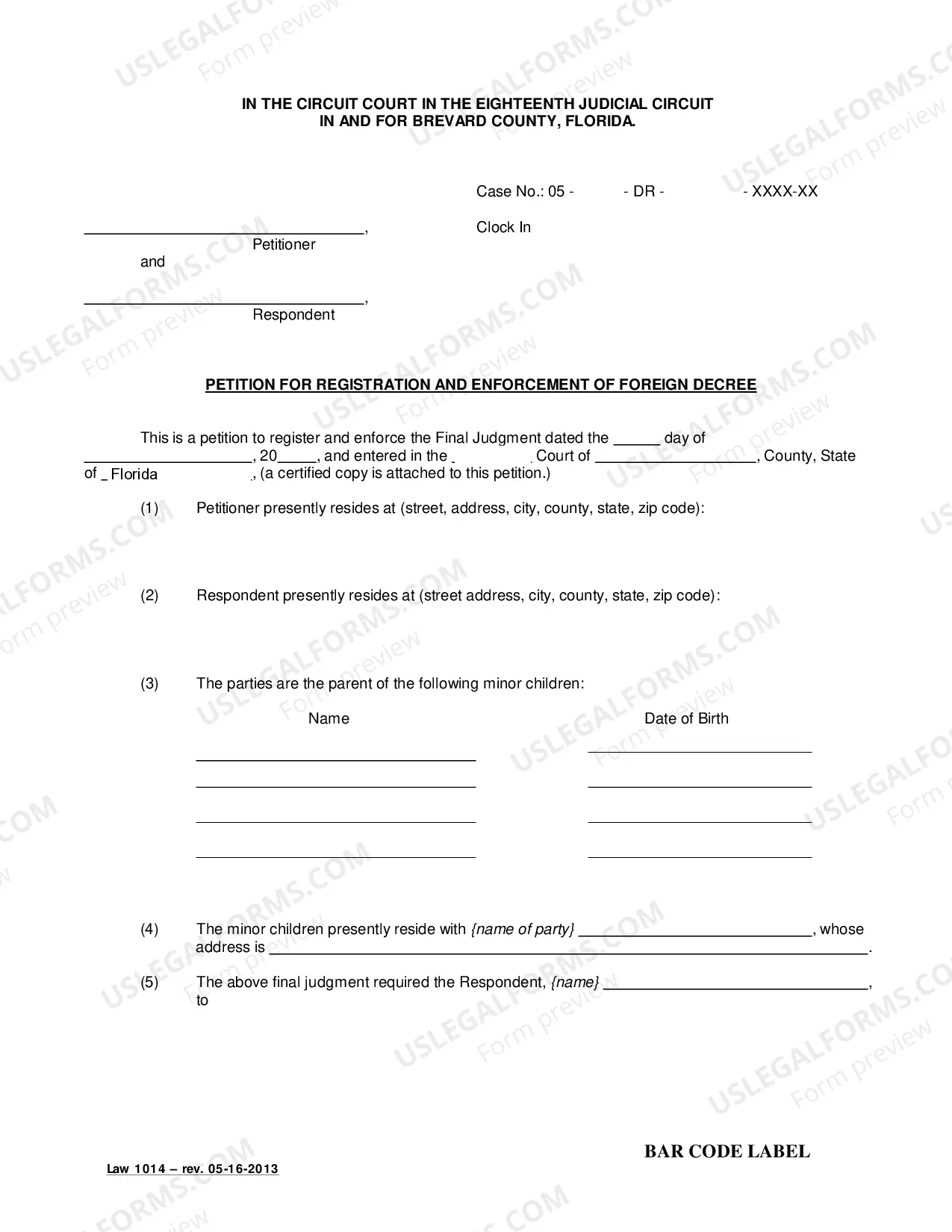


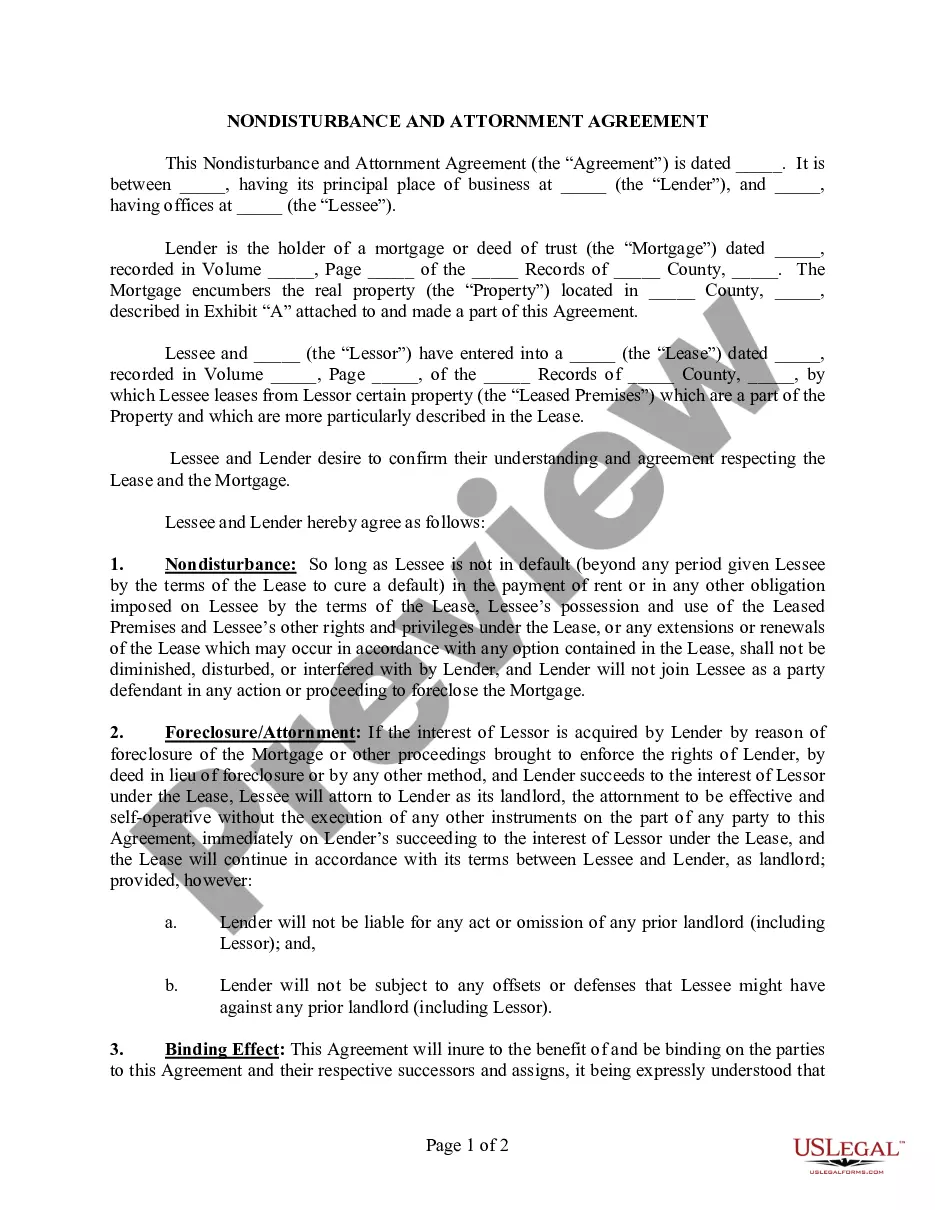
Form popularity
FAQ
The structure of a character letter should include an introduction stating your relationship with the defendant, body paragraphs detailing specific positive traits and examples, and a concluding statement reiterating your support. Ensure it's concise, respectful, and professionally formatted.
The structure of a character letter should include an introduction stating your relationship with the defendant, body paragraphs detailing specific positive traits and examples, and a concluding statement reiterating your support. Ensure it's concise, respectful, and professionally formatted.
The letter should be addressed to the Judge, but mailed to the defendant's attorney. Who are you? ... Make it personal when describing the defendant's characteristics. Only talk about what you know. Be truthful. Never attack the victims or law enforcement. Never allow the defendant to write the letter for you.
Sentences in federal criminal cases – whether they are a result of a plea or a verdict – are set by the judge. Character letters, which are also known as “sentencing letters,” are written by the defendant's friends and family members in an effort to convince the judge to assess a lower sentence.
Tips for an Effective Character Letter To a Judge in California Understand the Purpose of a Character Letter. Use Specific Anecdotes Over General Praise. Address the Impact on the Defendant's Support Network. Maintain Respect For the Court. Respect the Judge's Time. Align Your Expectations with Reality.
A letter can provide the judge with background information about your family member, their circumstances, and any extenuating circumstances that may have influenced their choice.
Writing the Content of the Letter Write who you are and what your profession is. Explain how you know the defendant. Provide a general statement of support. Write a statement on the defendant's character. Add additional information. Write the conclusion. Avoid improper remarks.
Letters from non-lawyers to judges are absolutely to be avoided. They are inappropriate and violate many rules regarding proper communication with judges. Some letters may be in violation of criminal law that prohibits improper efforts to influenc...
Here are ways to convince a judge to give you a lesser sentence. Hire a Criminal Lawyer. An experienced criminal defense attorney can identify potential weaknesses in the prosecution's case. Present Some Mitigating Evidence. Cooperate With Law Enforcement. Strictly Follow Court Orders. Hire a Seasoned Attorney.
Address the judge as ``Dear Judge (Last Name),'' Introduce yourself briefly. Offer to provide further information if needed. Use a respectful closing, such as ``Sincerely'' or ``Respectfully,'' followed by your signature and printed name.

