Sample Character Letter To Judge From Mother In Texas
Description


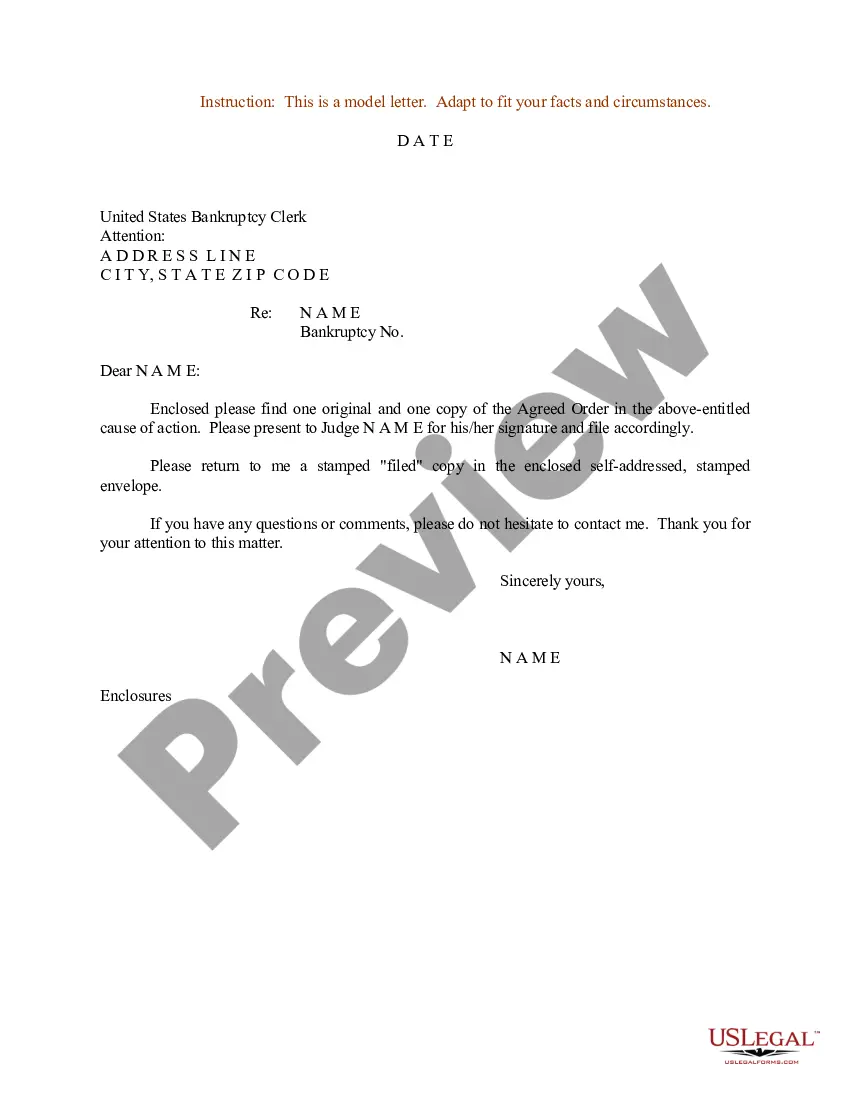
Get your form ready online
Our built-in tools help you complete, sign, share, and store your documents in one place.
Make edits, fill in missing information, and update formatting in US Legal Forms—just like you would in MS Word.
Download a copy, print it, send it by email, or mail it via USPS—whatever works best for your next step.
Sign and collect signatures with our SignNow integration. Send to multiple recipients, set reminders, and more. Go Premium to unlock E-Sign.
If this form requires notarization, complete it online through a secure video call—no need to meet a notary in person or wait for an appointment.
We protect your documents and personal data by following strict security and privacy standards.

Make edits, fill in missing information, and update formatting in US Legal Forms—just like you would in MS Word.

Download a copy, print it, send it by email, or mail it via USPS—whatever works best for your next step.

Sign and collect signatures with our SignNow integration. Send to multiple recipients, set reminders, and more. Go Premium to unlock E-Sign.

If this form requires notarization, complete it online through a secure video call—no need to meet a notary in person or wait for an appointment.

We protect your documents and personal data by following strict security and privacy standards.
Looking for another form?
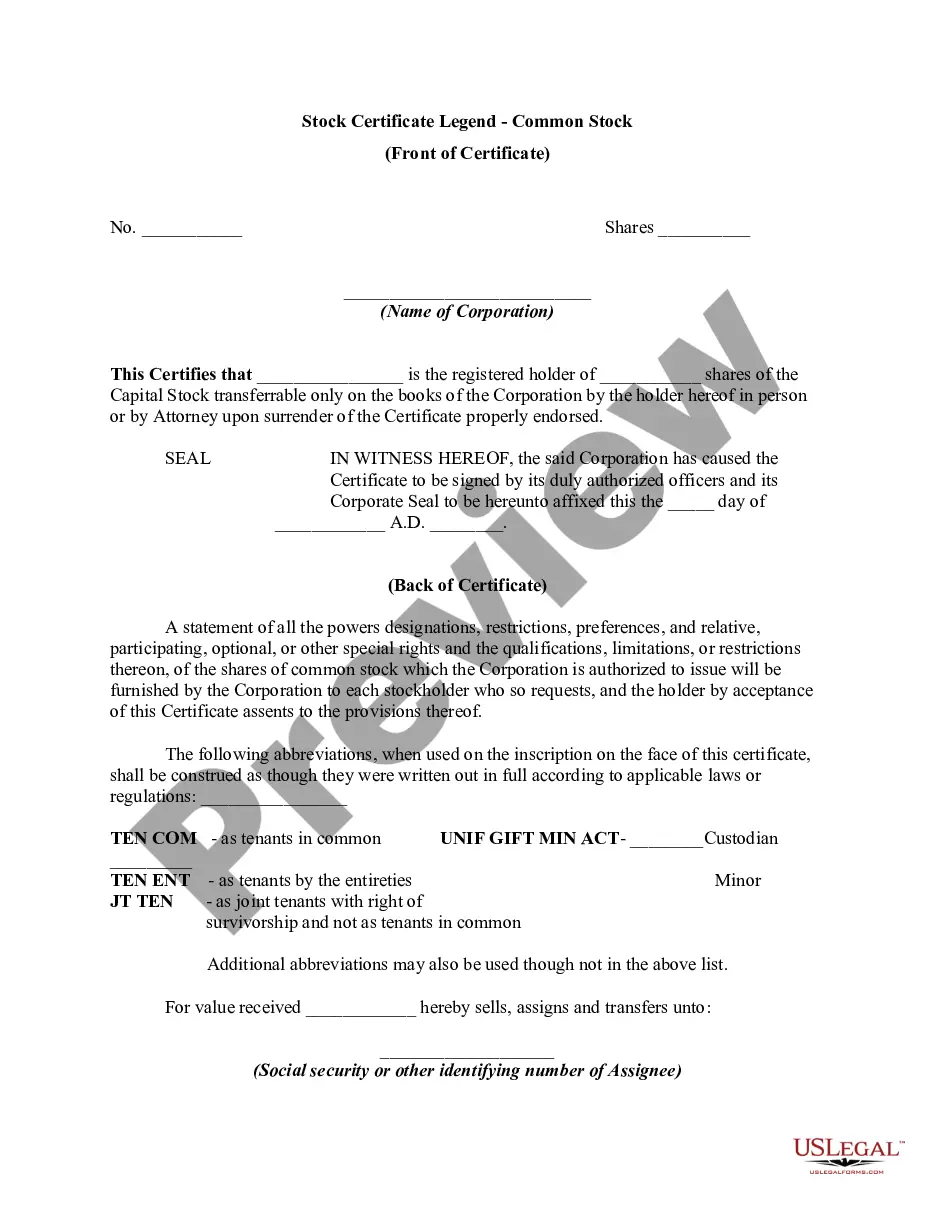

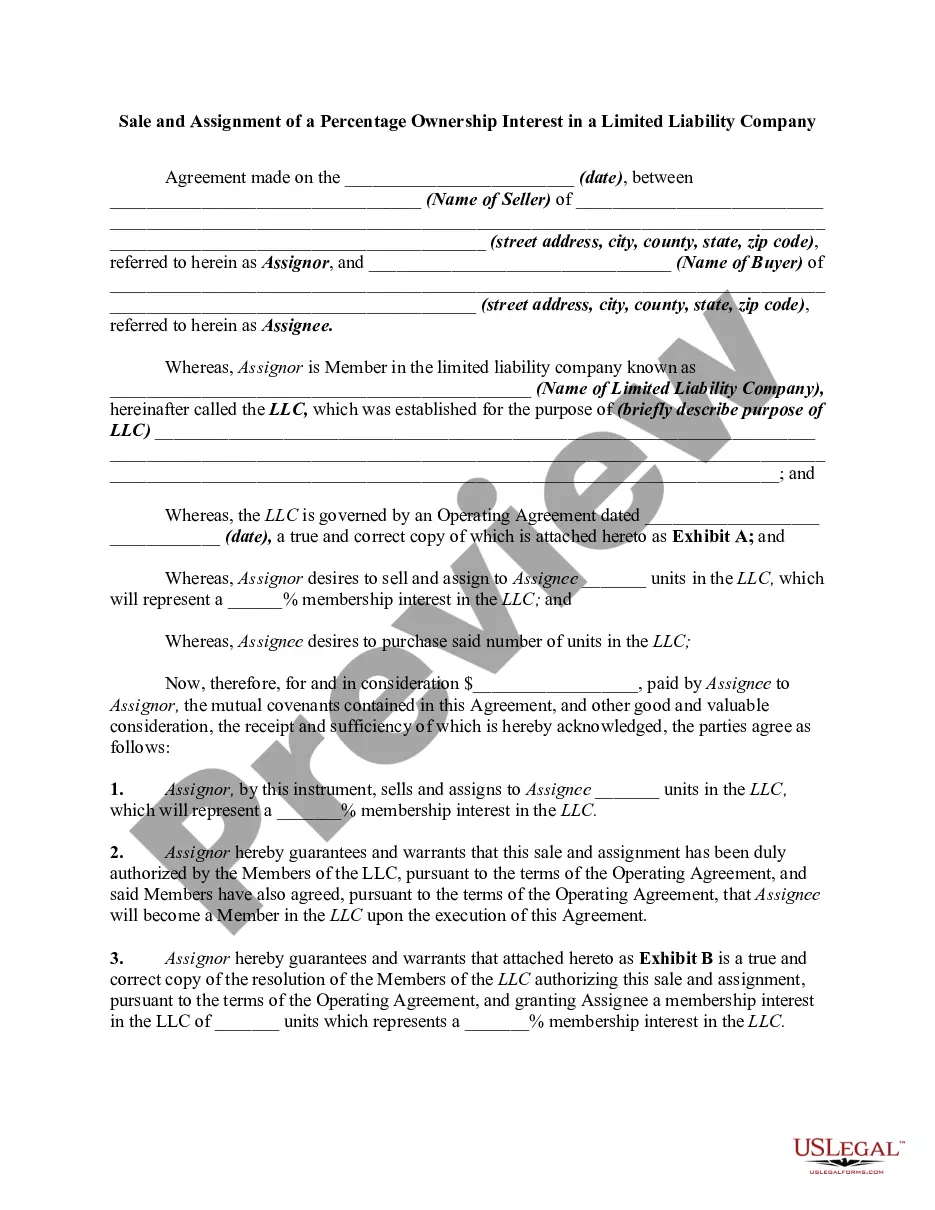
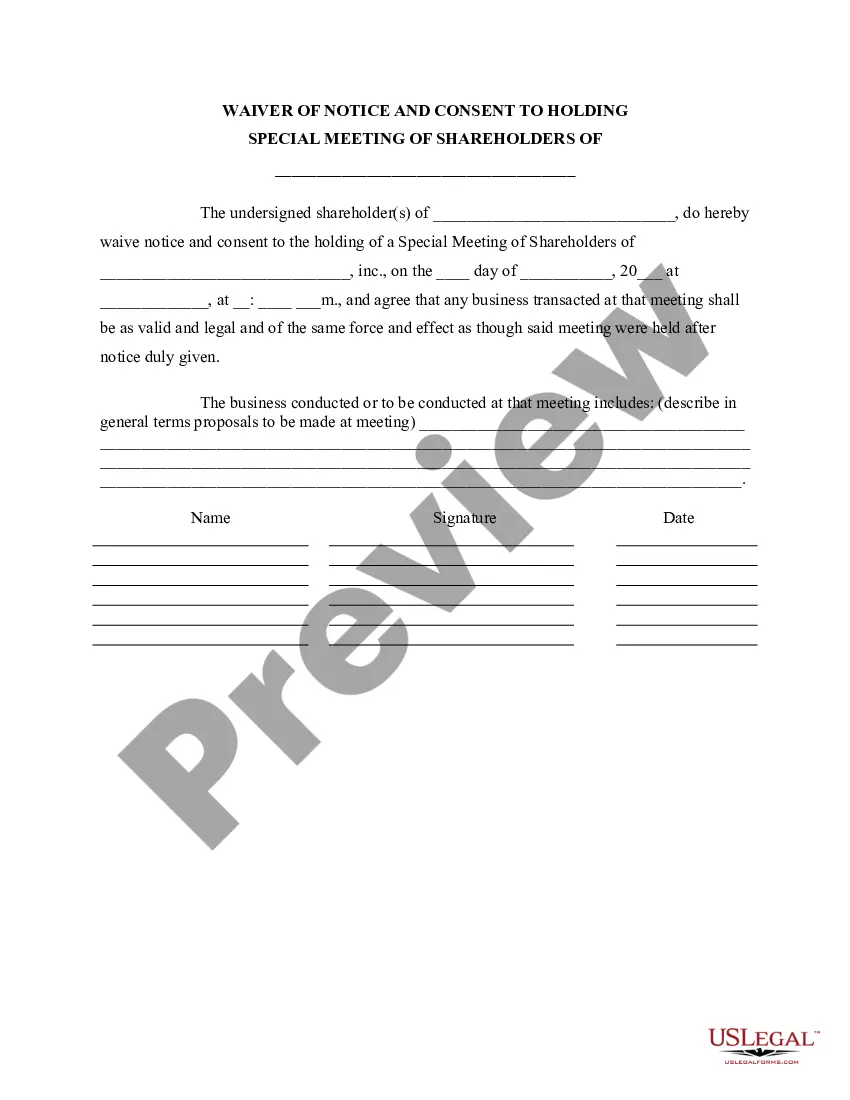
Form popularity
FAQ
A character reference letter for custody is a document written by someone who knows the parent in question well and can vouch for their abilities and character as it relates to parenting. These letters are important evidence in custody cases, often influencing a Judge's perception and decision.
Keep it cute, make it a personal love letter from the heart Allow yourself to be vulnerable and show your true love feelings Explain why you love him or her Your words need to be able to make people cry and also make them feel happy Conversational casual in tone Use storytelling paraphrases (anecdotes)
Writing the Content of the Letter Write who you are and what your profession is. Explain how you know the defendant. Provide a general statement of support. Write a statement on the defendant's character. Add additional information. Write the conclusion. Avoid improper remarks.
Dear Honorable Judge Judge's Last Name, My name is Your Name, and I am writing to you on behalf of my son, XX XX Son's Full Name, who is facing the consequences of his actions before the court. He has brought shame to our family but, more importantly, it saddens me that his actions harmed others.
I appreciate your thoughtfulness, respect, and fairness throughout my trial. I was convicted of shoplifting, and I plan to own up to my actions and make amends for my mistakes. While I can't go back in time and reverse what I did, you can rest assured that this will never happen again.
I have always found applicant to be trustworthy, hard working and intelligent. When we worked on example, applicant showed good communication skills and I could rely on them to take the initiative and to stay calm under pressure. For these reasons, I believe applicant would be ideal for the job of role.
A character reference letter for custody is a document written by someone who knows the parent in question well and can vouch for their abilities and character as it relates to parenting. These letters are important evidence in custody cases, often influencing a Judge's perception and decision.
Use these steps to request a personal reference letter: Choose your communication method. Before asking for a character reference, consider what the best method is to speak to your contact. Ask gently. Explain what you want the reference to say. Include information. Send a thank you note.
In the first paragraph, state how you know the person and attest to their character. Second paragraph show how loving and caring they are with their child. Third paragraph show how bonded the child is to the parents and give examples.

