Sample Letter For Judge Leniency In Suffolk
Description


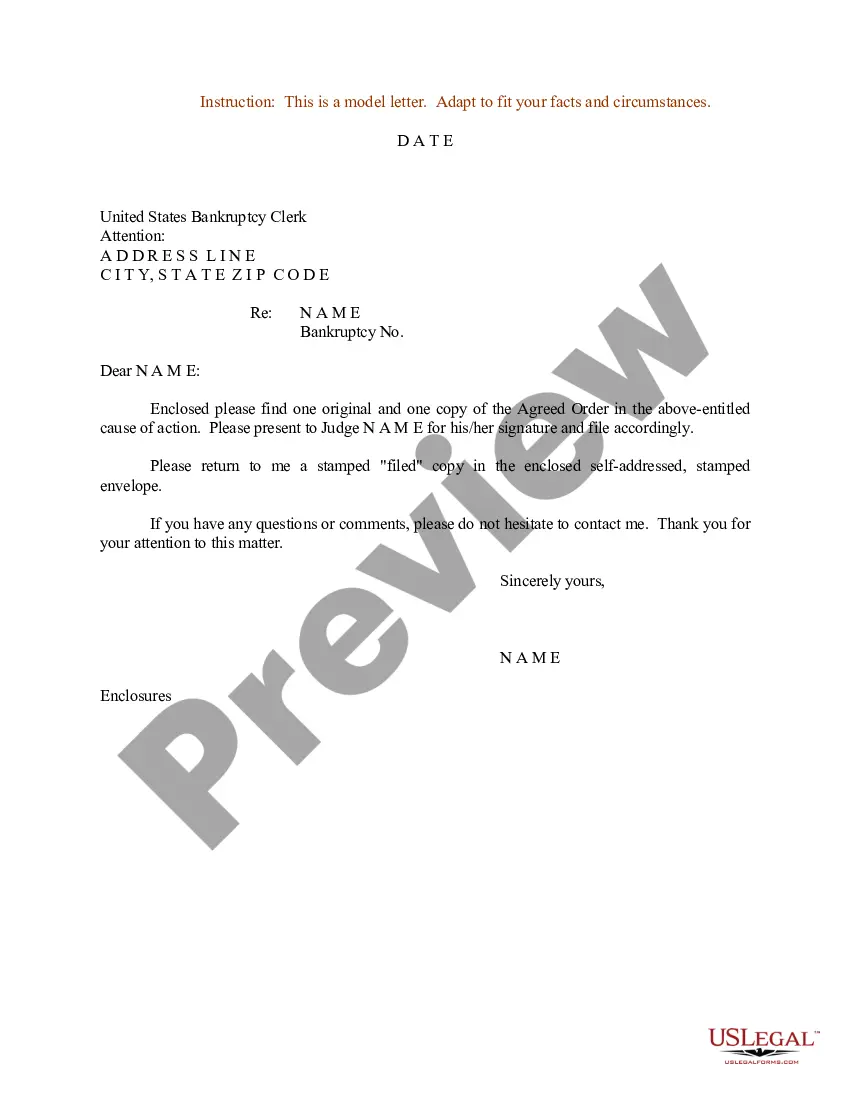
Get your form ready online
Our built-in tools help you complete, sign, share, and store your documents in one place.
Make edits, fill in missing information, and update formatting in US Legal Forms—just like you would in MS Word.
Download a copy, print it, send it by email, or mail it via USPS—whatever works best for your next step.
Sign and collect signatures with our SignNow integration. Send to multiple recipients, set reminders, and more. Go Premium to unlock E-Sign.
If this form requires notarization, complete it online through a secure video call—no need to meet a notary in person or wait for an appointment.
We protect your documents and personal data by following strict security and privacy standards.

Make edits, fill in missing information, and update formatting in US Legal Forms—just like you would in MS Word.

Download a copy, print it, send it by email, or mail it via USPS—whatever works best for your next step.

Sign and collect signatures with our SignNow integration. Send to multiple recipients, set reminders, and more. Go Premium to unlock E-Sign.

If this form requires notarization, complete it online through a secure video call—no need to meet a notary in person or wait for an appointment.

We protect your documents and personal data by following strict security and privacy standards.
Looking for another form?










Form popularity
FAQ
Writing the Content of the Letter Write who you are and what your profession is. Explain how you know the defendant. Provide a general statement of support. Write a statement on the defendant's character. Add additional information. Write the conclusion. Avoid improper remarks.
Crafting an Effective Leniency Letter to a Judge: Five Essential... Start with a Clear Introduction. Introduce Yourself and Establish Credibility. Provide Reasons for Leniency. Tell a Story or Give Specific Examples. Provide Your Contact Information. Not the Same as a Motion to Modify a Sentence.
Federal Rule of Criminal Procedure 35(b) permits a court, upon the government's motion, to impose a new, reduced sentence that takes into account post-sentencing substantial assistance, and that new sentence may go below the recommended guideline range and any statutory mandatory minimum penalty.
Provide Reasons for Leniency The core of your letter should explain why you believe the judge should show leniency towards the defendant. Highlight the defendant's positive traits and contributions, such as: Their role in caring for and providing for their family. Good character traits or values they possess.
The 5 most common tips in writing an effective leniency letter to a judge include: write a clear introduction, introduce yourself and establish credibility, provide reasons for leniency, tell a story, and. provide contact information.
But the Guidelines will recommend a lower sentence if the defendant has accepted responsibility for his actions, or otherwise played a minor role in the offense conduct. The Guidelines also factor in the defendant's prior criminal history and recommend a more severe sentence for repeat offenders.
Applying for sentence reduction also involves collecting critical supporting evidence, such as medical reports or participation certificates from rehabilitation programs. After all evidence has been gathered, a petition or motion will need to be filed to the court to request the sentence reduction officially.
How to Write a Letter about Not Attending Court. Write the judge a letter as soon as you know you're not able to attend court. Explain the reasons why you have to miss your court date, and provide any documentation for proof, like a note from your doctor or work supervisor.
How to Write a Letter about Not Attending Court. Write the judge a letter as soon as you know you're not able to attend court. Explain the reasons why you have to miss your court date, and provide any documentation for proof, like a note from your doctor or work supervisor.
This can be done in person in court or through a piece of writing. Medical information, a psychiatric assessment or employment information might be produced on the defendant's behalf. The defendant might even write their own letter to the sentencing judge.

